Counting skills Extra Challenge Worksheets for Ages 5-7 - Page 3
52 filtered results
-
From - To
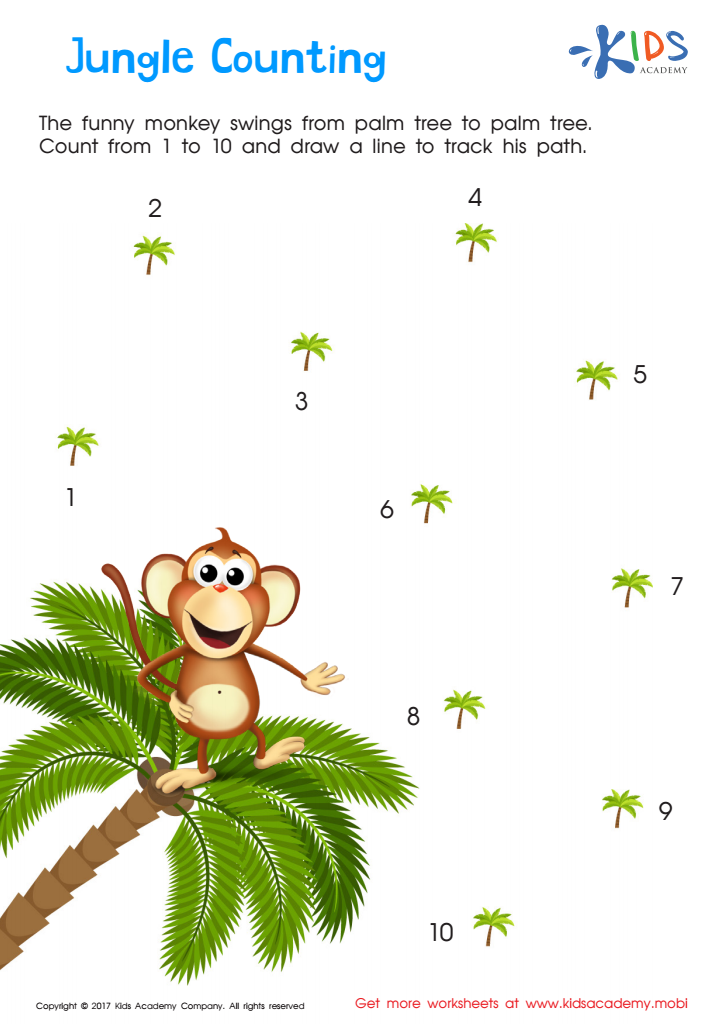
Jungle Counting Connect Dots Worksheet
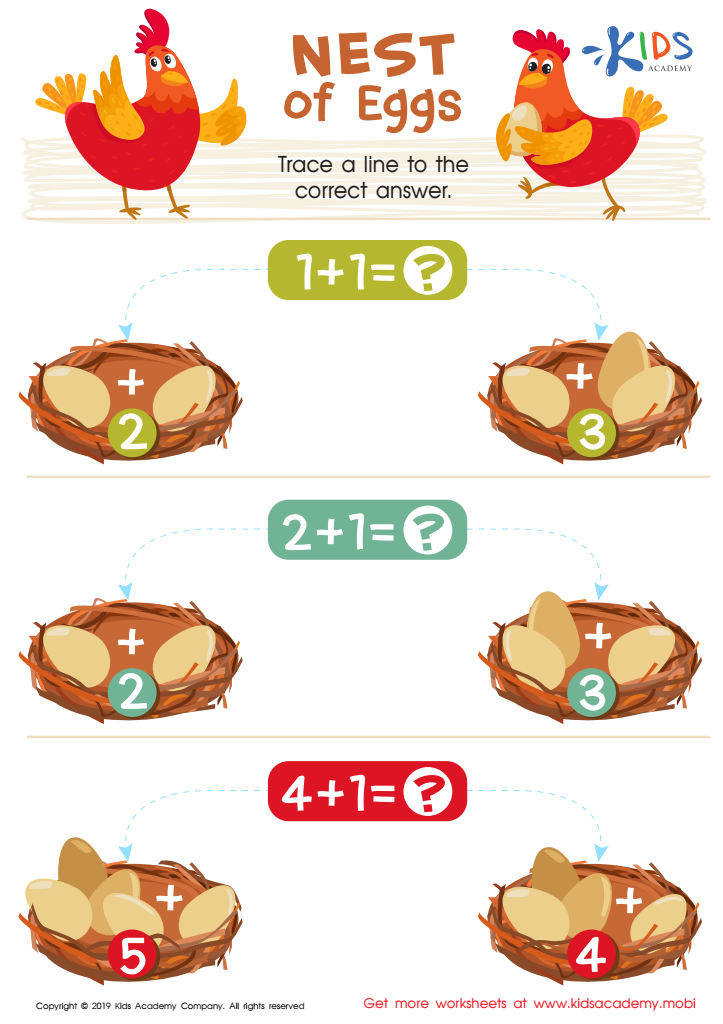
Nest of Eggs Worksheet
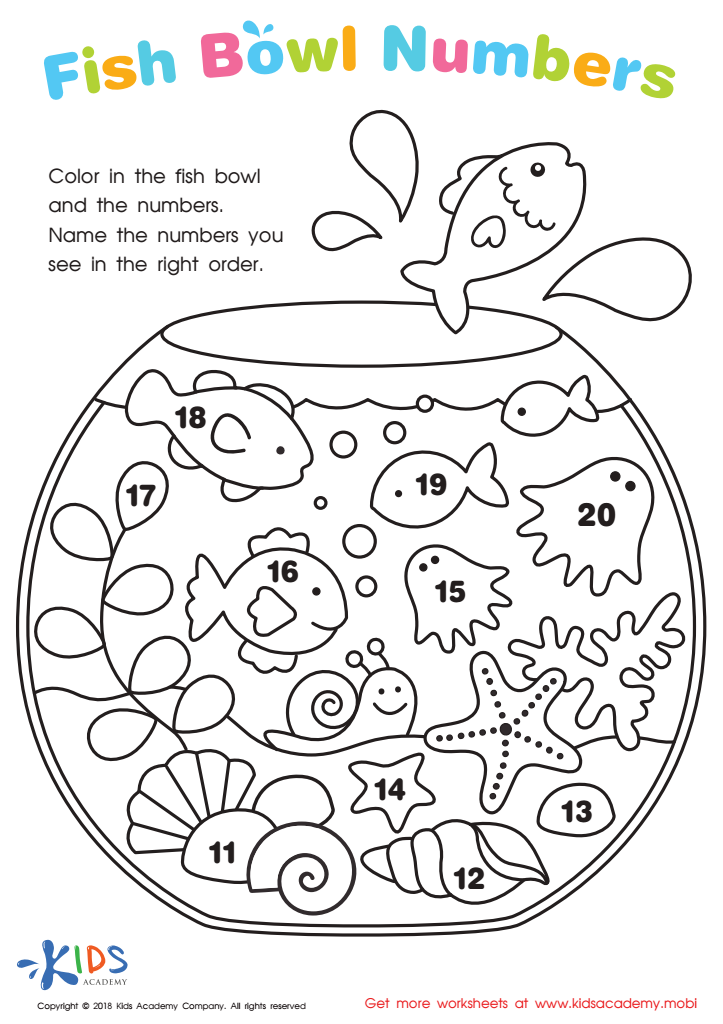
Fish Bowl Numbers Worksheet
 Assign to My Students
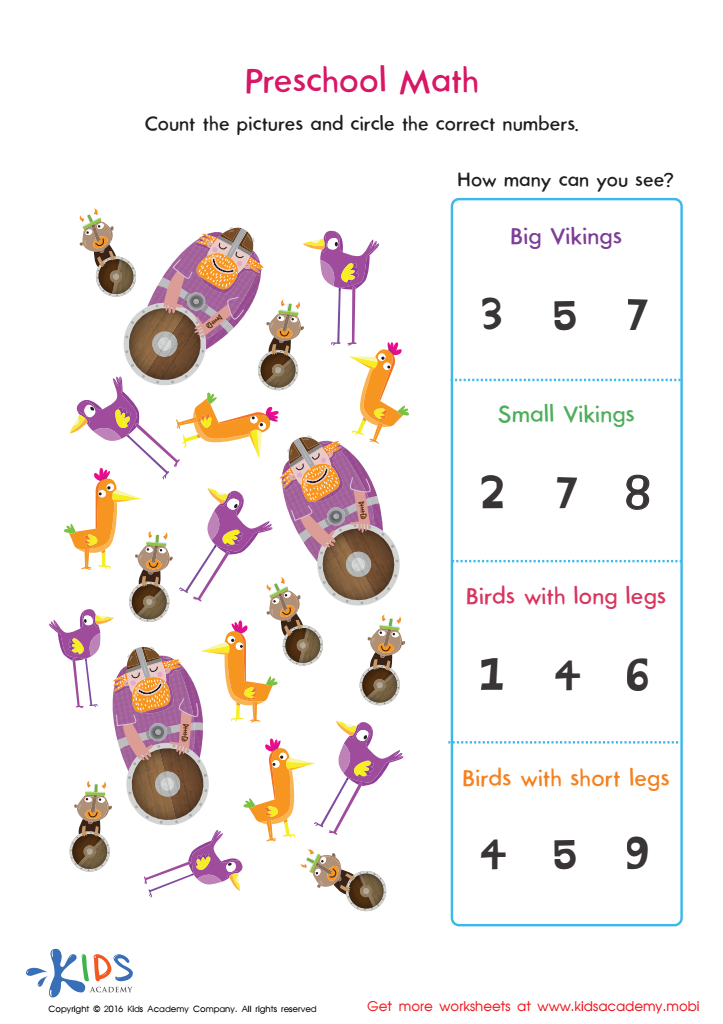








Counting skills are foundational to a child’s overall mathematical understanding, making them essential for both parents and teachers to focus on, particularly for ages 5-7. At this crucial stage, children are not only learning to count but also beginning to develop numerical concepts that will serve as building blocks for more complex mathematics. Extra challenges in counting help strengthen these skills, promote critical thinking, and enhance cognitive development.
Engaging children in counting challenges can be a fun and exciting way to make learning enjoyable. It encourages creativity and problem-solving as kids explore different counting strategies. Additionally, improved counting skills support other essential academic areas, such as reading and writing, by fostering an early understanding of numerical language and sequences.
Furthermore, mastering counting during these formative years builds children’s confidence in their math abilities, setting a positive attitude toward the subject as they progress in their education. Teachers can integrate counting challenges into their lessons, while parents can reinforce these skills at home through games, activities, and daily interactions. By prioritizing counting skills, both parents and teachers can contribute significantly to a child’s long-term academic success and confidence in their mathematical abilities.








