Cognitive Development Extra Challenge Addition & Subtraction Worksheets for Ages 5-7
8 filtered results
-
From - To
Our Cognitive Development Extra Challenge Addition & Subtraction Worksheets for ages 5-7 are specially designed to boost your child's mathematical skills and cognitive growth. These printable worksheets present a variety of engaging problems that challenge young minds while reinforcing basic addition and subtraction concepts. Ideal for developing critical thinking, problem-solving abilities, and numerical fluency, our carefully crafted worksheets support early education standards and keep learning exciting. Perfect for classroom use or at-home practice, our resources will help your child build a strong foundation in math, setting the stage for future academic success and a love for learning.
 Assign to My Students
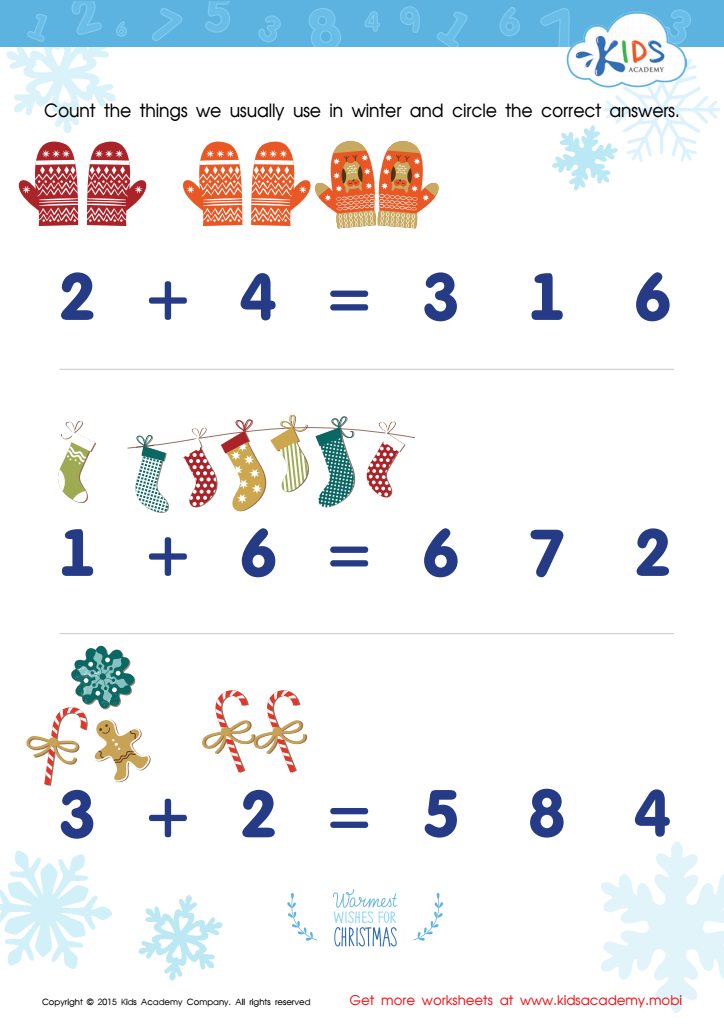
Count Winter Things Worksheet
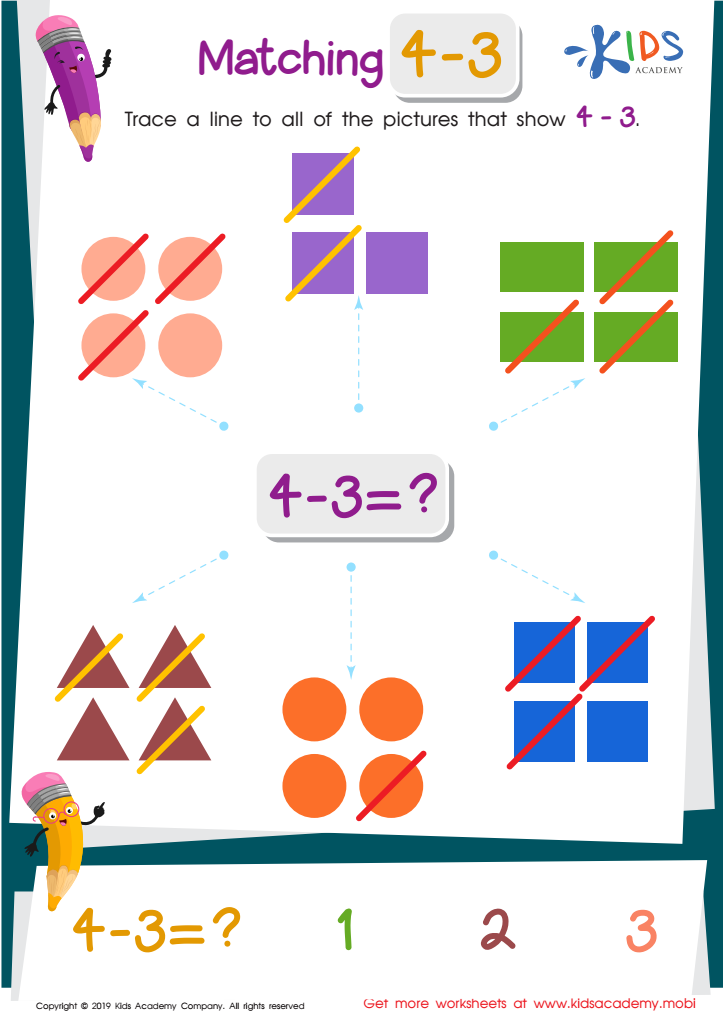
Matching 4 – 3 Worksheet
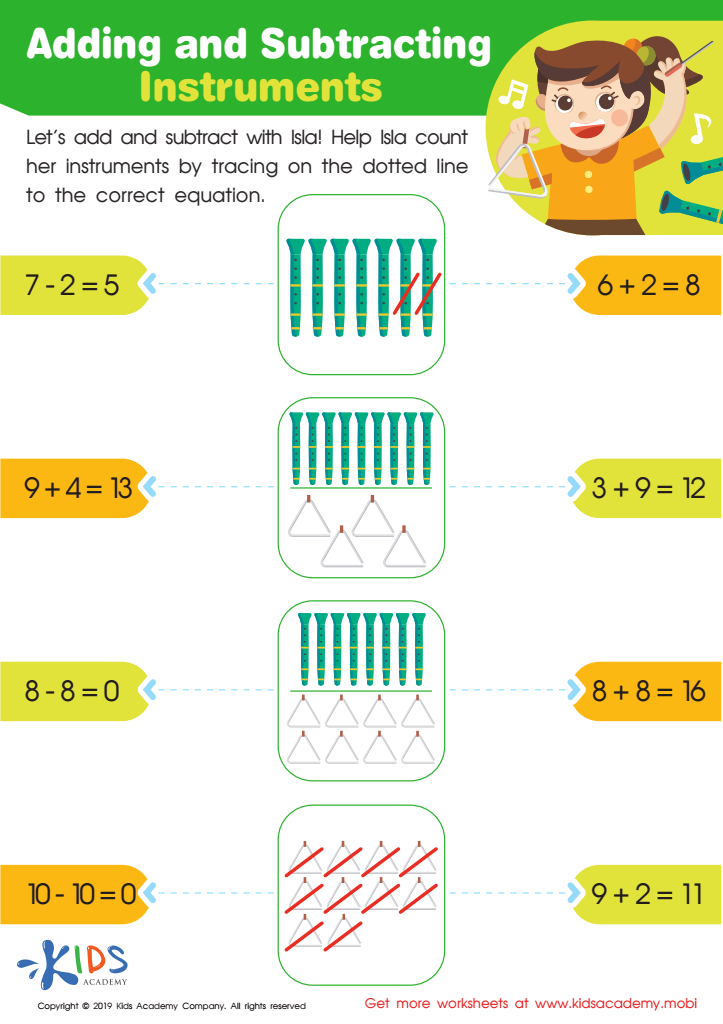
Adding and Subtracting: Instruments Worksheet
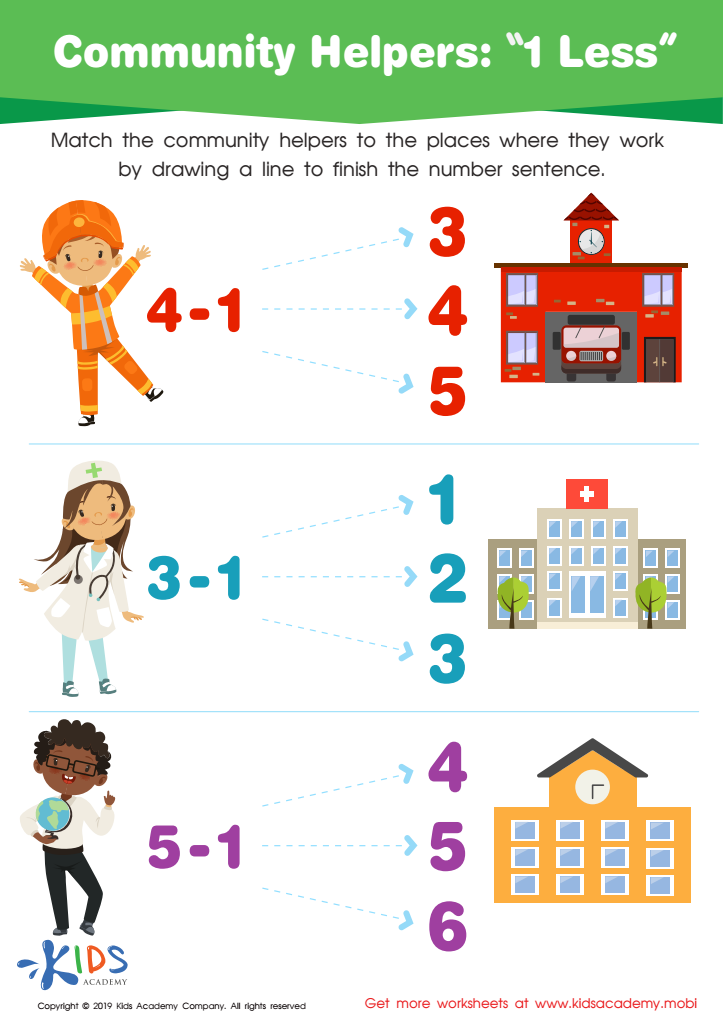
Community Helpers: 1 less Worksheet
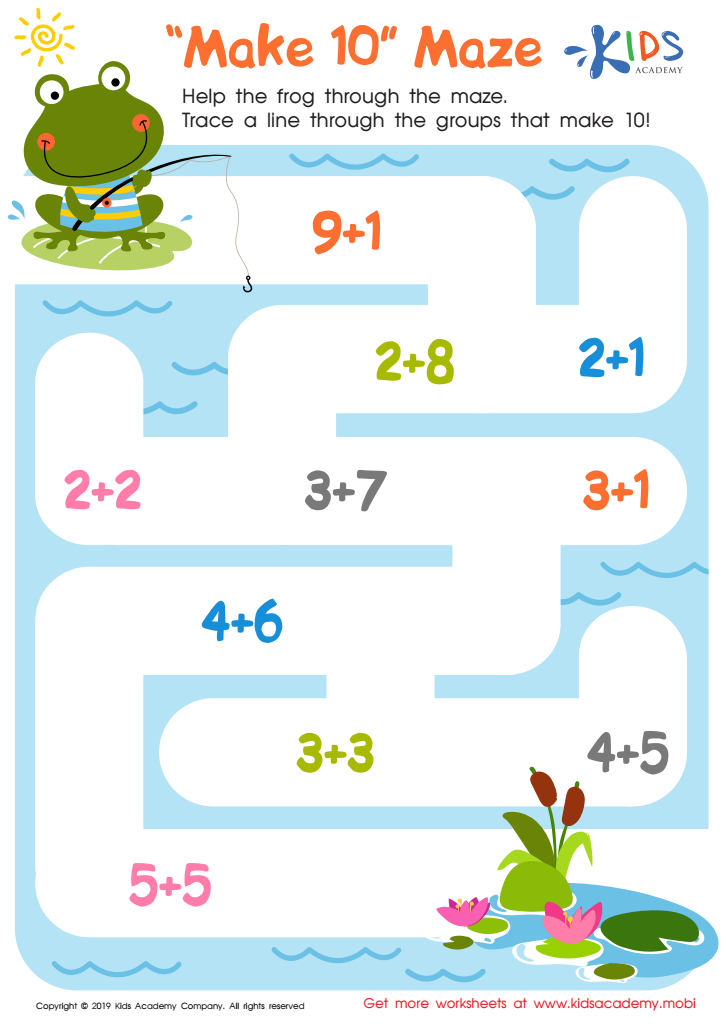
Make 10 Maze Worksheet
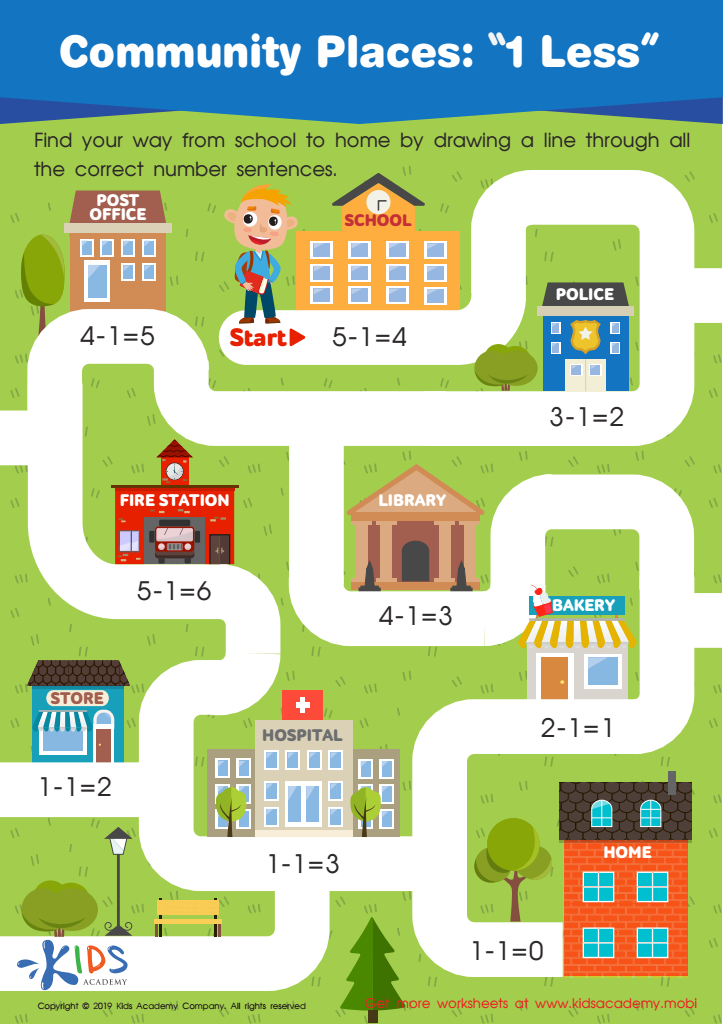
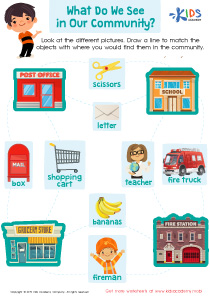
Community Places: 1 Less Worksheet
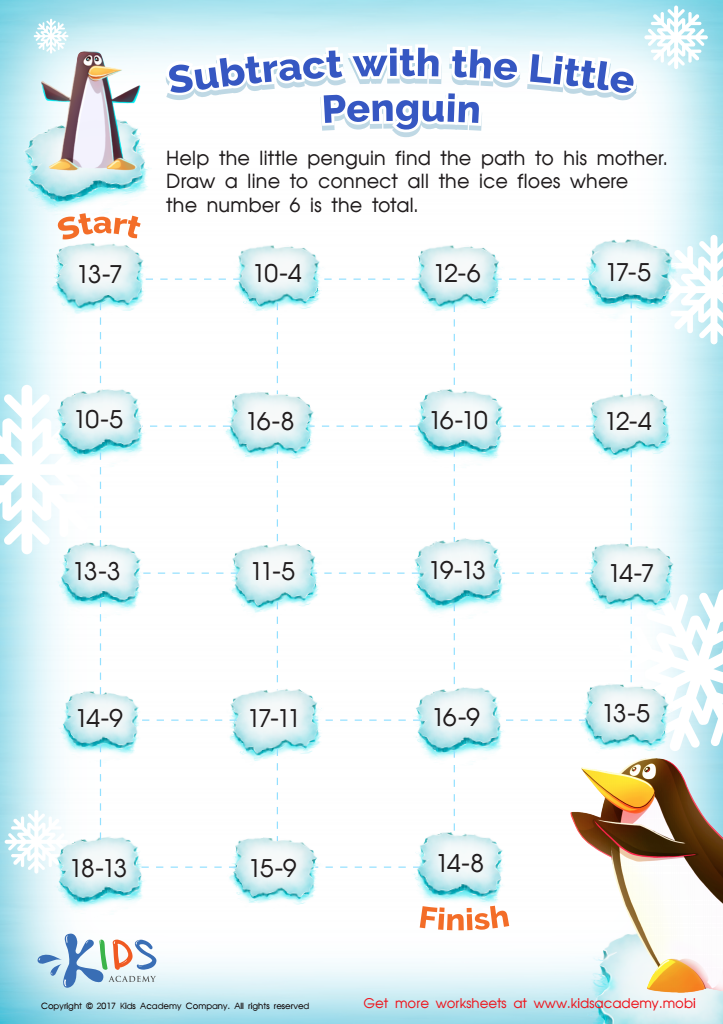
Subtract With The Little Penguin Substraction Worksheet








Cognitive Development Extra Challenge Addition & Subtraction for ages 5-7 plays a crucial role in shaping a child's foundational math skills and overall cognitive growth. During these formative years, children are particularly receptive to learning new concepts and acquiring skills that will underpin more complex thinking later on. By engaging in extra challenges in addition and subtraction, children develop their numerical fluency, problem-solving abilities, and logical reasoning. These experiences not only build on their math conceptual understanding but also improve their attention span, memory retention, and analytical skills.
Moreover, tackling math challenges head-on can foster a growth mindset, helping children to understand the value of perseverance and the satisfaction of problem-solving. It's also an opportunity for personalized learning, allowing parents and teachers to identify students' strengths and areas for improvement, ensuring targeted support where needed.
For parents and teachers, prioritizing these extra cognitive challenges can pave the way for academic success in multiple disciplines, as math skills are often linked to better performance in science, technology, and even literacy. Additionally, since math promotes clarity and structured thinking, these skills will benefit children not just academically, but in everyday decision-making and critical thinking, equipping them for future complex tasks and lifelong learning.