Extra Challenge Building Vocabulary Worksheets for Ages 5-7 - Page 2
27 filtered results
-
From - To
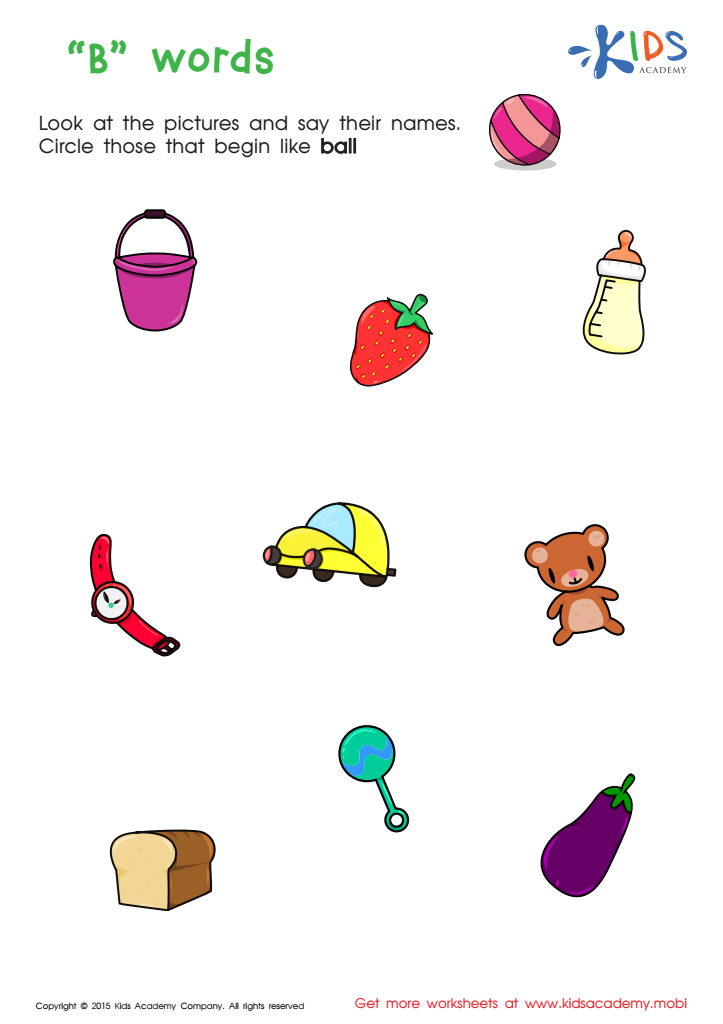
First Words Worksheet
 Assign to My Students











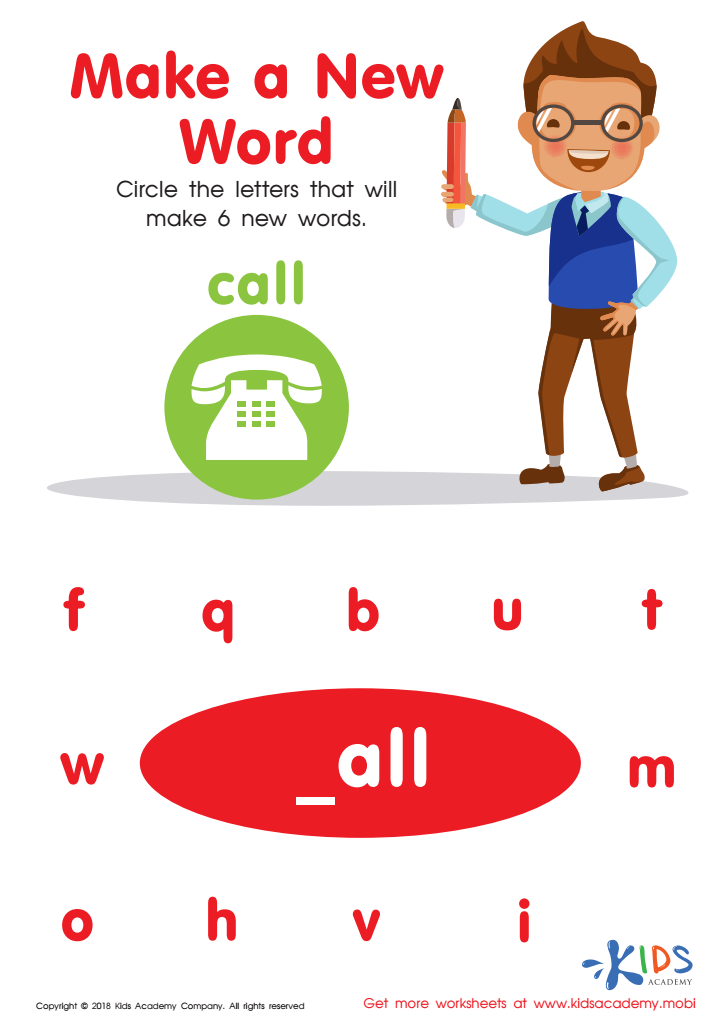
Make a New Word Worksheet
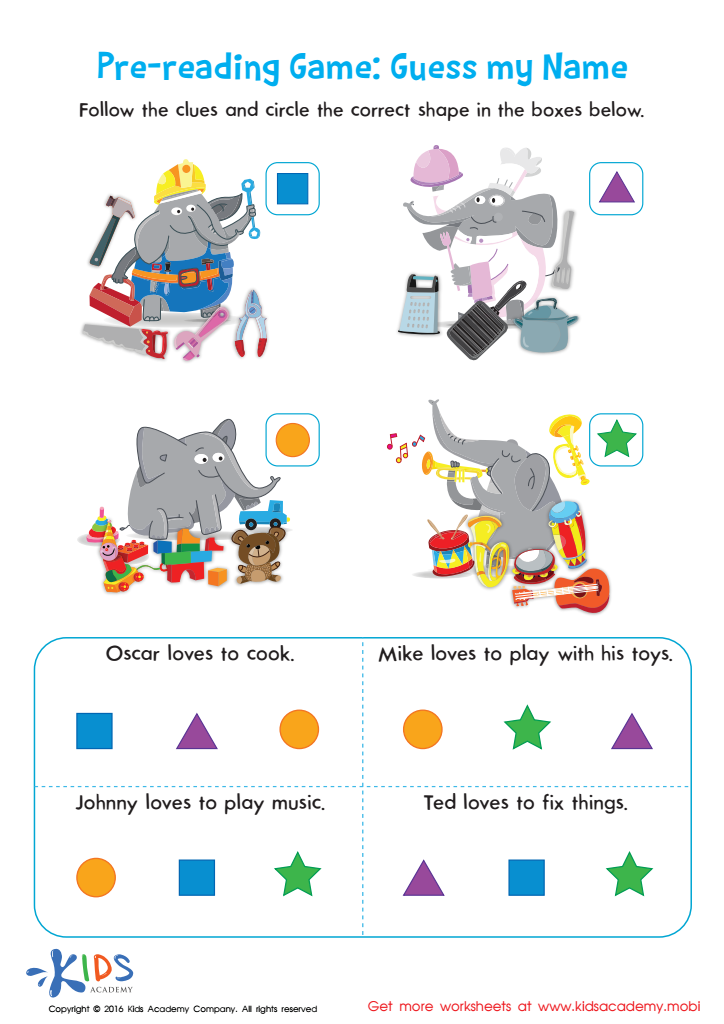
Pre Reading Worksheet Guess My Name







Parents and teachers should prioritize Extra Challenge Building Vocabulary for ages 5-7 because this crucial period in a child’s life sets a foundation for their entire educational journey. At this age, children are naturally curious and absorb information rapidly. Building a robust vocabulary not only enhances their language and communication skills but also fosters cognitive development and academic success.
When children are exposed to a wide range of vocabulary words, they improve their reading comprehension, which is essential for understanding complex texts in later grades. A rich vocabulary allows children to express themselves more accurately and creatively, aiding in both social interactions and emotional expression.
Moreover, early vocabulary development has been linked to better outcomes in various subjects, including math and science, because it lays the groundwork for following instructions and grasping new concepts. Activities that challenge children to expand their vocabulary also stimulate critical thinking skills and problem-solving abilities.
For parents and teachers, investing time in vocabulary-building exercises, such as reading diverse books, playing word games, and engaging in meaningful conversations, can lead to long-term educational benefits. These extra challenges not only make learning fun and engaging but also equip children with the tools they need for a lifetime of success and learning.
Enabling children to build a strong vocabulary early on boosts their confidence, preparing them for more complex tasks and fostering a love for learning. Therefore, integrating vocabulary-building activities into daily routines is essential for enhancing children's cognitive and linguistic development.