Alphabet Recognition Extra Challenge ABC Order Worksheets for Ages 5-8
3 filtered results
-
From - To
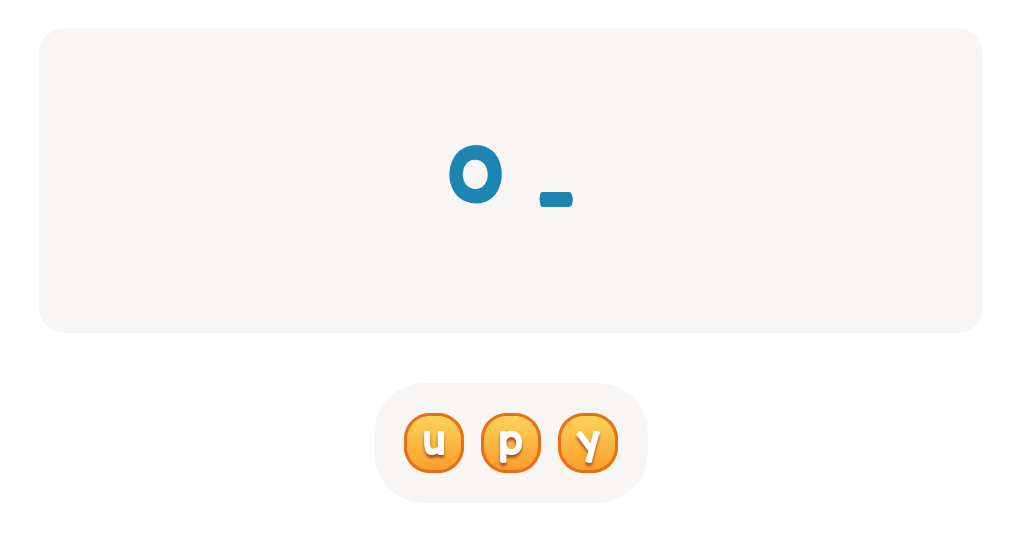
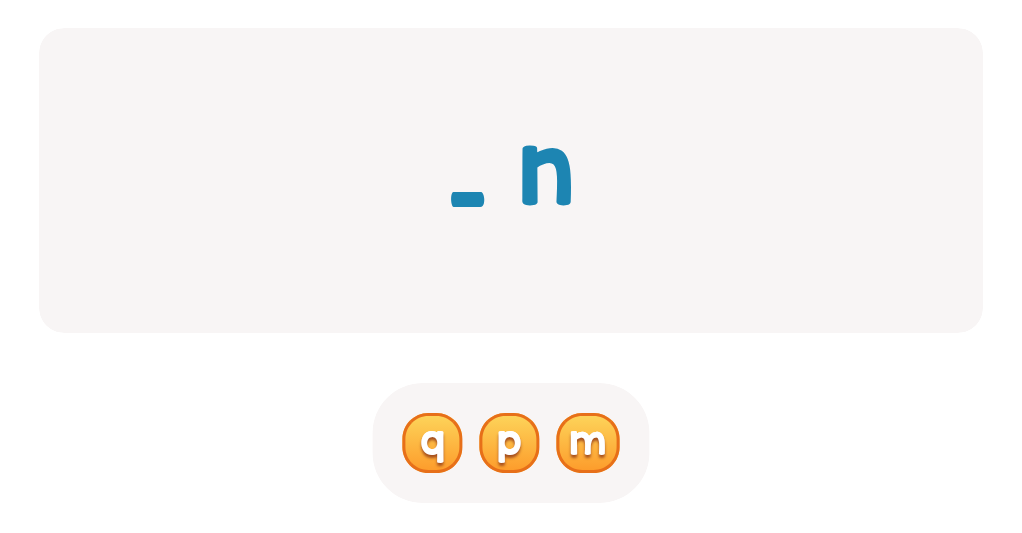
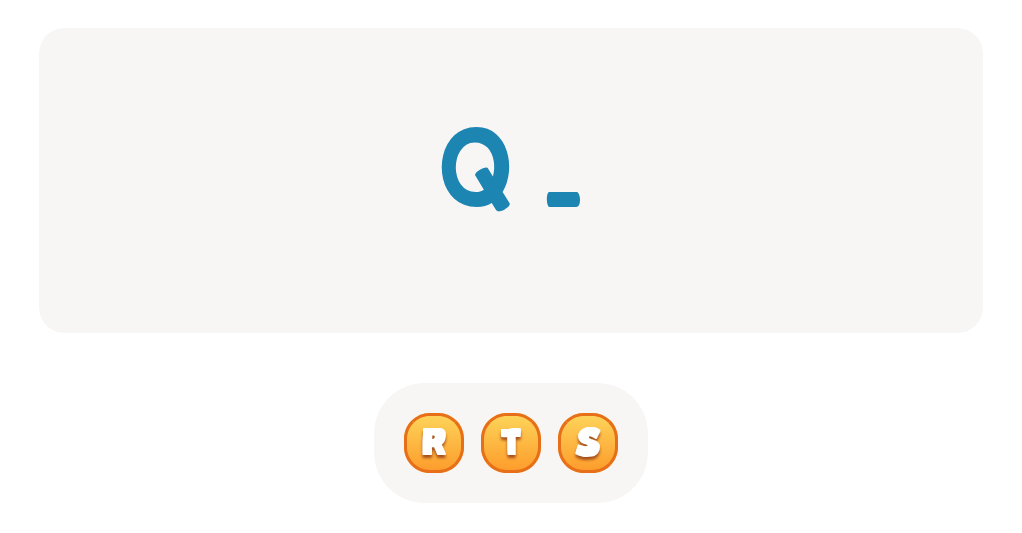
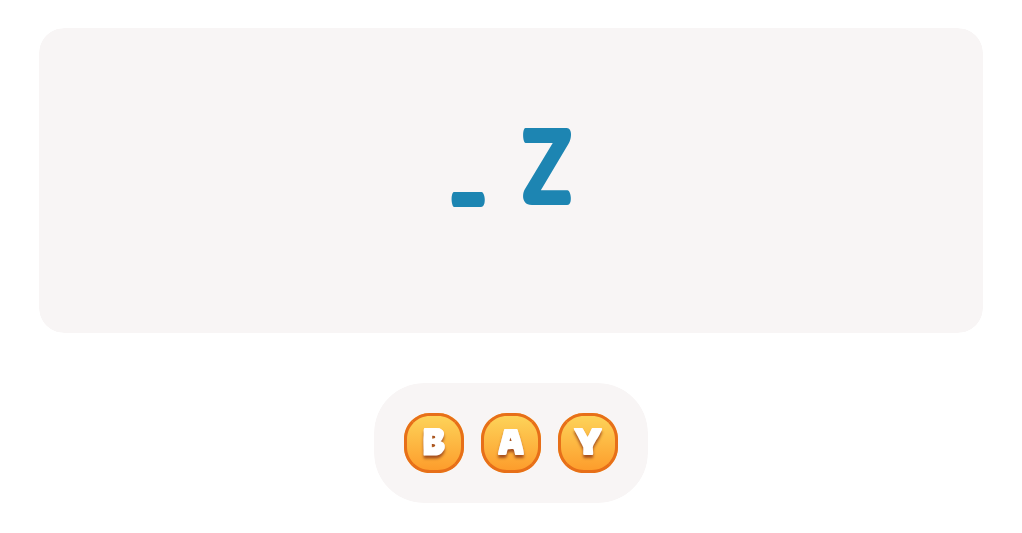
Boost your child's alphabet mastery with our "Alphabet Recognition Extra Challenge ABC Order Worksheets"! Designed for ages 5-8, these engaging printables make learning fun as kids practice putting letters in alphabetical order. Perfect for enhancing early literacy skills, each worksheet challenges young minds to think critically and recognize letter sequences. Tailored to keep children motivated, these exercises promote confidence and proficiency in alphabet recognition. Elevate your child’s learning journey today with our expertly crafted worksheets, available for free. Ideal for both home and classroom use, these activities set the foundation for lifelong reading success!
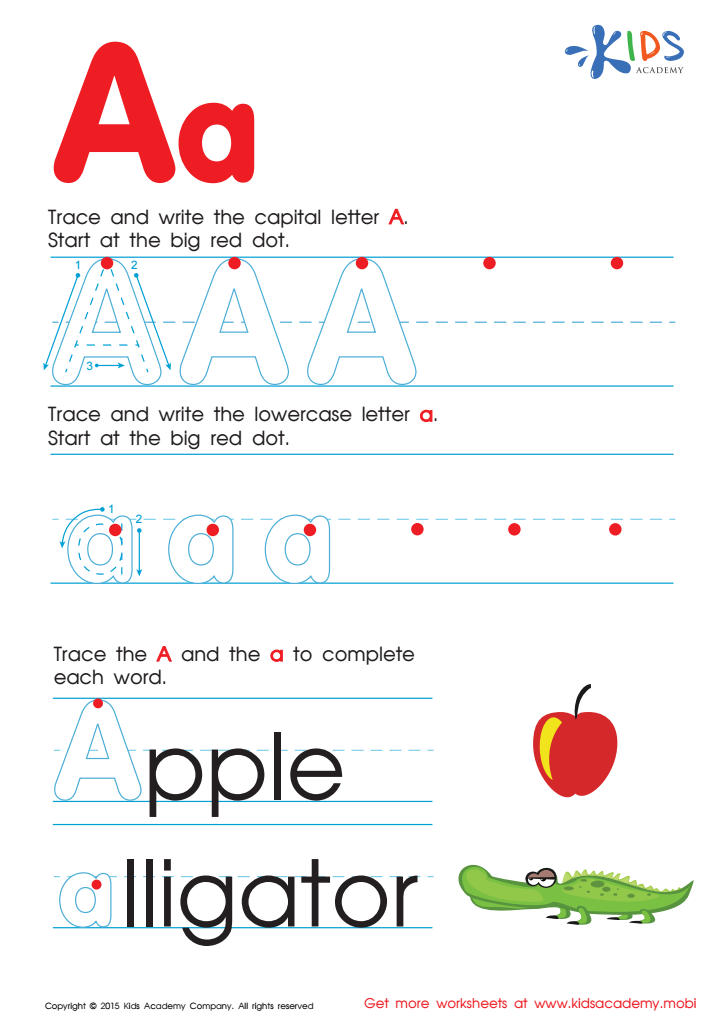
Letter A Tracing Page
 Assign to My Students

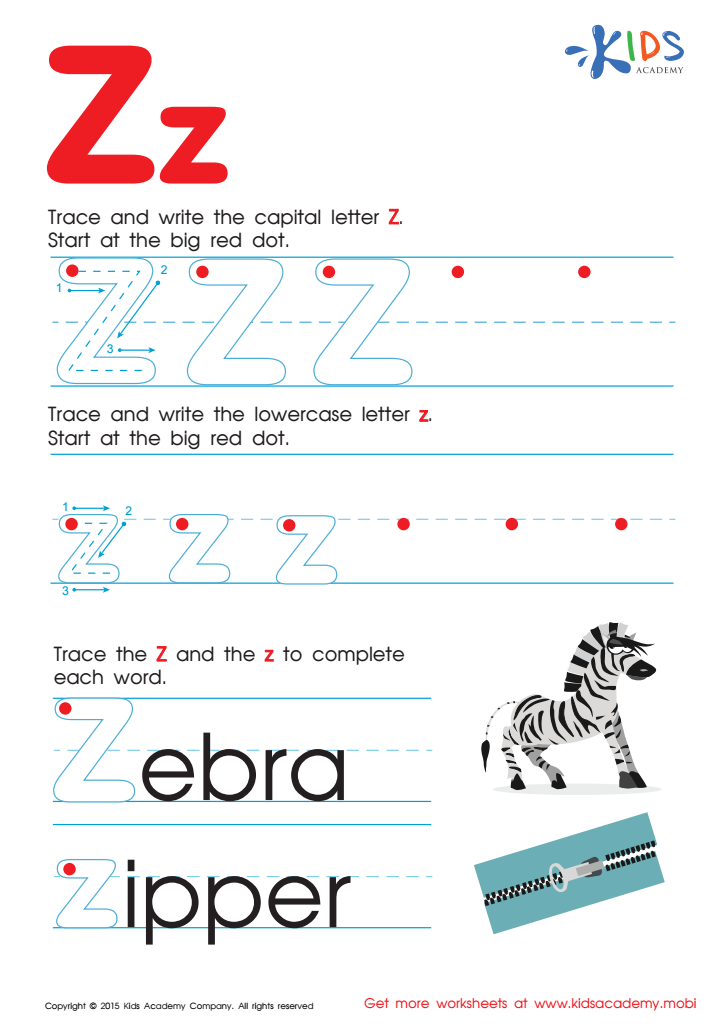
Letter Z Tracing Page
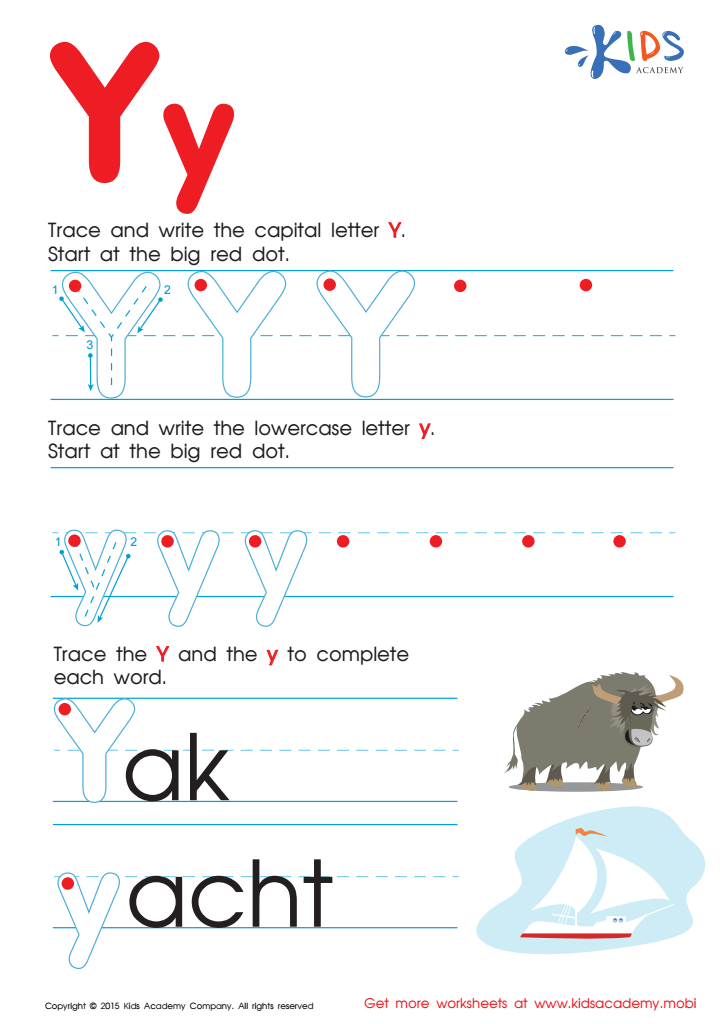
Letter Y Tracing Page







Parents and teachers should care about Alphabet Recognition Extra Challenge ABC Order for ages 5-8 because it lays a critical foundation for early literacy skills. At this stage, children are in the formative years of learning how to read and write, making alphabet recognition and proper ordering paramount. By actively engaging them in these tasks, you are not just teaching them the letters; you are teaching the basics of phonemic awareness, an essential precursor to reading fluendce.
Moreover, understanding alphabetical order enhances a child's cognitive skills such as memory, sequencing, and attention to detail. These skills are indispensable for a variety of future academic subjects and problem-solving scenarios. The exercise helps to improve fine motor skills through the manipulation of letters, whether through writing or using educational tools like magnetic letters or alphabet puzzles.
Additionally, early mastery of the alphabet and its order fosters independence and confidence. Children who can independently recognize, sequence, and even form simple words typically feel more confident and are more likely to participate actively in classroom activities. This early sense of accomplishment can motivate them to tackle more complex literacy-related tasks without hesitation.
By making alphabet recognition and ABC order a fun and challenging game, parents and teachers can instill a love of learning and build a strong literacy foundation crucial for educational success.








