Categorization skills Extra Challenge Worksheets for Ages 5-8
5 filtered results
-
From - To
Discover our engaging Categorization Skills Extra Challenge Worksheets designed for children ages 5-8! These worksheets are perfect for helping young learners develop essential categorization skills through fun and interactive activities. Each sheet encourages critical thinking as kids sort, classify, and group various items based on common attributes. Ideal for classroom learning or at-home practice, these challenges boost cognitive development while keeping students entertained. With vibrant visuals and age-appropriate content, our worksheets foster creativity and enhance understanding of relationships among objects. Give your child the advantage they need to succeed in their educational journey with our Categorization Skills worksheets!
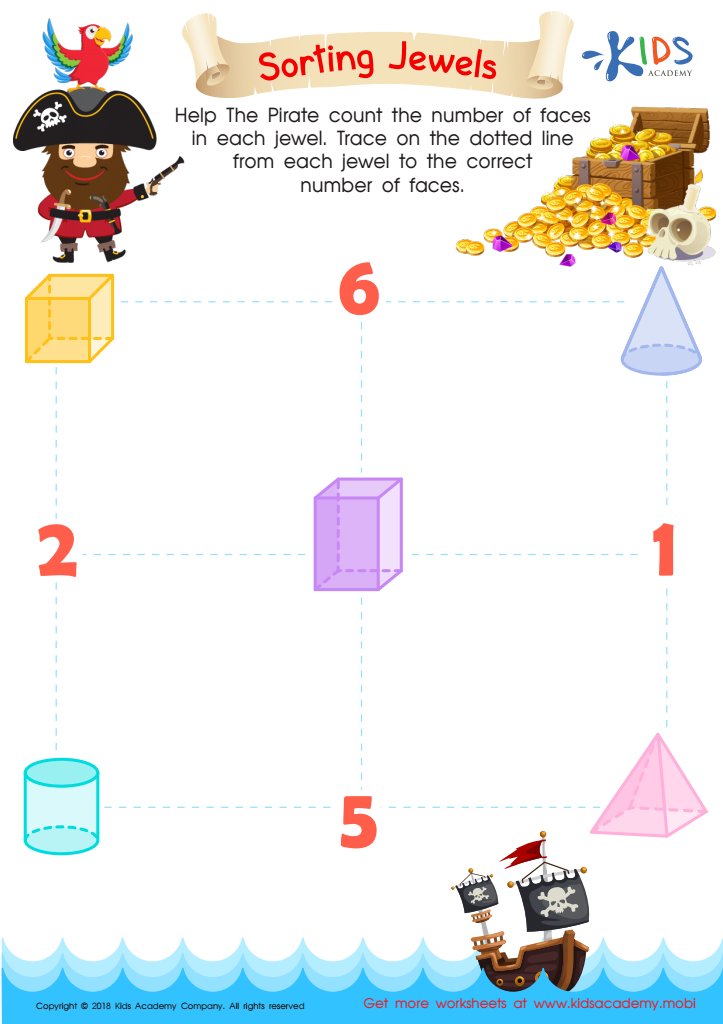
Sorting Jewels Worksheet
 Assign to My Students
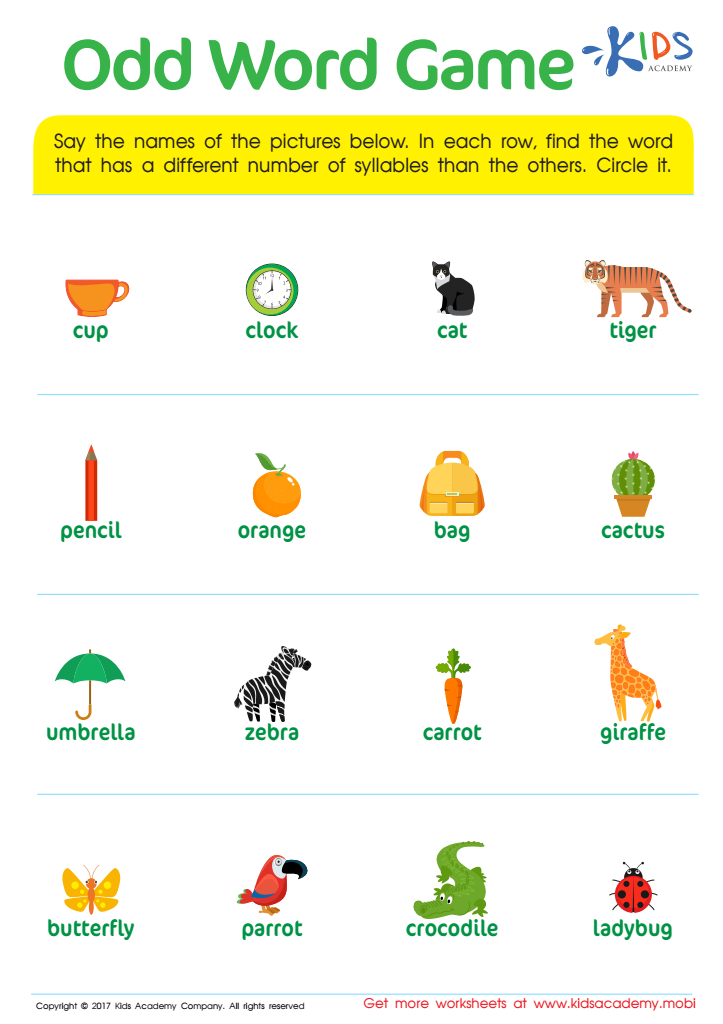
Count Syllables: Odd Word Game Worksheet
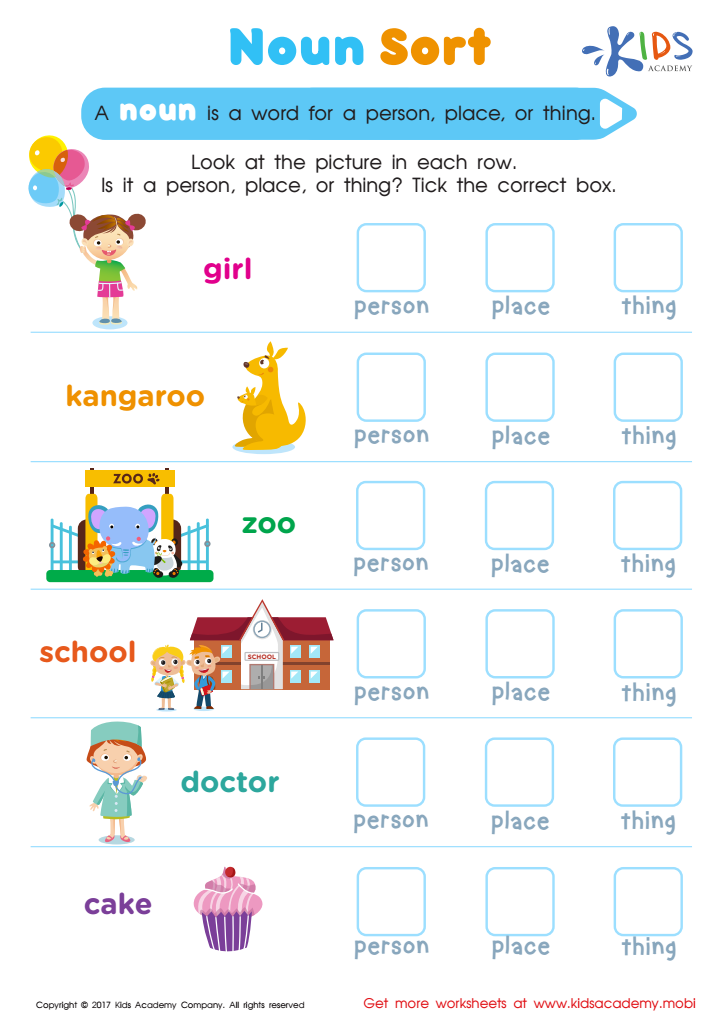
Noun Sort Printable
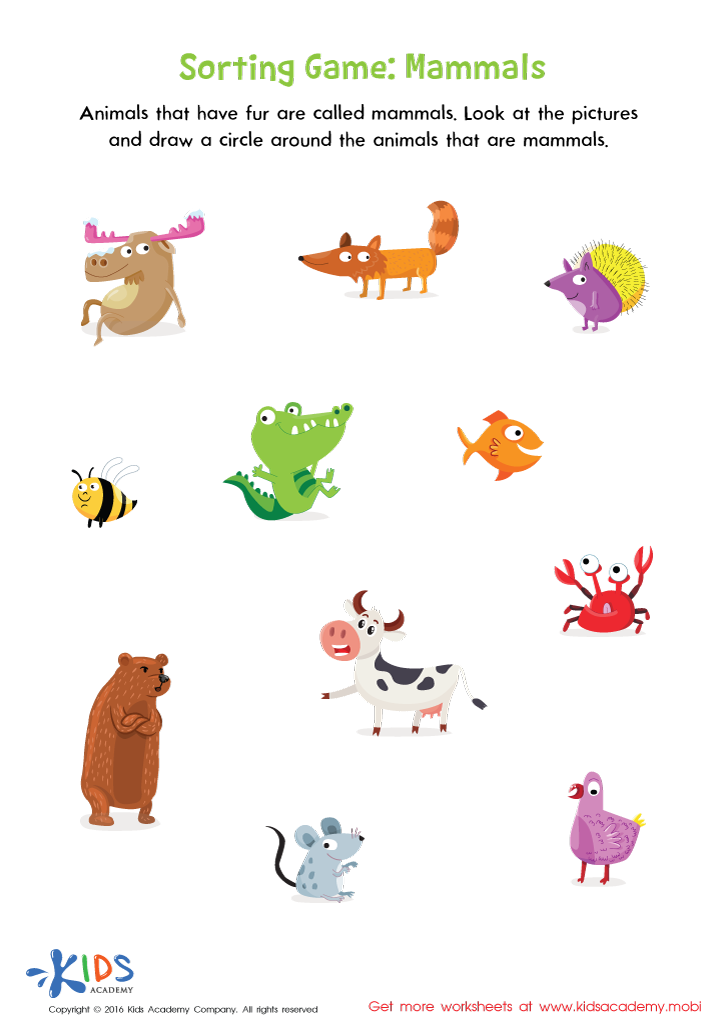
Mammals Sorting Worksheet
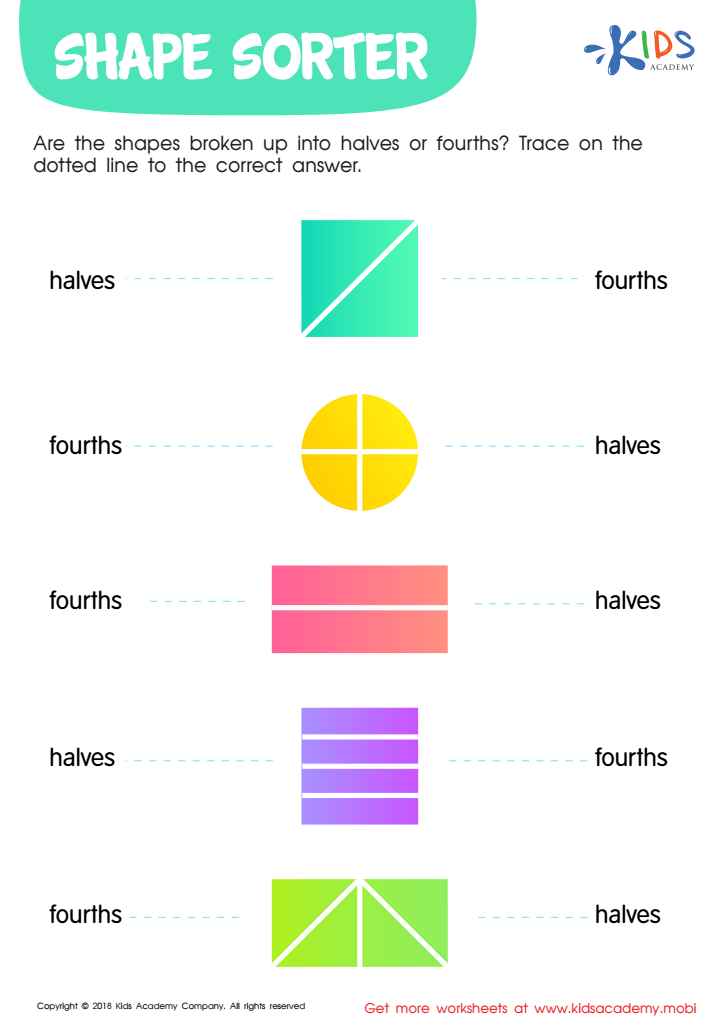
Shape Sorter Worksheet


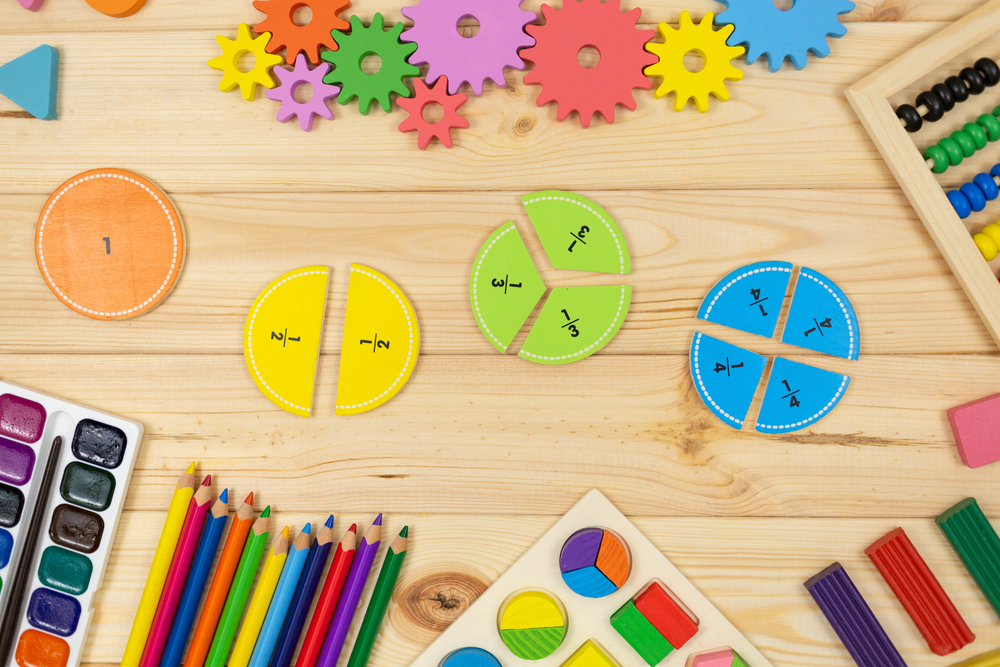

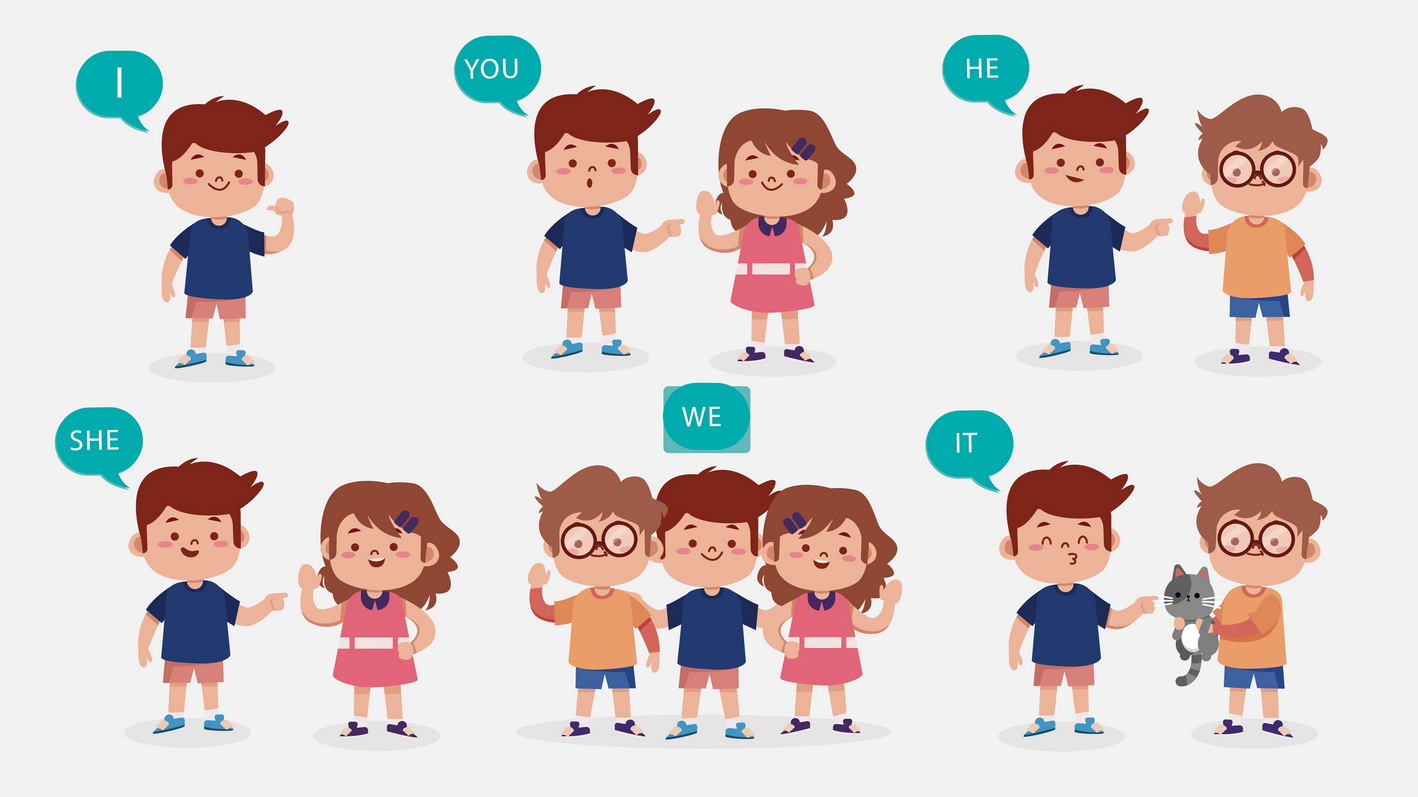
.jpg)

Categorization skills are essential for young children's cognitive development, and parents and teachers should prioritize activities that enhance these abilities, especially for ages 5-8. At this age, children begin to make sense of the world by grouping objects, ideas, and experiences based on shared characteristics. This foundational skill aids in critical thinking, problem-solving, and language development, enabling children to express themselves more clearly.
Furthermore, categorization supports early math skills, as children learn to identify patterns and relationships among objects. It lays the groundwork for more complex concepts such as classification and organization, which they will encounter in school and everyday life. By engaging children in extra challenges that involve categorizing items—such as sorting shapes, colors, animals, or words—parents and teachers foster intuitive learning while making it enjoyable.
Beyond academic skills, strong categorization abilities enhance children's decision-making and social skills. They learn to understand how different elements relate to one another, developing a more nuanced view of the world. By focusing on these activities, educators and caregivers can equip children to navigate their environment, think more robustly, and improve their self-confidence, ultimately paving the way for lifelong learning and adaptation.








