Observational skills Extra Challenge Worksheets for Ages 5-8
3 filtered results
-
From - To
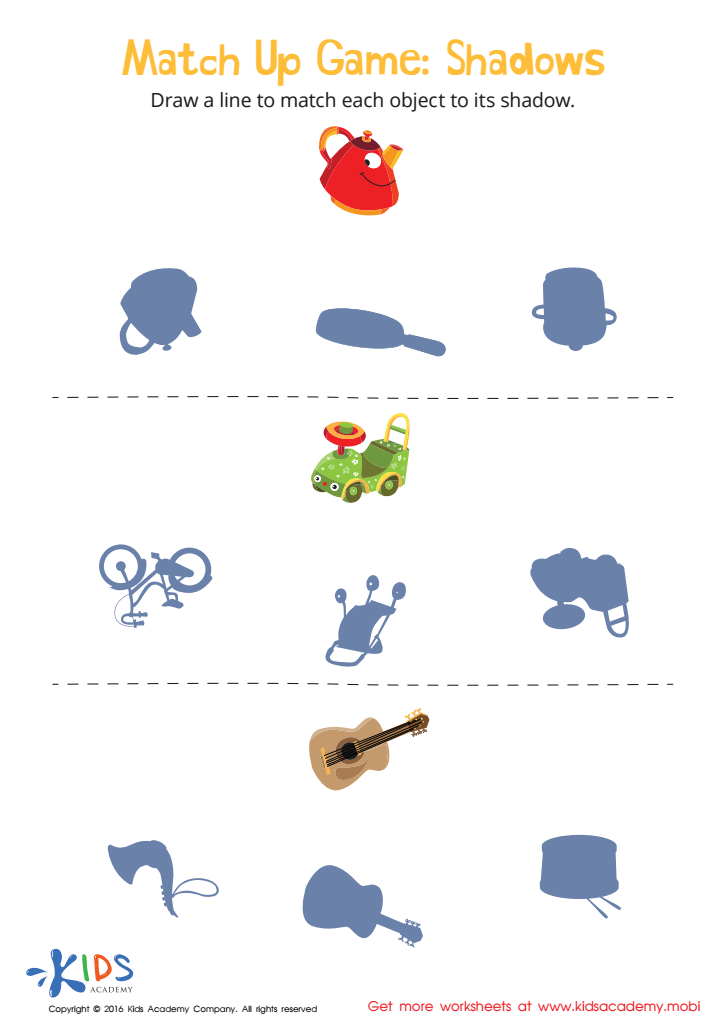
Boost your child's observational prowess with our "Observational Skills Extra Challenge Worksheets for Ages 5-8"! Perfect for young detectives, these engaging printables inspire critical thinking, enhance attention to detail, and nurture problem-solving skills. With a delightful mix of pictures, puzzles, and activities, children will eagerly search, spot differences, and discover hidden elements. Tailored for ages 5-8, these worksheets make learning both enjoyable and challenging, ensuring kids stay motivated and excited. Ideal for home or classroom use, they support essential developmental milestones while sparking curiosity. Explore our collection today and watch your child's observational skills soar!
 Assign to My Students
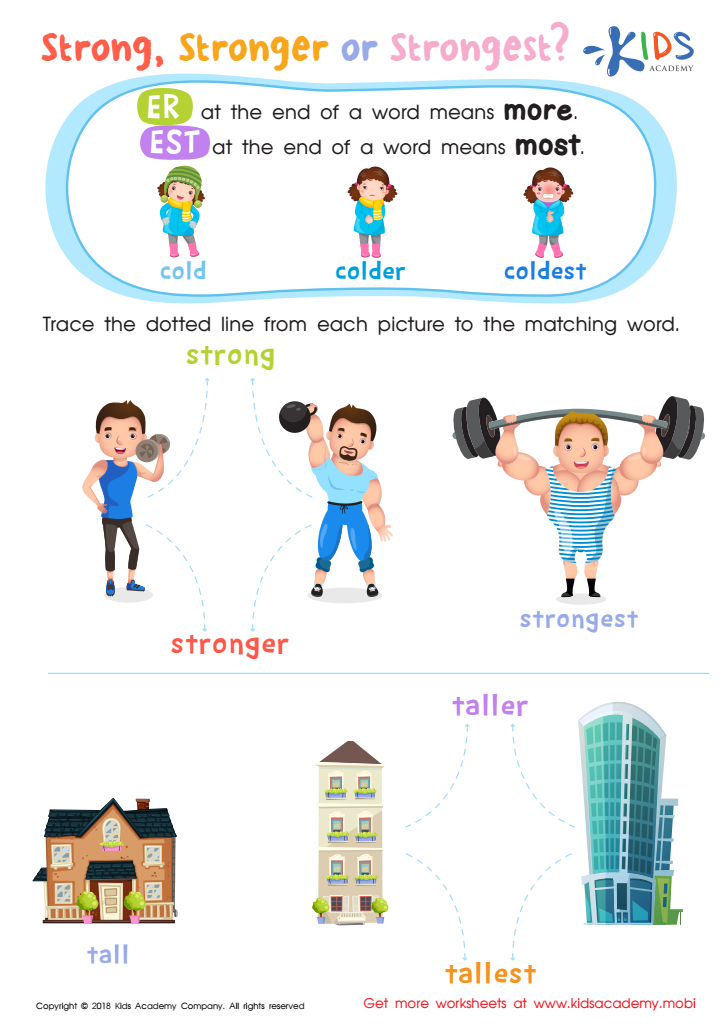
Strong or Stronger? Worksheet
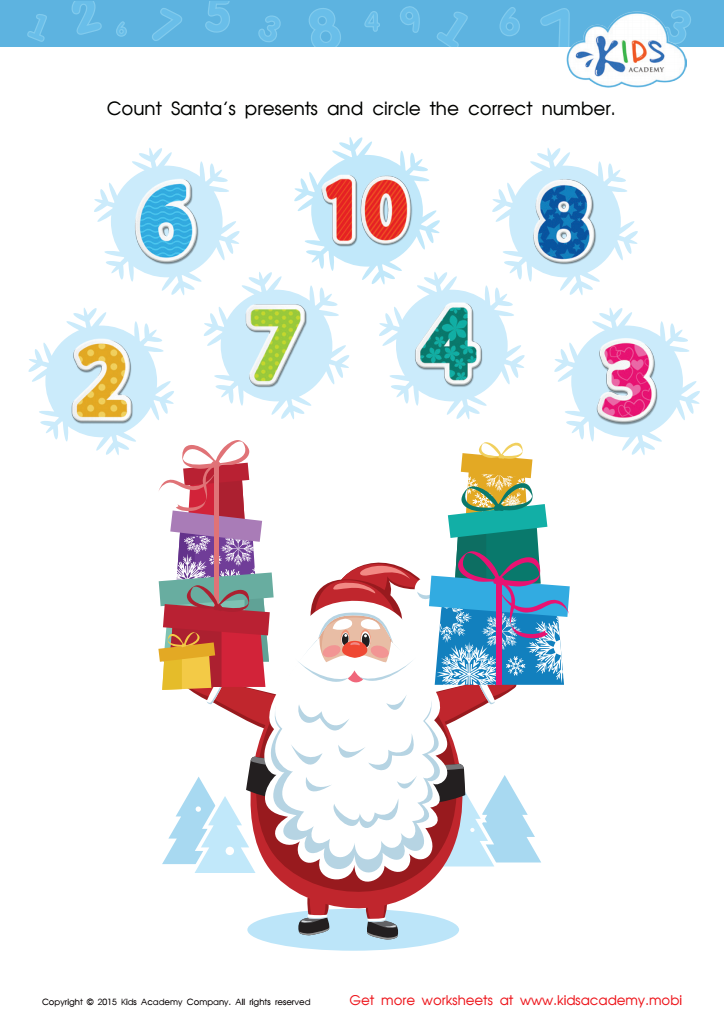
Count Santa's Presents Worksheet





Observational skills are crucial for young children, particularly those aged 5-8, as they lay the foundation for effective learning and cognitive development. Parents and teachers should prioritize nurturing these skills because they enhance a child's ability to notice details, patterns, and differences in their environment. This early focus not only sharpens critical thinking but also improves memory and attention to detail, which are essential for academic success.
When children engage in extra challenges designed to boost observational skills, they learn to concentrate and focus, staying better organized in tasks. For example, spotting differences in pictures or identifying objects in a room cultivates a keener eye for detail, making children more adept at tasks like reading and problem-solving as they can notice small but important details in texts and instructions.
Moreover, strong observational skills are linked to better social interactions. By observing facial expressions and body language, children can develop empathy and improve their ability to communicate and interact with peers effectively. This boosts their emotional intelligence, enabling them to build stronger, more meaningful relationships.
In essence, by focusing on extra challenges to enhance observational skills, parents and teachers are setting the stage for a well-rounded developmental journey that amalgamates academic, social, and emotional growth, preparing children for lifelong learning and success.








