Fine Motor Skills Extra Challenge Math Worksheets for Ages 5-8 - Page 2
32 filtered results
-
From - To
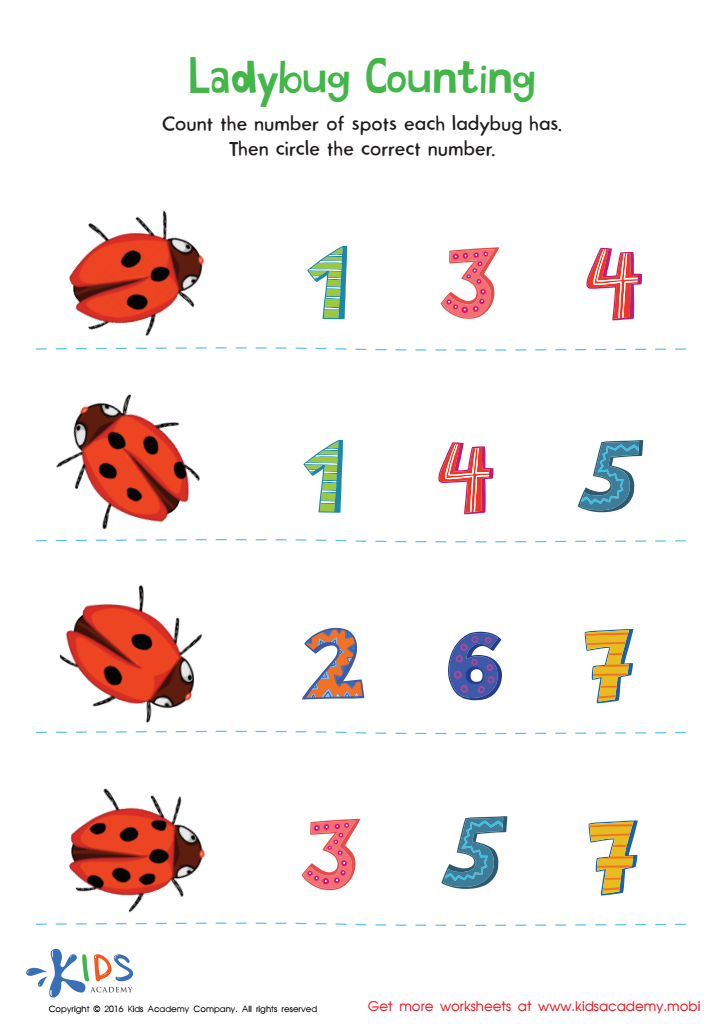
 Assign to My Students
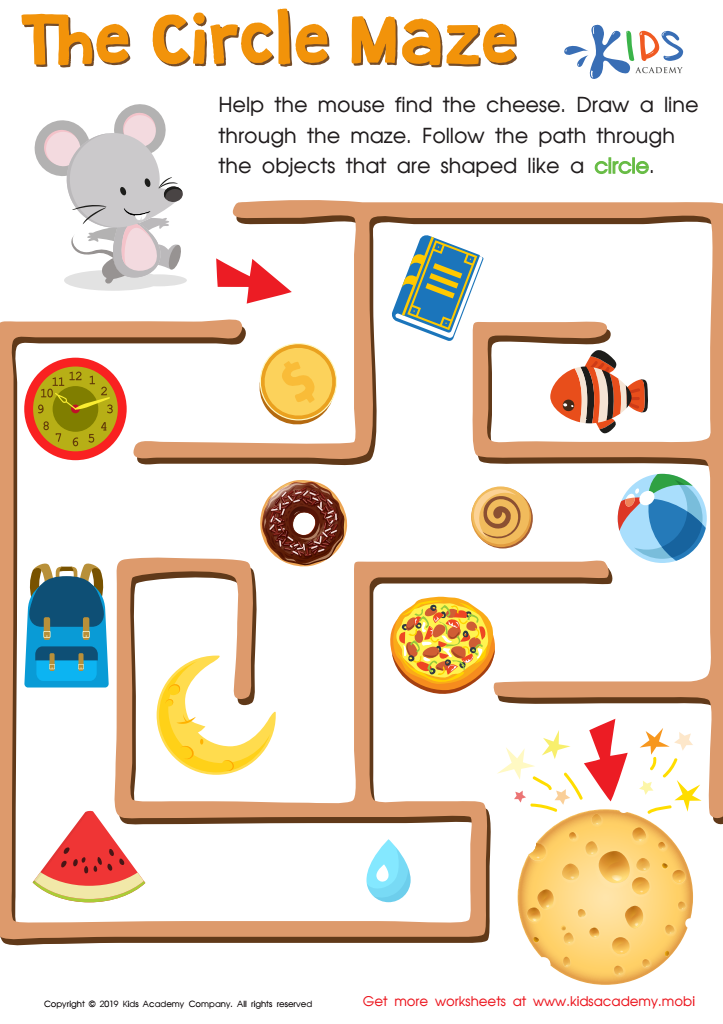
The Circle Maze Worksheet
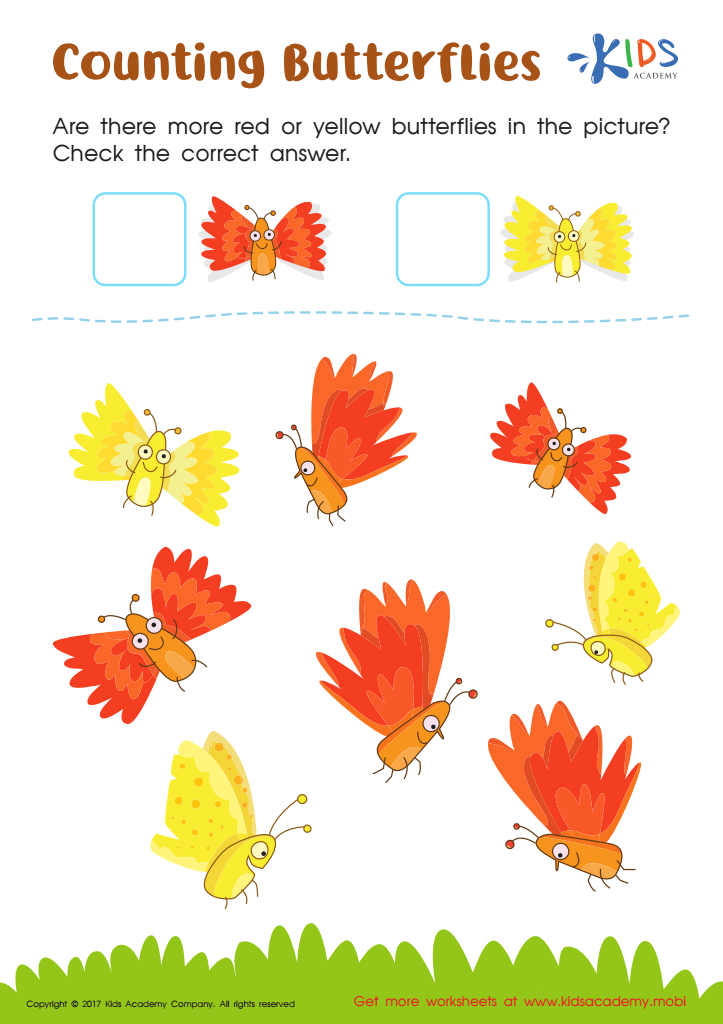
Counting Butterflies Worksheet

Pirate Ship Connect Dots Worksheet
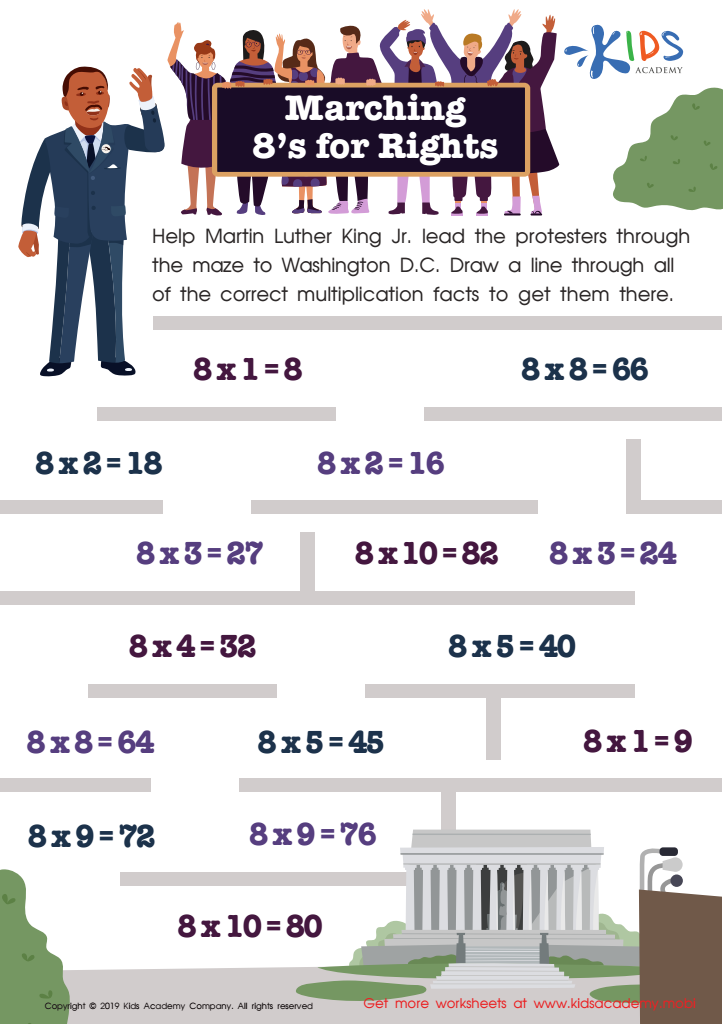
Marching 8’s for Rights Worksheet
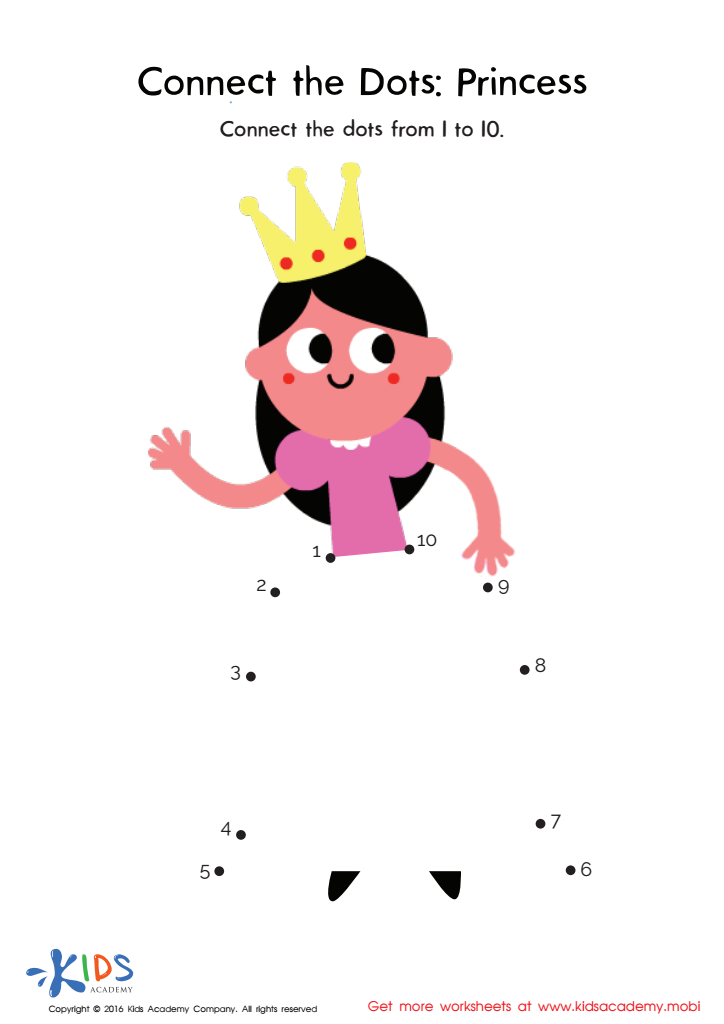
Princess Connect Dots Worksheet
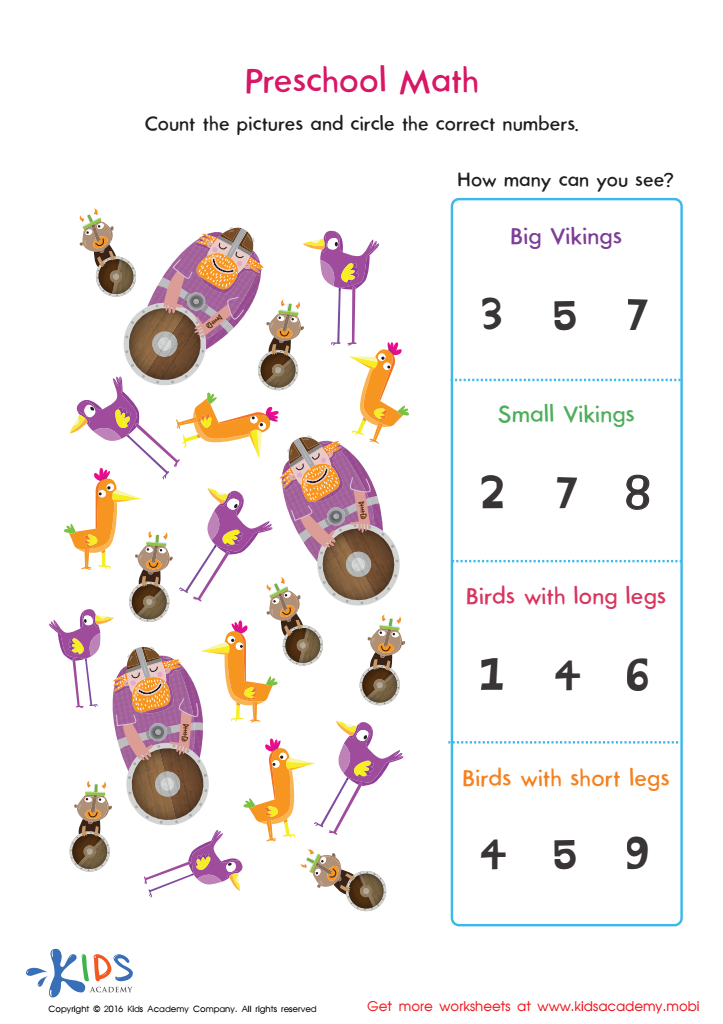
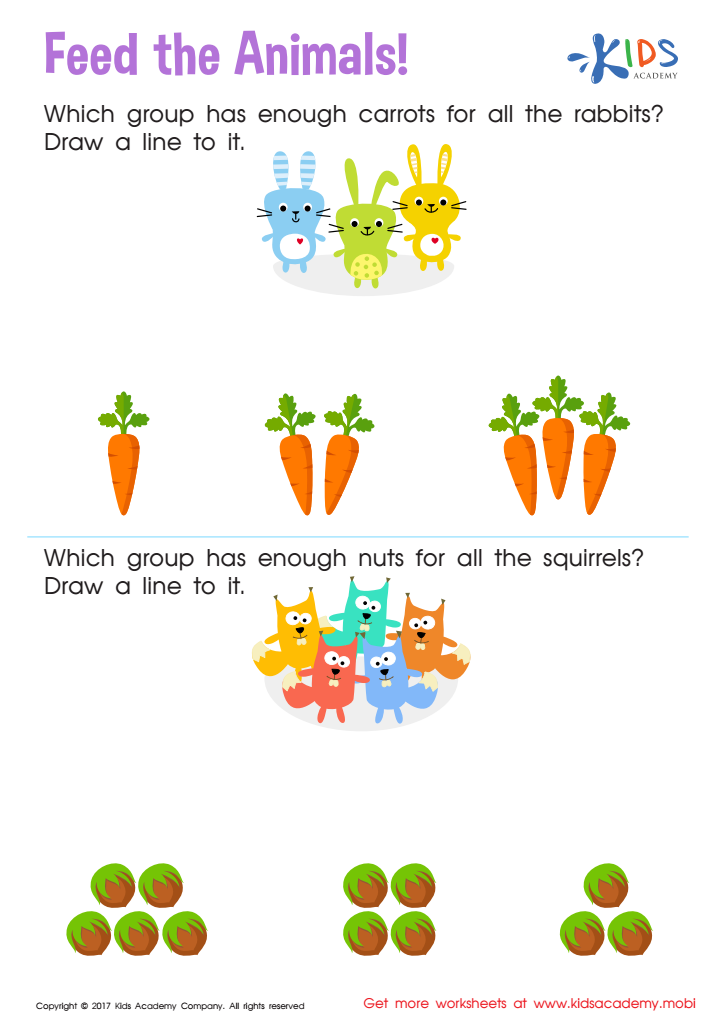
Count and Match: Feed the Animals Worksheet








Fine motor skills are crucial for young children's overall development, especially in enhancing their capacity to learn math concepts effectively. For ages 5-8, the integration of fine motor skills with math fosters better precision and coordination in tasks such as counting, measuring, and manipulating objects. This age group engages in activities like cutting shapes, threading beads, and sorting objects, which not only refine their hand-eye coordination but also reinforce fundamental math concepts such as patterns, sorting, and spatial awareness.
Incorporating extra challenge math activities focusing on fine motor skills can significantly motivate and engage learners. It offers structured opportunities for children to explore mathematical ideas hands-on, promoting deeper understanding and retention. For parents and teachers, embracing these kinds of activities helps address the learning needs of children at different developmental stages, ensuring that they are both challenged and supported.
Additionally, strengthening fine motor skills during these formative years lays a solid foundation for future academic success and self-confidence in subjects like math. This ultimately equips children with essential problem-solving abilities and makes learning enjoyable, nurturing a positive attitude toward education that can last a lifetime. Thus, prioritizing fine motor skills in math curriculum is key for holistic growth in young learners.








