
Fraction representation Extra Challenge Math Worksheets for Ages 5-8
3 filtered results
Difficulty Level
Grade
Age
-
From - To
Subject
Activity
Standards
Welcome to our Fraction Representation Extra Challenge Math Worksheets, specifically designed for young learners ages 5-8! These engaging and interactive worksheets introduce basic fractions using fun visuals and relatable themes. Your child will develop a solid understanding of fractions through various exercises that encourage critical thinking and problem-solving skills. Each worksheet offers a unique challenge to promote excitement in learning and master this foundational math concept. Ideal for classroom use or at-home learning, these worksheets are perfect for reinforcing math skills and building confidence. Explore the world of fractions with our extra challenges today and watch your child thrive!
Favorites
With answer key
Interactive
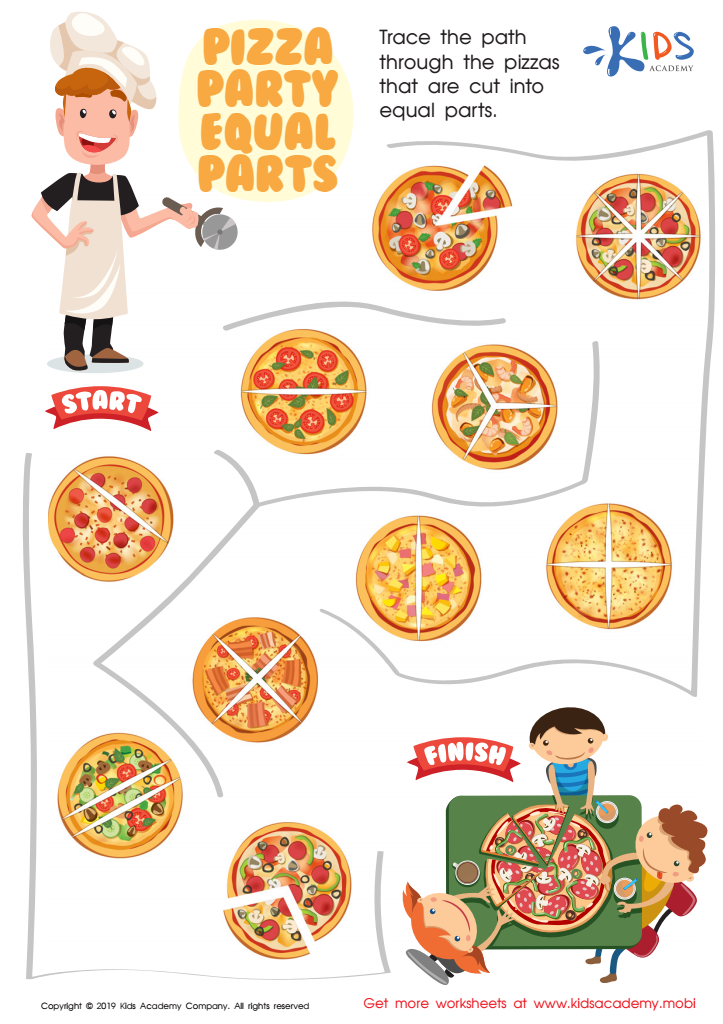
Pizza Party Equal Parts Worksheet
Love pizza? This printout is a great way to help kids learn about equal parts! Kids must identify pizzas cut into equal parts, then trace the path through the pizzas. It's an exciting maze - and a great way to help kids learn! Get the traceable pdf today and let the fun begin!
 Assign to My Students
Pizza Party Equal Parts Worksheet
Worksheet
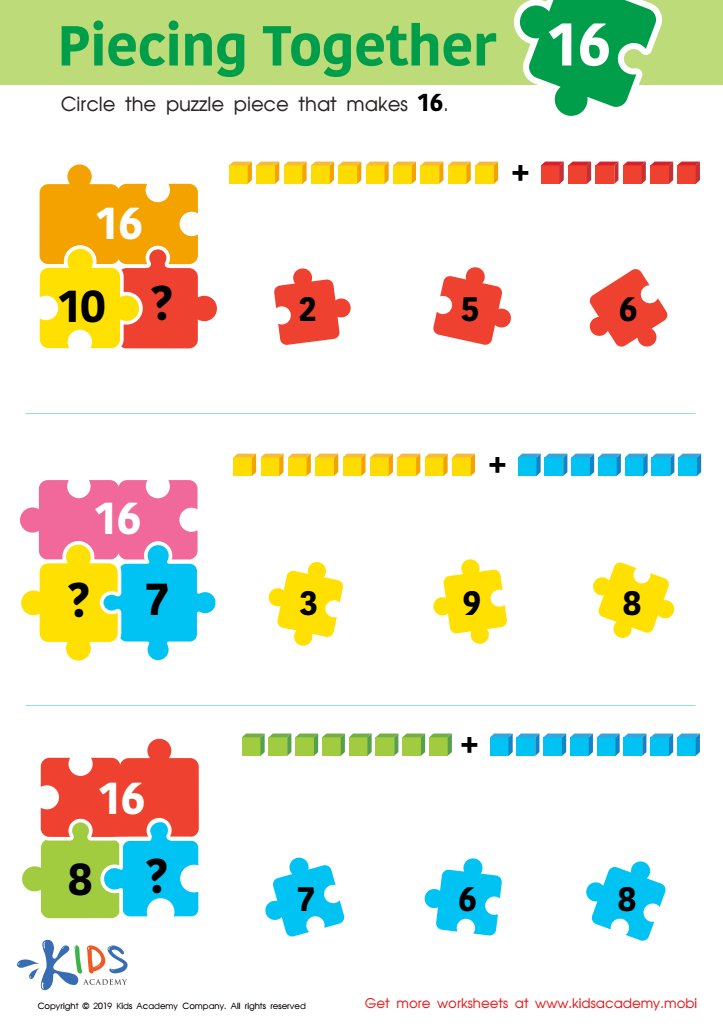
Piecing Together 16 Worksheet
Combine learning with fun using this colorful worksheet! Ask your preschoolers what they see in the picture, then help them solve the mathematical equations on the puzzle pieces. One equation is missing on each; have them circle the piece that will make the bottom puzzle piece numbers equal 16. Use puzzles and bright colors to teach - it's one of the best ways your kids can learn!
Piecing Together 16 Worksheet
Worksheet
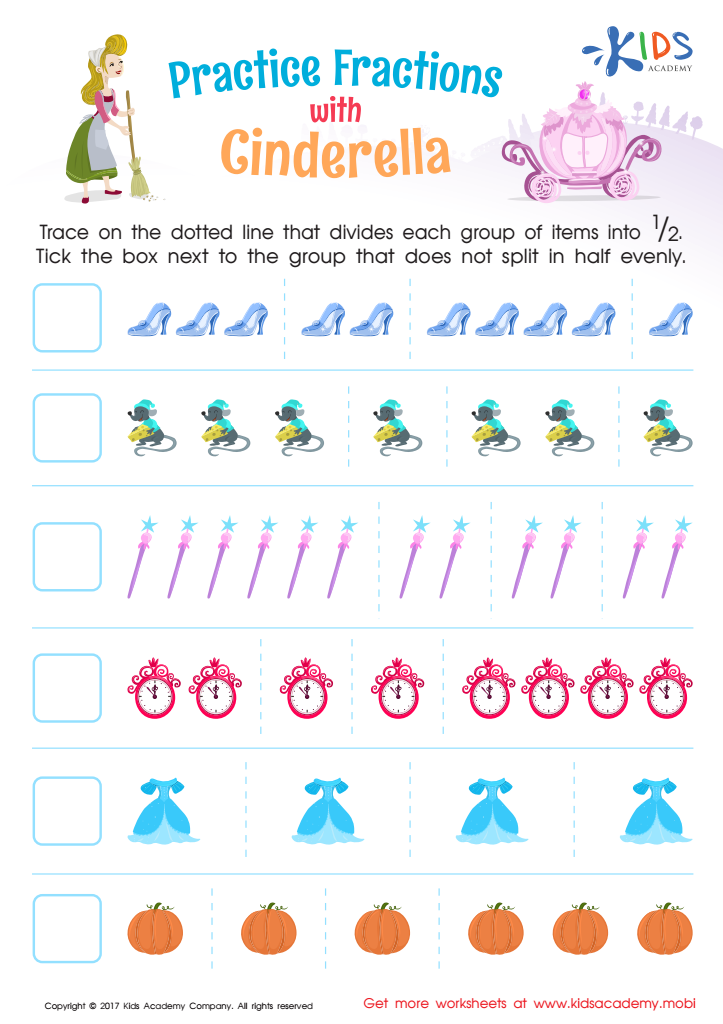
Fractions: Cinderella Printable
Cinderella and ½ are the perfect pair to excite your child about learning fractions.
Fractions: Cinderella Printable
Worksheet
Join Kids Academy for Free
Who is primarily going to use this learning content?





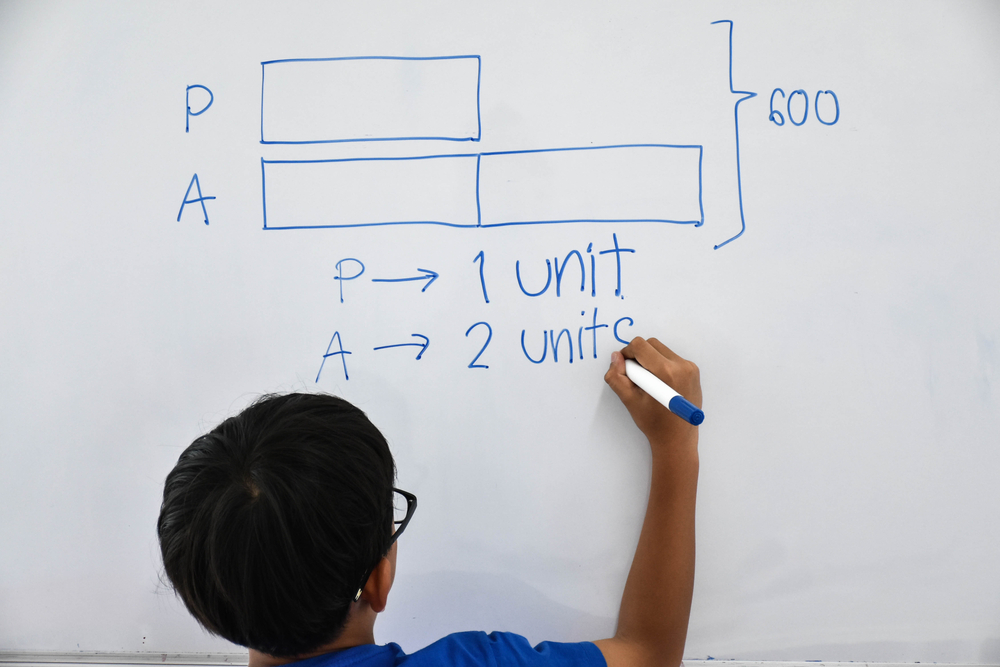


Understanding fraction representation is crucial for young learners aged 5-8, as it lays the foundation for their future math skills. Parents and teachers should emphasize this concept because it nurtures critical thinking and problem-solving abilities. Early exposure to fractions helps children comprehend parts of a whole, which is essential in everyday life, from sharing food to understanding measurements.
Moreover, mastery of fractions enhances children's ability to grasp more complex mathematical notions, such as mixed numbers and ratios, much later in their academic journey. By engaging with fraction representation, children also enhance their spatial awareness, allowing for better visualization of relationships between numbers and shapes.
Additionally, making fractions relatable in real-life contexts fosters a deeper understanding, making learning more engaging and enjoyable for young learners. Incorporating Extra Challenge Math activities tailored for this age group promotes cooperative learning and communication skills, as children often work through problems together. This collaborative aspect cultivates a positive attitude toward math, encouraging an environment where mistakes are seen as learning opportunities.
For these reasons, parents and teachers should prioritize effective fraction representation; it not only builds essential mathematical skills but also cultivates confidence and a curious mindset in young learners.








