Letter recognition Extra Challenge Reading Worksheets for Ages 5-8
3 filtered results
-
From - To
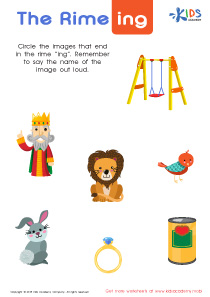
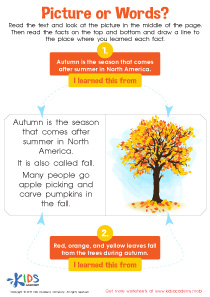
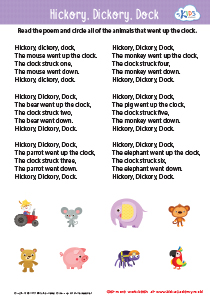
Boost early literacy skills with our "Letter Recognition Extra Challenge Reading Worksheets" tailored for children ages 5-8. Designed to enhance foundational reading abilities, these engaging and challenging activities focus on letter identification, reinforcing phonemic awareness and letter-sound correspondence. Ideal for young learners ready to progress beyond basics, our worksheets stimulate critical thinking and foster a love for reading. Parents and educators will find these resources invaluable for supplementing classroom instruction or enhancing homeschooling curriculums. Equip your child with the tools to excel in reading with Kids Academy’s expert-designed letter recognition challenges.
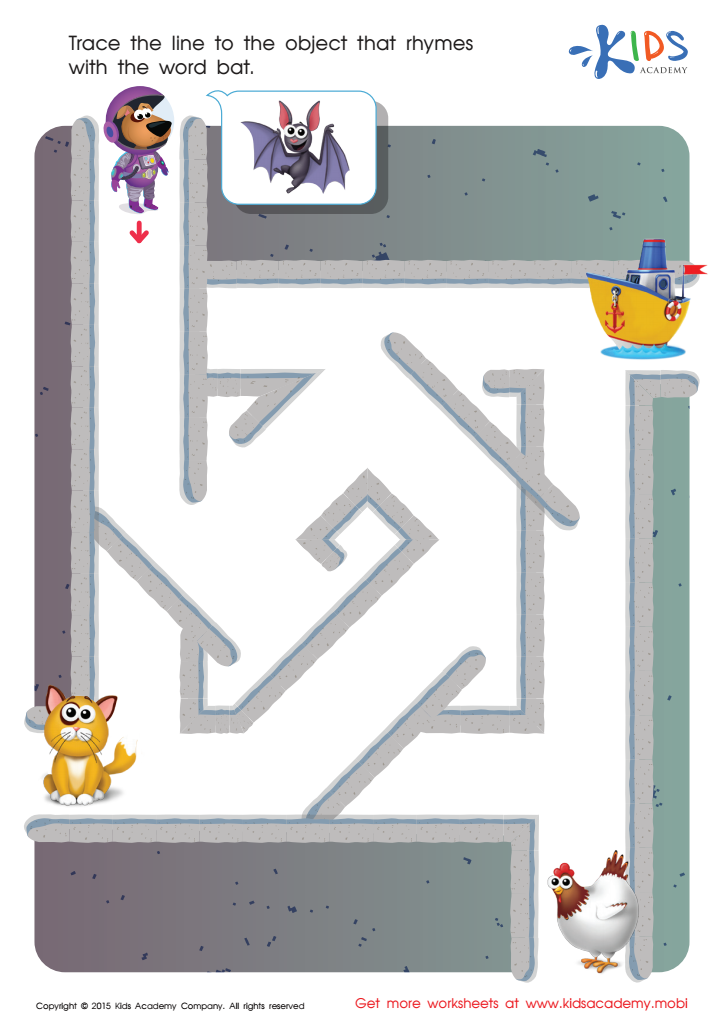
Bat Rhyming Words Worksheet
 Assign to My Students
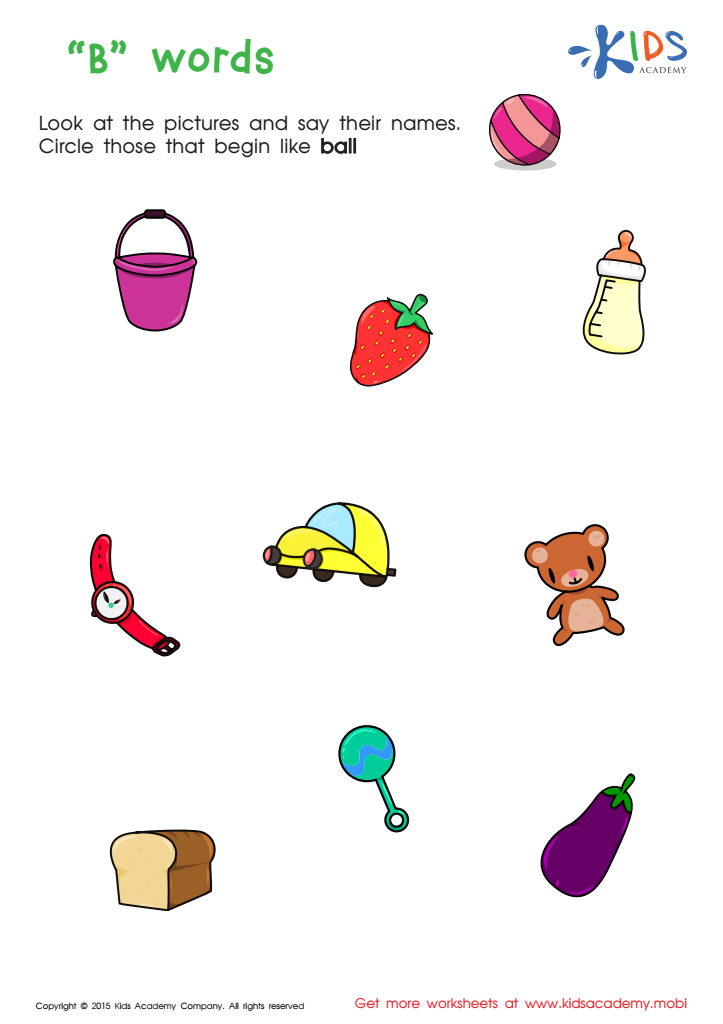
First Words Worksheet
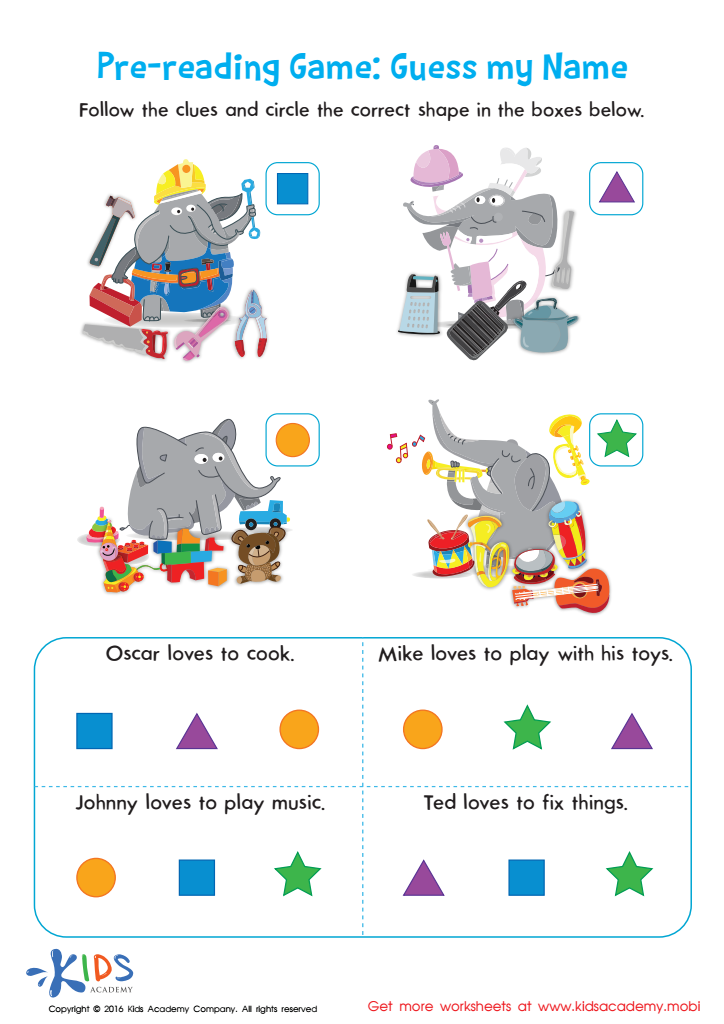
Pre Reading Worksheet Guess My Name






.jpg)

Letter recognition is a fundamental skill for early readers, and the extra challenge reading activities for ages 5-8 take this essential ability to the next level. During these formative years, children are at a critical stage of cognitive development, making it the perfect time to embed strong literacy foundations. Here's why parents and teachers should care:
-
Boosts Confidence: Engaging with more challenging letter recognition tasks helps build a child's confidence. As they master recognizing letters in different contexts and formats (e.g., uppercase, lowercase, fonts), their self-assurance in reading abilities grows.
-
Improves Literacy Skills: Mastery of letter recognition is often a precursor to successful reading. By reinforcing these skills through extra challenges, children show improved phonemic awareness, phonics skills, and ultimately, enhanced overall reading skills including fluency and comprehension.
-
Encourages Engagement: Extra challenges keep reading fun and engaging. They often include games, puzzles, and interactive tasks, catching and holding the interest of young learners and fostering a positive attitude towards reading and learning.
-
Closes Learning Gaps: Not all children progress at the same rate. Extra challenges can provide the necessary practice for those struggling, ensuring they do not fall behind and keeping advanced children stimulated.
-
Parental Insight: These activities offer insights for parents into their child's learning progress, strengths, and areas needing improvement.