Reading comprehension Extra Challenge Social Studies Worksheets for Ages 5-8
8 filtered results
Difficulty Level
Grade
Age
-
From - To
Subject
Activity
Standards
Enhance your child’s learning journey with our "Reading Comprehension Extra Challenge Social Studies Worksheets" designed for ages 5-8. These engaging worksheets encourage young learners to dive deeper into social studies concepts while improving their reading skills. Each worksheet includes age-appropriate texts followed by thought-provoking questions that challenge students to think critically and infer solutions. Perfect for home or classroom use, these resources promote independent learning, support comprehension, and develop a love for reading. Foster your child's understanding of the world around them and bolster their literacy skills with our interactive and fun-filled challenges today!
Favorites
With answer key
Interactive
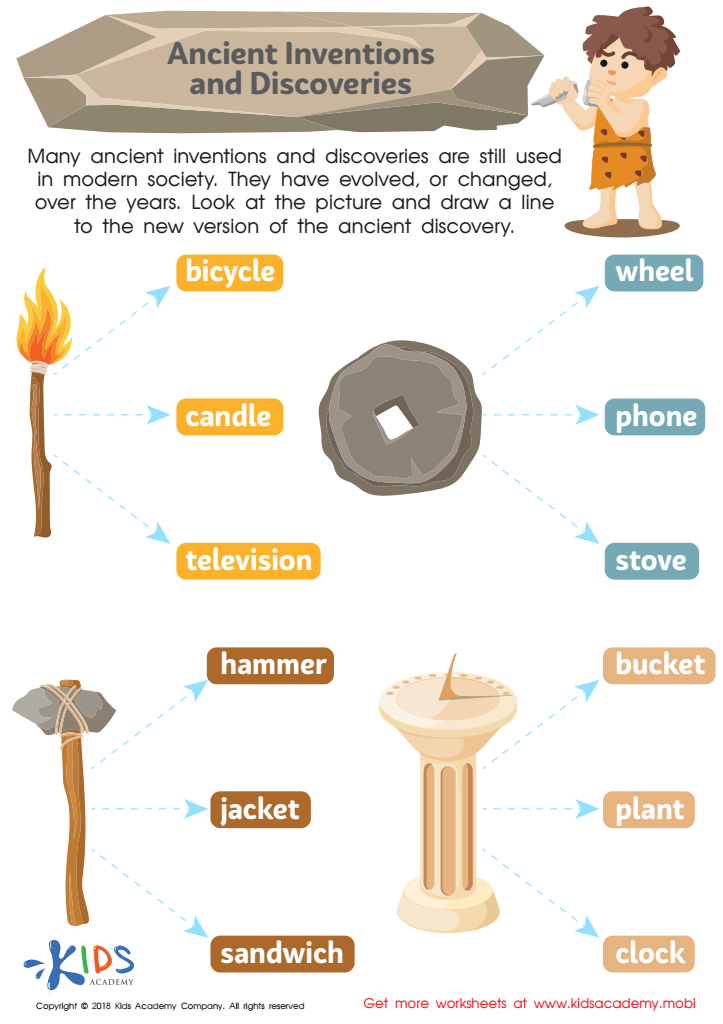
Ancient Inventions and Discoveries Worksheet
Kids may think inventions are high-tech, but many of the world's most important inventions are ancient! This Kids Academy worksheet helps kids learn about the wheel, clock, tools and candles - inventions that changed the world! Kids will simply review the pictures and trace the dotted lines to the right answers. Great for social studies!
 Assign to My Students
Ancient Inventions and Discoveries Worksheet
Worksheet
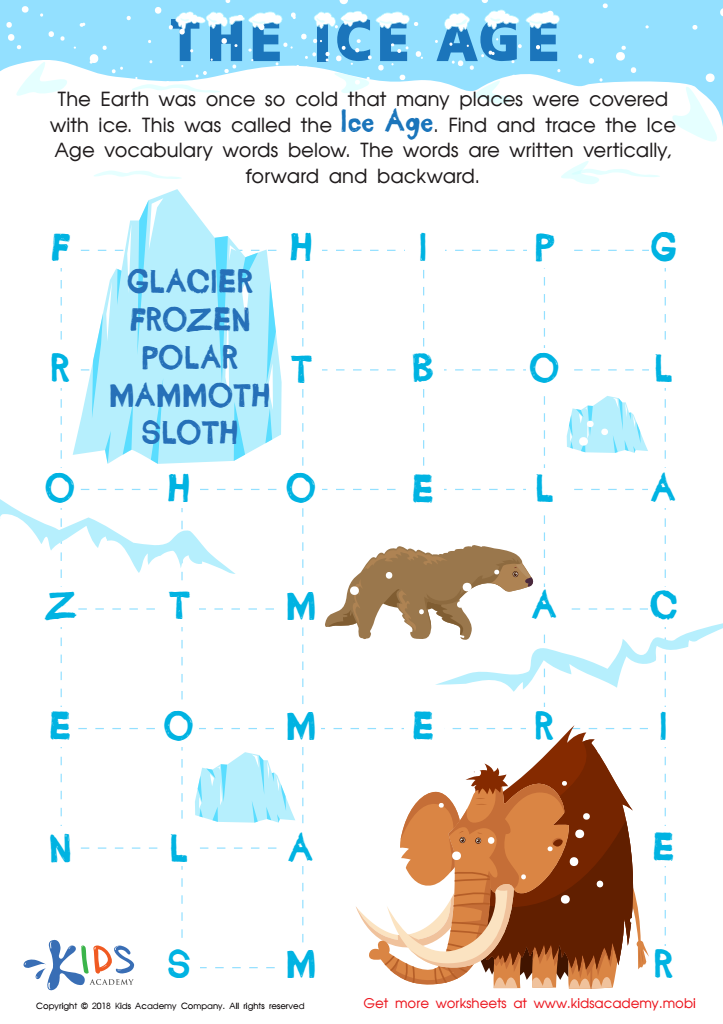
The Ice Age Worksheet
Let your child explore the Ice Age with this fun word search from Kids Academy! They can find words like glacier, frozen, polar, mammoth, and sloth. After finding each, discuss the meaning to help them build a better vocabulary and understanding of ancient history.
The Ice Age Worksheet
Worksheet
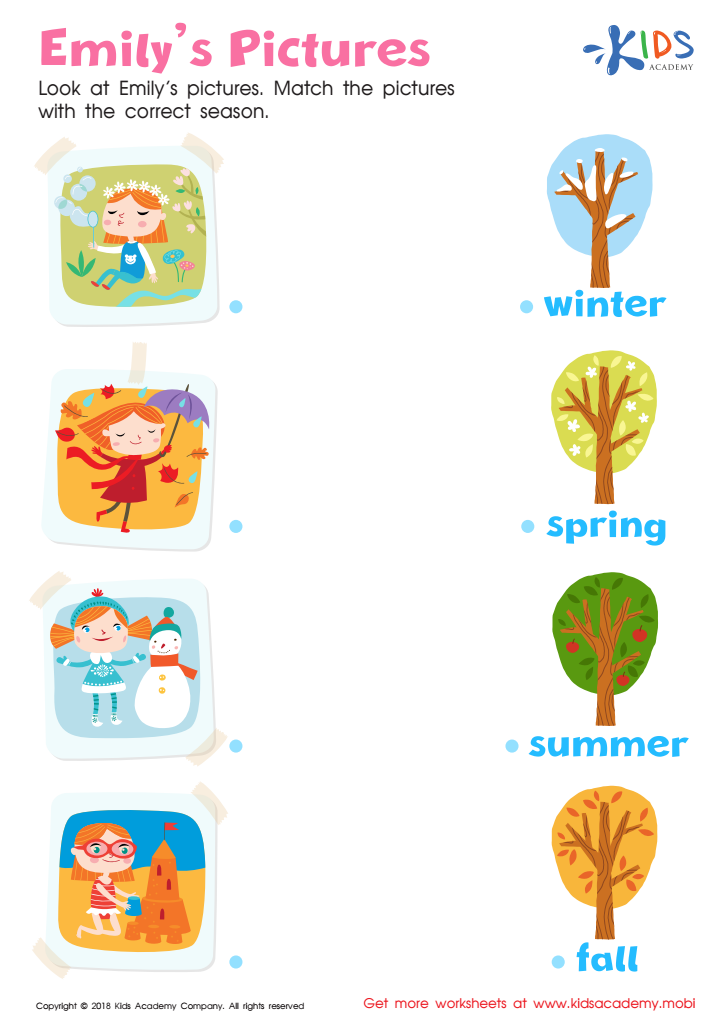
Emily's Pictures Worksheet
Look at the pictures of Emily on the left. Ask your child what she's doing in each one. Then, match the activities to the seasons on the right. Help your kids identify the correct season for each activity. Shorten to 80 words: Look at the pictures of Emily on the left. Ask your child what she's doing in each one, then match the activities to the seasons on the right. Help your kids find the correct season for each activity.
Emily's Pictures Worksheet
Worksheet
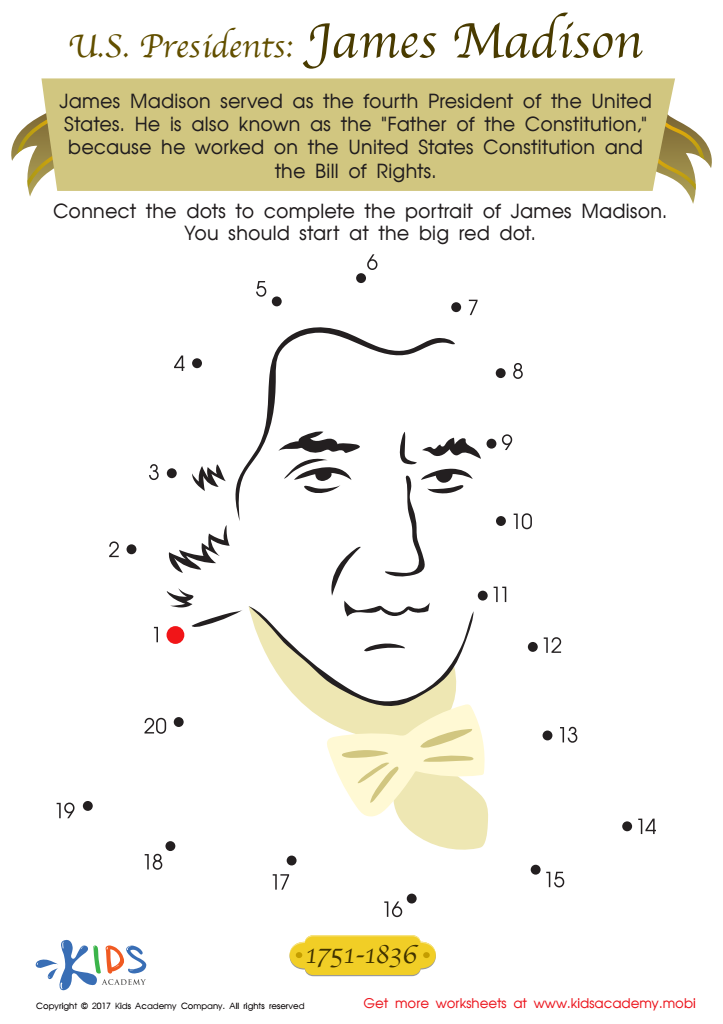
President Madison Printable
Introduce your child to the nation's fourth president, James Madison. This worksheet helps them learn about the "Father of the Constitution" and his contributions to American history. Discover Madison's legacy with your child today!
President Madison Printable
Worksheet
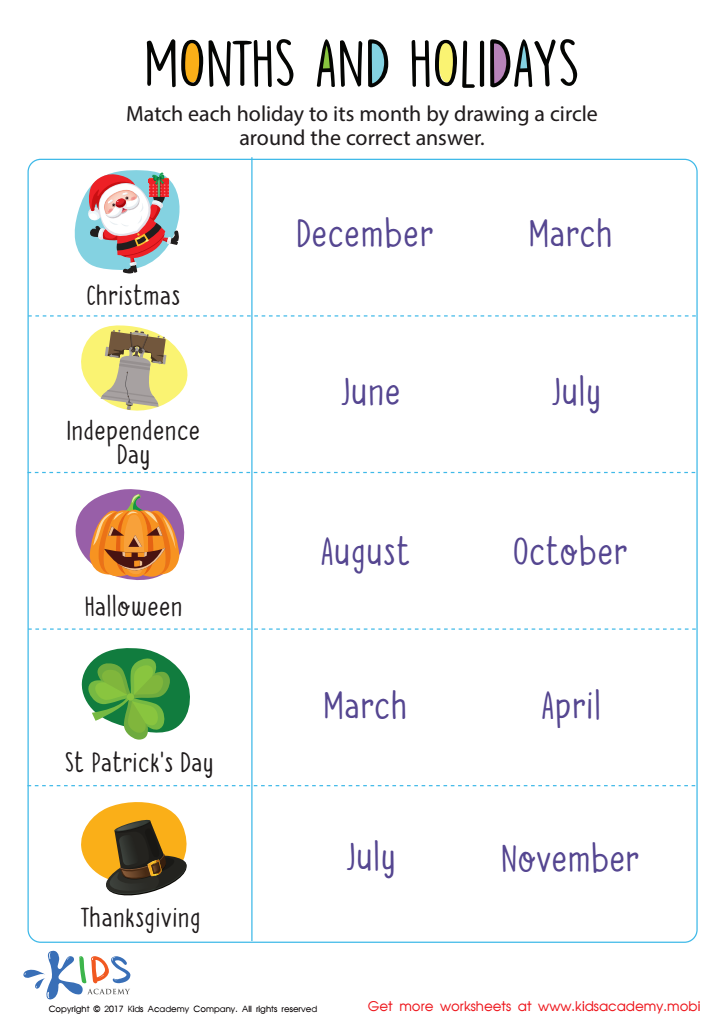
Months and Holidays Worksheet
Kids have fun learning about holidays and the calendar with this PDF worksheet! As they work, they'll connect holiday sights and symbols to their respective months. It's a great way for kids to gain an understanding of the yearly cycle!
Months and Holidays Worksheet
Worksheet
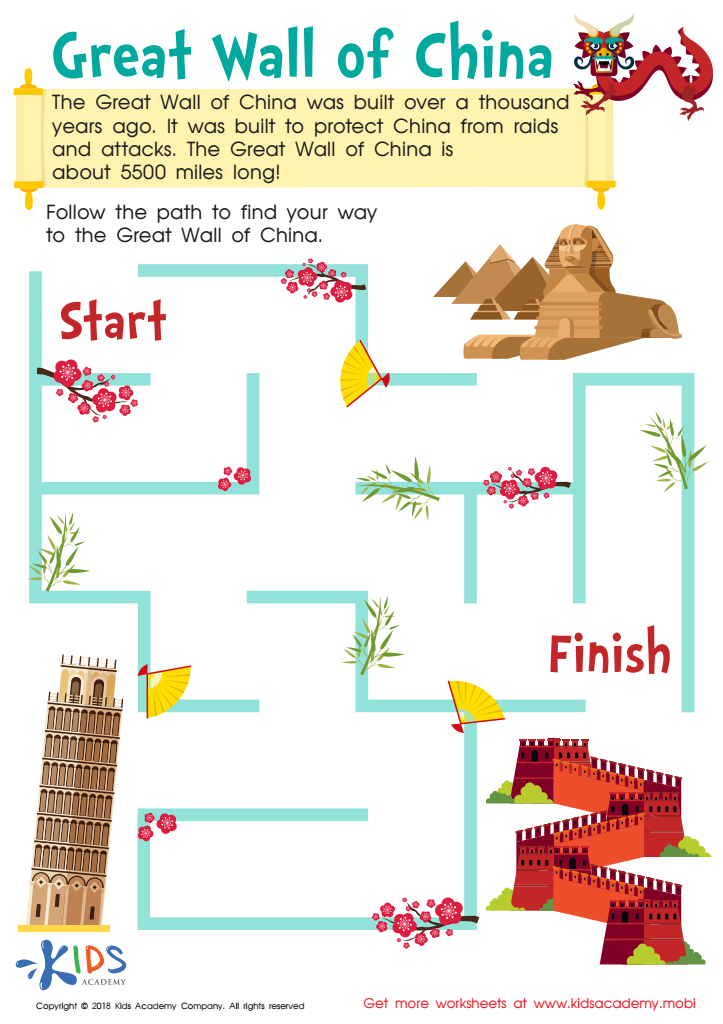
Great Wall of China Worksheet
Kids love learning about other countries and cultures. This PDF worksheet teaches them about the 1000-year old Great Wall of China - built to protect the country from resource raids. Let them have fun winding their way through a maze to get to the Wall!
Great Wall of China Worksheet
Worksheet
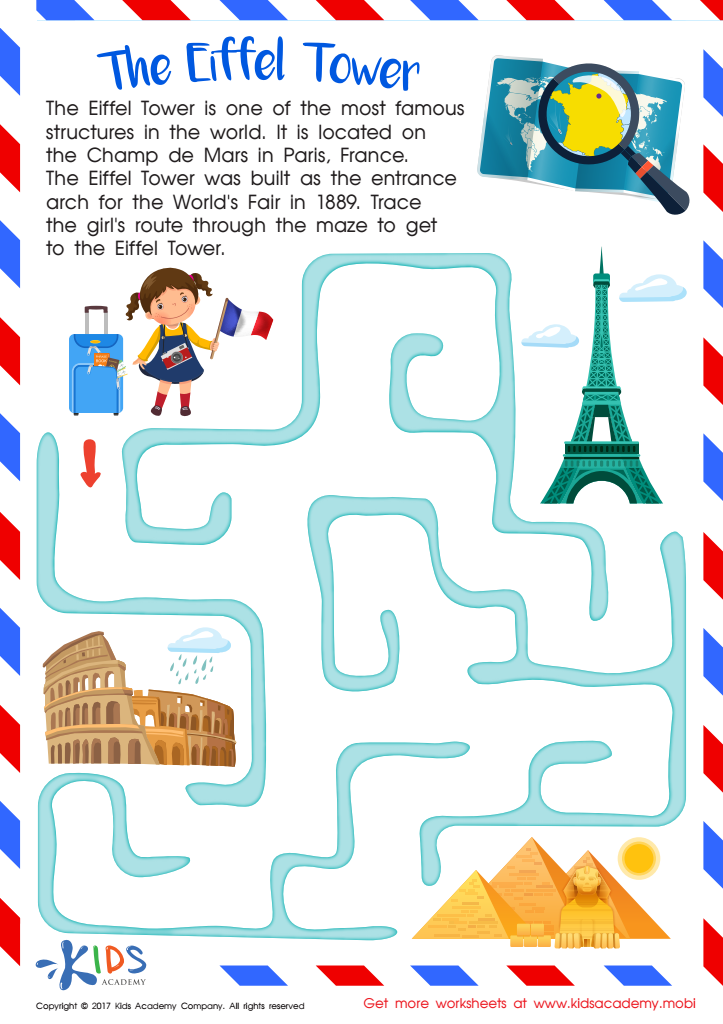
The Eiffel Tower Printable
Take them on a world tour – starting with France: explore the Eiffel Tower by solving this maze. Let the learning and fun begin!
Take your kid on a globe-trotting journey to find out incredible landmarks! Start in France, learning about the Eiffel Tower with a challenging maze. Give your kid the opportunity to discover the Tower's history while having a blast! Let the world exploration start now!
The Eiffel Tower Printable
Worksheet
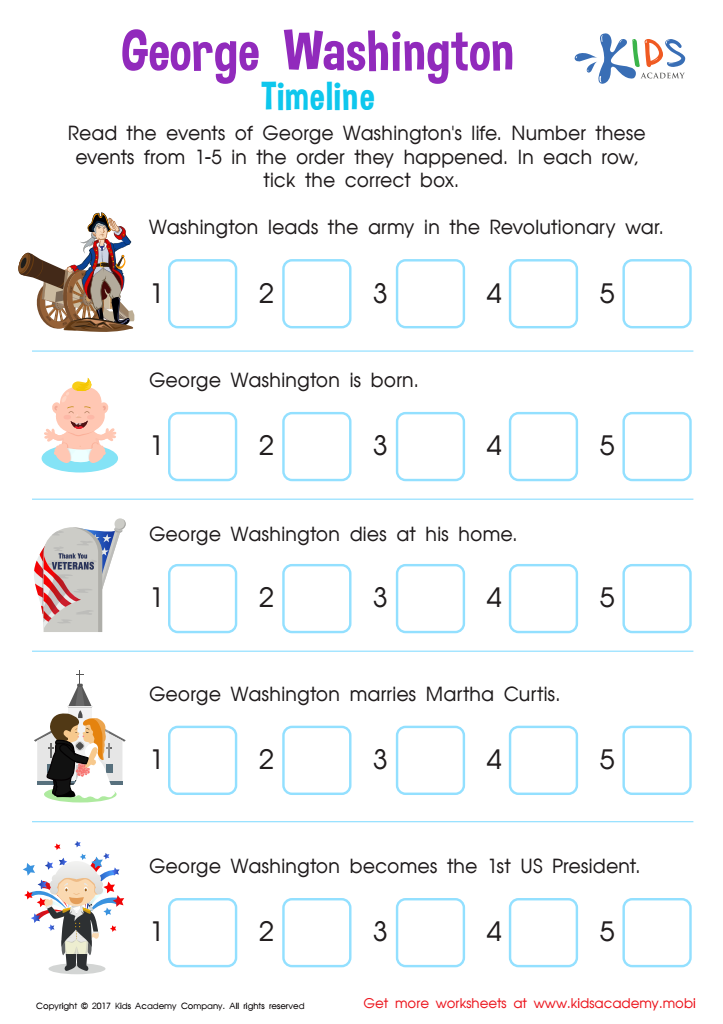
George Washington Timeline Worksheet
Help your child learn about George Washington and practice sequencing events! This printable worksheet will boost their reading and comprehension skills while they review historical facts. It's a great challenge to keep them engaged and learning.
George Washington Timeline Worksheet
Worksheet
Join Kids Academy for Free
Who is primarily going to use this learning content?








Reading comprehension is a critical skill for young learners aged 5-8, as it lays the foundation for academic success across all subjects, including Social Studies. Understanding reading material enables children to grasp key concepts, critically engage with content, and connect their knowledge to real-world scenarios. The "Reading Comprehension Extra Challenge" related to Social Studies specifically encourages students to explore diverse cultures, history, and societal structures, enriching their worldview.
By participating in targeted reading challenges, children enhance their vocabulary, boost their critical thinking skills, and develop a love for learning. These challenges provide opportunities for discussion, which can ignite curiosity and promote social awareness. Importantly, as young learners master skilled comprehension, they become more confident readers, which positively impacts their overall academic performance.
For parents and teachers, supporting reading comprehension efforts connects children more deeply with social studies concepts, ensuring they understand the importance of their societal roles and responsibilities. Such engagement leads to well-rounded students capable of making informed decisions. Ultimately, fostering strong reading comprehension in relation to social studies prepares children to become active, empathetic participants in their communities and the world, equipping them for lifelong learning and citizenship.