Vocabulary Building Extra Challenge Alphabet Worksheets for Ages 5-9
3 filtered results
-
From - To
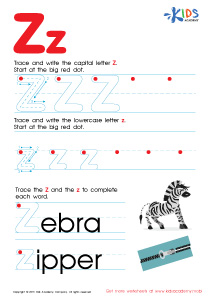
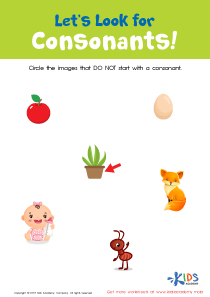
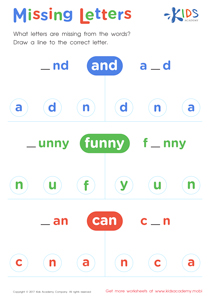
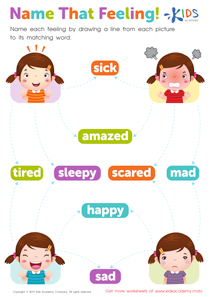
Introduce your child to the exciting world of words with our "Vocabulary Building Extra Challenge Alphabet Worksheets for Ages 5-9." Designed to enhance early literacy, these worksheets offer creative and engaging exercises that expand vocabulary and language skills. Each worksheet incorporates alphabet recognition and advanced word-building tasks, perfect for young learners ready for a challenge. Through fun-filled activities, children will develop stronger reading and writing abilities, setting a strong foundation for future educational success. It’s the perfect tool to make learning enjoyable and effective for your little wordsmiths. Unlock endless possibilities with these interactive vocabulary builders today!
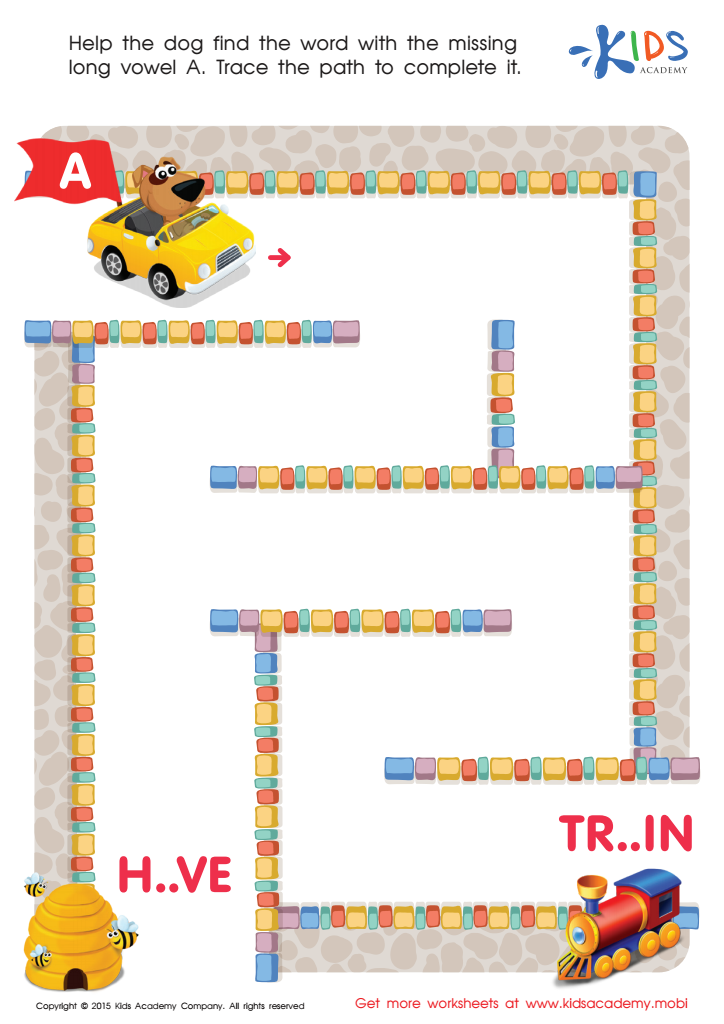
Long Vowel Sound A Worksheet
 Assign to My Students
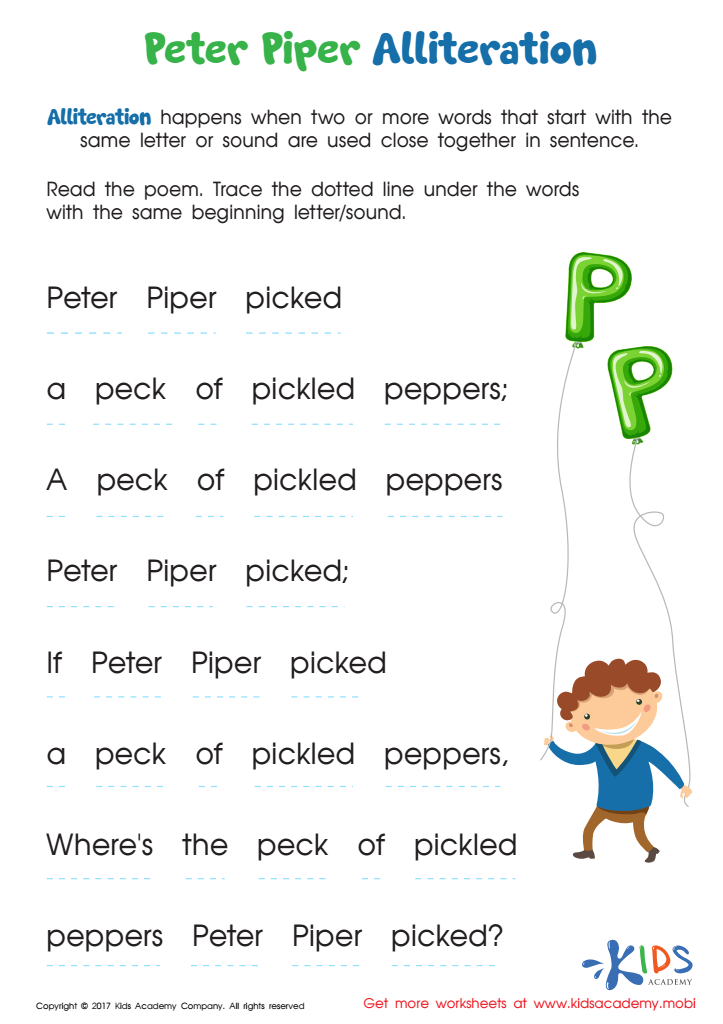
Peter Piper Alliteration Worksheet
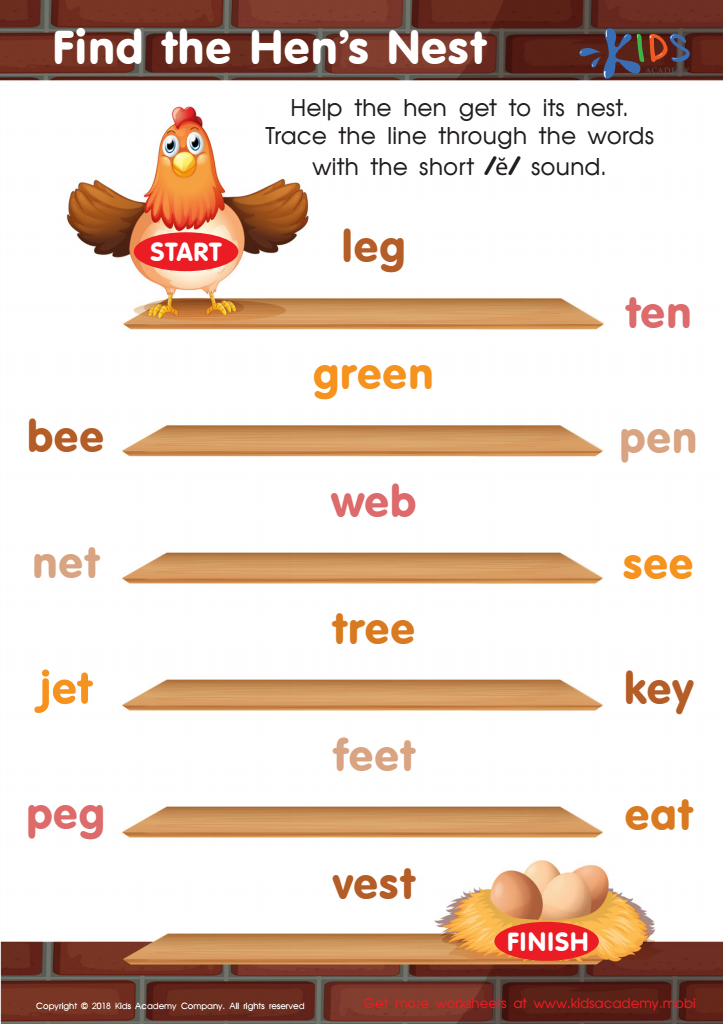
Find Hens Nest Reading Worksheet







Vocabulary Building Extra Challenge Alphabet for Ages 5-9 is a crucial educational tool that parents and teachers should prioritize. Young children are in a sensitive period for language development when their brains are primed to absorb new words and concepts. By engaging in activities that challenge their vocabulary, children enhance their verbal skills, reading comprehension, and cognitive development. This foundational knowledge sets the stage for future academic success across all subjects.
This resource, which could include games, puzzles, and themed word lists, can make learning fun and interactive, helping children retain information better compared to traditional rote memorization. It encourages phonemic awareness, supporting children in understanding how words sound and how they can be constructed. They also learn to appreciate nuances in language, which is essential for reading proficiency and effective communication.
Moreover, expanding a child's vocabulary at this formative age boosts their confidence in expressing themselves both in speech and writing. A rich vocabulary allows children to articulate their thoughts and emotions more clearly, fostering better social interactions. Therefore, parents and teachers should invest time and effort into vocabulary-building activities, ensuring children are well-prepared for more complex linguistic and academic challenges as they progress in their education.