Addition Practice Extra Challenge Worksheets for Ages 5-9 - Page 2
25 filtered results
-
From - To
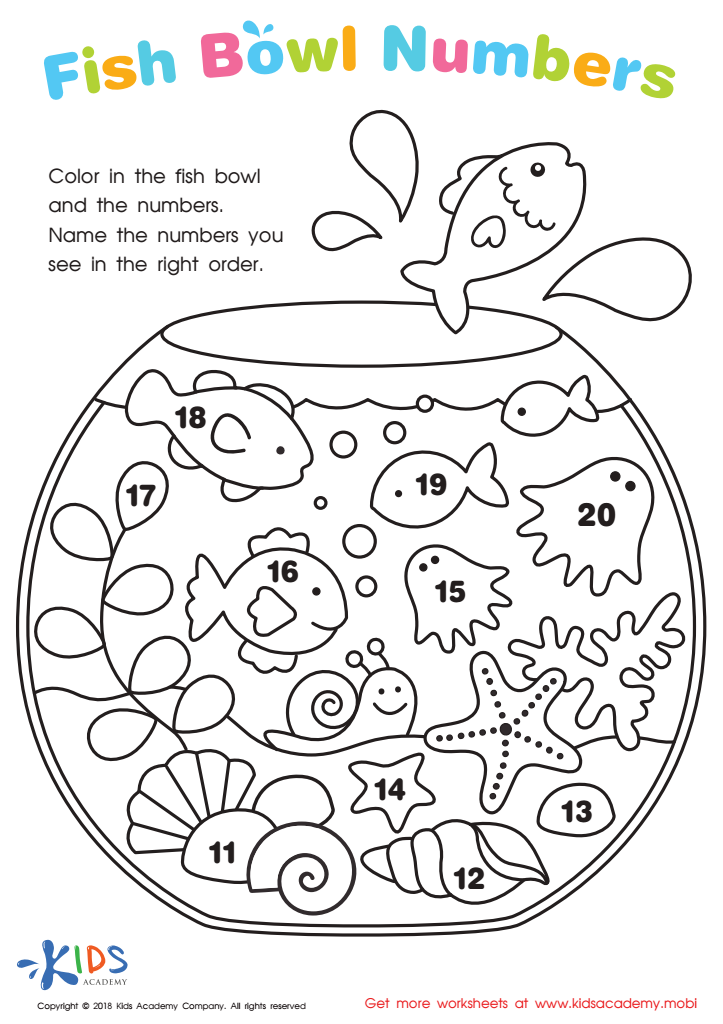
Fish Bowl Numbers Worksheet
 Assign to My Students



.jpg)




Parents and teachers should care about addition practice as an extra challenge for children aged 5-9 because it forms the bedrock of early mathematical understanding. By this age, children’s brains are highly receptive to learning new concepts and establishing foundational skills. Practicing addition helps them develop number sense, which is crucial for comprehending more advanced math topics.
Moreover, regular addition practice enhances cognitive skills such as memory, attention, and problem-solving abilities. It also encourages logical thinking and the ability to see patterns and relationships between numbers. When children engage in additional challenges, they learn perseverance and build confidence in their abilities to tackle difficult tasks.
An extra challenge can also make learning math fun and engaging, breaking monotony and stimulating curiosity and interest. Varied and challenging activities can motivate children, helping them to achieve mastery and fluency in their math skills early on.
Finally, solid proficiency in basic math sets the stage for academic success across the board. Strong math skills correlate with better performance in other subjects and build a foundation for future opportunities. By prioritizing extra addition practice, parents and teachers invest in a child’s long-term educational journey and intellectual growth.








