Observational skills Extra Challenge Worksheets for Ages 5-9
3 filtered results
-
From - To
Discover our "Observational Skills Extra Challenge Worksheets for Ages 5-9," designed to boost young learners' ability to notice details and make connections. These engaging worksheets challenge children to keenly observe their surroundings, enhancing their critical thinking and analytical skills. Featuring fun illustrations and diverse activities, these worksheets cater to various learning styles while promoting attention to detail. Perfect for home or classroom use, they encourage exploration and curiosity, setting a strong foundation for lifelong learning. Empower your child's cognitive development and watch them flourish as they become adept observers of the world around them. Start exploring today!
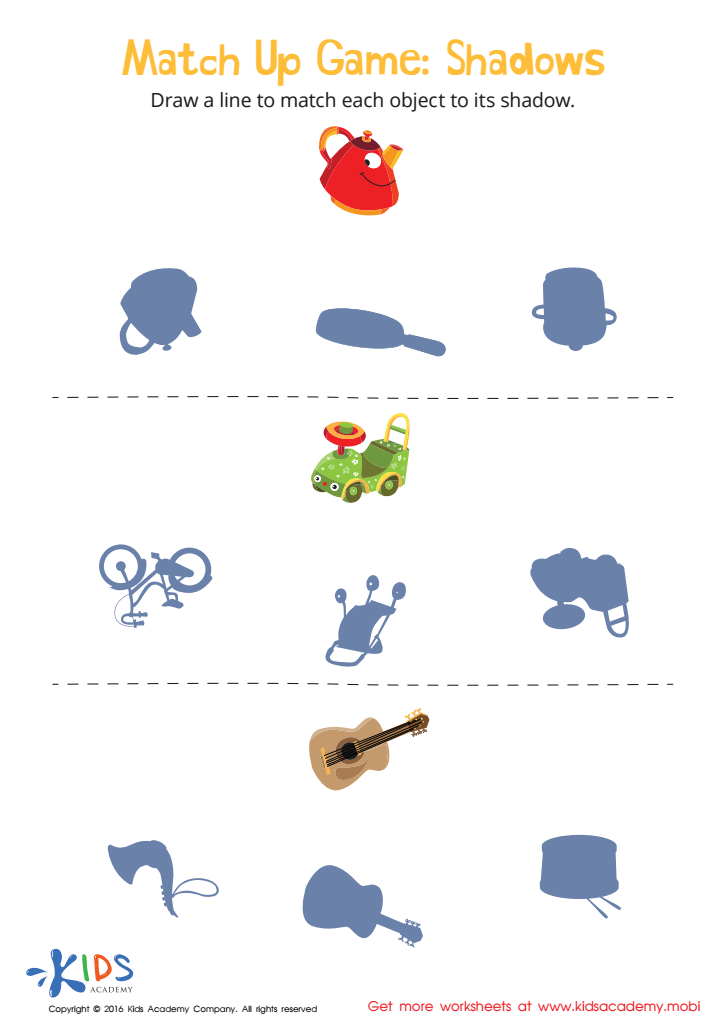
 Assign to My Students
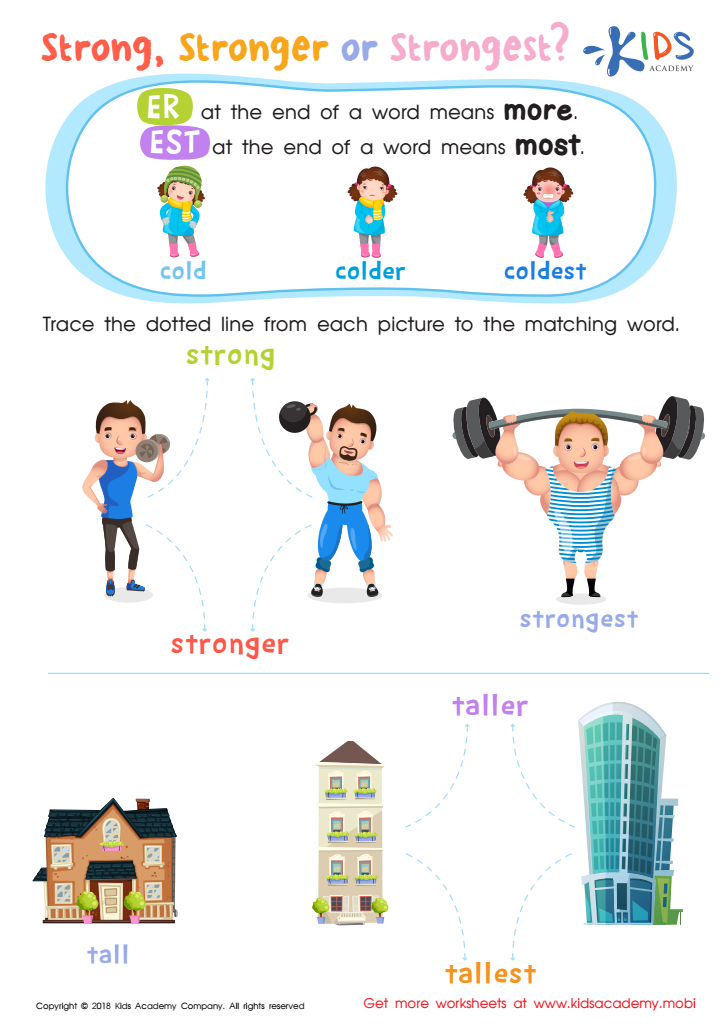
Strong or Stronger? Worksheet
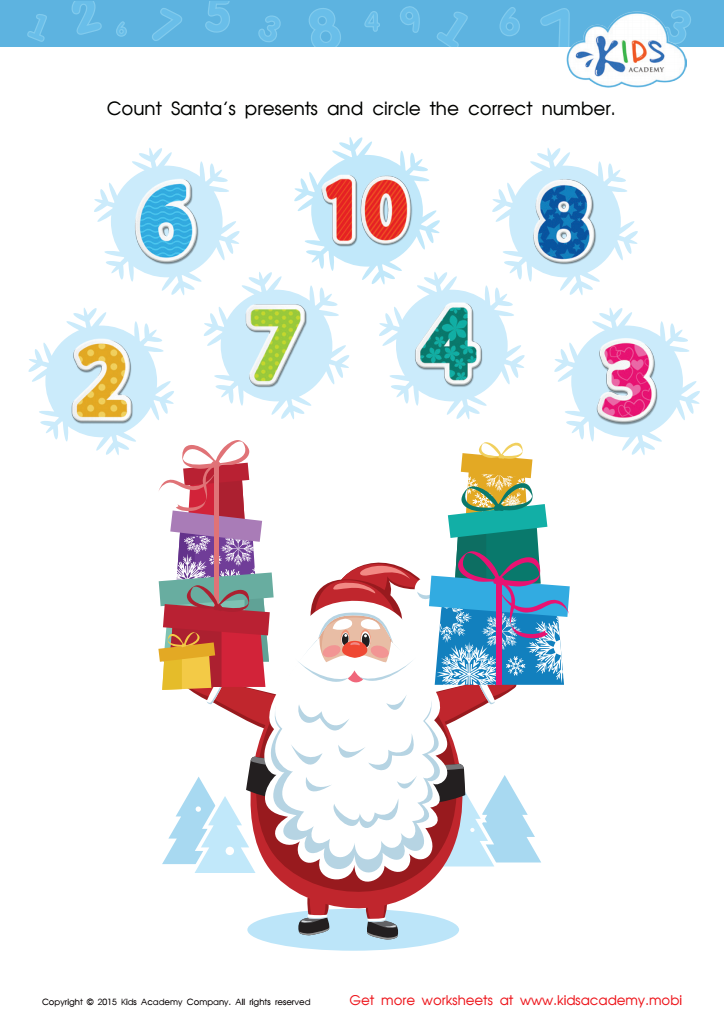
Count Santa's Presents Worksheet


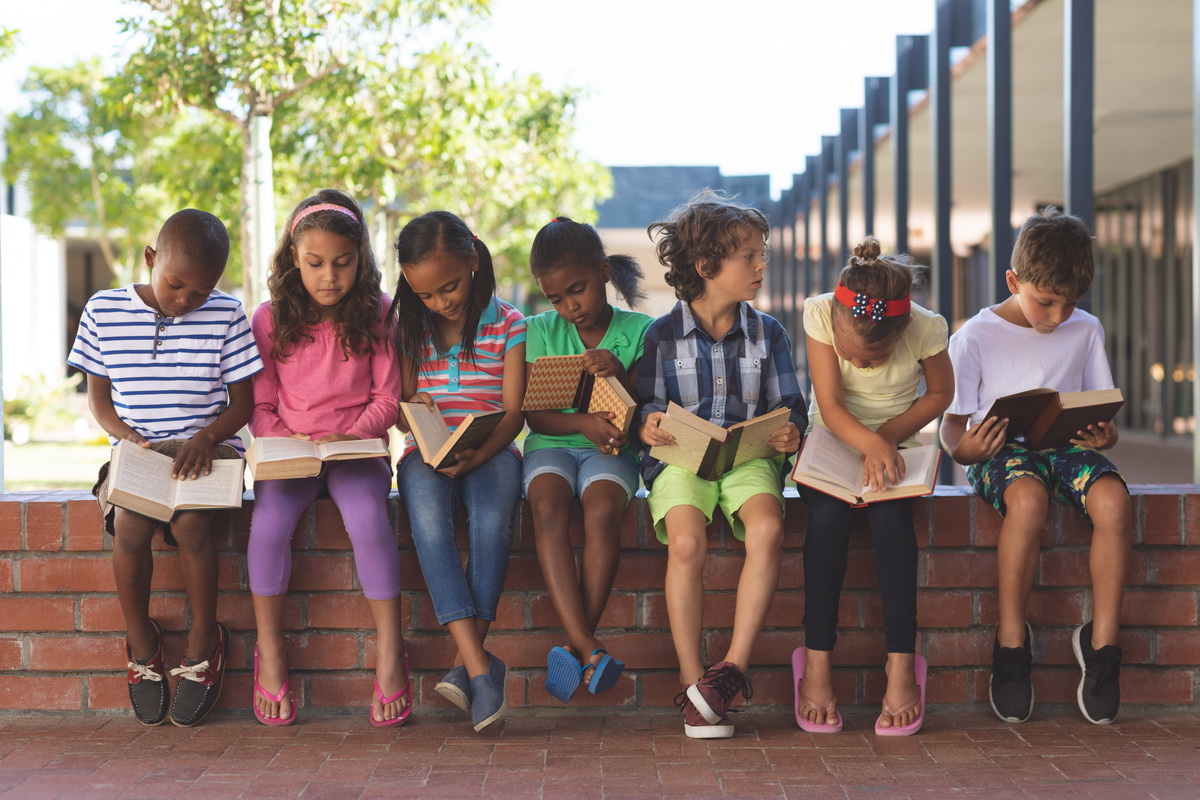





Observational skills are crucial for children aged 5-9 as they lay the foundation for critical thinking, problem-solving, and social interactions. Developing these skills enhances a child’s ability to pay attention to details, recognize patterns, and understand their environment, which contributes to their overall cognitive development. Parents and teachers should emphasize observational skills because they directly influence a child’s learning and comprehension abilities, fostering a more engaged approach to their education.
When children learn to observe keenly, they become active participants in their learning process. This engagement encourages curiosity and independent thinking, vital traits for lifelong learners. Moreover, strong observational skills support emotional and social development, as children learn to read social cues and better relate to others.
By incorporating observational exercises—like nature walks, storytelling with visual prompts, or classroom activities—adults can create opportunities for children to practice these skills in enjoyable ways. Investing in this area not only enriches a child’s educational journey but also equips them with essential life skills, contributing to a holistic approach to their growth. Ultimately, fostering observational skills prepares them for future academic challenges, improving their confidence and capability as they navigate an increasingly complex world.








