Reading Skills Extra Challenge Worksheets for 5-Year-Olds
6 filtered results
-
From - To
Enhance your child's reading skills with our engaging "Reading Skills Extra Challenge Worksheets for 5-Year-Olds." Designed to captivate young learners, these worksheets provide a fun and interactive way for children to develop essential reading abilities. From letter recognition to phonemic awareness, each activity promotes a deeper understanding of language concepts. Ideal for parents and educators, these worksheets serve as supplemental resources to reinforce classroom learning at home. With vibrant illustrations and varied challenges, kids will enjoy practicing their reading skills while building confidence. Explore the exciting world of words and help your 5-year-old become a proud young reader today!
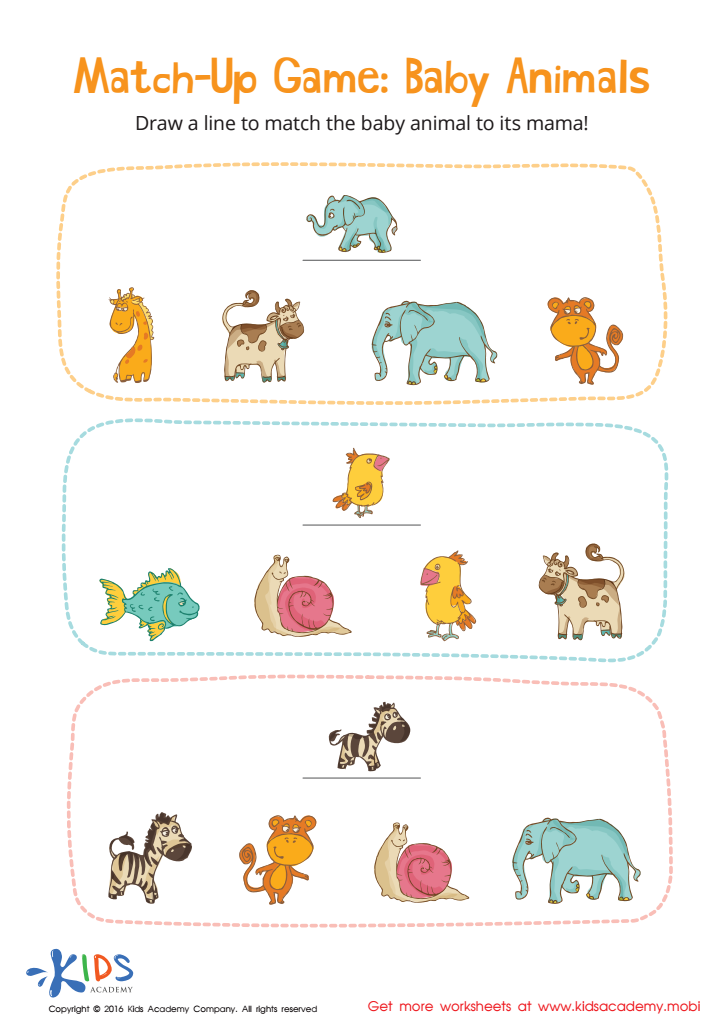
Baby Animals Match-Up Worksheet
 Assign to My Students
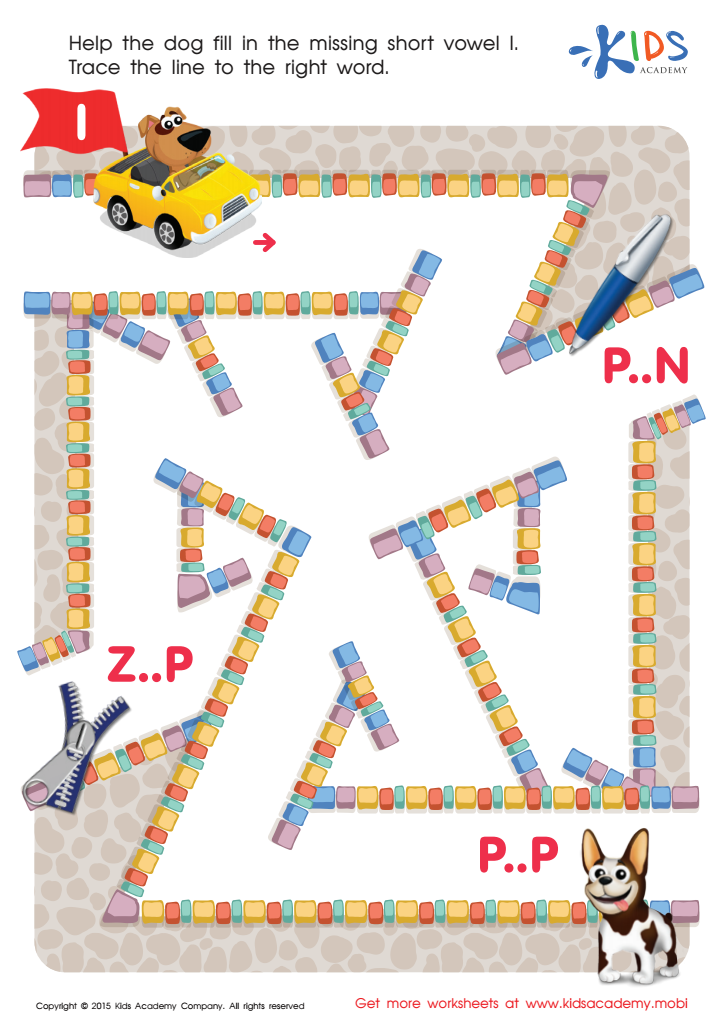
Short Vowel Sound I Worksheet
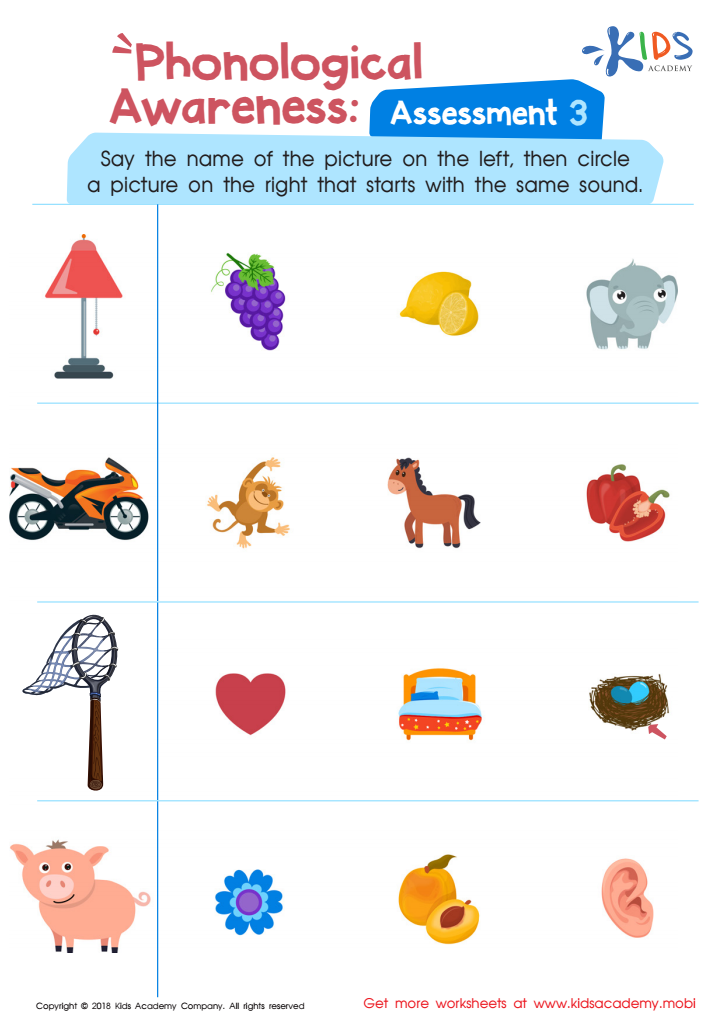
Phonological Awareness: Assessment 3 Worksheet
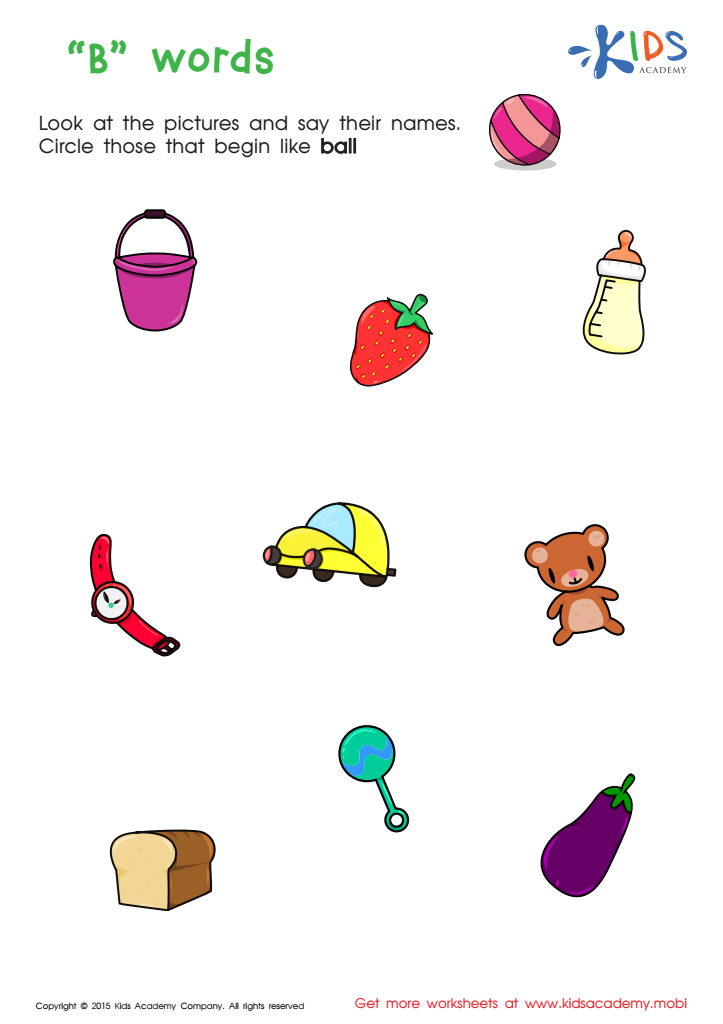
First Words Worksheet
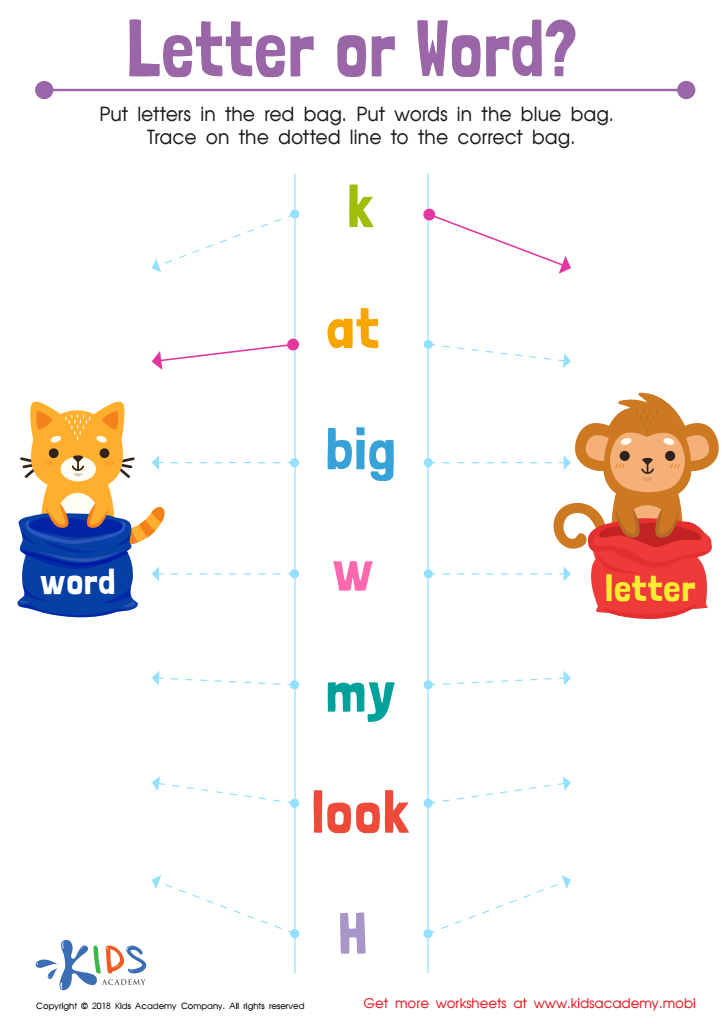
Letter or Word? Worksheet
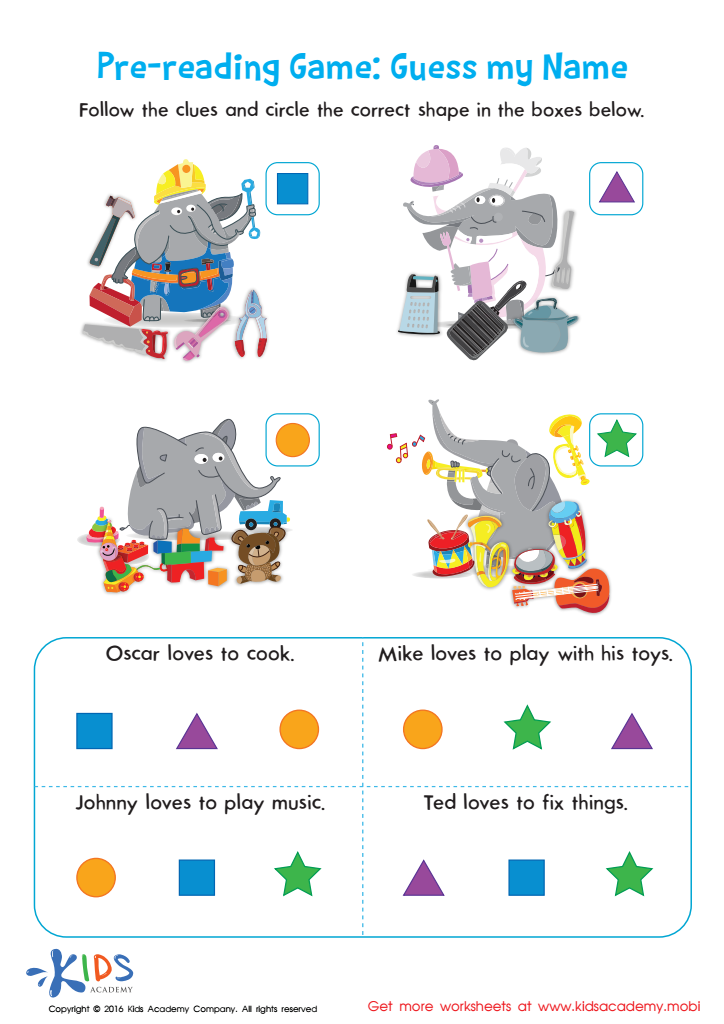
Pre Reading Worksheet Guess My Name


.jpg)




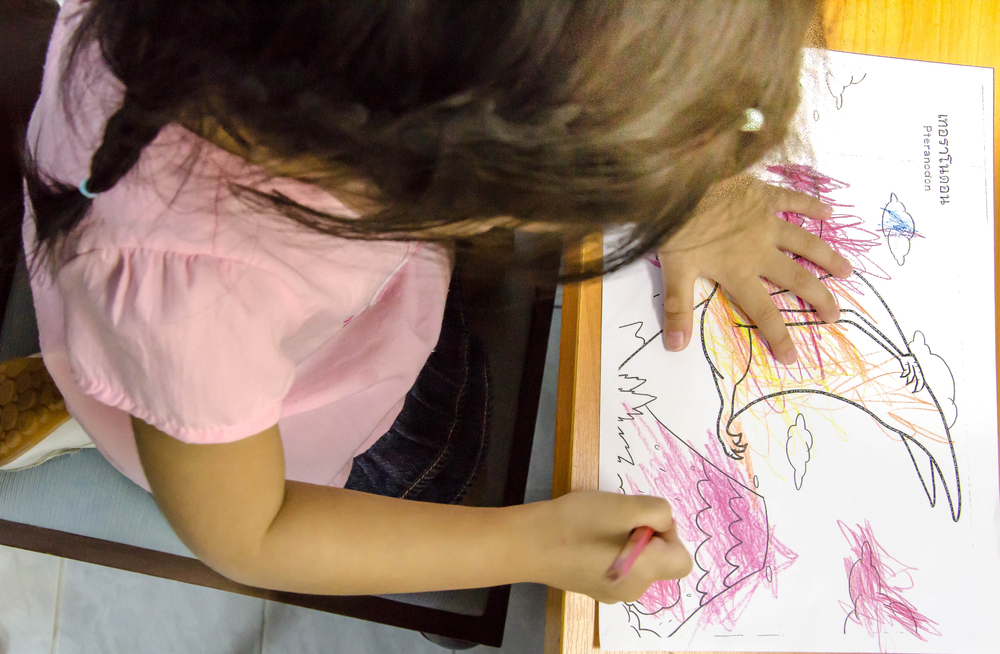
Reading Skills Extra Challenge is essential for the development of young learners, especially for 5-year-olds. At this developmental stage, children are curious, eager to learn, and highly impressionable. Engaging them in extra reading challenges helps foster a love for books and literacy, building a solid foundation for future academic success. It encourages vocabulary expansion, comprehension skills, and critical thinking as they encounter new words and concepts. This initiative not only promotes cognitive growth but also enhances their communication abilities, laying the groundwork for effective societal engagement.
Parents and teachers should recognize the importance of reading skills as they correlate with overall cognitive development, emotional intelligence, and even social skills. By participating in extra challenges, children build confidence in their abilities and discover the joy of learning. It strengthens the bond between educators and families while providing opportunities for collaboration in a child’s educational journey. Reading becomes a shared experience, enriching their lives beyond the classroom.
Moreover, early interventions in literacy can help identify and address potential learning challenges, ensuring that all children receive the support they need. By nurturing these skills early on, we set children on a path to lifelong learning and success, making Reading Skills Extra Challenges a vital focus for both parents and teachers.








