Vowel Recognition Extra Challenge Missing Vowels Worksheets for Ages 6-7
4 filtered results
-
From - To
Enhance your child's literacy skills with our Vowel Recognition Extra Challenge Missing Vowels Worksheets, designed specifically for ages 6-7! These engaging worksheets facilitate the development of phonemic awareness by encouraging children to identify and fill in missing vowels in words. Perfect for reinforcing classroom learning or providing extra practice at home, our activities foster critical thinking and boost confidence in young readers. With a variety of colorful and interactive exercises, kids will enjoy mastering their vowels while having fun. Explore our collection and watch your child improve their spelling and reading proficiency, setting a strong foundation for future learning success!
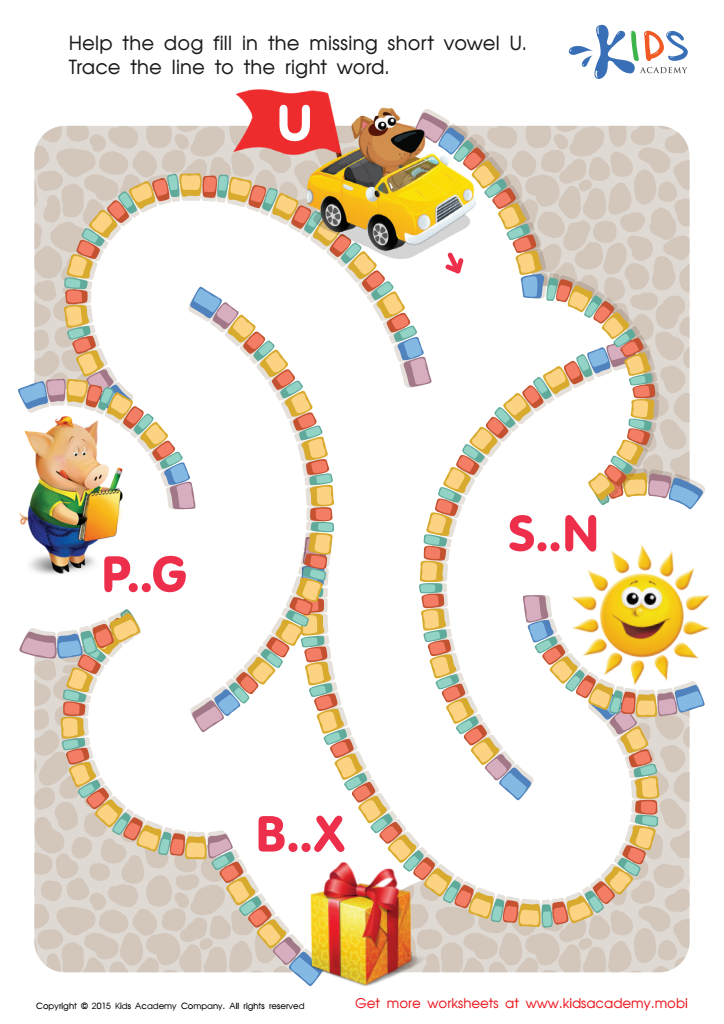
Short Vowel Sound U Worksheet
 Assign to My Students
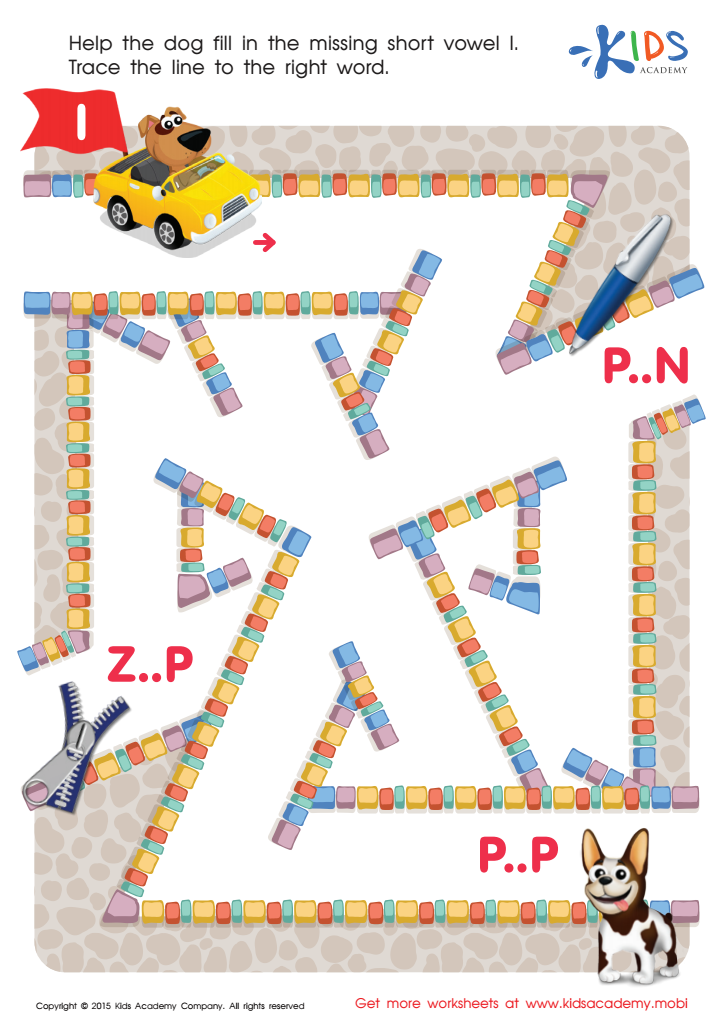
Short Vowel Sound I Worksheet
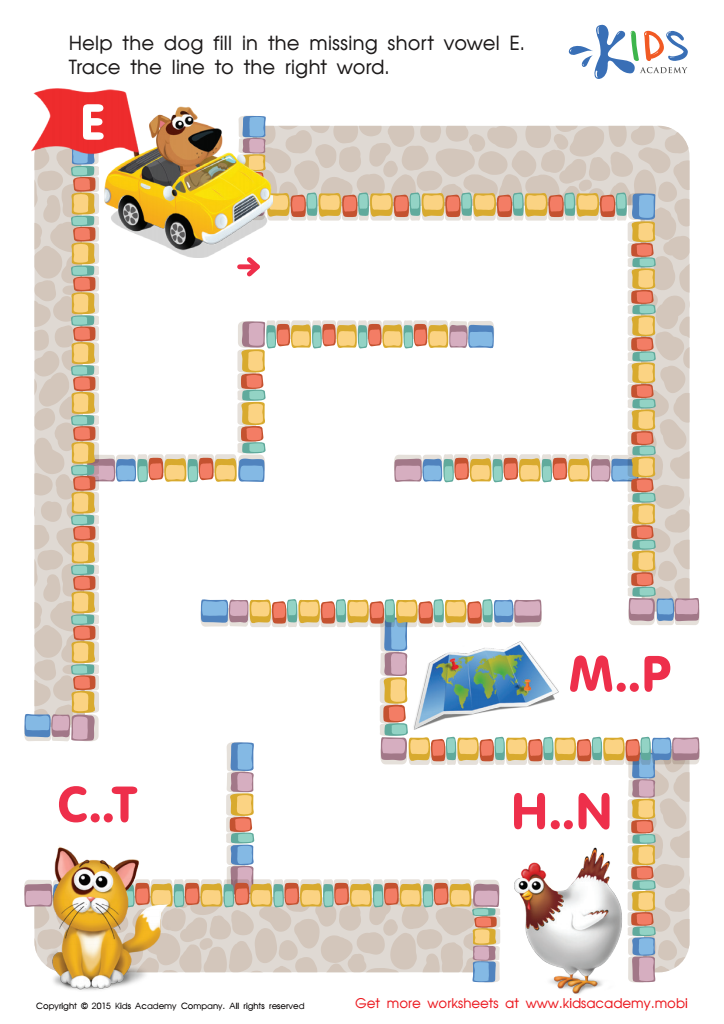
Short Vowel Sound E Worksheet
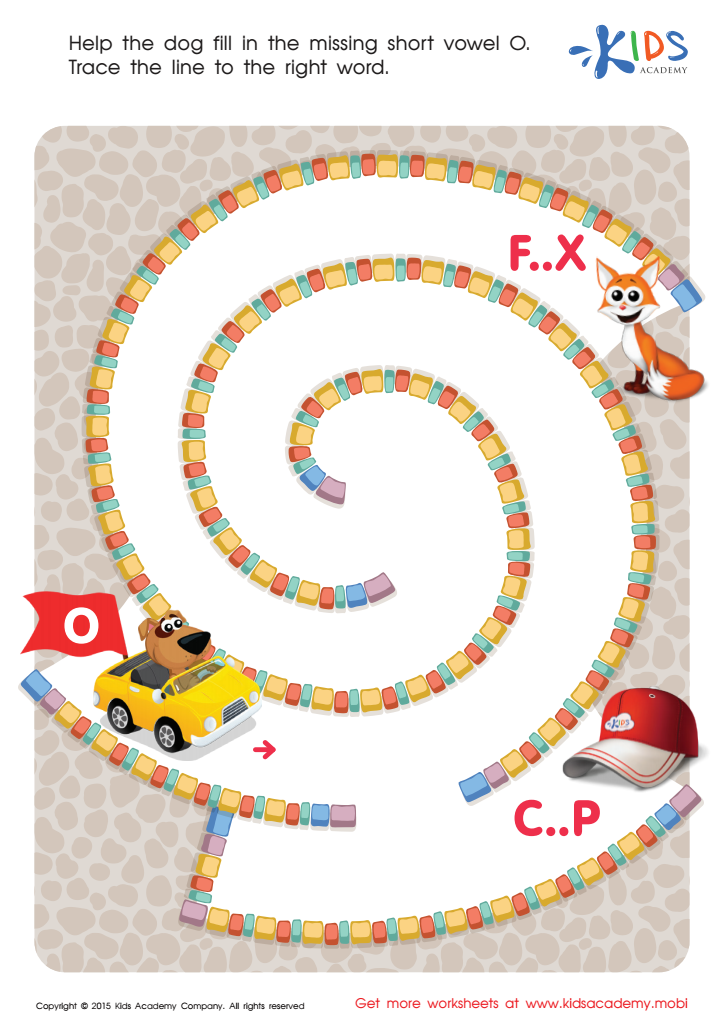
Short Vowel Sound O Worksheet


Vowel Recognition activities, particularly challenges like "Missing Vowels," are essential for children aged 6-7 as they lay the foundation for literacy and reading comprehension. At this developmental stage, children are beginning to master the basics of reading and spelling. Vowel recognition is a crucial element; as the building blocks of words, vowels help convey meaning and sound structure.
Engaging in activities such as Missing Vowels encourages students to think critically about words while also reinforcing their understanding of phonics. It promotes phonemic awareness, which is the ability to hear, identify, and manipulate sounds — a skill that directly correlates with reading proficiency. By focusing on missing vowels, children practice decoding words and develop their spelling abilities.
Moreover, this type of activity makes learning interactive and engaging, allowing children to enjoy discovering language. It encourages teamwork and social interaction, as they often work in pairs or groups to solve challenges together. For parents and teachers, fostering these skills means aiding children's overall academic success and boosting their confidence in literacy. In turn, these foundational abilities cultivate lifelong learners who are better prepared for future challenges in reading and writing. Therefore, understanding the significance of vowel recognition is vital for nurturing young minds.