Fine Motor Skills Extra Challenge Tracing Letters Worksheets for Ages 6-7
7 filtered results
-
From - To
Enhance your child’s fine motor skills with our Extra Challenge Tracing Letters Worksheets, specially designed for ages 6-7. These advanced worksheets offer stimulating exercises to help developing hands become more adept at writing. Each sheet encourages students to trace intricate letters, promoting precision and control. Perfect for young learners ready to conquer more complex tasks, these resources aim to advance penmanship and prepare kids for successful writing. Activities are engaging, making learning enjoyable and effective. Foster your child’s confidence and finesse in letter formation with these expert-created tracing worksheets. Unlock your child’s potential and watch their skills thrive!
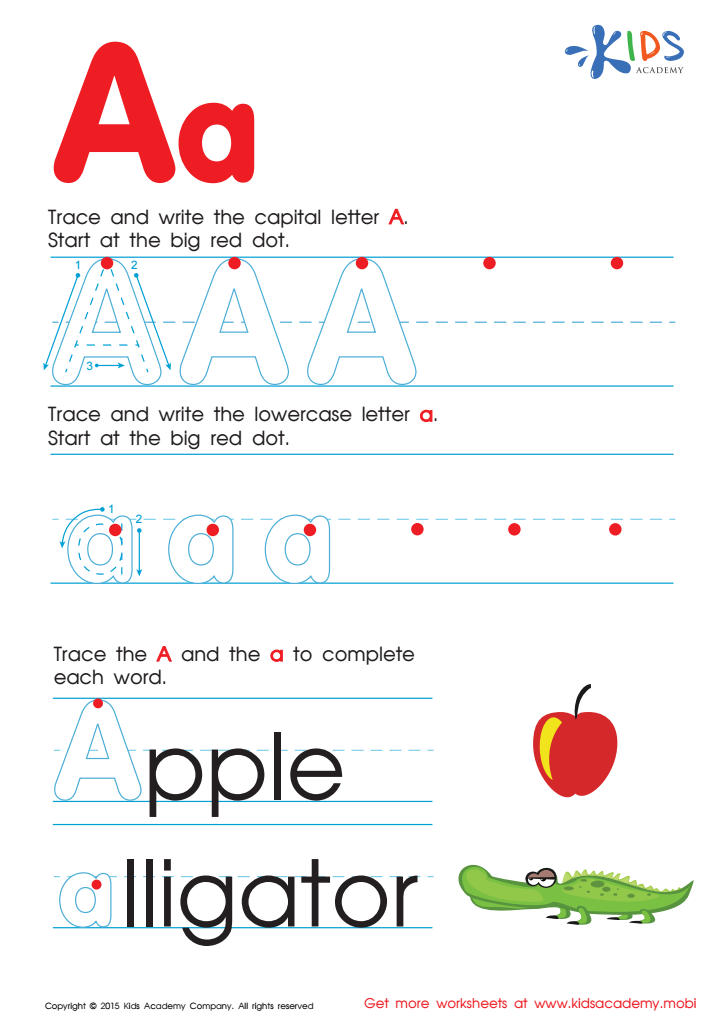
Letter A Tracing Page
 Assign to My Students
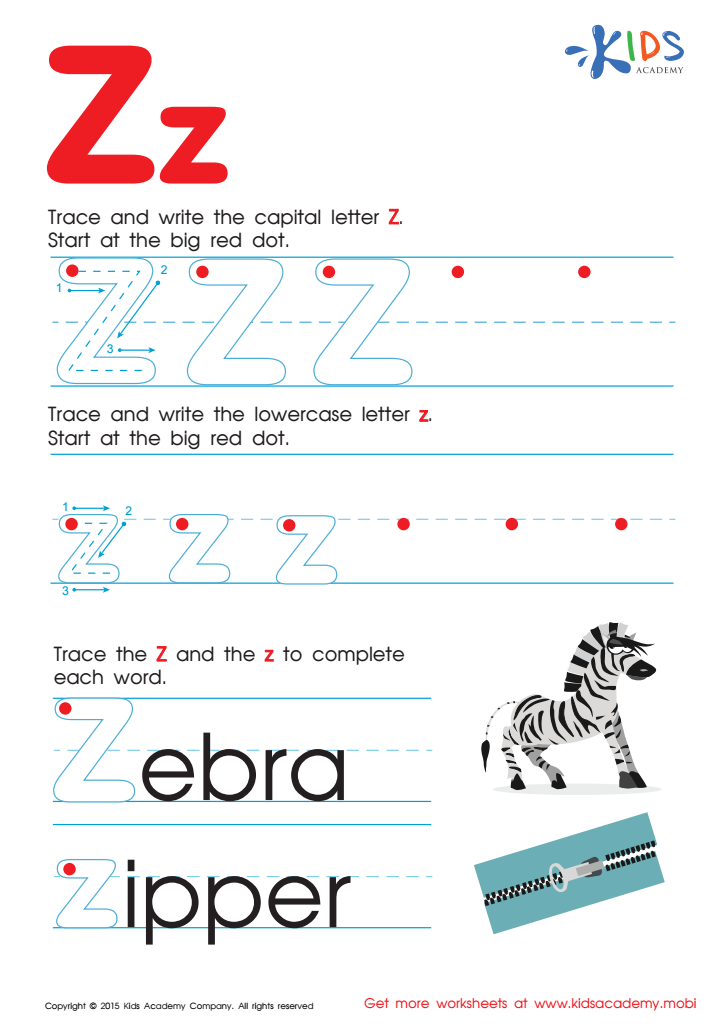
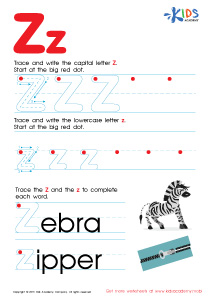
Letter Z Tracing Page
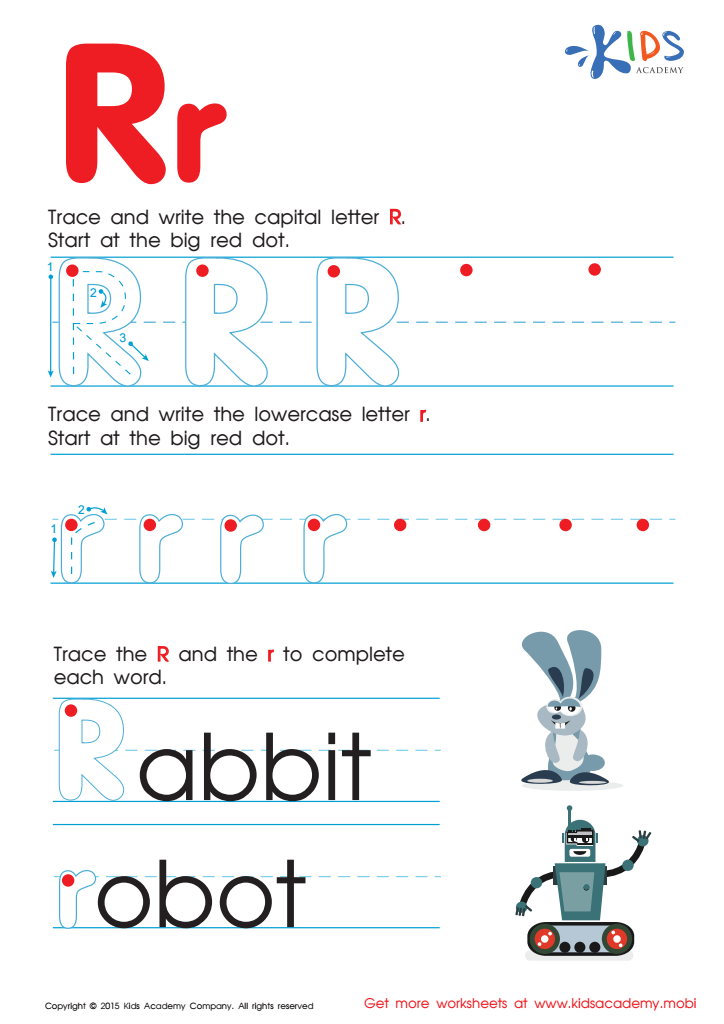
Letter R Tracing Page
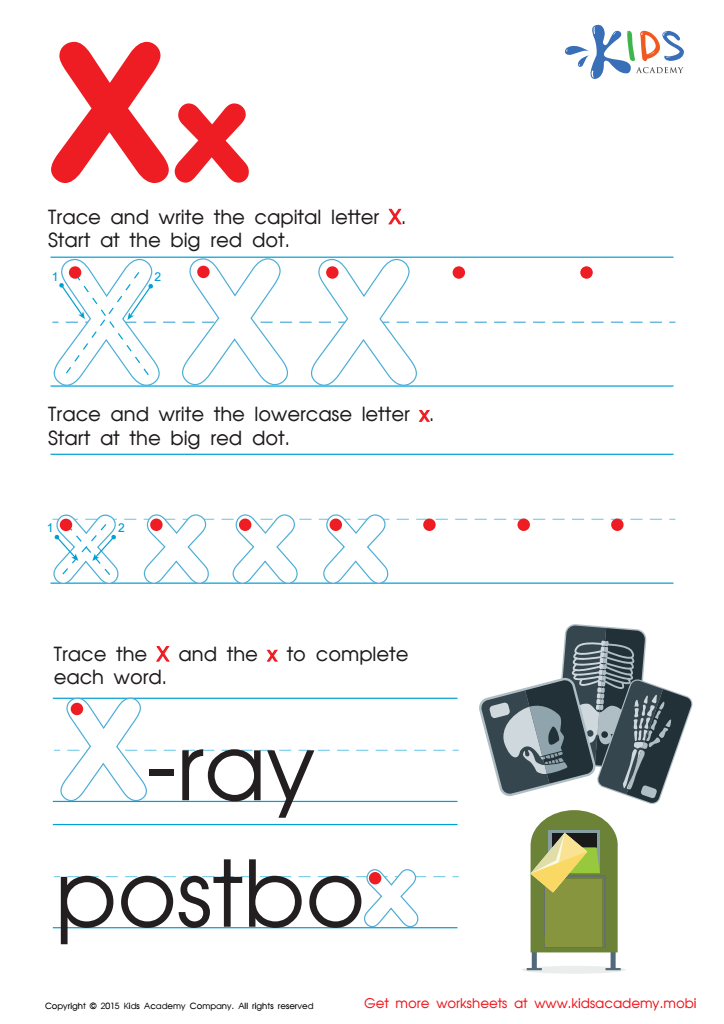
Letter X Tracing Page
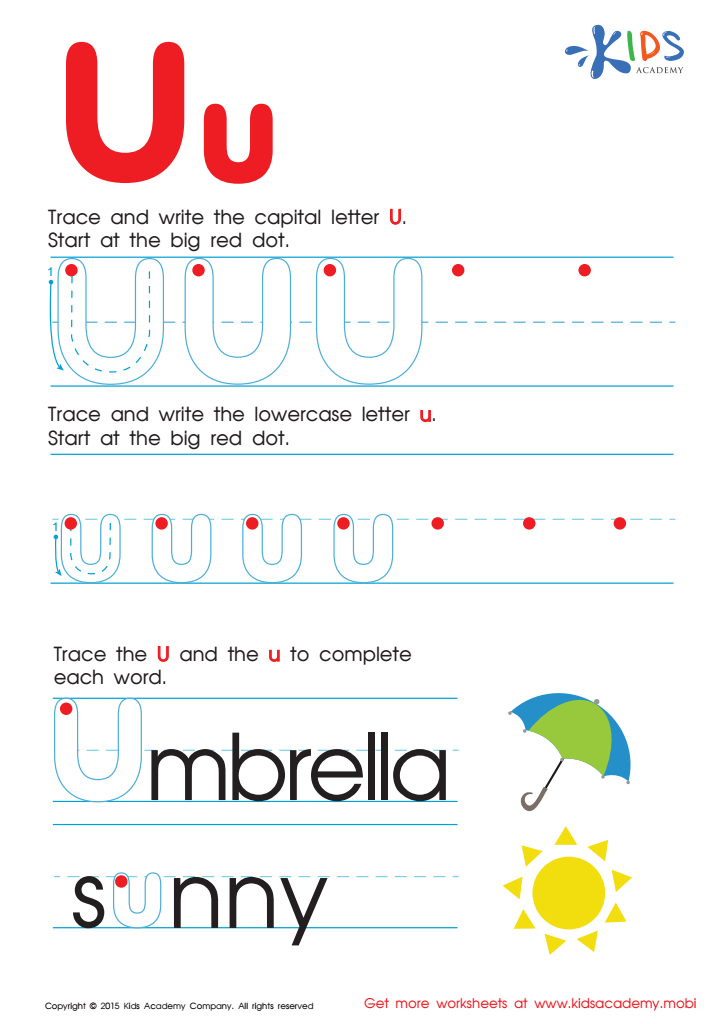
Letter U Tracing Page
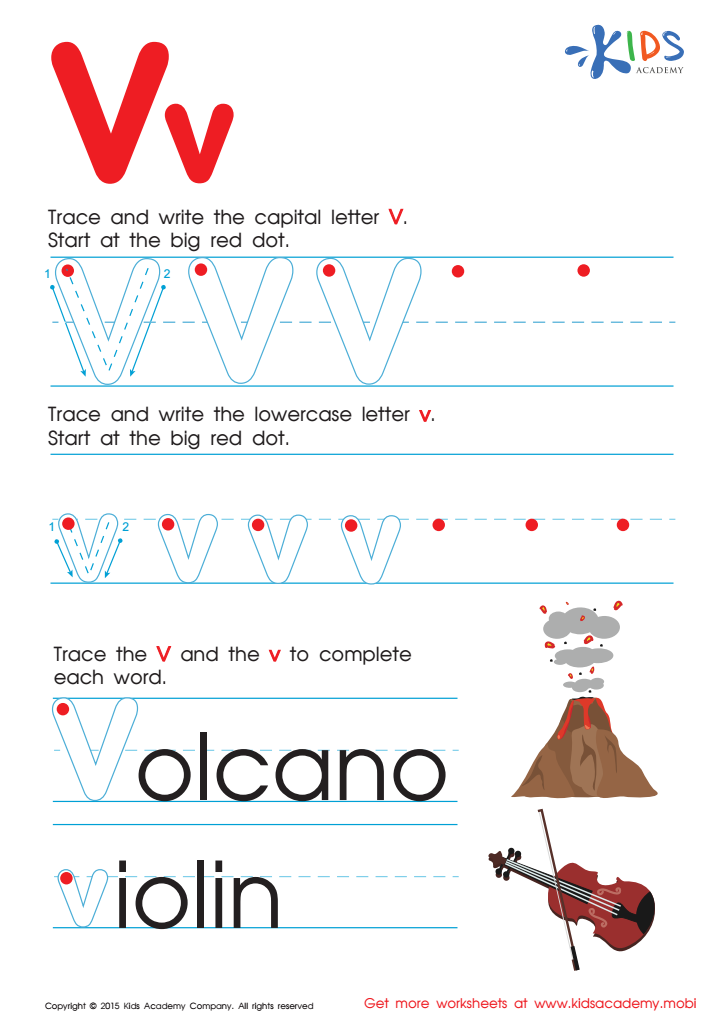
Letter V Tracing Page
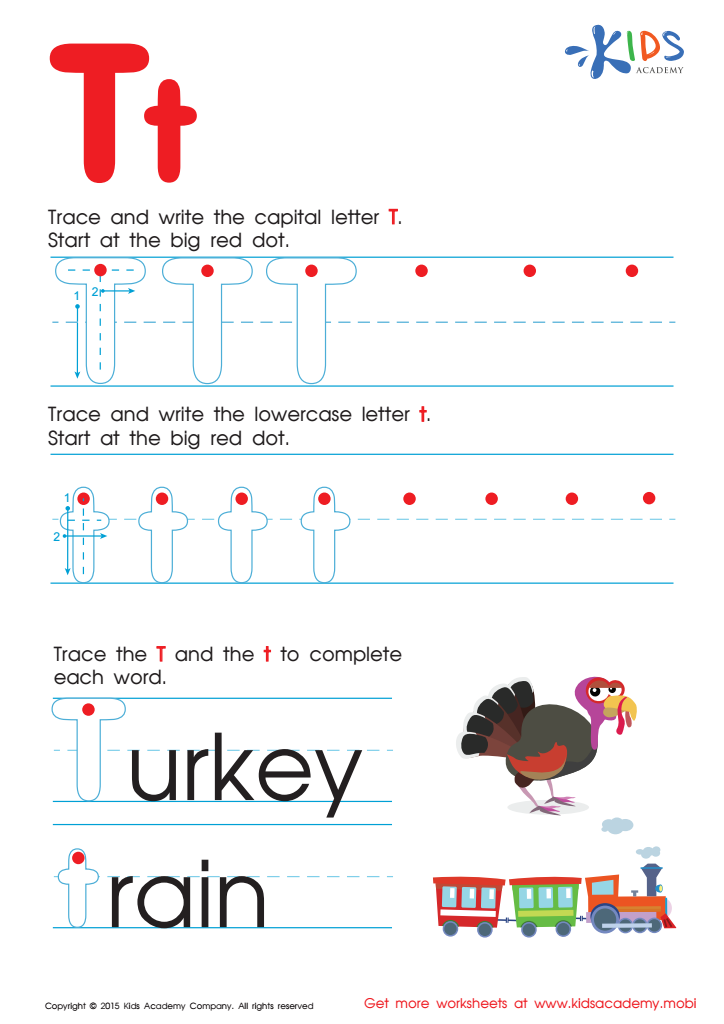
Letter T Tracing Page







Fine motor skills are essential for young children, particularly in the formative years of ages 6-7, as they are foundational building blocks for daily activities and academic success. Parents and teachers should care about providing extra challenges in tracing letters because it offers numerous developmental benefits.
Firstly, fine motor skills involve the coordination of small muscles in the hands and fingers, crucial for tasks like writing, cutting, and buttoning. Tracing letters helps children strengthen these muscles, improving their grip and control over writing instruments. Enhanced fine motor skills directly translate to better handwriting, more precise art projects, and a greater ability to perform everyday tasks.
Secondly, engaging in activities that challenge children's fine motor skills can boost their cognitive development. When children trace letters, they are also learning about shapes, patterns, and sequences, which reinforces their understanding of the alphabet and improves their literacy skills.
Furthermore, tracing letters can enhance children's concentration and attention to detail, skills that are valuable not only for academic achievement but also for problem-solving and fine-tuning their abilities in various other tasks. Introducing such activities early ensures that children develop these abilities at a crucial stage in their growth.
In conclusion, fine motor skills challenges like tracing letters provide comprehensive developmental benefits essential for young learners’ success both in school and in their daily lives.