Color Identification Extra Challenge Math Worksheets for Ages 6-7
3 filtered results
-
From - To
Elevate your child's math skills with our "Color Identification Extra Challenge Math Worksheets for Ages 6-7." Designed to engage young minds, these worksheets blend fun and learning through vibrant color-based exercises. Children will master math concepts like addition, subtraction, and pattern recognition while also enhancing their color identification skills. Perfect for both classroom and home use, these challenging activities are tailored to stimulate critical thinking and problem-solving abilities in young learners. Boost confidence and build a solid foundation in math become an exciting adventure with our thoughtfully crafted worksheets!
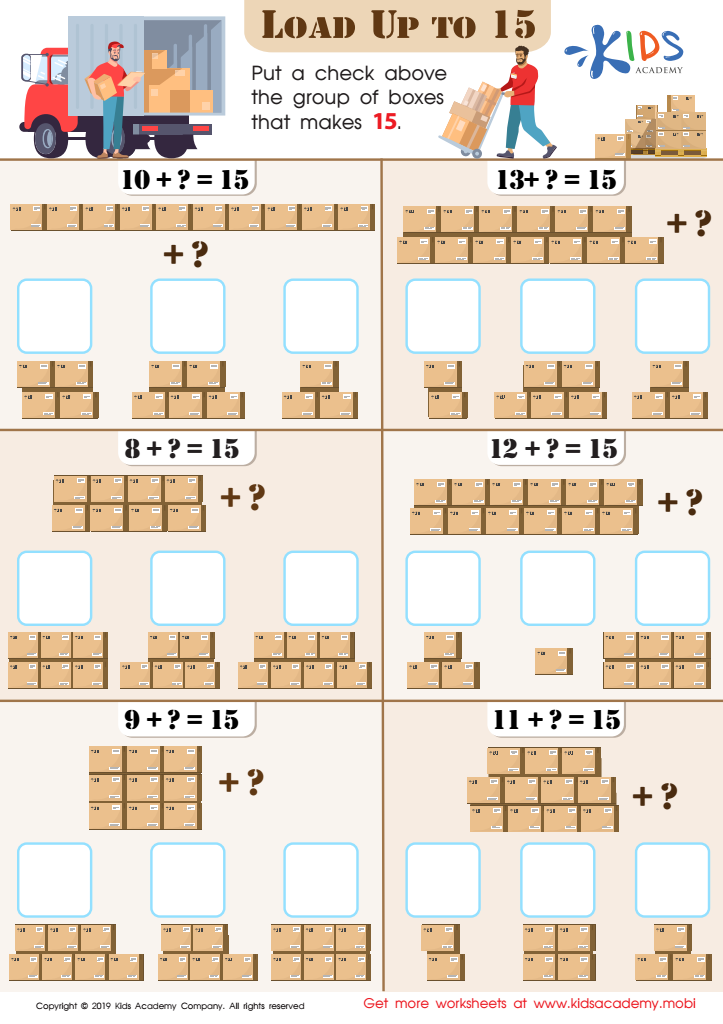
Load up to 15 Worksheet
 Assign to My Students
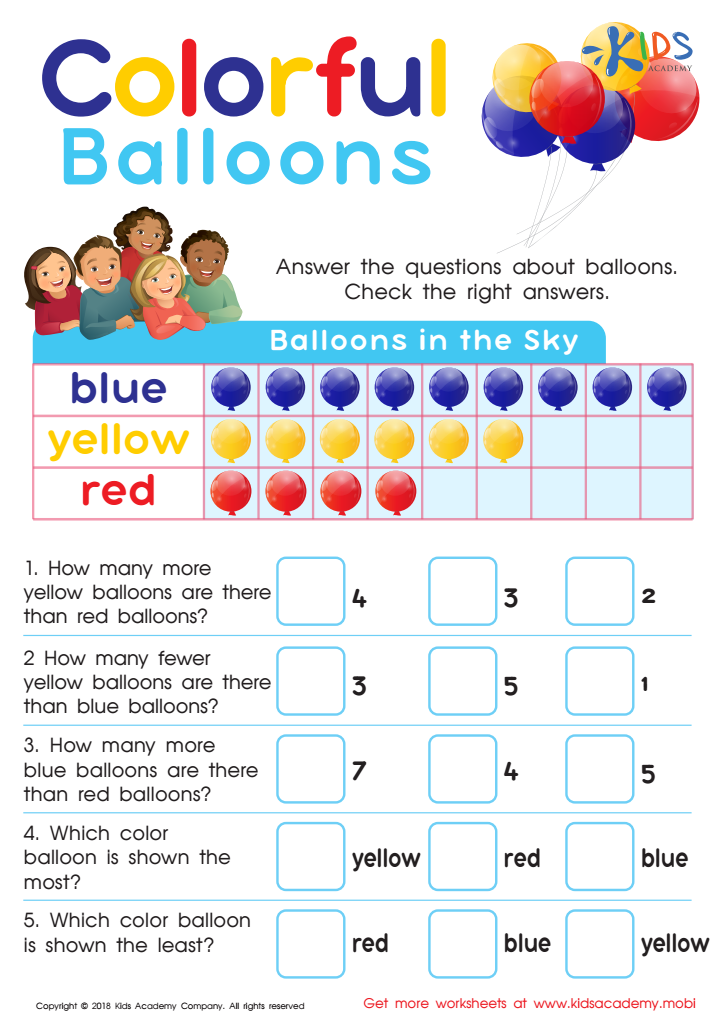
Picture Graphs: Colorful Balloons Worksheet
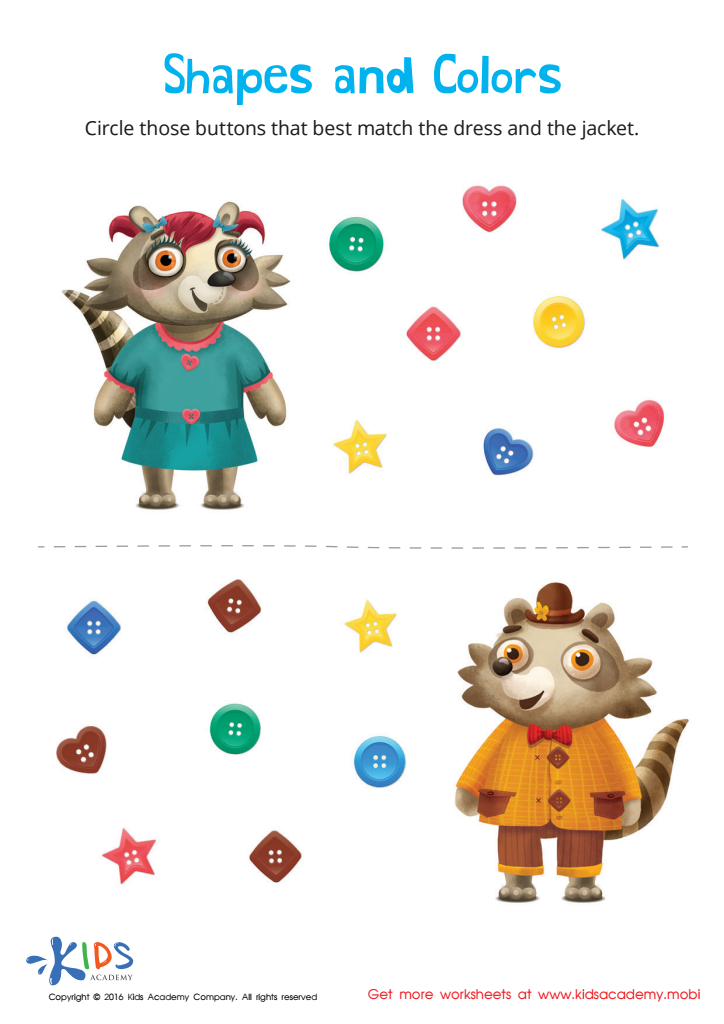
Matching: Shapes and Colors Worksheet








Parents and teachers should care about Color Identification Extra Challenge Math for children ages 6-7 because it melds foundational mathematical skills with critical cognitive development. At this formative stage, engaging children in activities that blend math with color recognition develops multiple skills simultaneously, providing a dual benefit of strengthening their ability to recognize and differentiate colors while also building key numerical and problem-solving skills.
First, color identification enhances cognitive abilities by encouraging differentiation and memory recognition. It's vital for children to learn how to distinguish between various colors as it forms the basis for many other tasks and learning opportunities.
Second, integrating math tasks within color identification activities fosters multi-sensory learning. Kids better retain information and concepts when engaging multiple senses and cognitive processes at once, whether counting colored blocks, matching items, or solving colorful math problems. This approach supports critical thinking and logical reasoning as well as fine motor skills and attention span as children focus on each task.
Finally, making learning fun and visually stimulating aids engagement and motivation. Young children are naturally drawn to bright, colorful objects. Combining color identification with math challenges creates a playful, interactive environment which can boost curiosity and a positive attitude toward both mathematics and learning in general.








