Understanding measurements Extra Challenge Math Worksheets for Ages 6-7
5 filtered results
Difficulty Level
Grade
Age
-
From - To
Subject
Activity
Standards
Unlock the world of measurements with our "Understanding Measurements Extra Challenge Math Worksheets" designed specifically for ages 6-7! These engaging worksheets provide a fun and interactive way to explore various measurement concepts, including length, weight, and volume. Tailored to challenge young learners, each worksheet encourages critical thinking and problem-solving skills while following the curriculum standards. With vibrant visuals and relatable real-life scenarios, children will gain confidence in applying measurement skills to everyday situations. Perfect for supplemental learning at home or enhancing classroom activities, these worksheets are an essential tool for fostering a strong mathematical foundation. Get started today!
Favorites
With answer key
Interactive
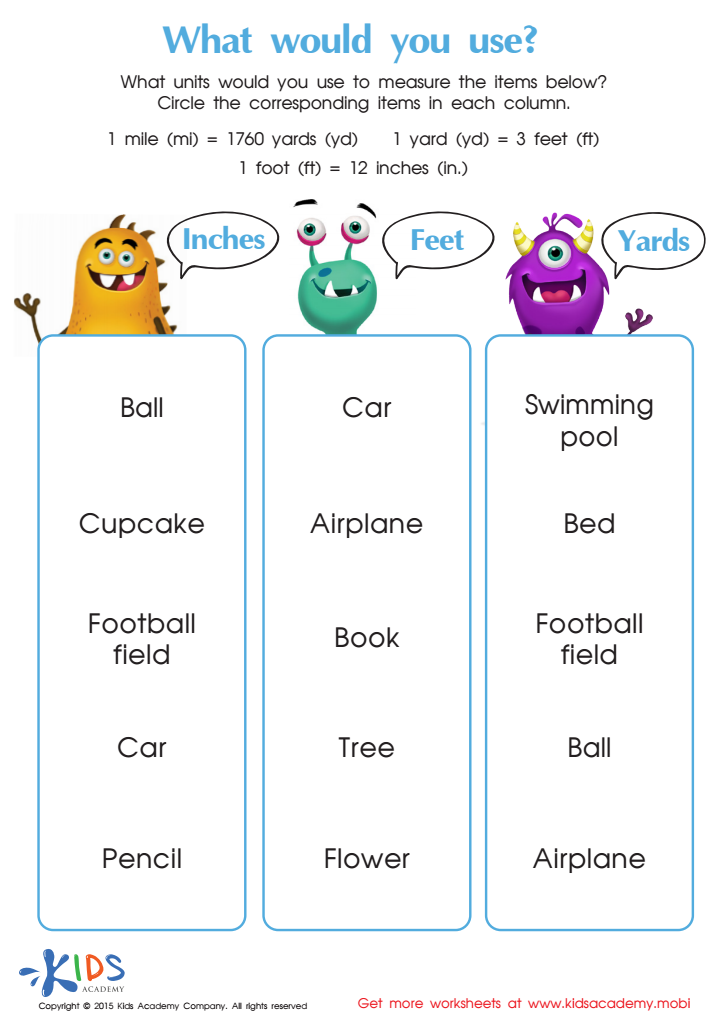
Learning about measuring objects in inches, feet and yards Worksheet
Download, cut and let your preschoolers learn and have fun estimating objects like pencils, airplanes and swimming pools in inches, feet and yards!
 Assign to My Students
Learning about measuring objects in inches, feet and yards Worksheet
Worksheet
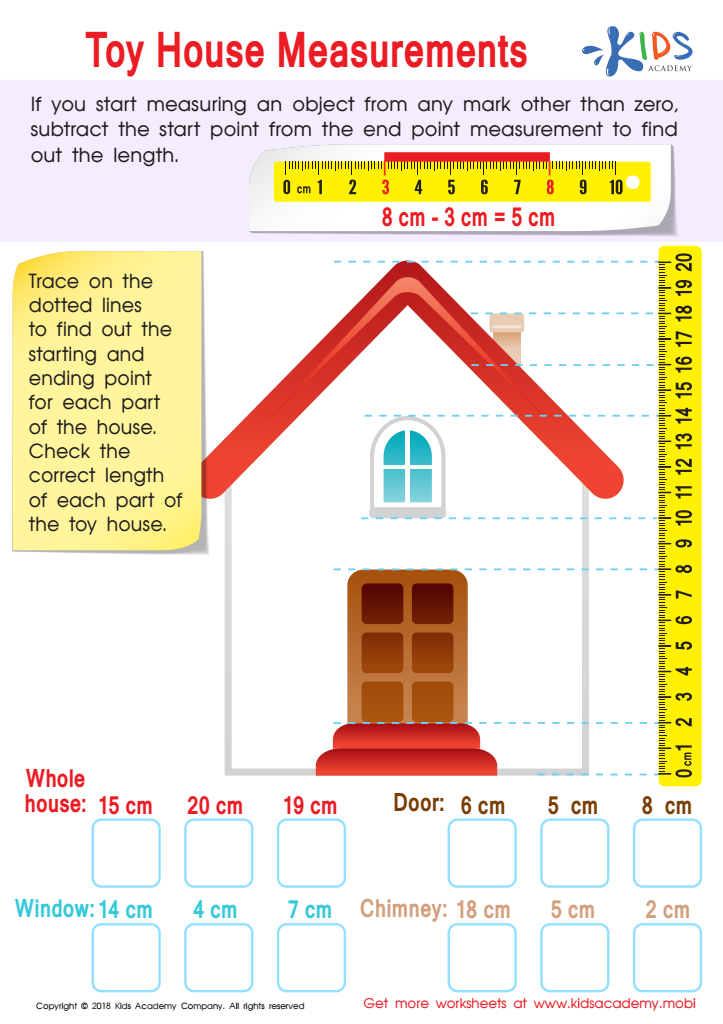
Toy House Measurements Worksheet
This worksheet requires math and measuring skills. When measuring an object from a non-zero starting point, subtract the start point from the end point to get the correct length. Kids must trace the dotted lines to get the right length for each part of the house.
Toy House Measurements Worksheet
Worksheet
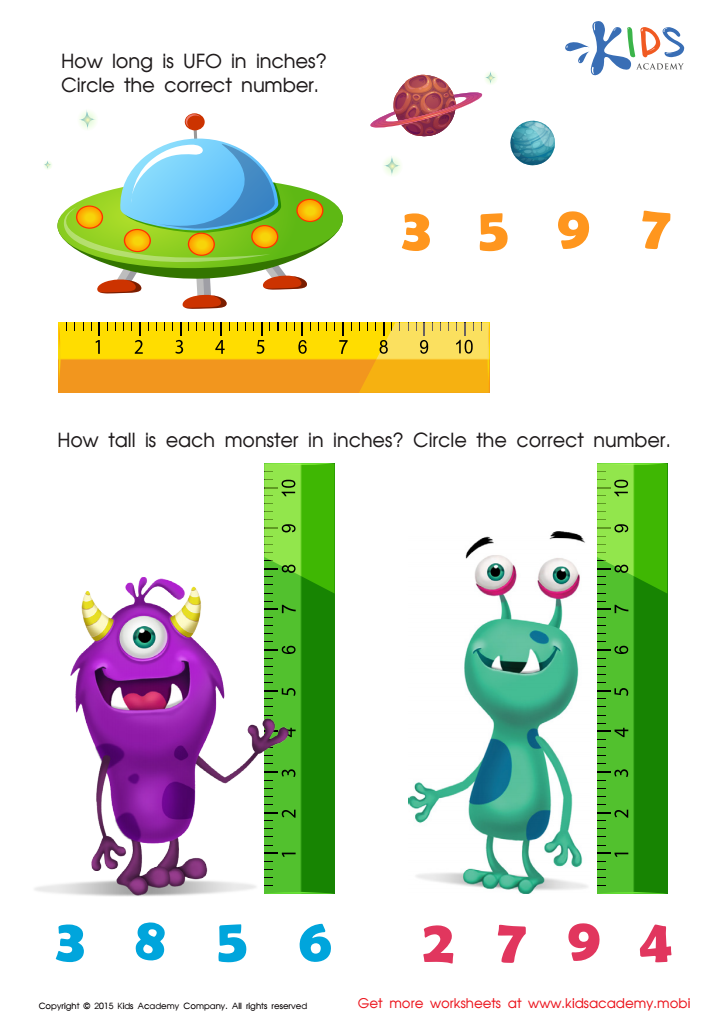
Measuring in Inches Worksheet
Look at the picture, can you measure the UFO & monsters? Write down how long each is. Which is tallest? Circle it. Get more free printable math worksheets for kindergarten at our website.
Measuring in Inches Worksheet
Worksheet
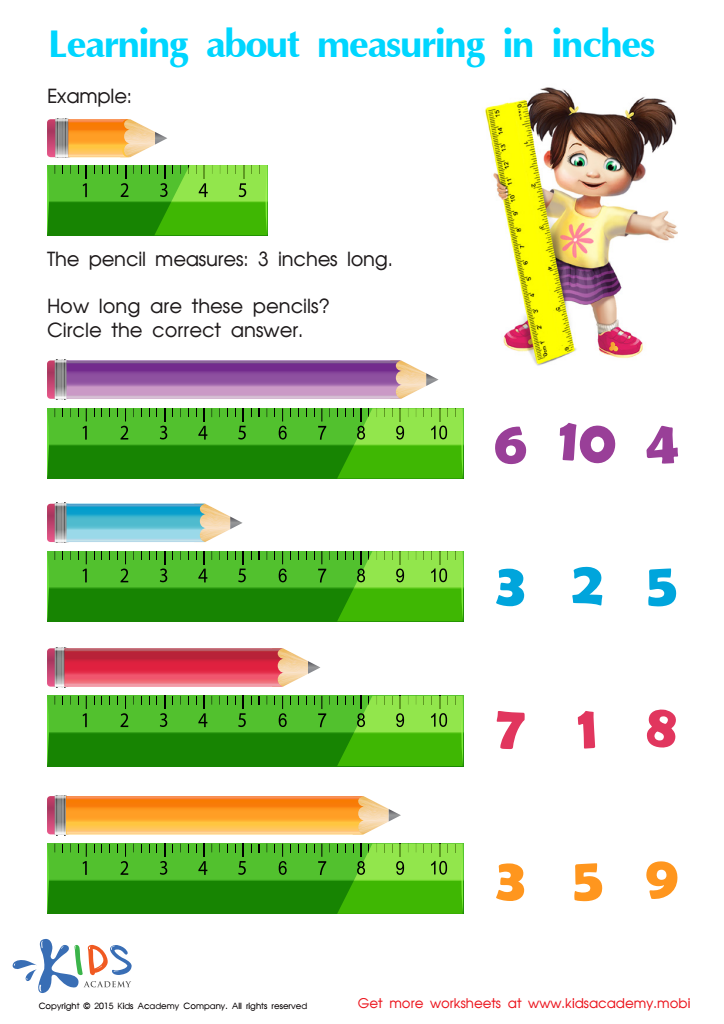
Learning About Measuring In Inches Printable
Print this free worksheet and measure pencils together with kids. See who finds the longest and the shortest! Enjoy learning math with your kids.
Learning About Measuring In Inches Printable
Worksheet
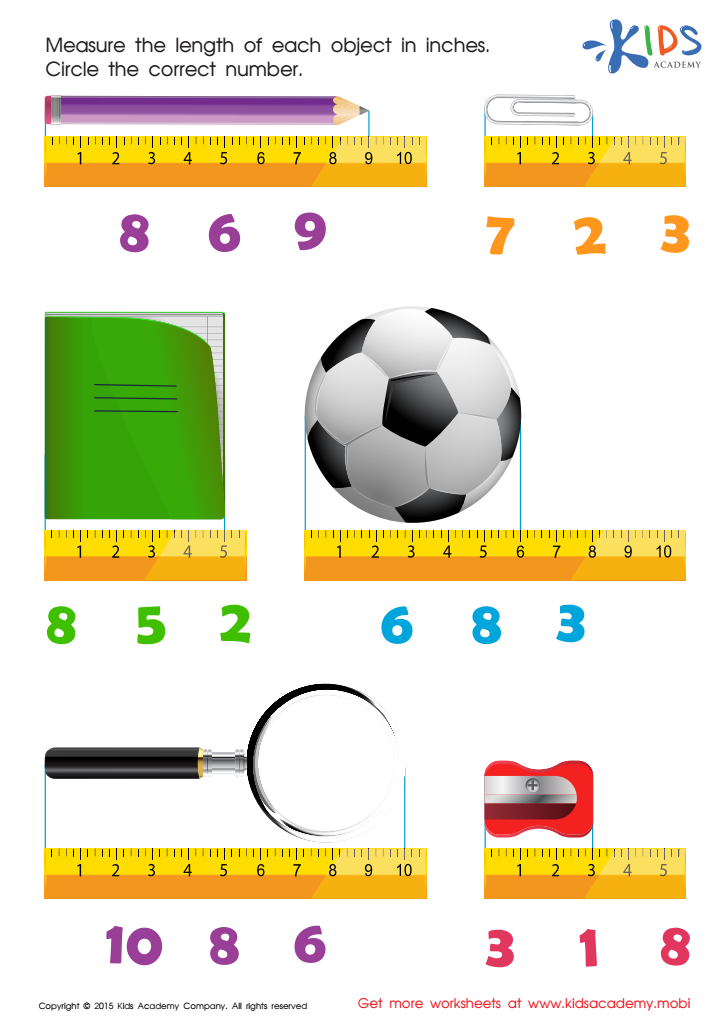
Learning measuring objects in inches Worksheet
Help your little learners gain confidence in using a ruler! Print out our free worksheet, cut out the inch ruler, and let them measure and record objects' width and length. Kids Academy has a variety of math worksheets to make learning math fun! Check out our website for more free printables!
Learning measuring objects in inches Worksheet
Worksheet
Join Kids Academy for Free
Who is primarily going to use this learning content?



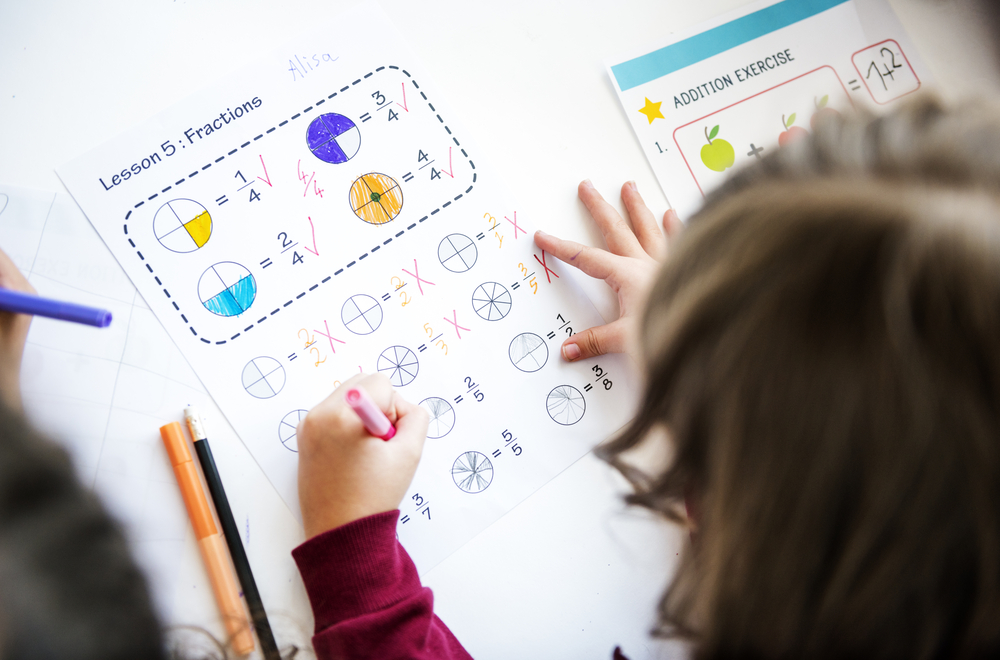




Understanding measurements is essential for children aged 6-7 as it lays the foundation for critical thinking and practical skills that will benefit them throughout their lives. By engaging with measurement concepts, children learn not only to grasp numerical values but also to relate those values to the world around them. For parents and teachers, fostering early measurement skills is crucial for several reasons.
First, measurement involves tangible experiences—measuring objects’ lengths, weights, or volumes encourages hands-on learning, making abstract concepts more relatable and enjoyable. This kind of engagement promotes retention and understanding. Moreover, mastering measurement is fundamental in developing problem-solving skills, as it requires children to compare, estimate, and calculate.
Additionally, measurement is intertwined with various subjects, including science and art, enriching a child's overall educational experience. For instance, cooking, crafting, and experimenting can help reinforce math skills through real-life applications. Finally, recognizing and discussing measurements enhances vocabulary—terms like “longer,” “lighter,” or “fuller”—further supporting language development.
Incorporating measurement challenges in an educational setting not only cultivates curiosity and creativity but also prepares young learners for more advanced mathematical concepts in the future, making it a valuable investment for their education.