Letter recognition Extra Challenge Alphabet Worksheets for Ages 6-8
8 filtered results
-
From - To
Boost your child's literacy skills with our Letter Recognition Extra Challenge Alphabet Worksheets for Ages 6-8! Specially designed to build confidence in young learners, these worksheets offer engaging and fun exercises that promote letter identification, understanding letter sounds, and recognizing both uppercase and lowercase letters. Ideal for kids who need an extra challenge, the activities include puzzles, mazes, and matching games to make learning exciting. Perfect for home or classroom use, these printable worksheets support essential early reading skills. Help your child master the alphabet with our comprehensive and enjoyable practice sheets today!
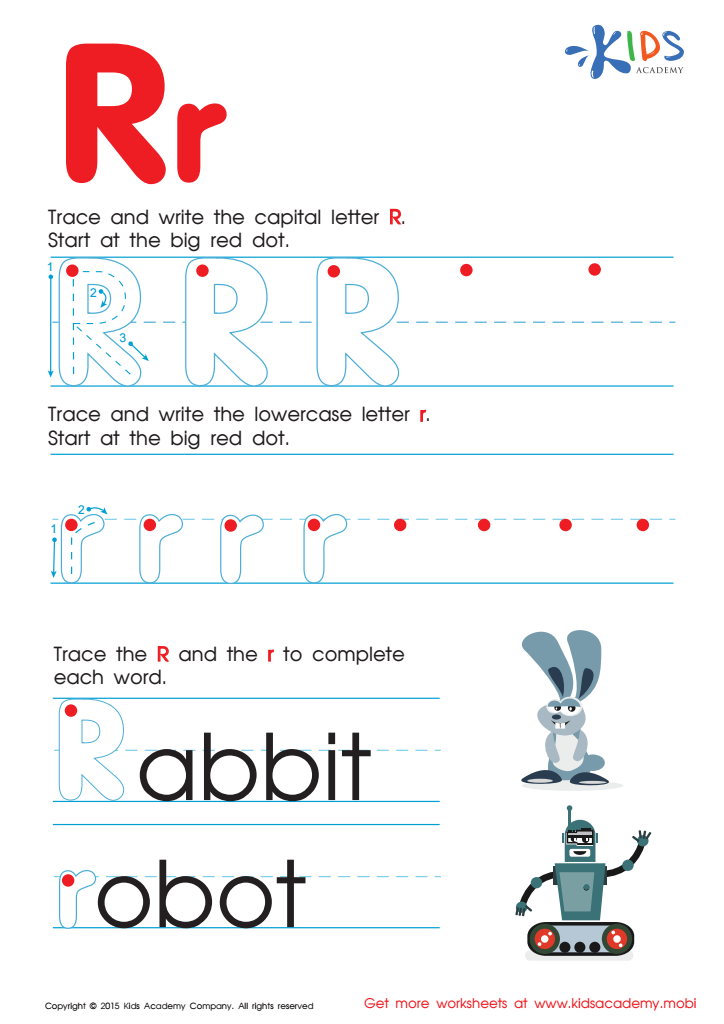
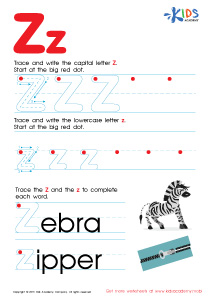
Letter R Tracing Page
 Assign to My Students
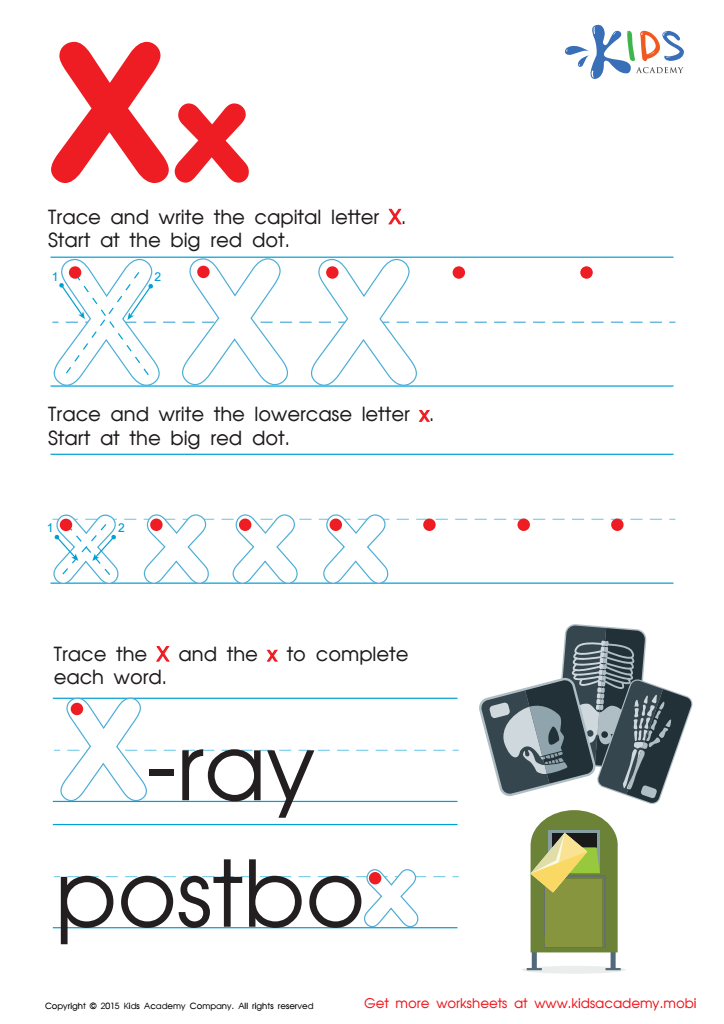
Letter X Tracing Page
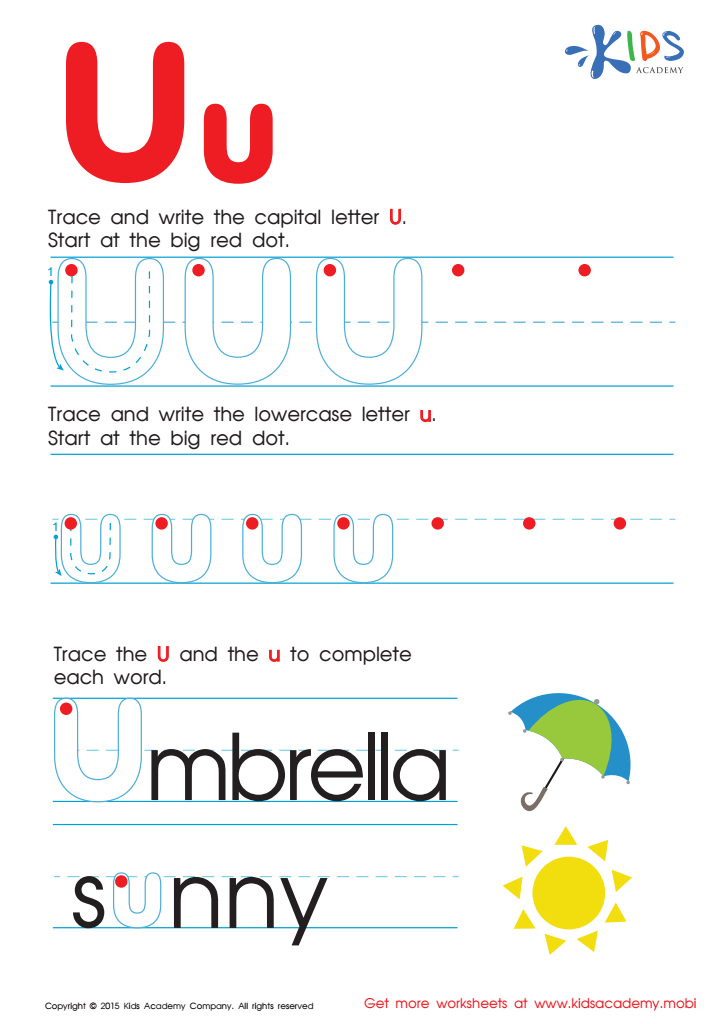
Letter U Tracing Page
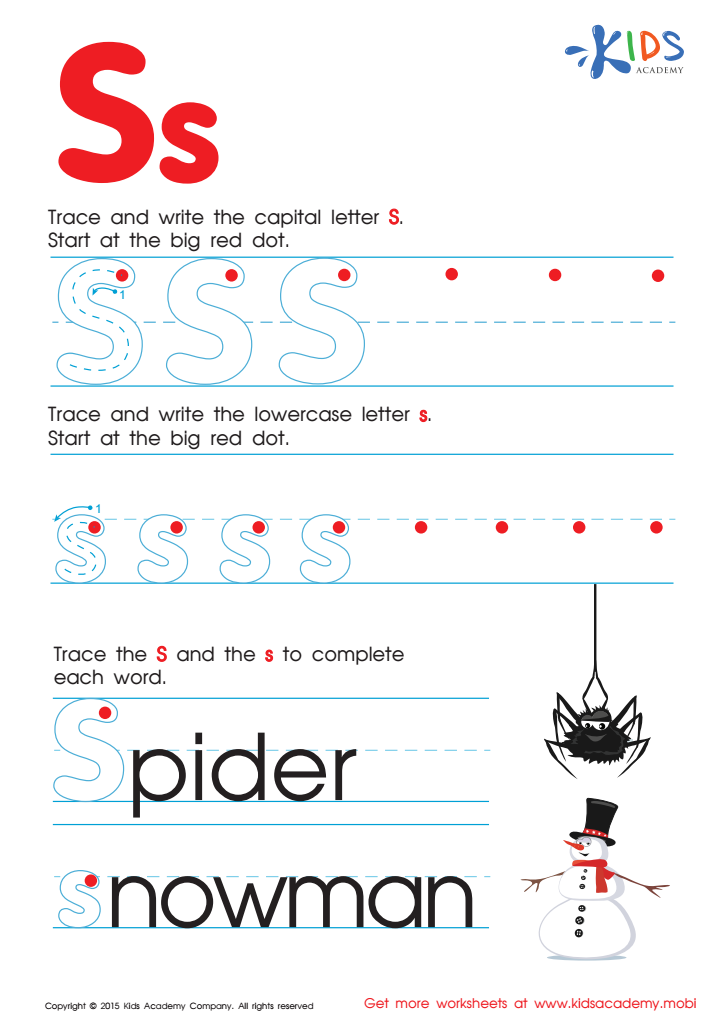
Letter S Tracing Page
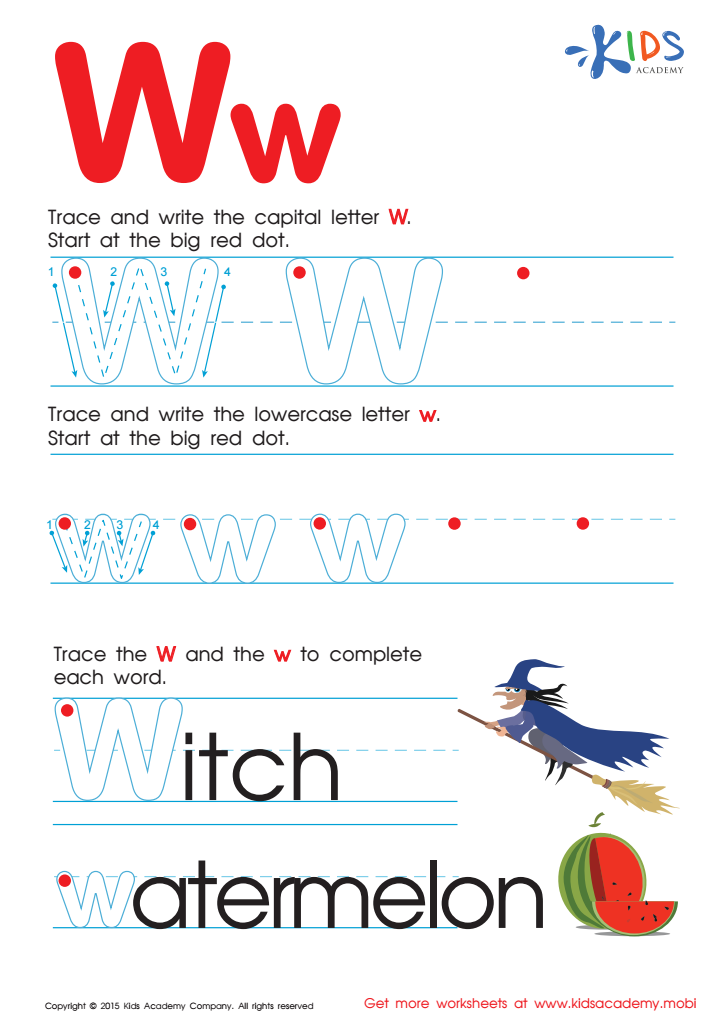
Letter W Tracing Page
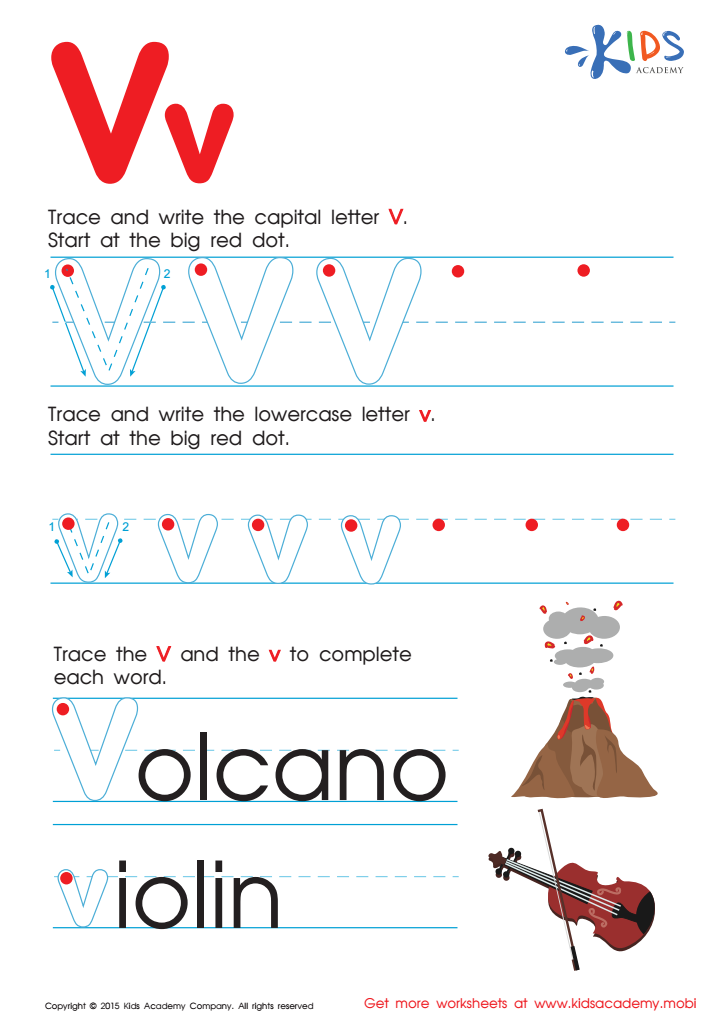
Letter V Tracing Page
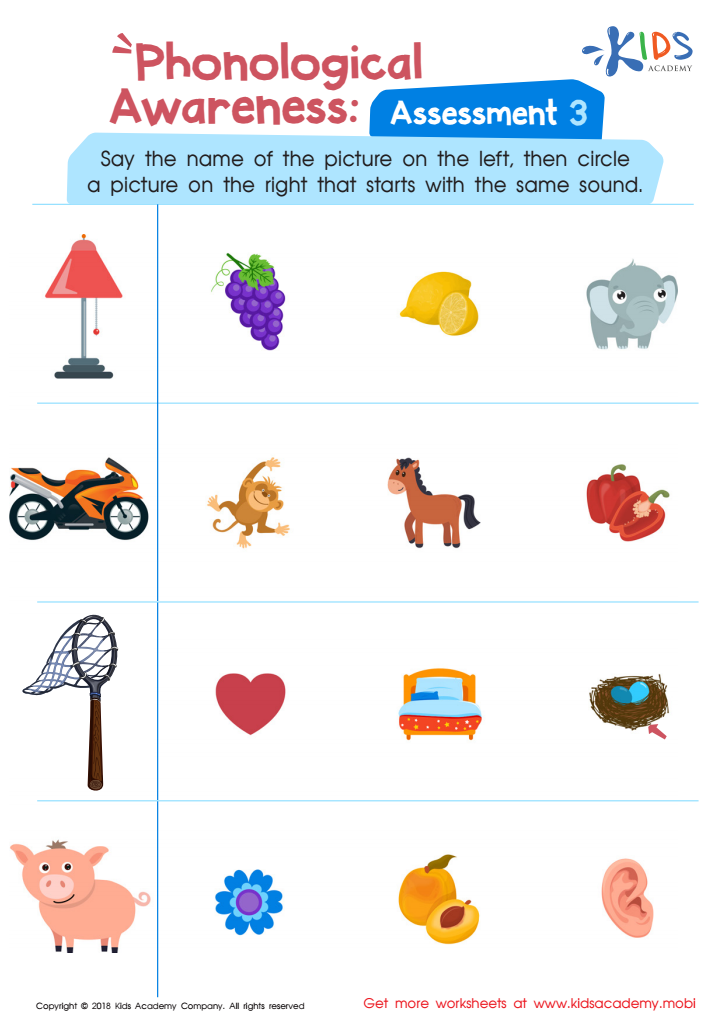
Phonological Awareness: Assessment 3 Worksheet

Letter T Tracing Page








Letter recognition is a fundamental skill for young children, and providing extra challenges in this area for ages 6-8 can significantly bolster their literacy development. Though many children master basic letter identification by kindergarten, continued engagement with more complex alphabetic activities is vital.
During the ages of 6-8, children transition from learning to read to reading to learn. Strengthening letter recognition during these critical years ensures that young learners can quickly and accurately identify letters under various conditions, such as different fonts, sizes, and contexts. This skill directly impacts their fluency, comprehension, and overall confidence in reading and writing tasks.
Extra challenges in letter recognition, like alphabet puzzles, matching games, and identifying letters in different settings, push children's cognitive boundaries. They promote better visual discrimination, attention to detail, and memory retention. Such activities can also be fun and engaging, which helps in cultivating a lifelong love for reading.
For parents and teachers, investing in these challenges is an investment in a child's future academic success. Strong literacy skills are the foundation for all subsequent learning. By reinforcing letter recognition through extra challenges, children can become more proficient readers, better communicators, and more capable learners across all subjects.