Vowel Recognition Extra Challenge Phonics Worksheets for Ages 6-8
8 filtered results
Difficulty Level
Grade
Age
-
From - To
Subject
Activity
Standards
Elevate your child’s vowel learning with our "Vowel Recognition Extra Challenge Phonics Worksheets for Ages 6-8." Designed for early learners, these printable worksheets offer advanced exercises to master vowel sounds, blending, and word formation. Each activity is crafted to enhance phonemic awareness, ensuring engaging and effective learning. Perfect for young readers hitting new milestones, these challenges bolster reading skills and pronunciation. Discover a fun and educational experience that your child will love! Dive into our collection and watch your little learner excel in recognizing and using vowels with confidence. Visit our page to get started today!
Favorites
With answer key
Interactive
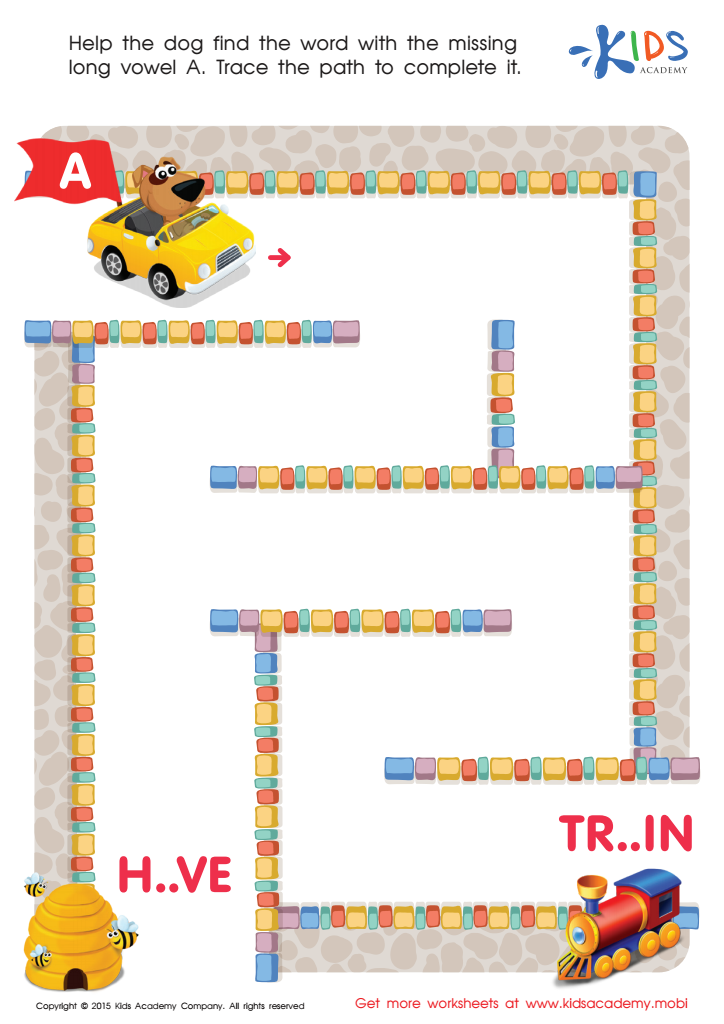
Long Vowel Sound A Worksheet
Teach your young learner about the long vowel A with this colorful free printable phonics worksheet. The long vowel A says its name while the short vowel A does not. Complete the worksheet by tracing the root to the toy train and helping the dog by filling in the missing letter A. Have them practice writing and spelling with phonics while having fun!
 Assign to My Students
Long Vowel Sound A Worksheet
Worksheet
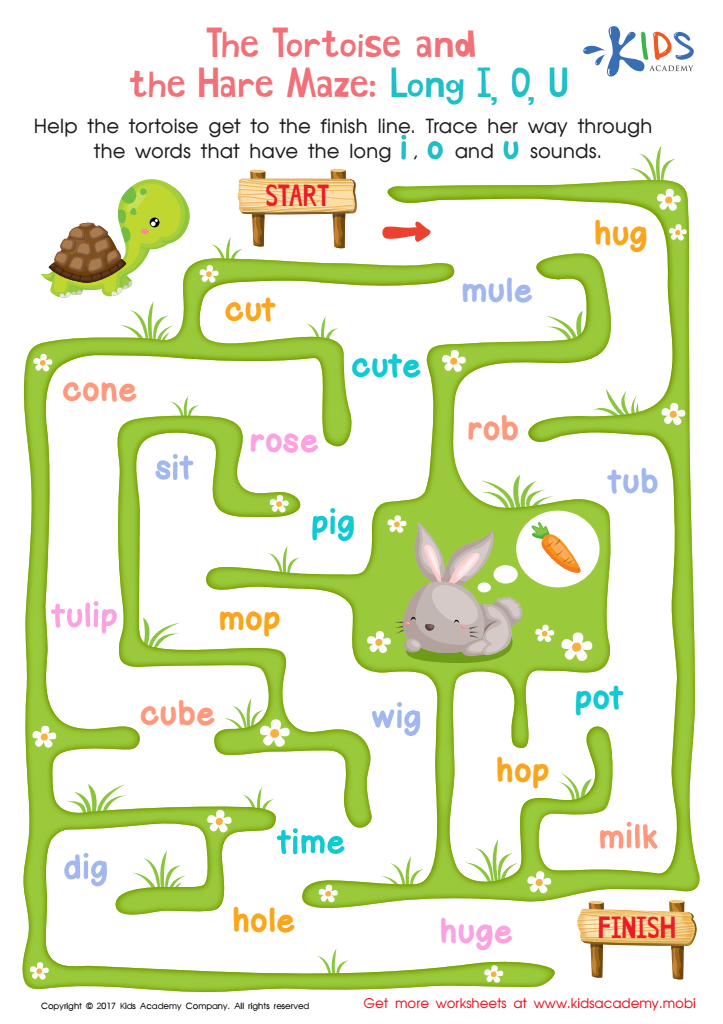
Long I, O, U Words Worksheet
This fun phonics worksheet has your child race the tortoise and hare to the finish line. Find all the long vowel sounds to win! It'll help your child's recognition of long I, O, and U words without him realizing it!
Long I, O, U Words Worksheet
Worksheet
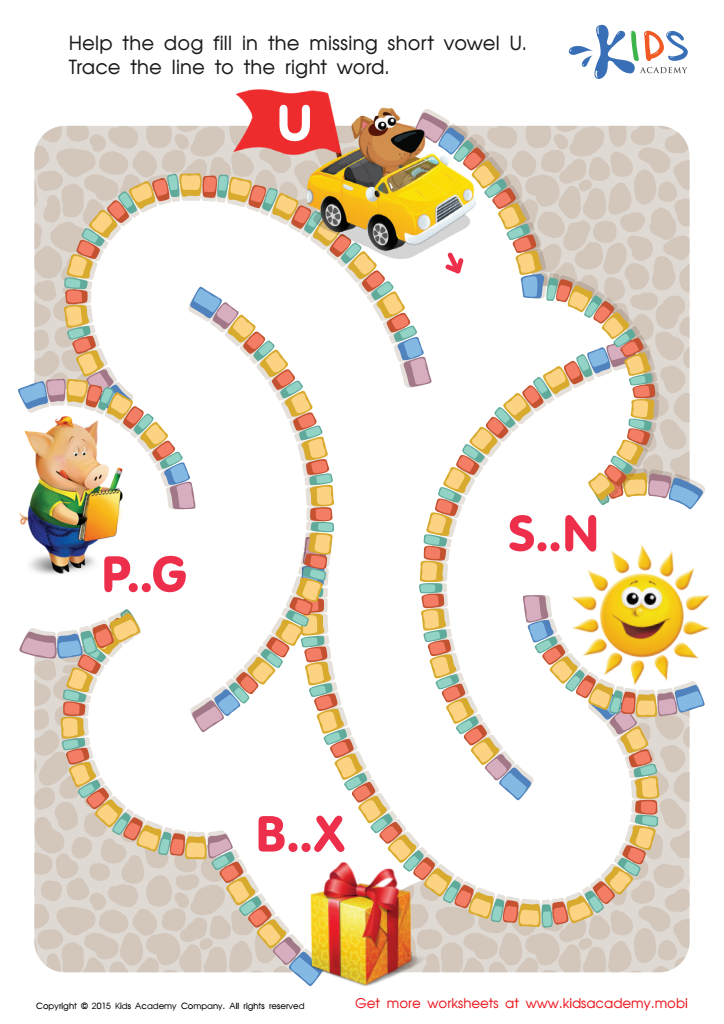
Short Vowel Sound U Worksheet
Practice abc phonics to help young learners link sounds to letters. This free printable phonics worksheet helps your kid learn the short vowel sound U. Guide them through the maze to help the dog complete the word "sun". Make sure they say the word out loud to emphasize the short U sound. Check out more phonics worksheets with mazes here.
Short Vowel Sound U Worksheet
Worksheet
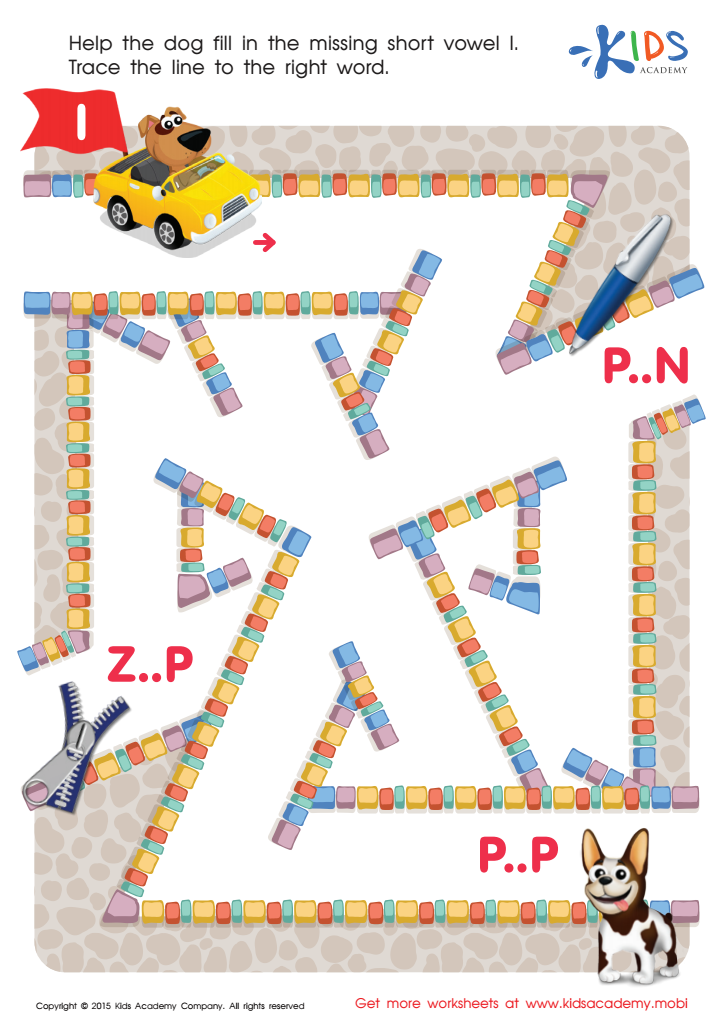
Short Vowel Sound I Worksheet
This free printable phonics worksheet will get your kid prepped for reading! It's a maze to help the dog complete the word “zip” with the missing letter I. Have your kid say the word aloud to learn the I sound. It's a great way to practice reading, writing and spelling skills. Check out here for more phonics worksheets!
Short Vowel Sound I Worksheet
Worksheet
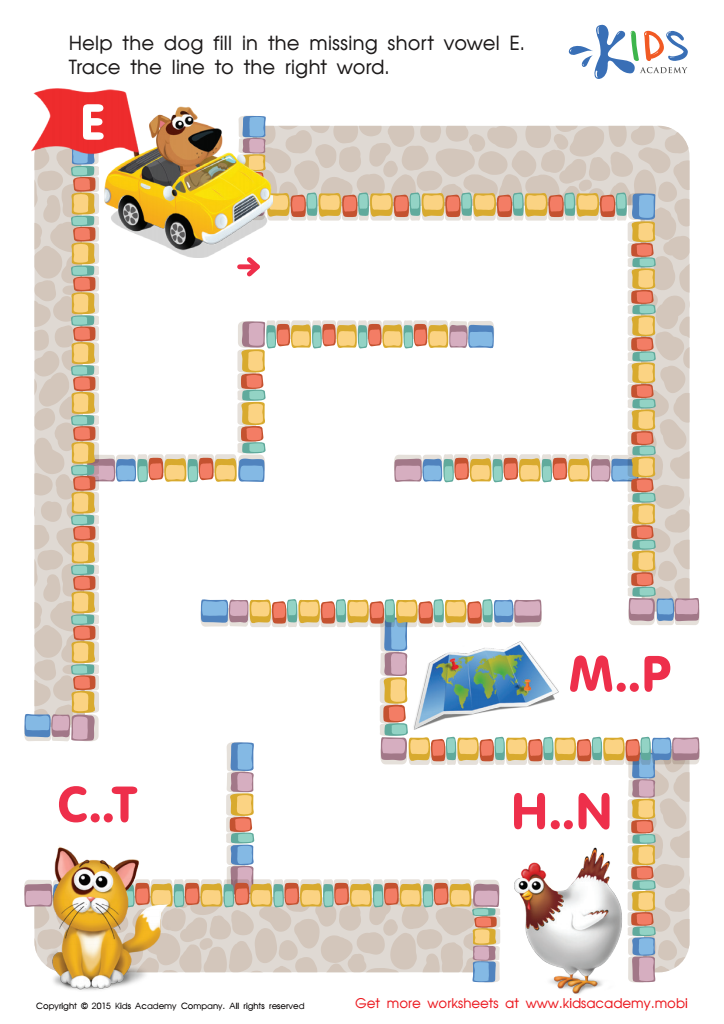
Short Vowel Sound E Worksheet
This free printable phonics worksheet helps kids learn the short vowel sound E. Kids need to help the dog complete the word “hen” by finding their way through a maze. It teaches kids to see the connection between letters and sounds and also strengthens their writing and spelling skills. Fun and educational, this phonics worksheet is great for kids. Want more? Check out here.
Short Vowel Sound E Worksheet
Worksheet
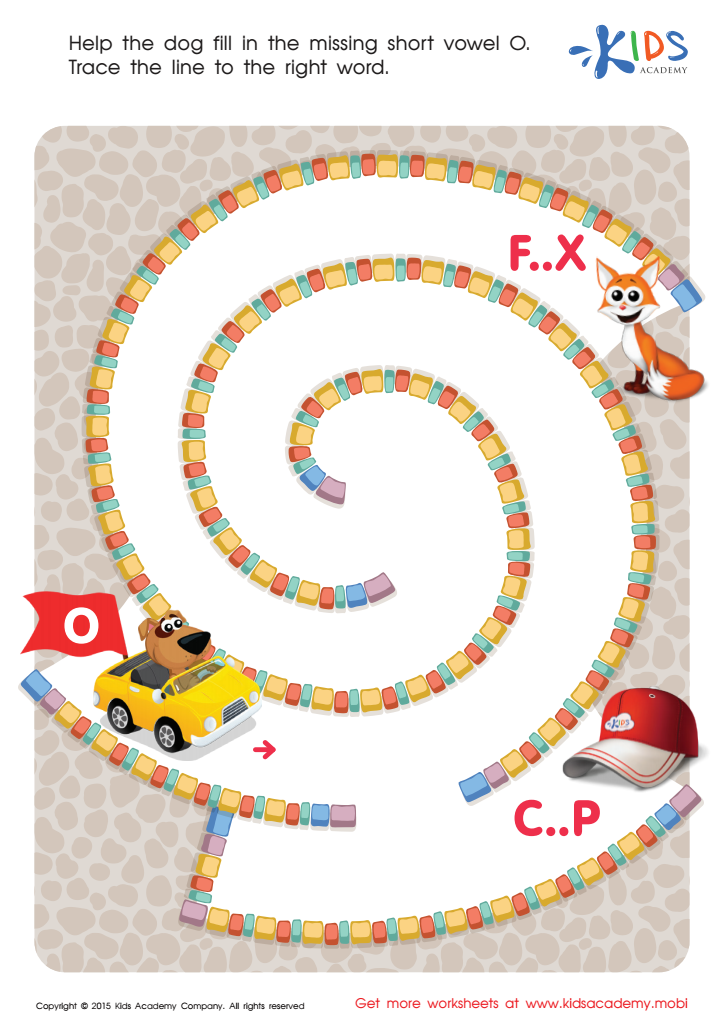
Short Vowel Sound O Worksheet
Help your child learn the short vowel sound O with this fun and free printable phonics worksheet! They'll need to complete the maze to help the dog finish the word "fox" with the missing letter O. Engage their fine motor muscles while they color or trace the maze with crayon or pencil. This educational activity is sure to bring a smile to your little learner's face! For more phonics worksheets, check here.
Short Vowel Sound O Worksheet
Worksheet
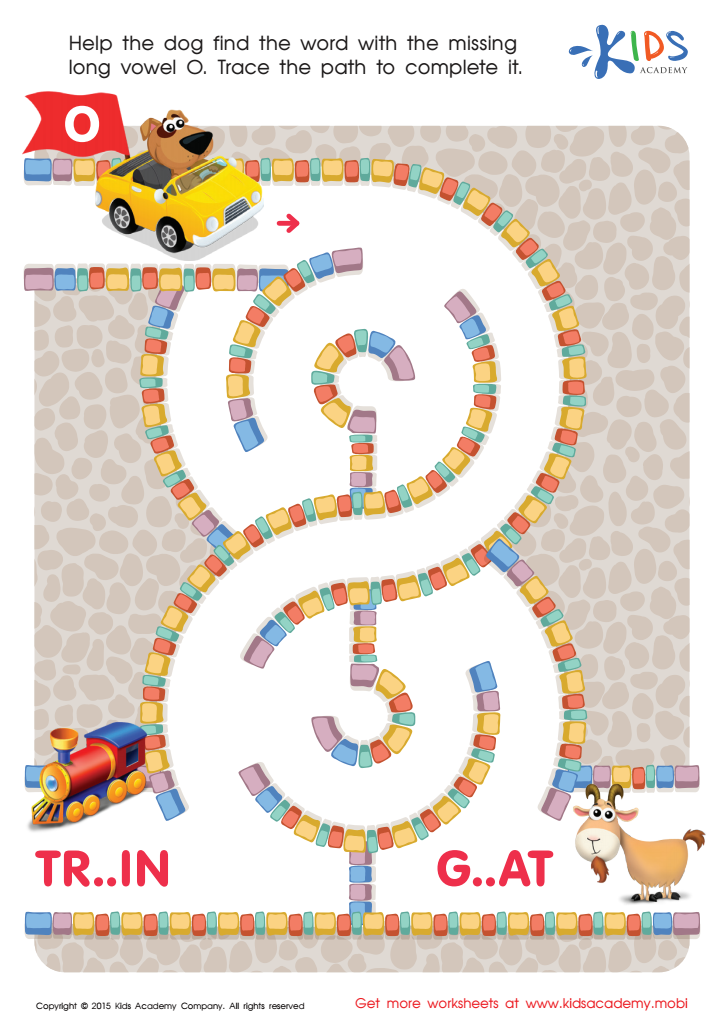
Long Vowel Sound O Worksheet
Help the goat find her missing O! Guide your little learner through this fun maze to help the goat get its vowel sound back. Make phonics learning engaging and enjoyable with this free printable worksheet.
Long Vowel Sound O Worksheet
Worksheet
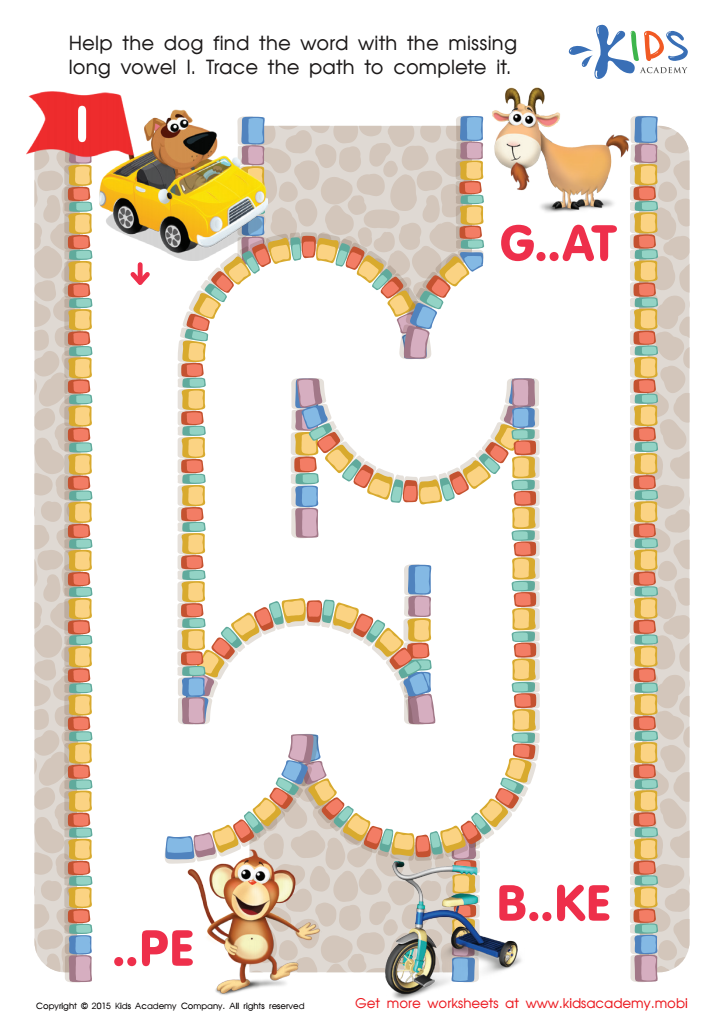
Long Vowel Sound I Worksheet
Learning long vowels is essential to becoming a good reader. Ask your child to distinguish between the long and short I vowel sounds. Remind them that the long I says its name, while the short I doesn't. With this fun printable phonics worksheet, your kid can practice writing and spelling while helping a dog find his way through a maze. Check out our phonics worksheets for more learning activities.
Long Vowel Sound I Worksheet
Worksheet
Join Kids Academy for Free
Who is primarily going to use this learning content?








Vowel Recognition Extra Challenge Phonics for ages 6-8 is fundamental in nurturing foundational literacy skills critical for early reading and writing. At this pivotal age, children transition from recognizing letters to understanding how they combine to form words. Mastering vowel sounds is an essential part of this process, as vowels are the building blocks of the English language, occurring in nearly every word.
This stage-specific phonics program targets precision in vowel pronunciation, helping children distinguish between short and long vowel sounds. A strong grasp on vowel sounds supports better spelling patterns and decoding skills, which are vital for reading fluency. When children misinterpret vowel sounds, it can lead to significant misunderstandings and impair their ability to comprehend texts.
Furthermore, structured phonics challenges enhance auditory discrimination while reinforcing memory retention. This directed focus can bridge gaps for children who might be struggling, fostering a more inclusive learning environment. When parents and teachers invest in this comprehensive approach, they empower children to read confidently and independently, setting a robust foundation for future academic and lifelong success. By fostering early phonics competency, educators and caregivers cultivate a love for reading and promote broader intellectual growth and curiosity in young learners.