Attention to Detail Extra Challenge Worksheets for Ages 6-8
5 filtered results
-
From - To
Ignite your child’s observational skills with our "Attention to Detail Extra Challenge Worksheets" designed specifically for ages 6-8. These engaging worksheets help young learners hone their focus, comprehension, and critical thinking abilities through a variety of fun and stimulating activities. Tailored to promote detail-oriented learning, each worksheet reinforces essential skills while encouraging creativity and problem-solving. Ideal for at-home practice or classroom use, these challenges make learning enjoyable and effective. Watch your child's confidence soar as they tackle each task with enthusiasm! Explore our diverse worksheet options and help your budding learners excel in attention to detail today!
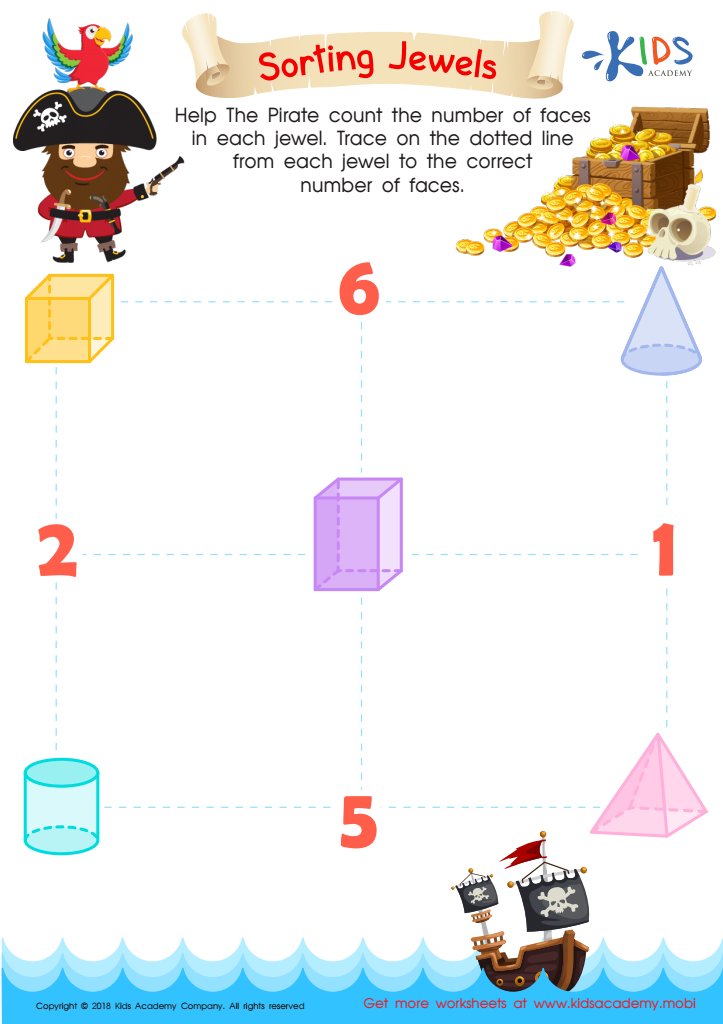
Sorting Jewels Worksheet
 Assign to My Students
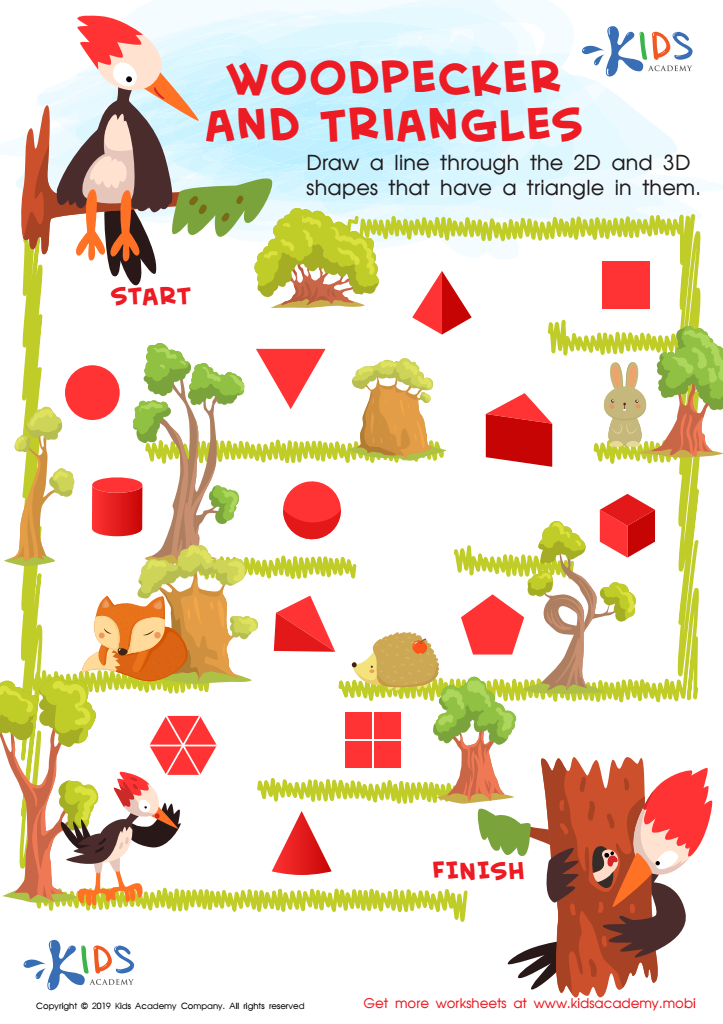
Woodpecker and Triangles Worksheet
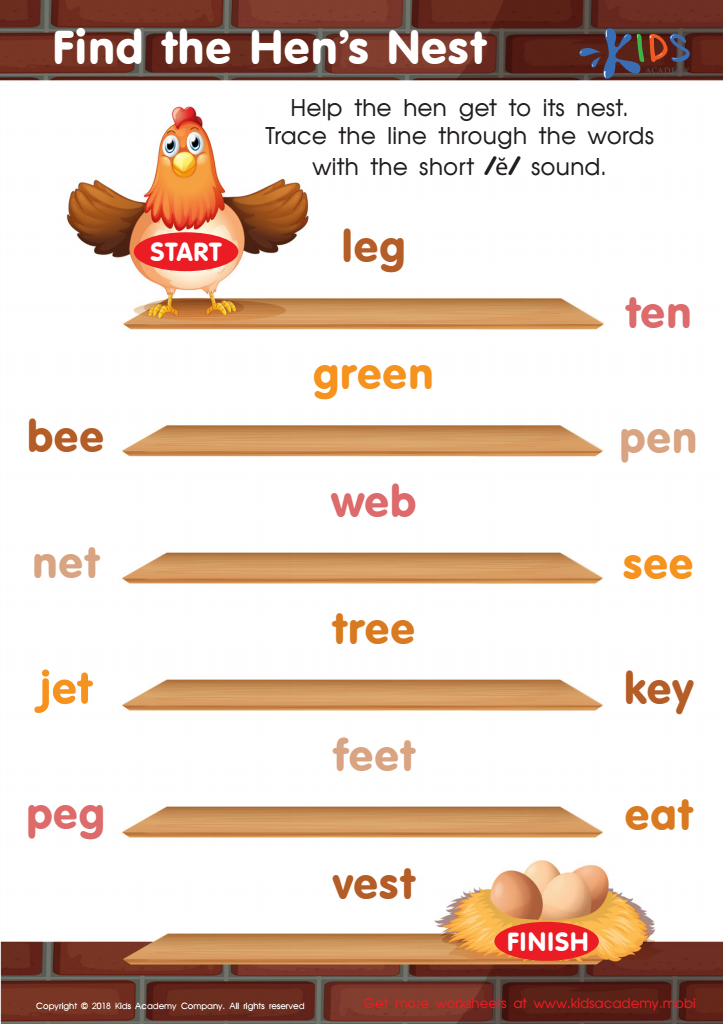
Find Hens Nest Reading Worksheet
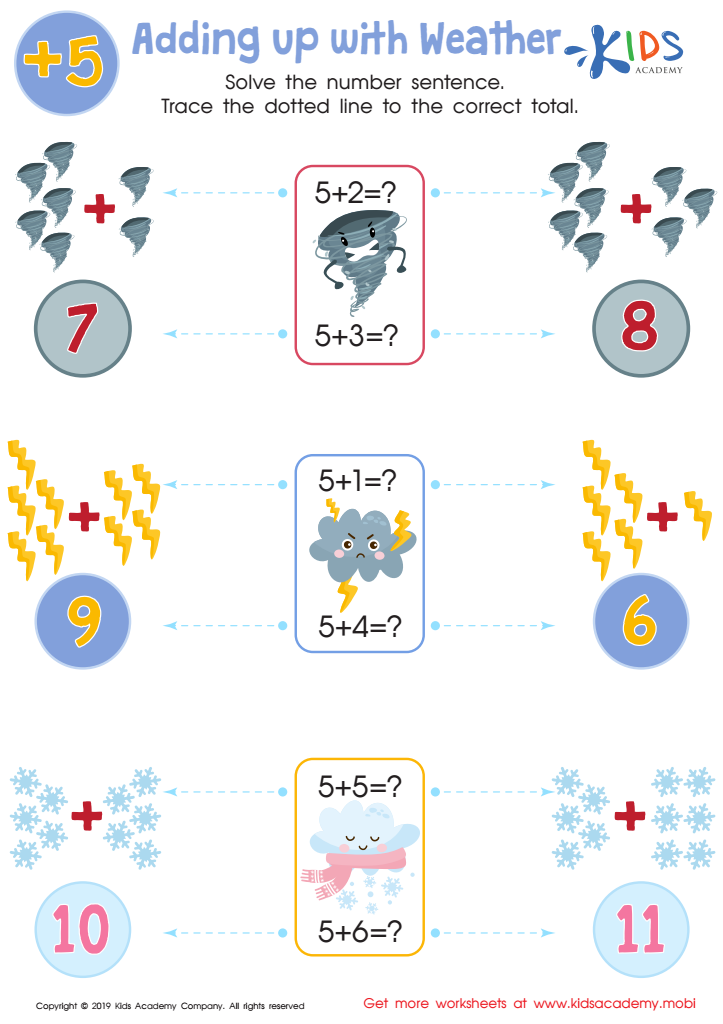
Adding up With Water Worksheet
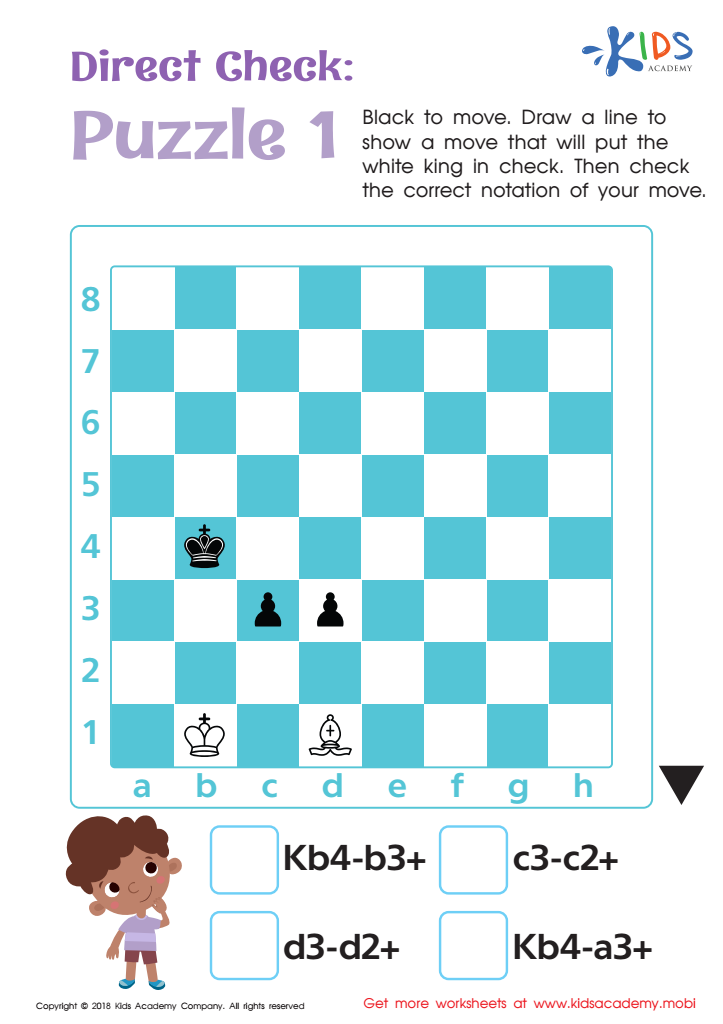
Direct Check: Puzzle 1 Worksheet


.jpg)





Attention to Detail Extra Challenge is vital for children aged 6-8 as it fosters essential cognitive and social skills. At this age, children are developing critical thinking abilities and fine-tuning their observation skills. Engaging with activities that focus on attention to detail encourages curiosity and enhances their ability to process information accurately, crucial for future academic success.
Additionally, these challenges promote patience and perseverance—traits that will serve them well in any learning environment. When children practice paying attention to details, they become more adept at identifying and solving problems independently. This bolsters their confidence and self-esteem, as mastering such challenges provides a sense of accomplishment.
Moreover, attention to detail supports literacy and numeracy skills. For instance, noticing differences in letters or numbers strengthens their reading and math abilities. Socially, it helps children become more aware of their environment and the feelings of others, promoting empathy and cooperation.
Finally, fostering attention to detail can lead to a greater appreciation for creativity and artistry. By valuing the small nuances in various contexts, children learn to appreciate the world around them in a more profound, meaningful way. In short, nurturing these skills in young learners today cultivates thoughtful, engaged citizens of tomorrow.








