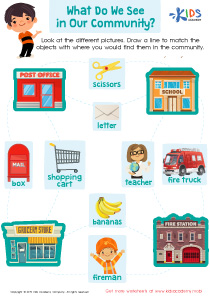
Math problem-solving Extra Challenge Math Worksheets for Ages 6-8
4 filtered results
-
From - To
Explore our "Math Problem-Solving Extra Challenge" worksheets designed specifically for children aged 6-8! These engaging and interactive worksheets encourage critical thinking and enhance problem-solving skills through fun, hands-on math challenges. Perfect for reinforcing classroom lessons or supplementing home learning, our resources cater to varying skill levels, making math exciting and approachable for young learners. With problems that promote logical reasoning and creativity, your child will gain confidence in their mathematical abilities. Download our worksheets today and watch your little mathematicians thrive as they tackle each challenge with enthusiasm and joy!
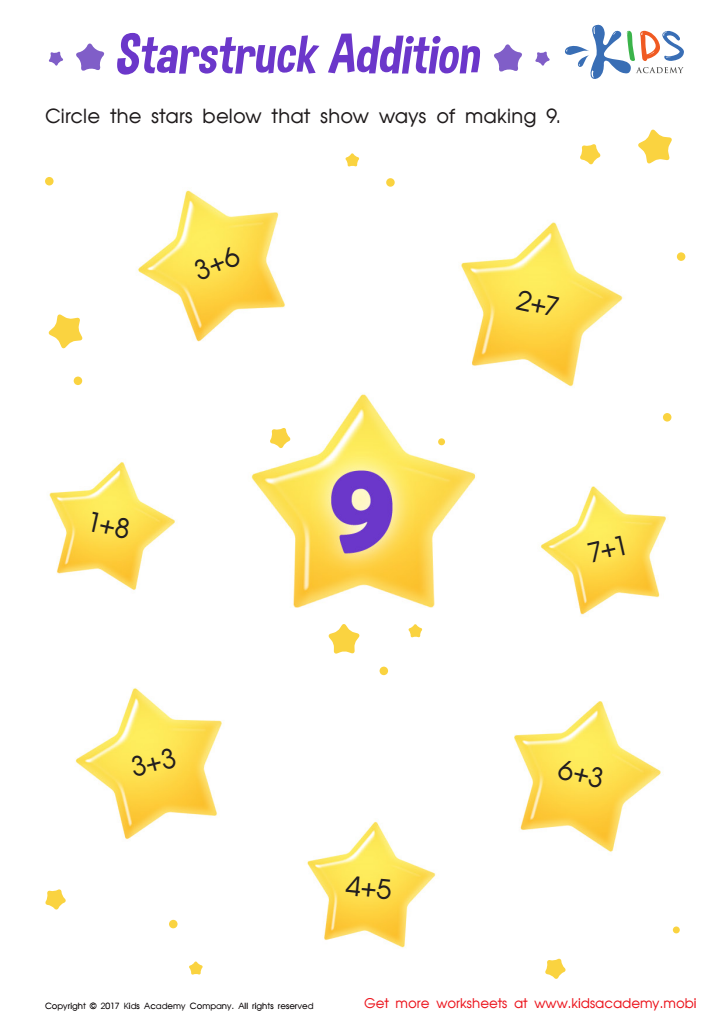
Starstruck Addition Printable
 Assign to My Students
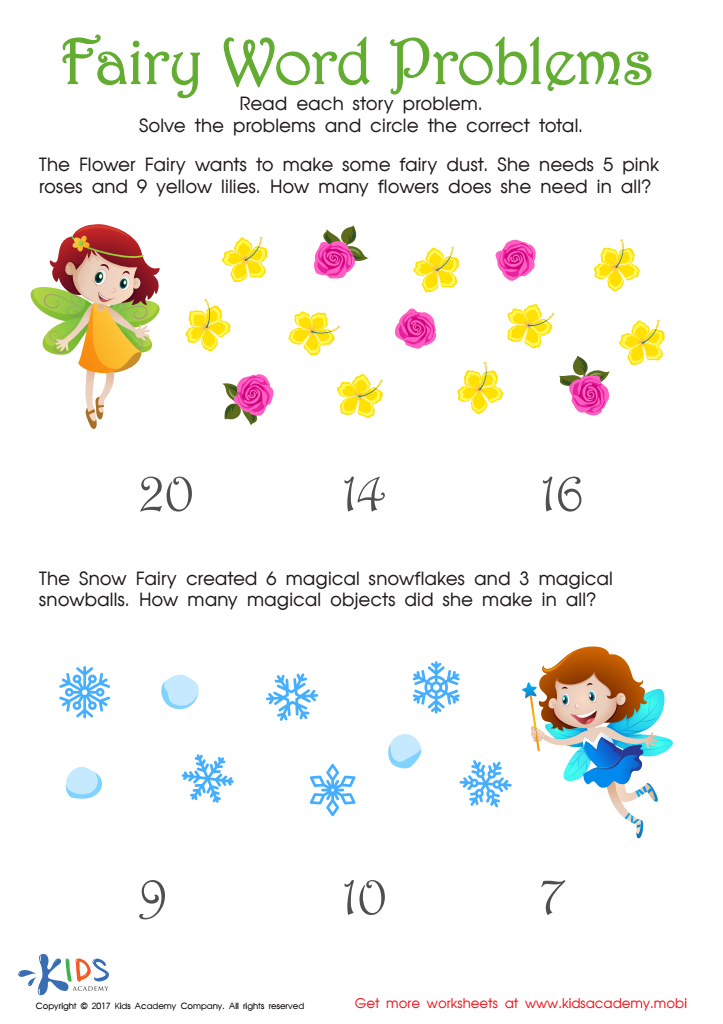
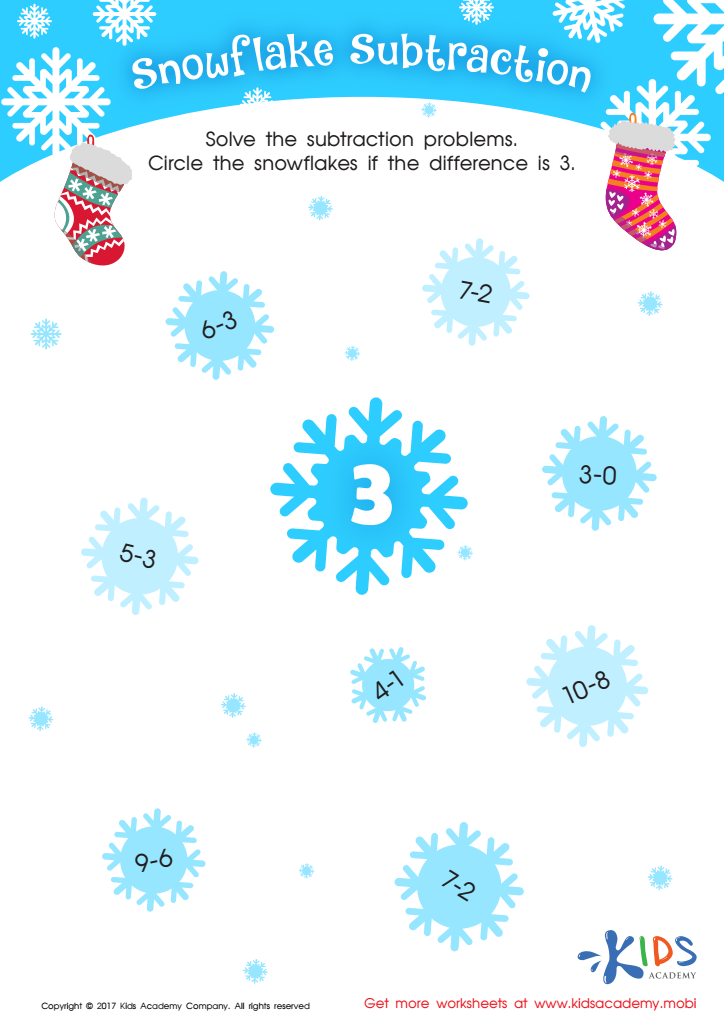
Snowflake Subtraction Worksheet
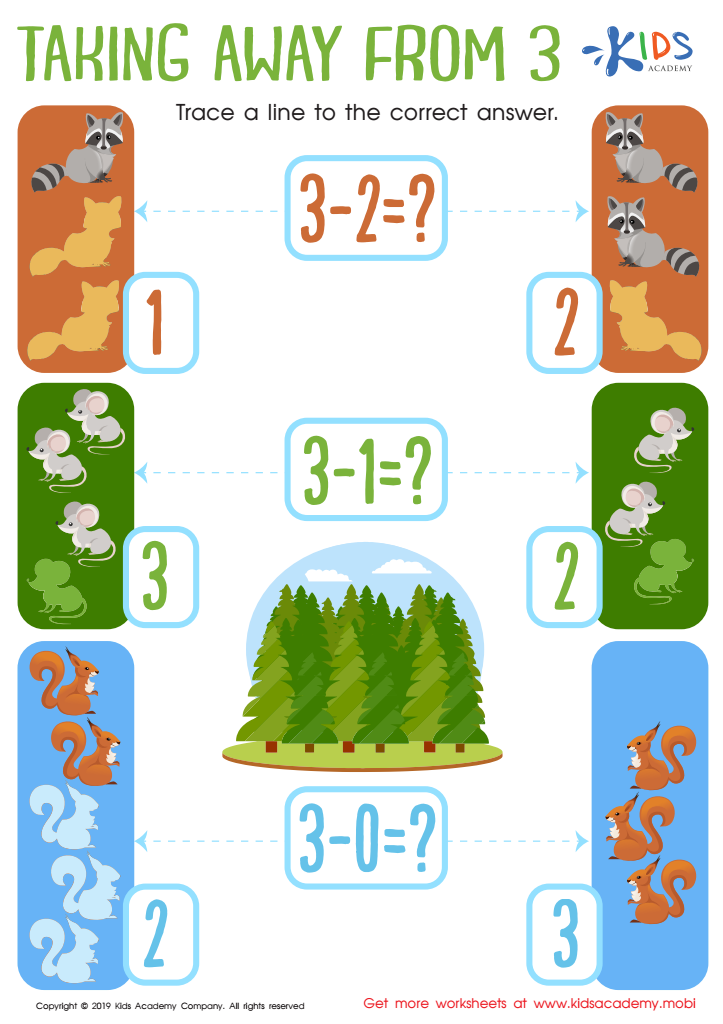
Taking Away From 3 Worksheet








Parents and teachers should care about Math Problem-Solving Extra Challenge activities for ages 6-8 because these activities go beyond basic arithmetic to foster critical thinking and creativity in young learners. At this developmental stage, children are especially receptive to building strong foundational skills in math, which is essential for their future academic success. These challenges encourage students to explore multiple strategies, enhancing their problem-solving abilities and promoting a growth mindset.
Furthermore, engaging with extra challenges helps students develop patience and perseverance—qualities crucial not only in math but in all areas of learning. By approaching complex problems, children learn to tackle difficulties with resilience and confidence. Additionally, it enhances their ability to work collaboratively with peers, fostering social skills and teamwork.
Moreover, these activities can make math engaging and enjoyable. When young learners are stimulated by inviting challenges, they are more likely to cultivate a genuine interest in the subject. As a result, they may perceive math as not just a series of computations but as a fun and intriguing realm to explore. This deeper interest in math can lead to improved academic performance and a lifelong appreciation for the subject, making early engagement vital for long-term educational outcomes.