Problem-Solving Skills Extra Challenge Social Studies Worksheets for Ages 6-8
7 filtered results
Difficulty Level
Grade
Age
-
From - To
Subject
Activity
Standards
Unlock your child's potential with our Problem-Solving Skills Extra Challenge Social Studies Worksheets, designed specifically for ages 6-8. These engaging worksheets incorporate fun and interactive activities to enhance critical thinking and analytical abilities. Children will explore various social studies concepts while tackling real-world problems, fostering creativity and independent thinking. Each worksheet is tailored to align with age-appropriate learning standards, ensuring a comprehensive educational experience. Ideal for both classroom use and at-home learning, these extra challenges will encourage kids to think outside the box and develop essential problem-solving skills. Equip your young learners for future success today!
Favorites
With answer key
Interactive
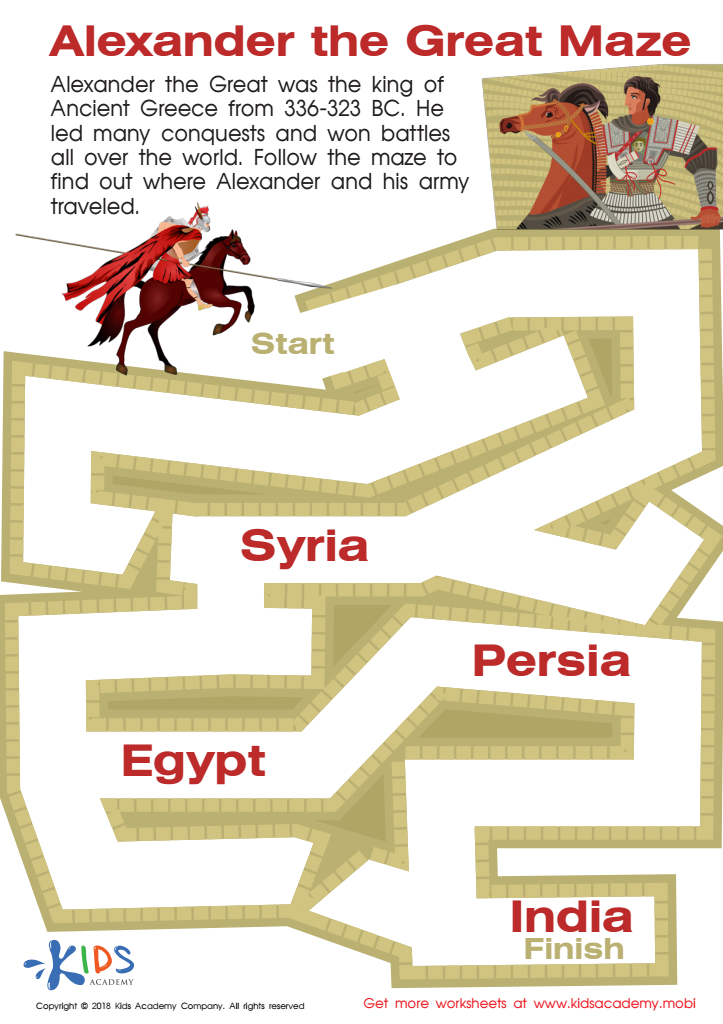
Alexander the Great Maze Worksheet
Kids Academy invites young historians to explore the legendary journey of Alexander the Great! Read the explanation and trace a path through the maze to find out where he and his army went: India! Along the way, they will learn about his amazing conquests, which made him one of the most famous figures in history.
 Assign to My Students
Alexander the Great Maze Worksheet
Worksheet
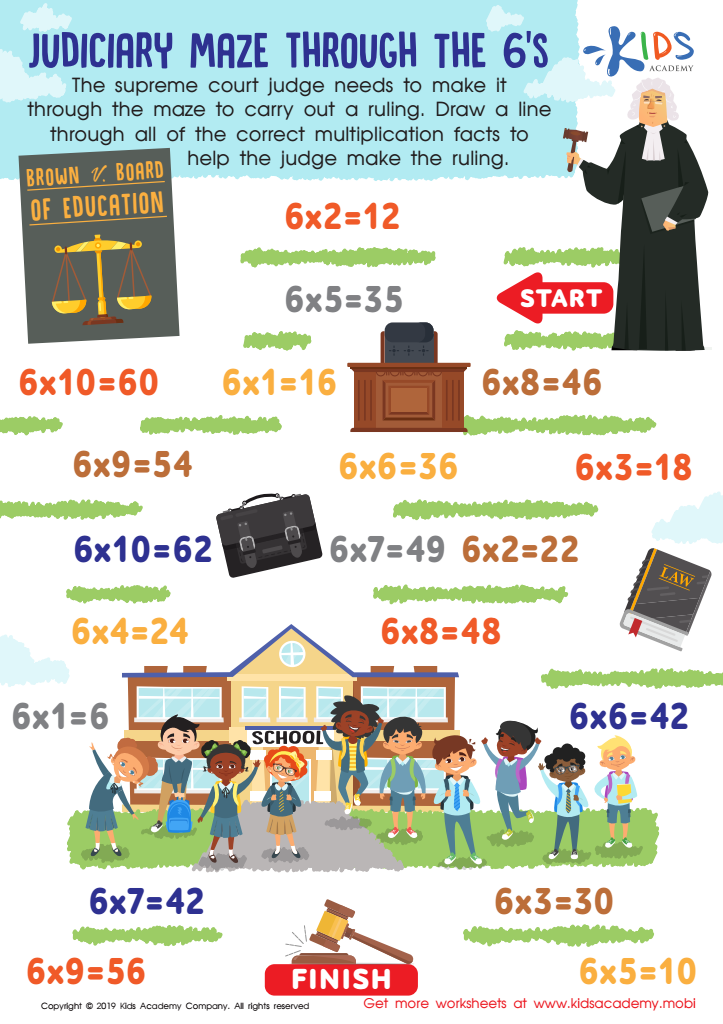
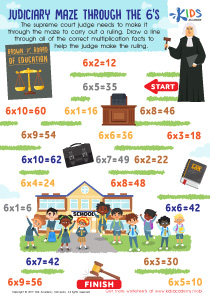
Judiciary Maze Through The 6’s Worksheet
Multiplication can be complicated for kids, with lots of numbers and a seemingly endless multiplication table. Get them interested with a fun worksheet! Have them draw a line through all the correct multiplication facts to help the judge make it through the maze and carry out a ruling.
Judiciary Maze Through The 6’s Worksheet
Worksheet
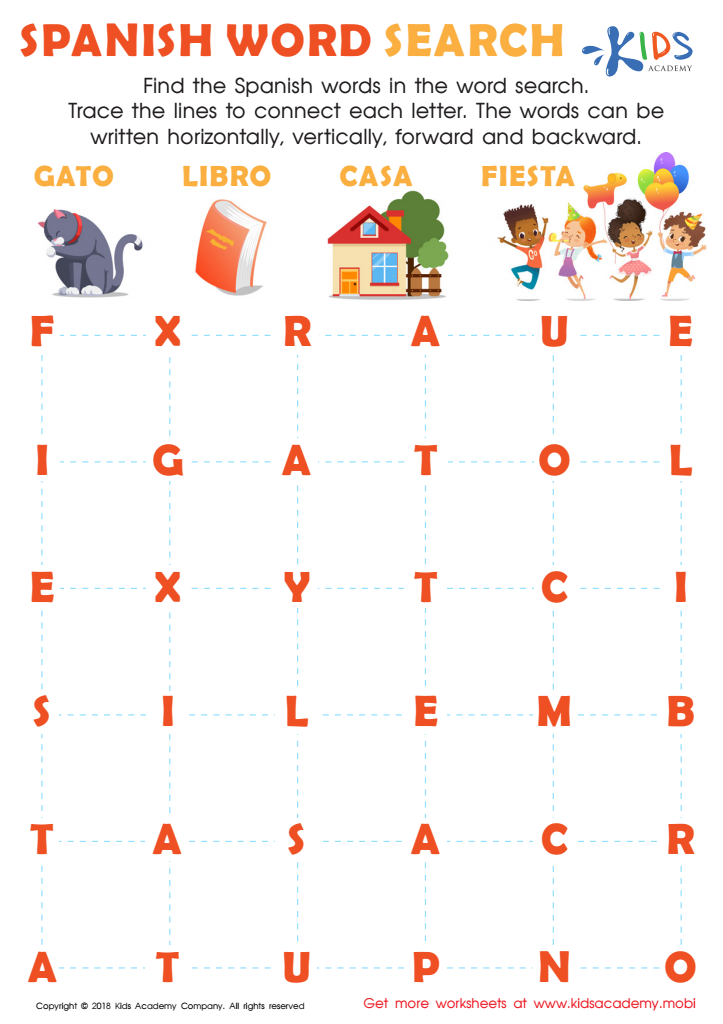
Spanish Word Search Worksheet
This free worksheet encourages students to learn Spanish words while developing visual, fine motor, and hand-eye coordination skills. Through colorful pictures and traceable lines, the task of finding words such as gato, libro, casa, and fiesta is disguised as a fun and engaging way to explore new cultures.
Spanish Word Search Worksheet
Worksheet
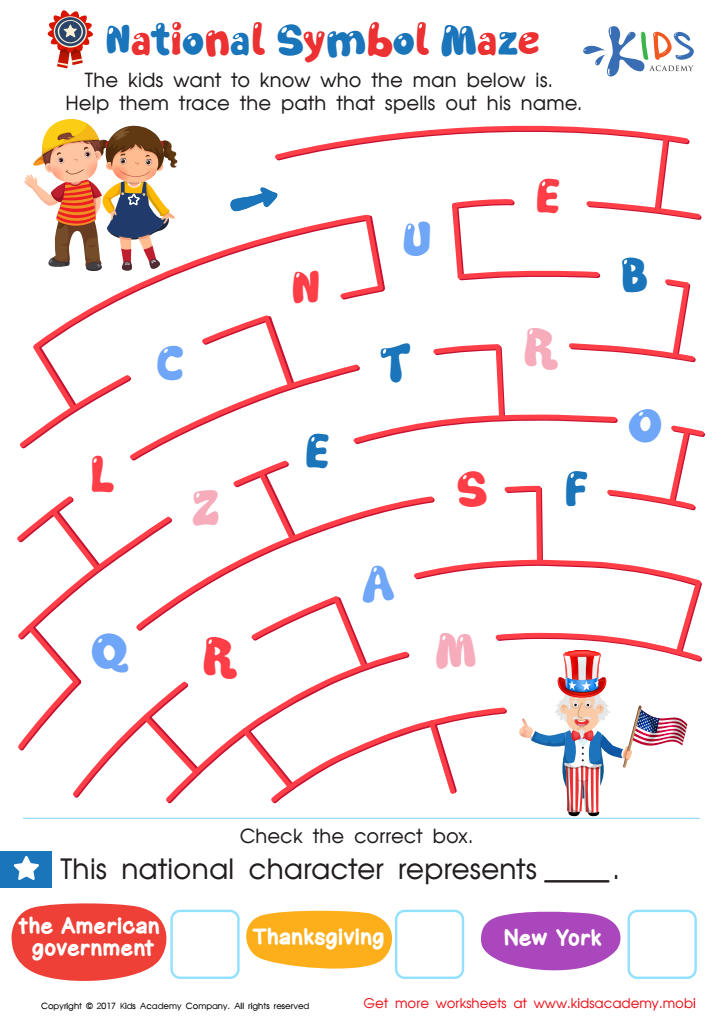
National Symbol Maze Worksheet
Introduce your child to Uncle Sam, a symbol of US history. The national symbols of the USA worksheet will help them learn about our rich culture and history.
National Symbol Maze Worksheet
Worksheet
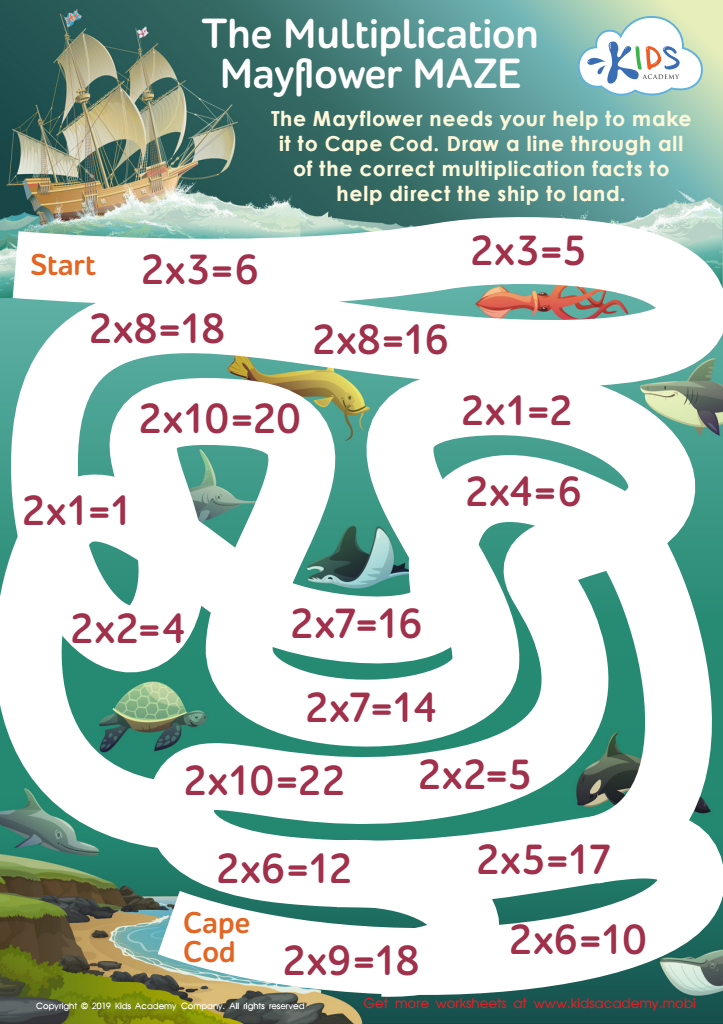
The Multiplication Mayflower Maze Worksheet
Math may not be a favorite subject but it must be tackled. To get minds engaged, use colorful, fun worksheets like this one. Ask students to draw a line connecting all the correct multiplication facts to help the Mayflower get to Cape Cod.
The Multiplication Mayflower Maze Worksheet
Worksheet
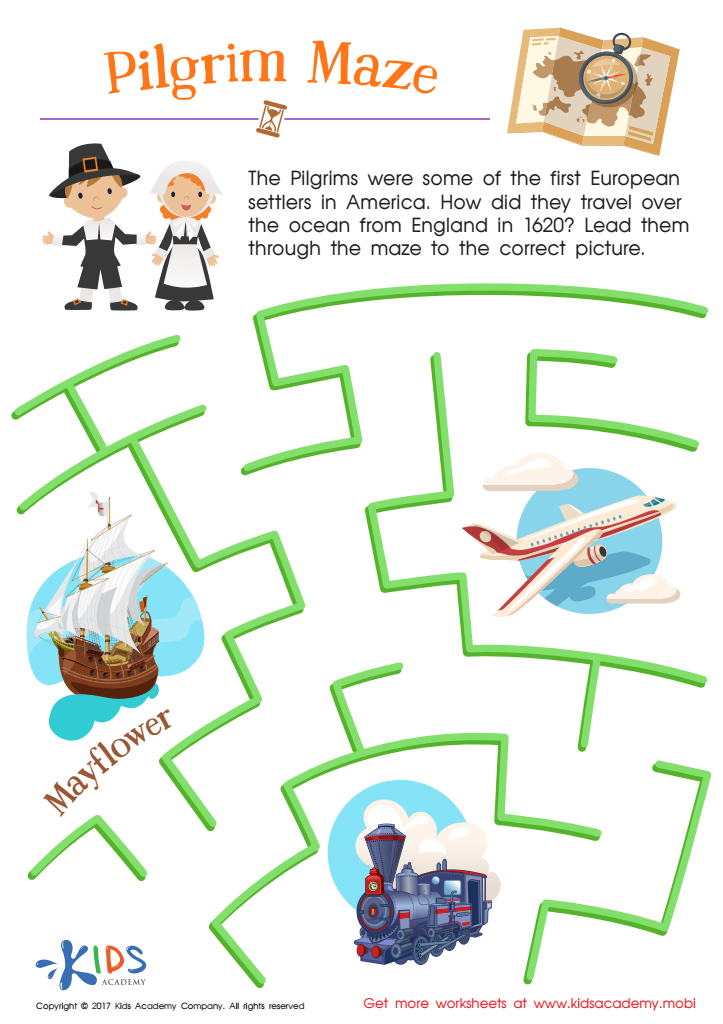
Pilgrim Maze Worksheet
This worksheet is perfect for teaching kids about an important moment in American History! Your child will have a blast solving the maze to recall that the Mayflower brought the pilgrims to the New World in 1620. It reinforces American history facts and develops visual motor and problem solving skills. It also uses modern pictures to make kids think about the right answer. Get this challenging pilgrim printable maze or a full collection of history worksheets for your little learner!
Pilgrim Maze Worksheet
Worksheet
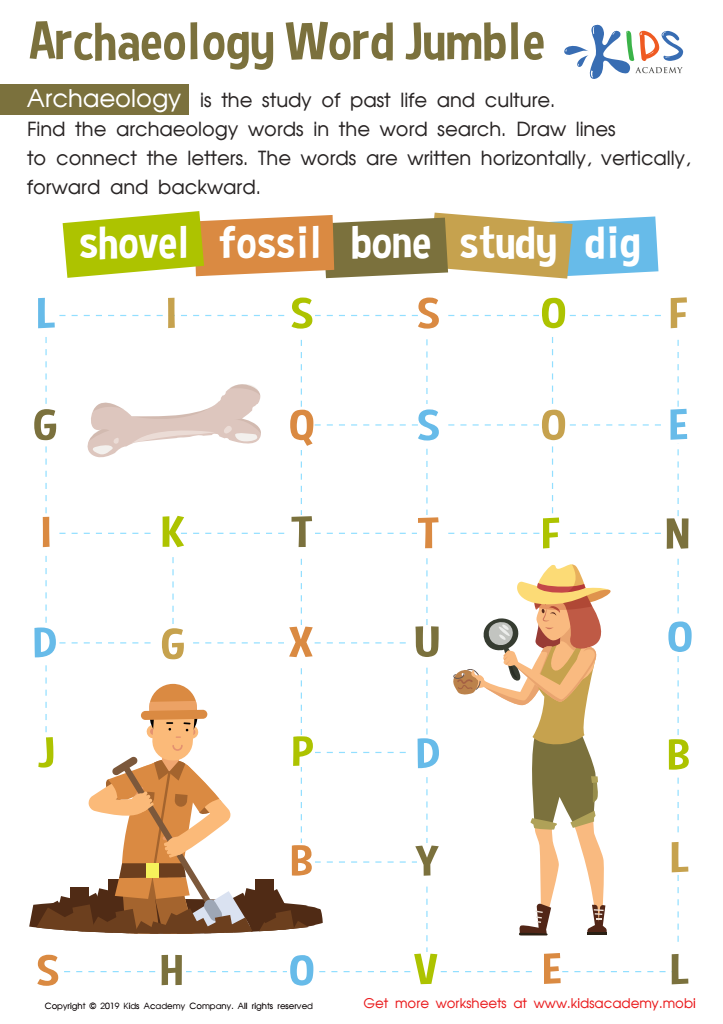
Archaeology Word Jumble Worksheet
Kids will love this fun, colorful word search about archeology! Tracing the lines, they'll uncover terms related to the study of past life and cultures. As they explore, they'll learn about fossils and bones and discover new archeology words.
Archaeology Word Jumble Worksheet
Worksheet
Join Kids Academy for Free
Who is primarily going to use this learning content?








Problem-solving skills are essential for children, especially in social studies, where they learn about communities, cultures, and the world around them. For ages 6-8, developing these skills fosters critical thinking and helps children navigate complex concepts such as cooperation, conflict resolution, and diverse perspectives.
When parents and teachers encourage problem-solving in social studies, they equip children with tools to investigate and understand pressing social issues, allowing them to contemplate solutions creatively. For instance, understanding historical events or current affairs requires analyzing varied viewpoints and considering different contexts, skills that are crucial for informed citizenship.
Moreover, engaging children in problem-solving challenges makes learning interactive and enjoyable. It nurtures their curiosity and motivates them to seek knowledge actively, hence enhancing their retention and understanding.
Additionally, honing these skills prepares children for future academic pursuits and everyday life, helping them tackle challenges with confidence and resilience. Overall, social studies lessons enriched with problem-solving exercises cultivate not only knowledgeable students but also empathetic individuals who can navigate the complexities of society effectively. By prioritizing these activities, parents and teachers play a pivotal role in shaping responsible, thoughtful citizens.