Handwriting practice Extra Challenge Letter Recognition Worksheets for Ages 6-9
5 filtered results
-
From - To
Improve your child's handwriting and letter recognition skills with our "Handwriting Practice Extra Challenge Letter Recognition Worksheets" designed for ages 6-9! These engaging worksheets provide a fun and interactive way for young learners to enhance their alphabet understanding while perfecting their penmanship. Each worksheet features a variety of exercises that encourage children to practice letter formation through tracing and free writing, boosting confidence and literacy skills. Ideal for classroom or home learning, our resources are crafted to cater to diverse learning styles. Give your child the tools they need to succeed in writing and recognizing letters with our unique and effective practice sheets!
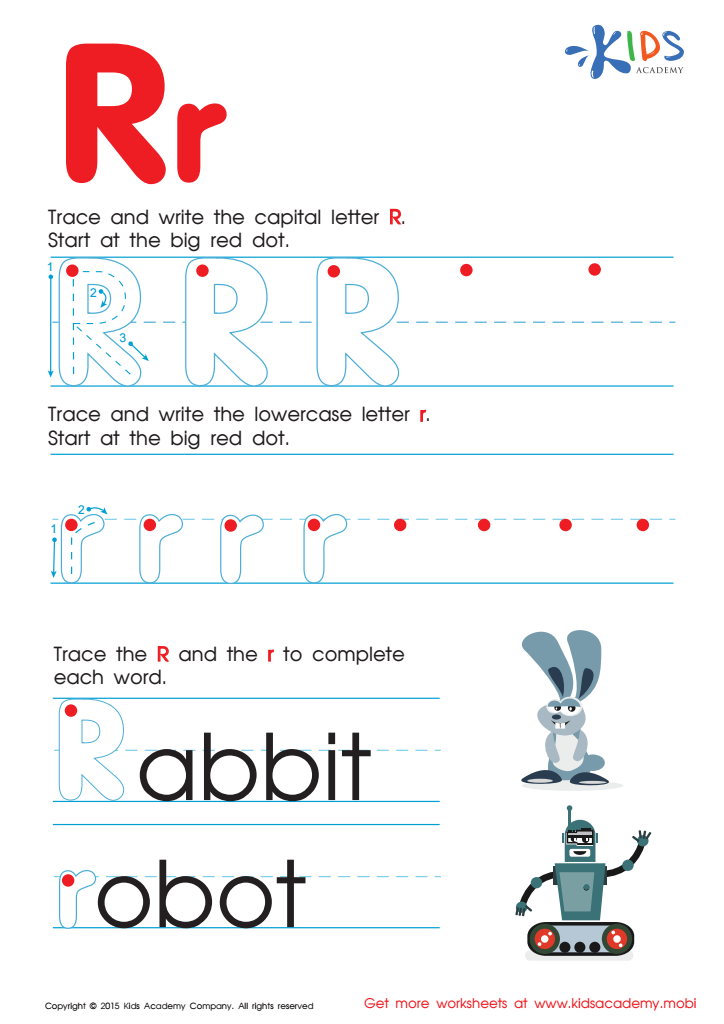
Letter R Tracing Page
 Assign to My Students
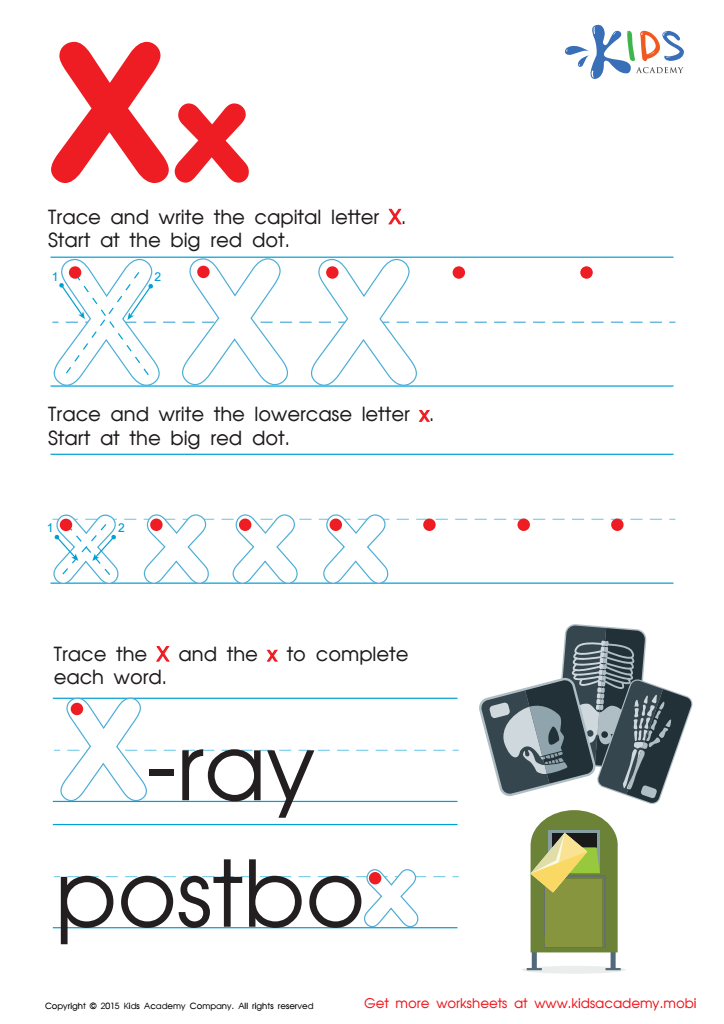
Letter X Tracing Page
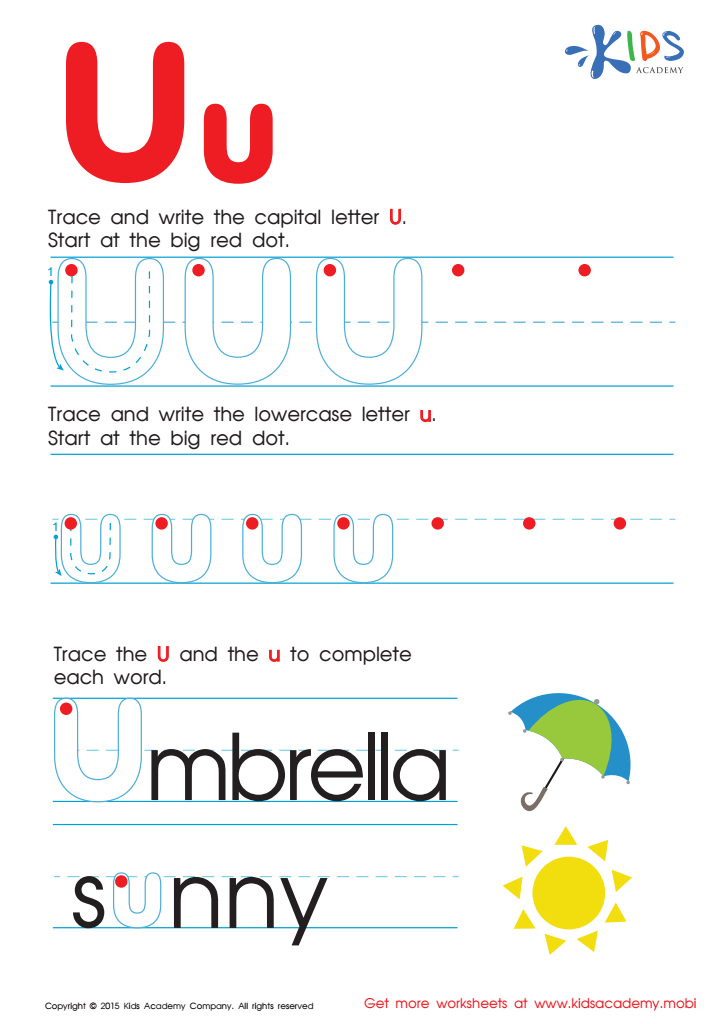
Letter U Tracing Page
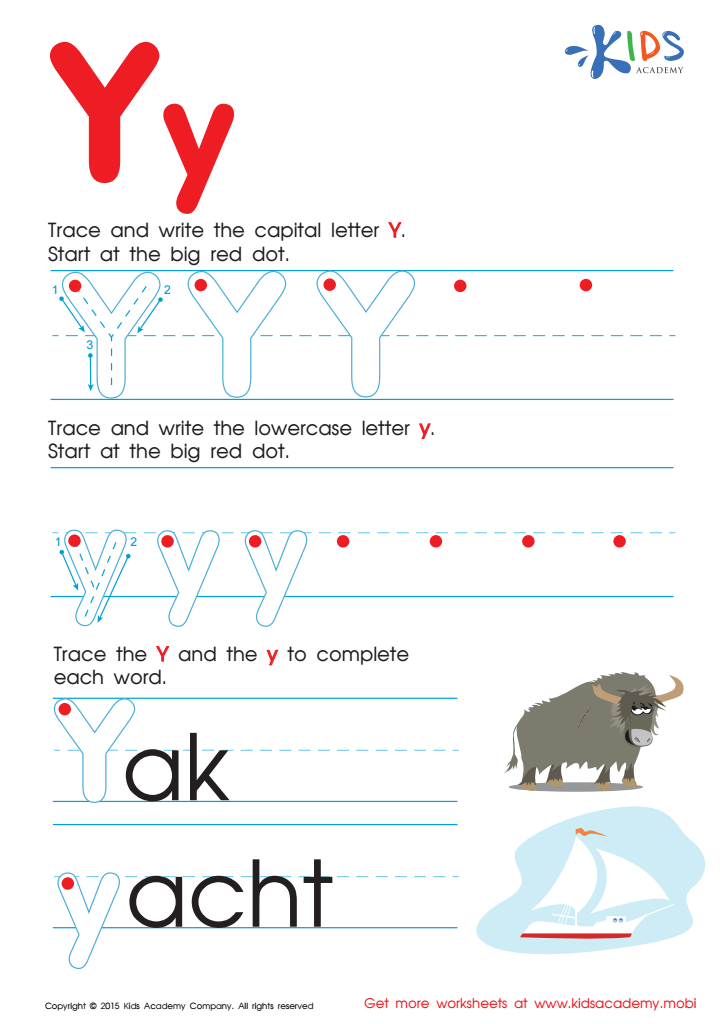
Letter Y Tracing Page
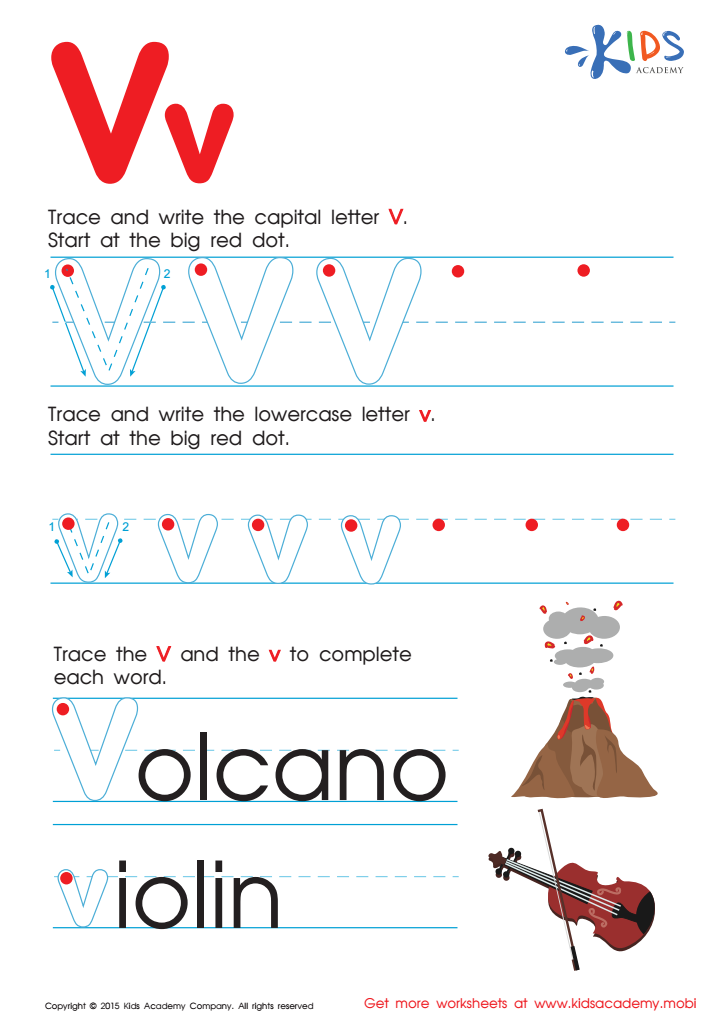
Letter V Tracing Page








Handwriting practice and letter recognition for children ages 6-9 are crucial for several reasons. Firstly, mastering handwriting fosters fine motor skills, which are vital for various everyday tasks beyond academics. As children practice writing letters, they enhance their hand-eye coordination, leading to improved dexterity. This foundational skillset enables them to effectively explore other activities like art and crafts, along with their schoolwork.
Secondly, letter recognition plays a significant role in early literacy. Recognizing letters is a precursor to reading, allowing children to succeed in decoding words and making connections between sounds and letters. Developing these skills aids in building confidence and promoting a love for learning, as authorship and story creation become accessible.
Additionally, understanding the connections between writing and phonics helps solidify grammatical foundations, enhancing their overall communication skills. Both handwriting practice and letter recognition also offer opportunities for parents and teachers to bond with children, fostering supportive learning environments that cherish growth.
Incorporating fun, engaging practices in letter recognition and handwriting ensures that children are not only developing critical academic skills, but also enjoying their learning journey. Investing time and resources in these areas can lead to significant benefits for children's emotional, social, and academic development.