Matching skills Extra Challenge Worksheets for Ages 6-9
4 filtered results
-
From - To
Discover our "Matching Skills Extra Challenge Worksheets for Ages 6-9" designed to enhance cognitive development and critical thinking. Tailored for young learners, these engaging worksheets help kids improve visual discrimination, pattern recognition, and attention to detail. From grouping similar objects to spotting differences, each activity is crafted to challenge and entertain, ensuring productive and fun learning sessions. Perfect for classroom use or home practice, these worksheets align with educational standards and are ideal for strengthening fundamental matching skills in a stimulating way. Help your child excel with our expertly designed matching exercises today!
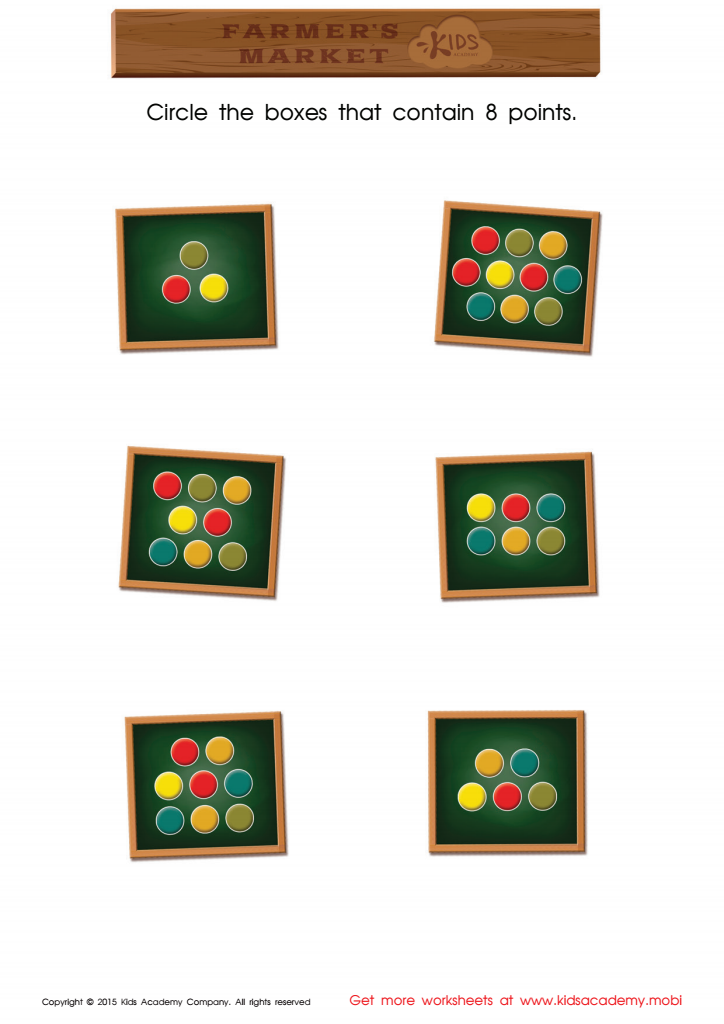
Count and Match Points 8 Math Worksheet
 Assign to My Students
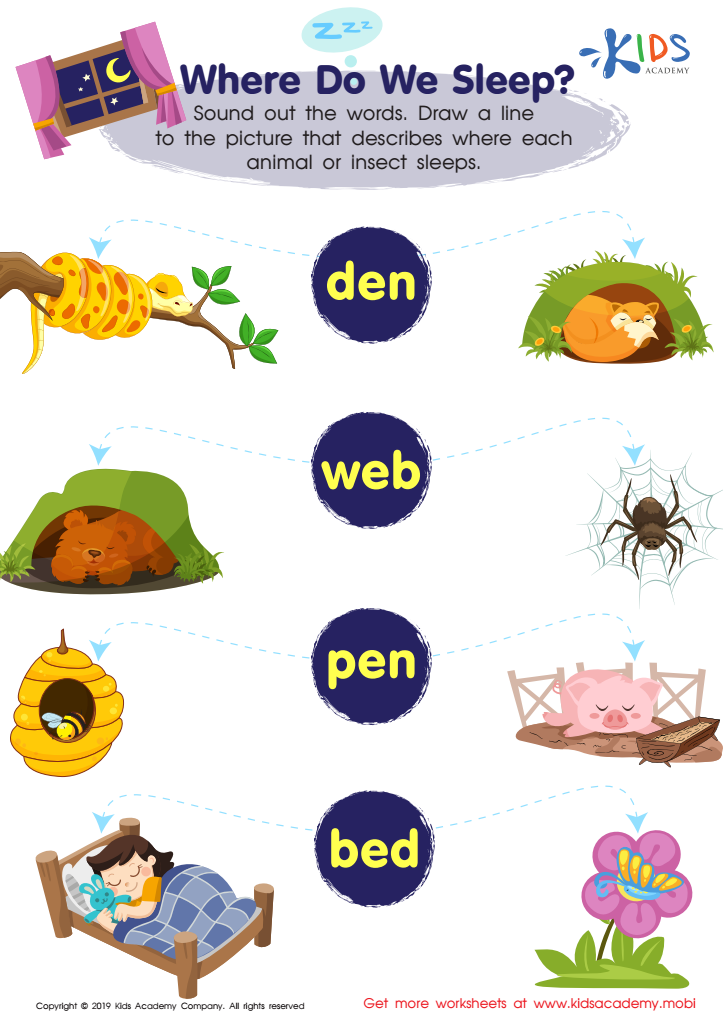
Where Do We Sleep Worksheet
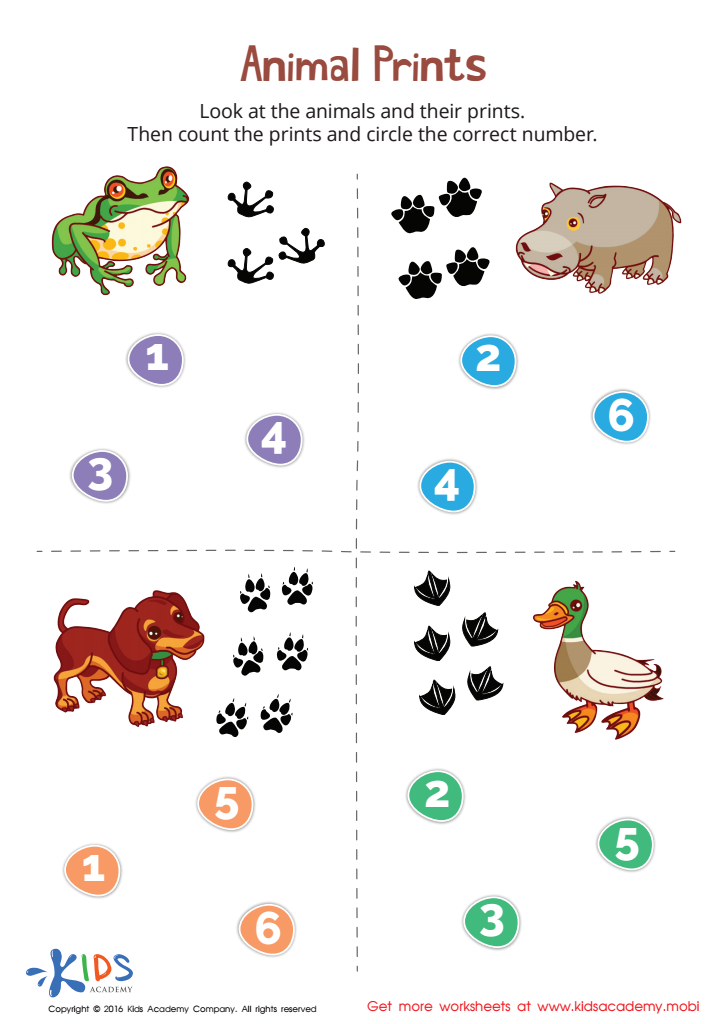
Animal Prints Match-Up Worksheet
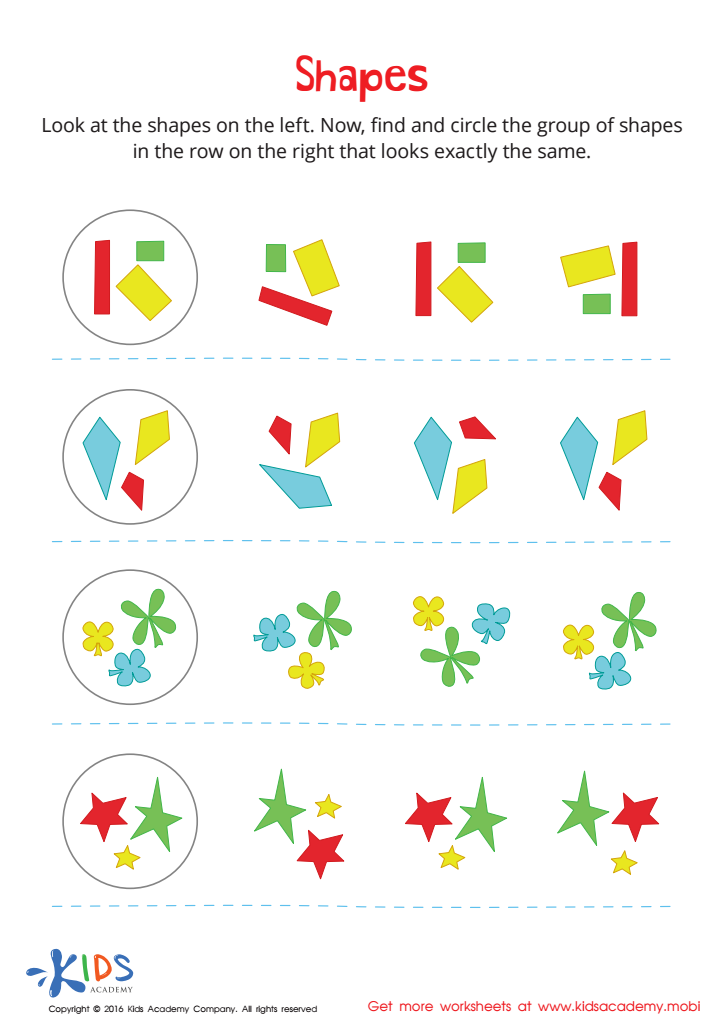
Shapes Worksheet






Parents and teachers should care about matching skills development for children aged 6-9 because these skills are foundational for cognitive growth, academic success, and critical thinking. At this early developmental stage, children's brains are highly adaptable and receptive to new information. Engaging in activities that enhance matching skills—such as puzzles, flashcards, and categorization games—strengthen neural connections related to memory, attention, and problem-solving.
Matching exercises help young learners recognize patterns, similarities, and differences, which are crucial skills in essential academic areas like math, reading, and science. For example, understanding the concept of "one-to-one correspondence" is the basis for counting and basic arithmetic, while recognizing letter shapes and sounds is fundamental for reading proficiency.
Furthermore, these activities bolster fine motor skills and hand-eye coordination, both of which are important for writing and other hands-on tasks. They also promote social-emotional development as children experience achievements, manage frustration, and follow instructions.
Incorporating an extra challenge pushes children slightly beyond their comfort zones, fostering resilience and a growth mindset. By prioritizing matching skills, parents and teachers equip children with the tools they need for lifelong learning and adaptiveness in a continually evolving world.








