Understanding patterns Extra Challenge Math Worksheets for Ages 6-9
7 filtered results
-
From - To
Discover our "Understanding Patterns Extra Challenge Math Worksheets" for children aged 6-9! These engaging worksheets are designed to enhance critical thinking and analytical skills through fun and interactive patterns-related activities. Each worksheet offers progressively challenging tasks that encourage kids to recognize, create, and extend various patterns, fostering a deeper understanding of mathematical concepts. Ideal for classroom use or at-home study, these worksheets support differentiated learning to cater to diverse skill levels. Boost your child’s confidence in math while enhancing their problem-solving abilities. Get ready for a fun learning journey that transforms patterns into exciting puzzles!
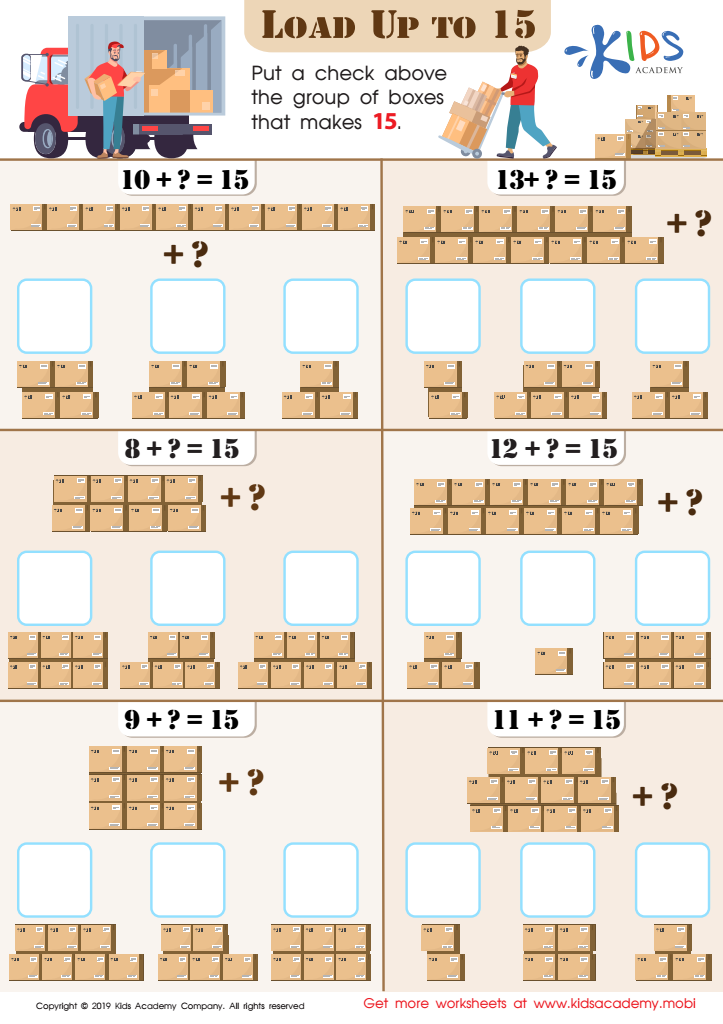
Load up to 15 Worksheet
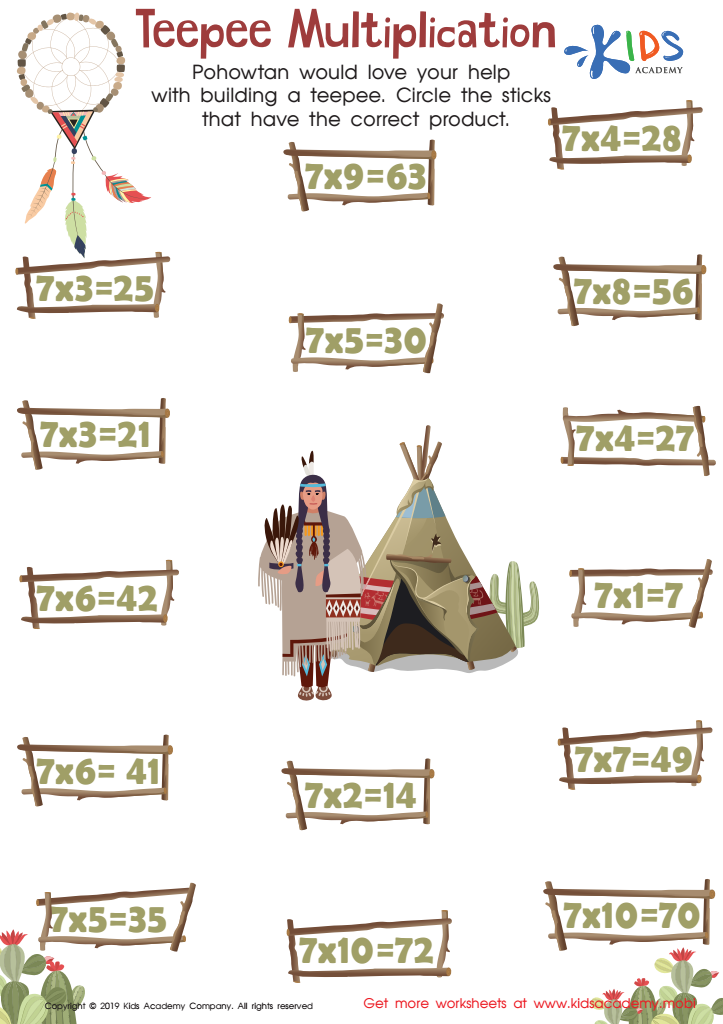
Teepee Multiplication Worksheet
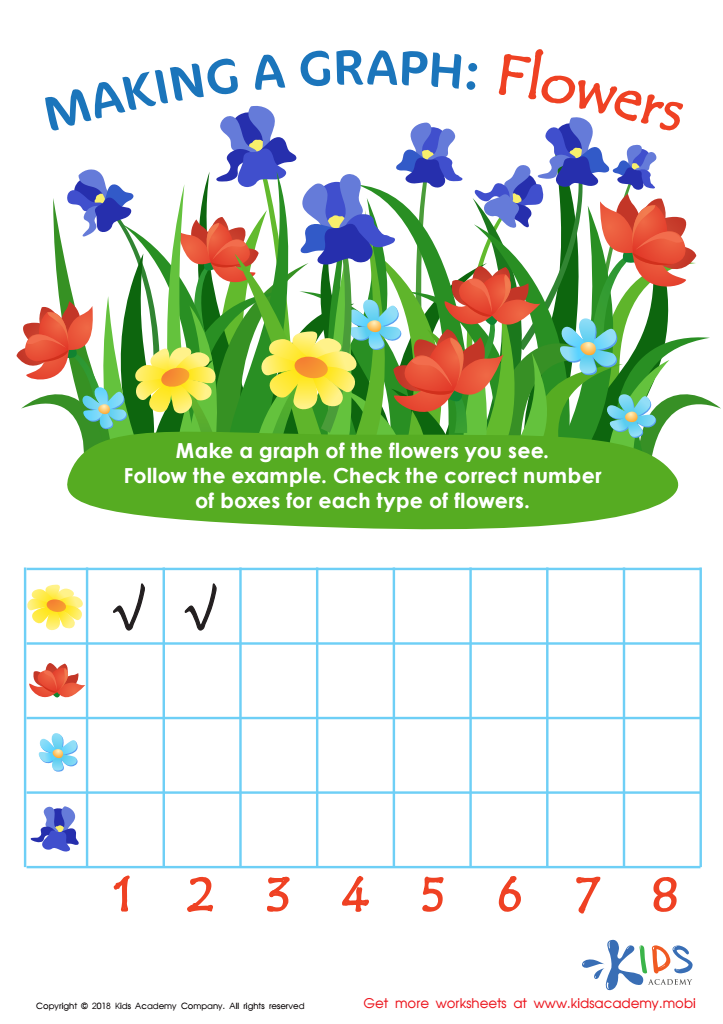
Making a Graph: Flowers Worksheet
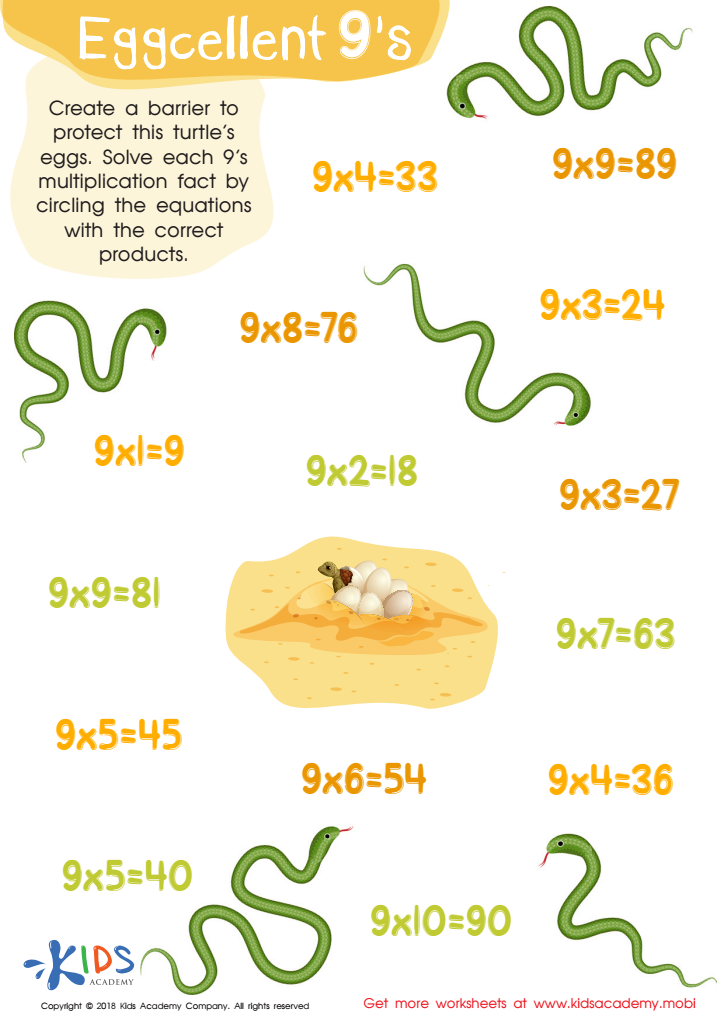
Eggcellent 9’s Worksheet
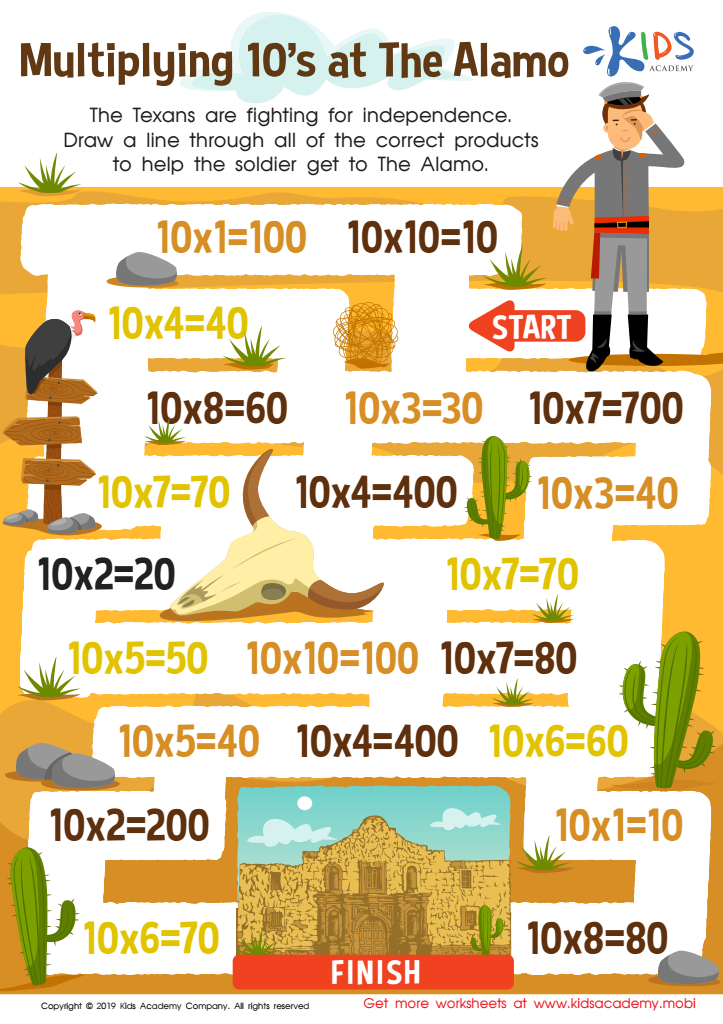
Multiplying 10’s at The Alamo Worksheet
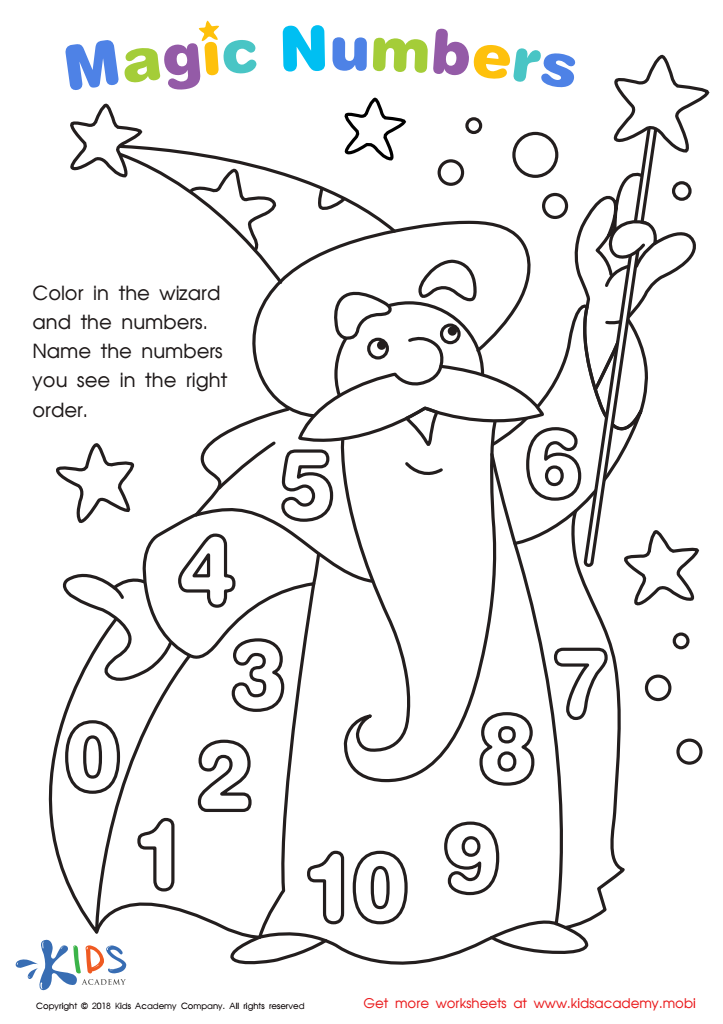
Magic Numbers Worksheet
 Assign to My Students
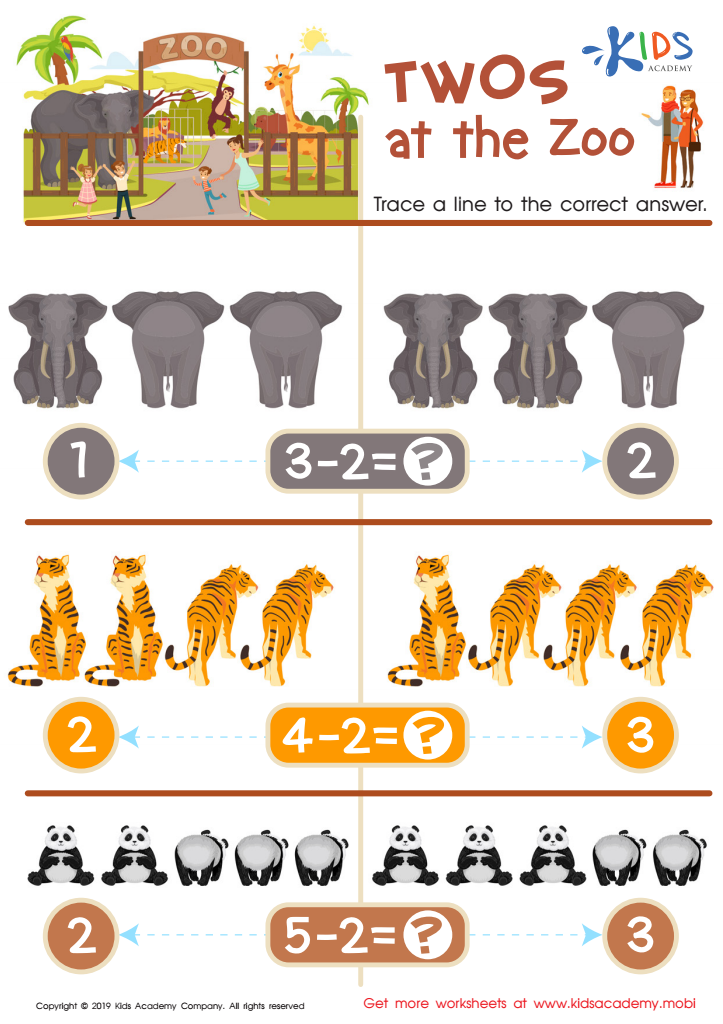
Twos at the Zoo Worksheet








Understanding patterns is a crucial mathematical concept for children aged 6-9, and both parents and teachers should prioritize this skill. Recognizing patterns helps young learners develop critical thinking and problem-solving abilities, essential for their mathematical journey and overall cognitive growth. Patterns enable children to make predictions and identify connections in various contexts, laying a strong foundation for later academic success in math and other subjects.
Moreover, mastering patterns enhances children's ability to grasp more complex mathematical concepts, such as addition, subtraction, multiplication, and division. When children recognize sequences, they can anticipate results and improve their calculation skills. Engaging with pattern-based challenges fosters a sense of curiosity and creativity, encouraging students to explore and experiment.
For parents, understanding patterns equips them to support their children’s learning at home. They can create engaging, hands-on activities that reinforce these concepts through everyday experiences, making learning enjoyable and relevant.
Teachers, on the other hand, can incorporate extra challenges into their lesson plans, differentiating instruction to meet diverse learning needs. By emphasizing pattern recognition, educators can build confidence in students and promote a positive attitude towards math. Overall, focusing on pattern understanding not only enhances mathematical proficiency but also nurtures essential life skills that children will carry far beyond the classroom.








