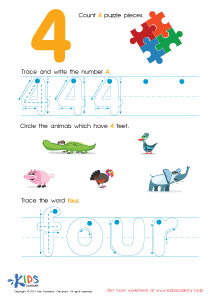
Number Recognition Extra Challenge Numbers up to 100 Worksheets for Ages 6-9
3 filtered results
-
From - To
Discover our "Number Recognition Extra Challenge" worksheets designed for children ages 6-9, focusing on numbers up to 100. These engaging exercises enhance number recognition skills, helping young learners develop confidence and fluency with higher numbers. Each worksheet features captivating visuals and diverse challenges to strengthen comprehension and encourage independent learning. Ideal for both classroom and home use, these resources cater to various learning styles, ensuring that every child stays motivated and focused. Whether for daily practice or extra enrichment, these worksheets make mastering numbers both enjoyable and effective. Boost your child's math skills today with our thoughtfully crafted activities!
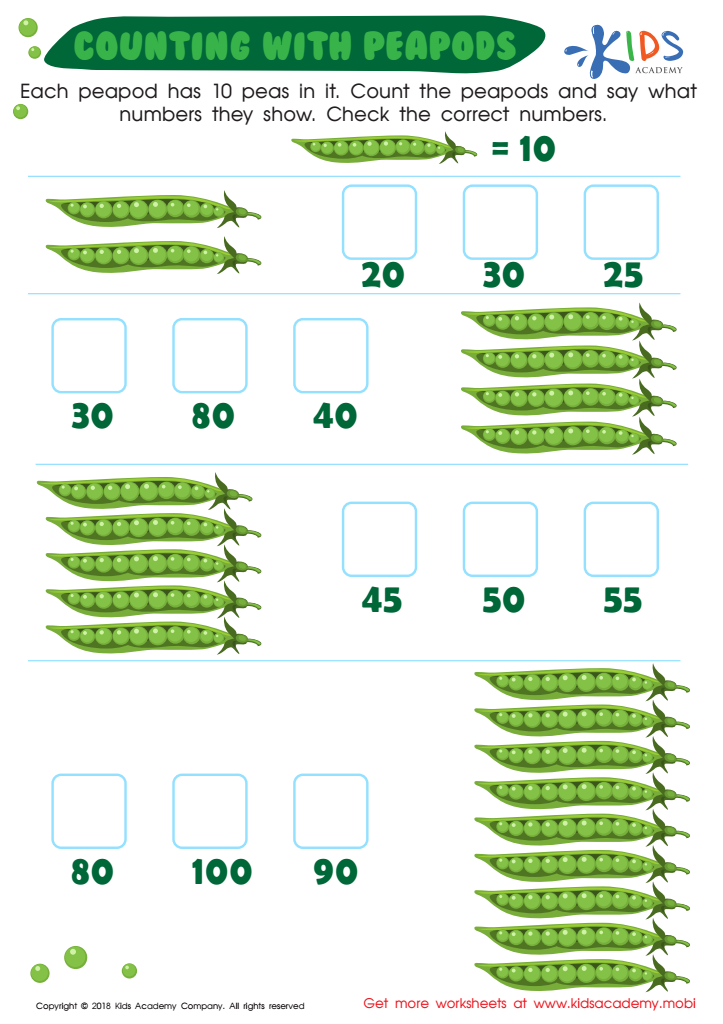
Number Worksheet: Counting With Peapods
 Assign to My Students
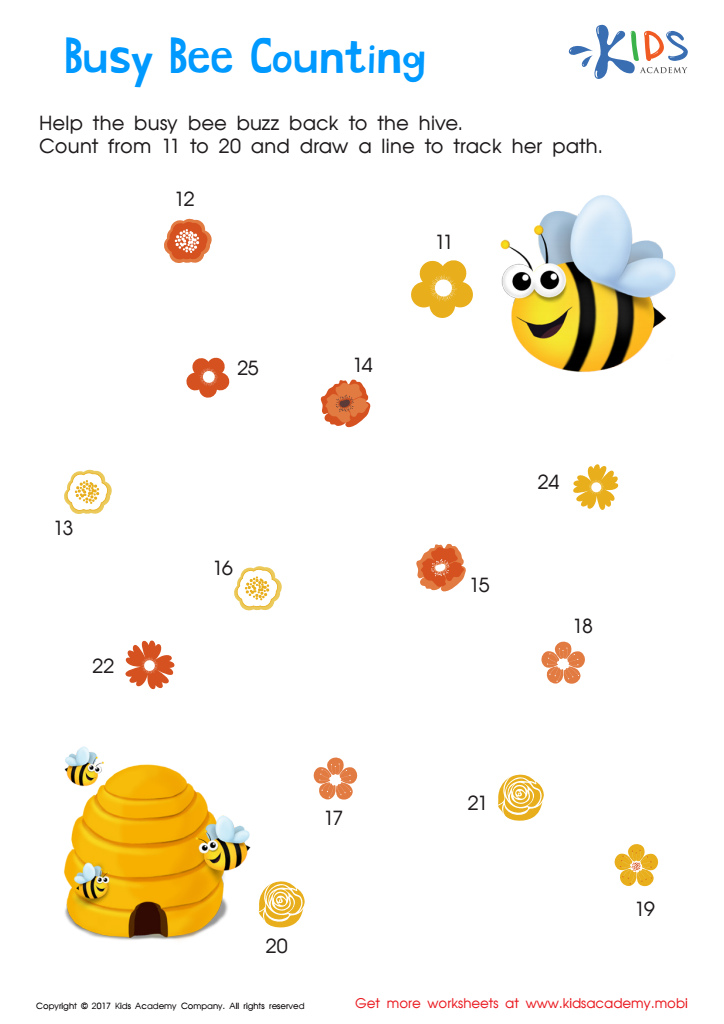
Ordering 11–20: Busy Bee Counting Worksheet
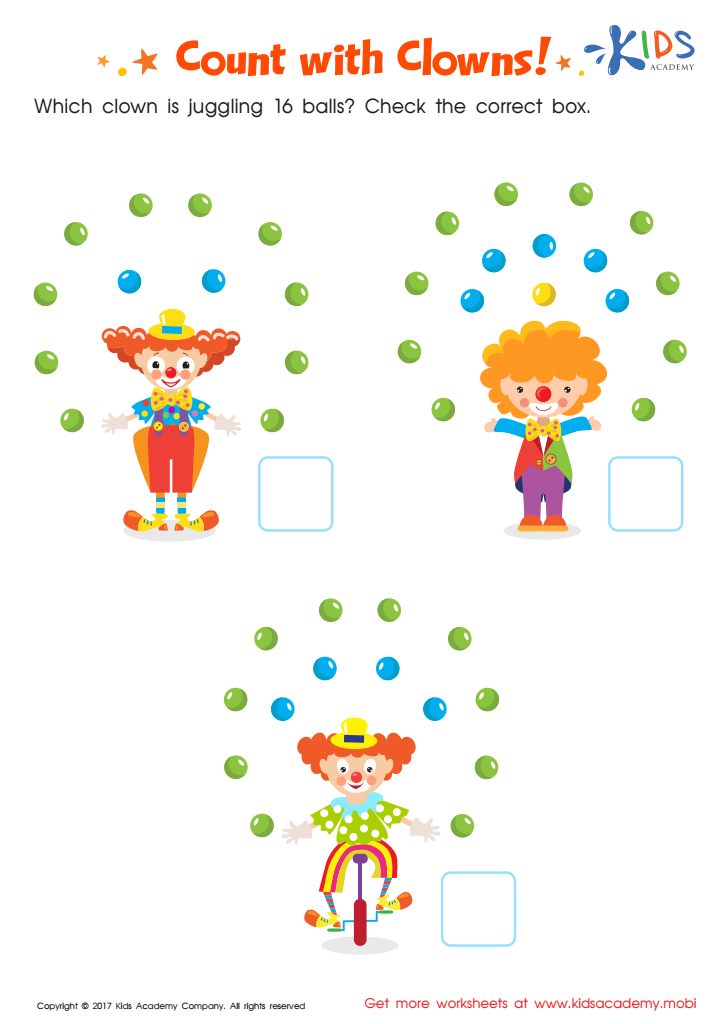
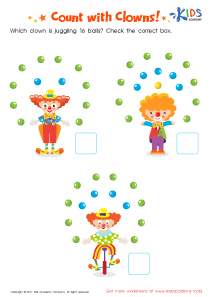
Count with Clowns Worksheet








Number recognition is a foundational skill essential for a child's mathematical development. For ages 6-9, mastering numbers up to 100 not only fosters number sense but also prepares students for more complex mathematical concepts such as addition, subtraction, and place value. Parents and teachers should care about providing extra challenges in number recognition, as this promotes critical thinking and problem-solving skills.
Engaging students with challenges can improve their confidence in math, reducing anxiety associated with the subject. Extra practice with number recognition enables children to connect numerals with quantities, allowing them to visualize and understand the concept of numbers better.
Additionally, developing strong number recognition skills at an early age lays the groundwork for success in more advanced math topics in later years. It encourages curiosity and a positive attitude towards learning, rewarding them with a sense of achievement.
Furthermore, mastering numbers up to 100 helps children in daily life situations, from telling time to handling money. By prioritizing number recognition, parents and teachers equip children with vital skills they will carry throughout their academic journeys and beyond, thus ensuring they are prepared for diverse challenges in both math and everyday life.