Letter recognition Extra Challenge Alphabet Worksheets for 6-Year-Olds
8 filtered results
-
From - To
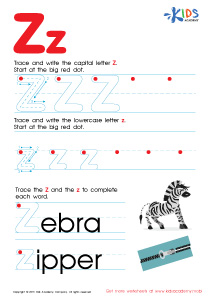
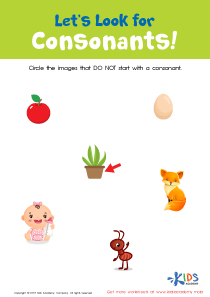
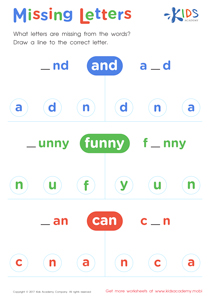
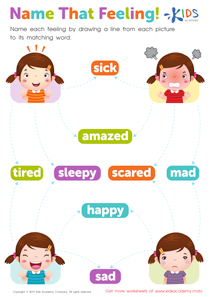
Introducing "Letter Recognition Extra Challenge Alphabet Worksheets for 6-Year-Olds" from Kids Academy - the ultimate tool to elevate your child's alphabet skills. These engaging worksheets are designed to provide an extra challenge, pushing kids to develop keen letter recognition and rich vocabulary effortlessly. By incorporating fun activities like tracing, matching, and identifying, our worksheets ensure that learning remains enjoyable while fostering critical reading and writing foundations. Perfect for 6-year-olds ready to excel, these expertly crafted resources blend educational value with excitement, preparing young learners for advanced literacy skills. Spark your child’s love for learning with our unique, expertly-designed alphabet worksheets today!
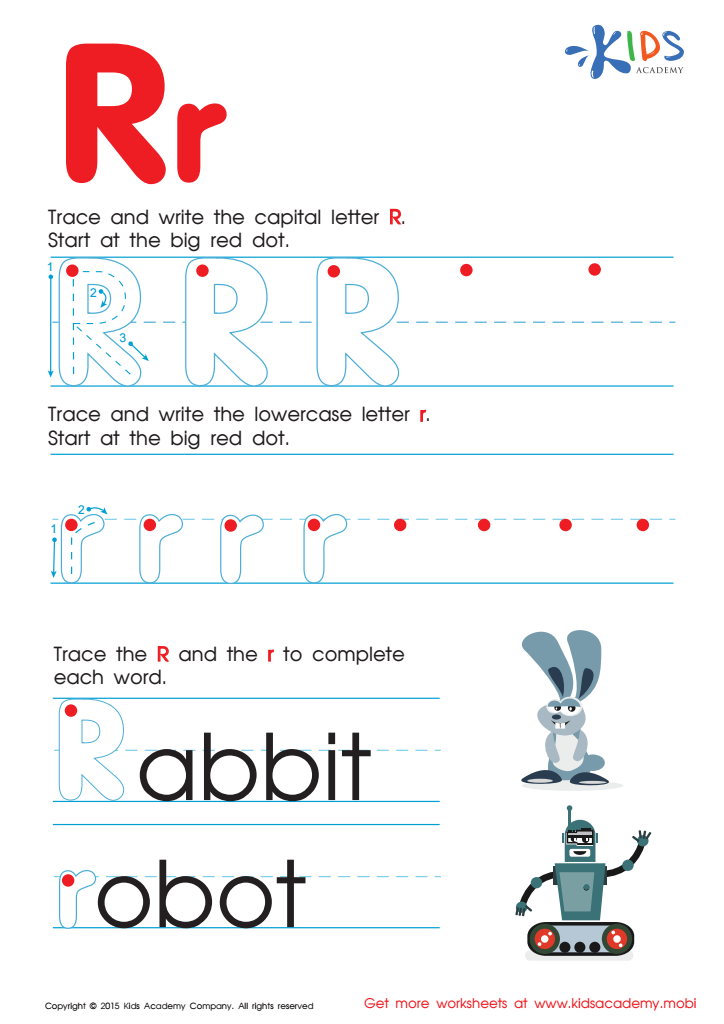
Letter R Tracing Page
 Assign to My Students
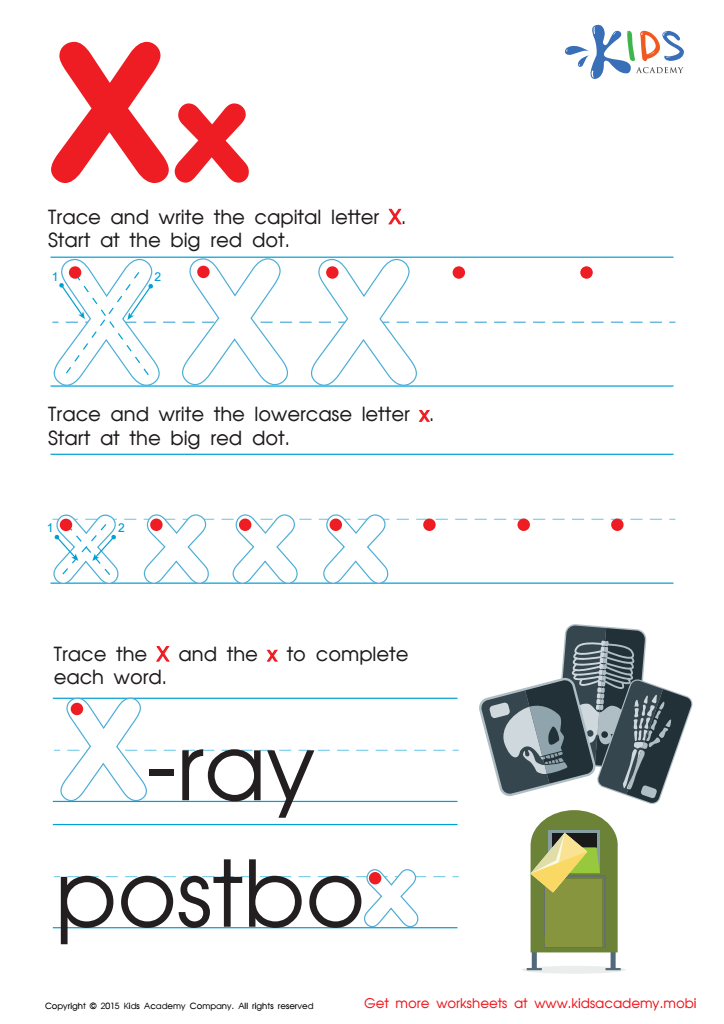
Letter X Tracing Page
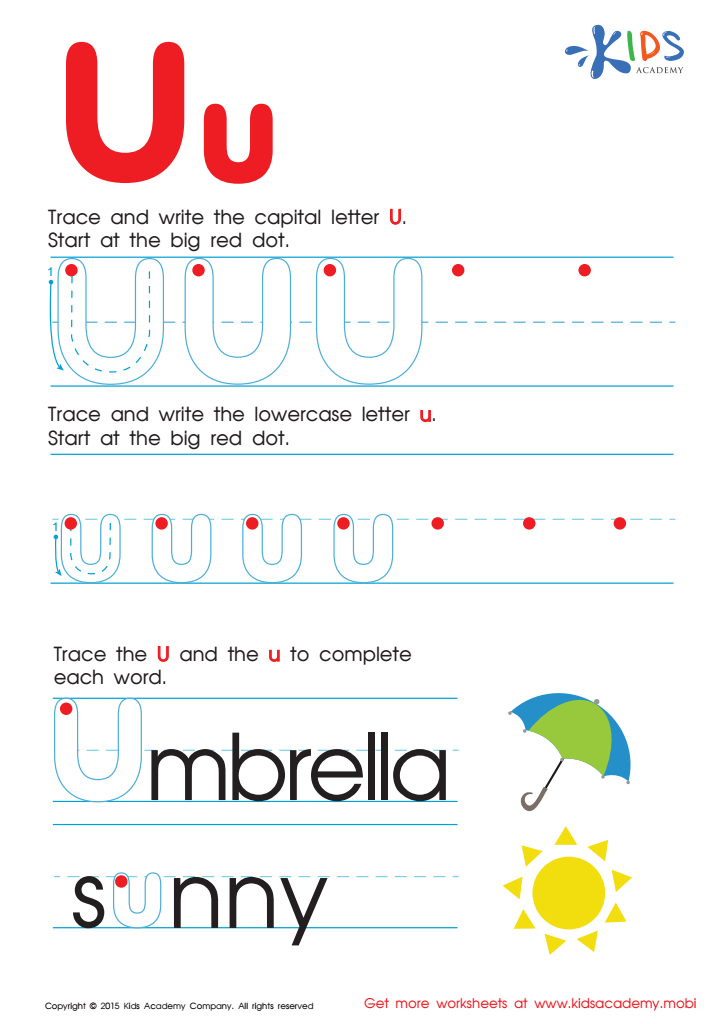
Letter U Tracing Page
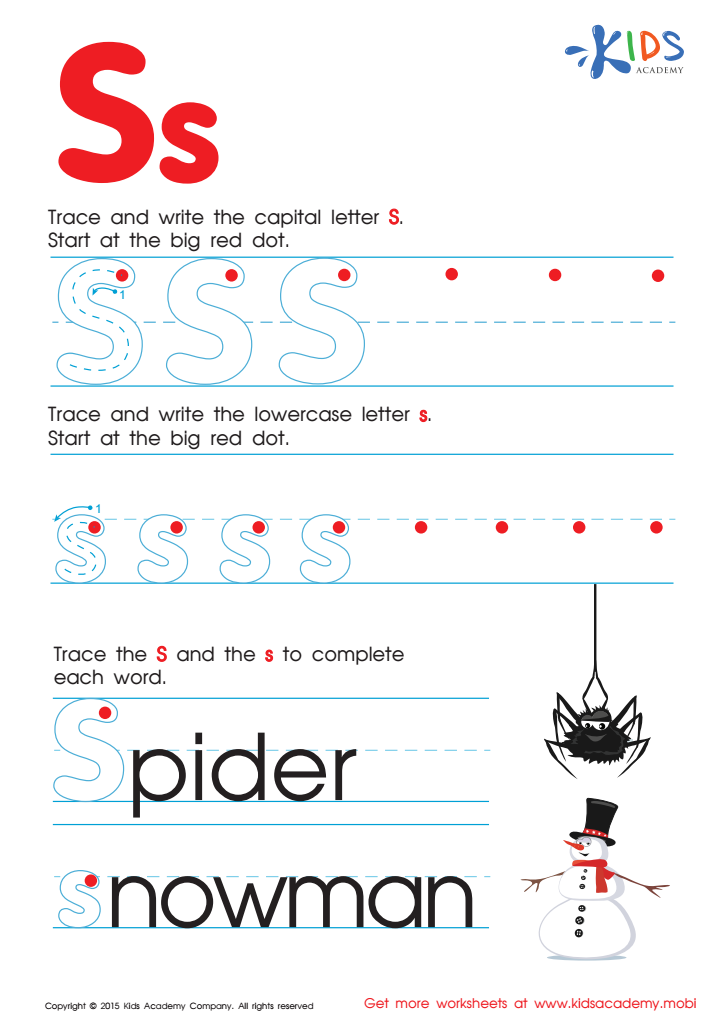
Letter S Tracing Page
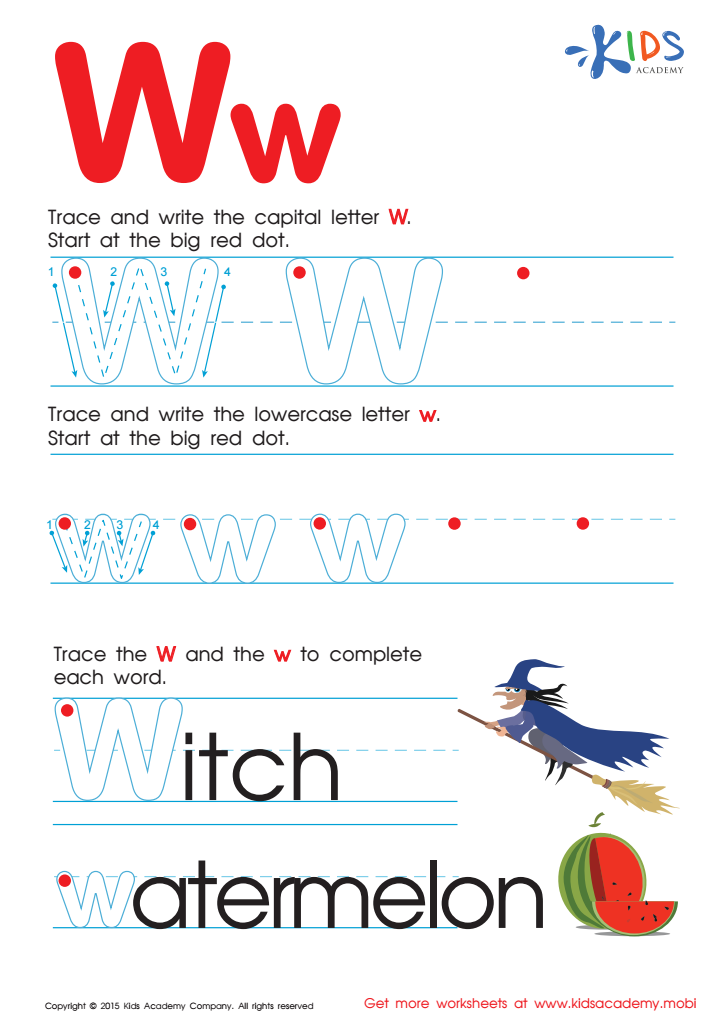
Letter W Tracing Page

Letter V Tracing Page
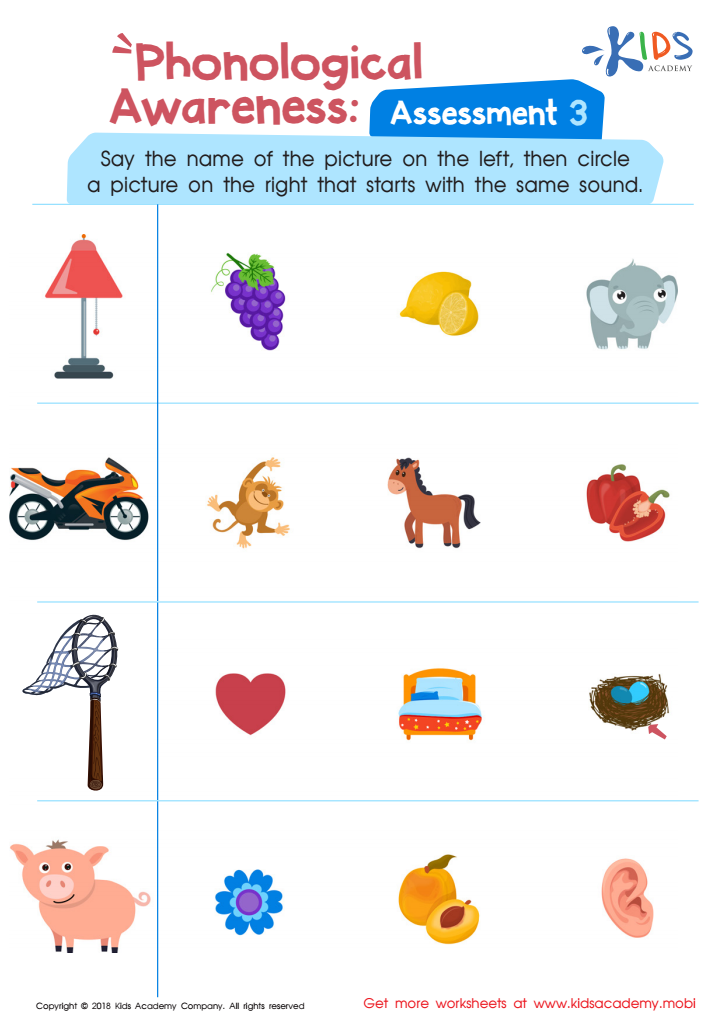
Phonological Awareness: Assessment 3 Worksheet
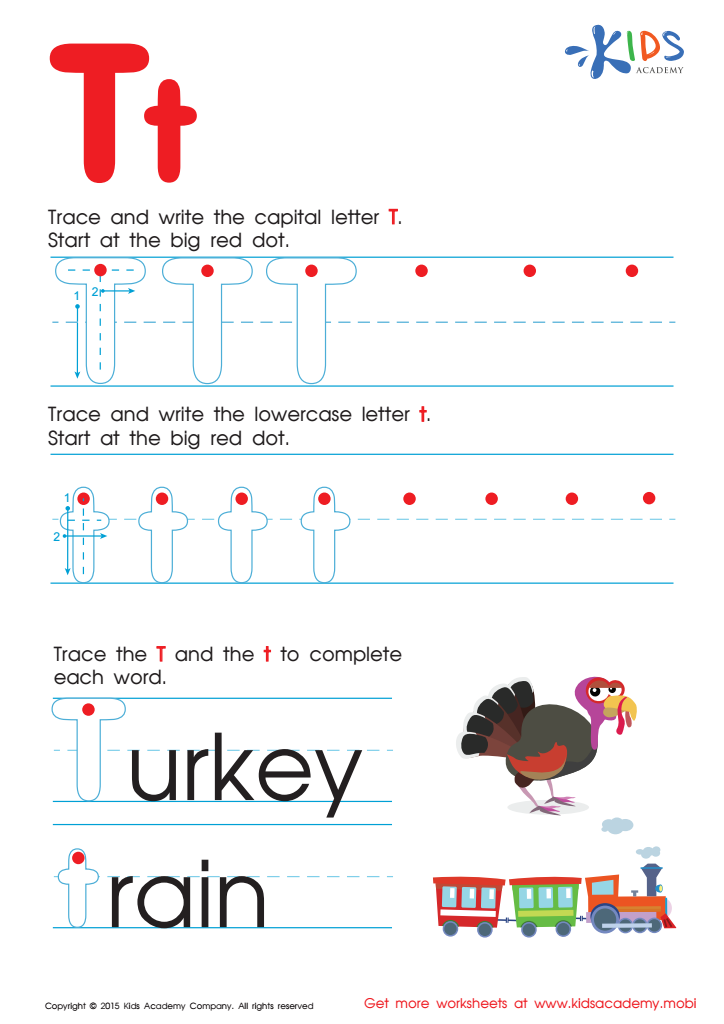
Letter T Tracing Page







Letter recognition is a fundamental skill that lays the groundwork for all future reading and writing in children. By the age of 6, many children are ready to undertake extra challenges to enhance their alphabet knowledge, which is crucial for several reasons. First, letter recognition directly impacts a child’s ability to decode and comprehend text, fostering early literacy. When children can confidently identify letters, they can easily learn to associate them with their corresponding sounds, which is a critical step in phonics and reading.
Additional challenges in letter recognition, such as identifying letters in various fonts, sizes, or contexts, help improve cognitive flexibility and visual discrimination. This prepares children to navigate diverse reading materials they will encounter, increasing their confidence and fluency.
Moreover, engaging in advanced alphabetic tasks can enhance memory and attention to detail, skills that are beneficial across all areas of learning. It can also stimulate a child’s curiosity and willingness to explore language more deeply.
For teachers and parents, fostering a child's proficiency in letter recognition through enriching activities demonstrates a commitment to their academic success and instills a love of learning. Supporting this aspect of early education lays a solid foundation for lifelong literacy and sets the stage for academic achievement in years to come.