Hand-eye Coordination Extra Challenge Math Worksheets for 6-Year-Olds
8 filtered results
-
From - To
Enhance your child's learning experience with our "Hand-eye Coordination Extra Challenge Math Worksheets" designed specifically for 6-year-olds! These engaging worksheets combine math skills with hand-eye coordination exercises, making learning both fun and effective. Kids will develop essential early math competencies while improving their fine motor skills, balance, and concentration. Featuring colorful illustrations and interactive activities, these worksheets are perfect for parents and teachers seeking to provide a comprehensive educational tool. Foster your child's confidence and competence in math through stimulating challenges that support holistic development. Download our printable worksheets today and watch your little ones thrive while having a blast!
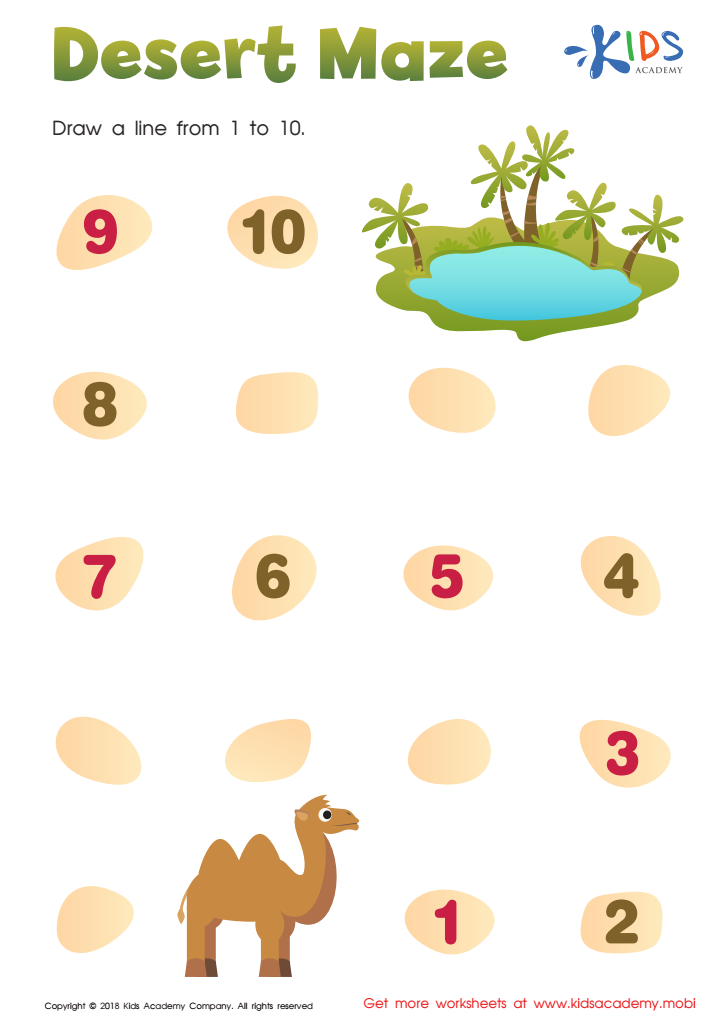
Desert Maze Worksheet
 Assign to My Students
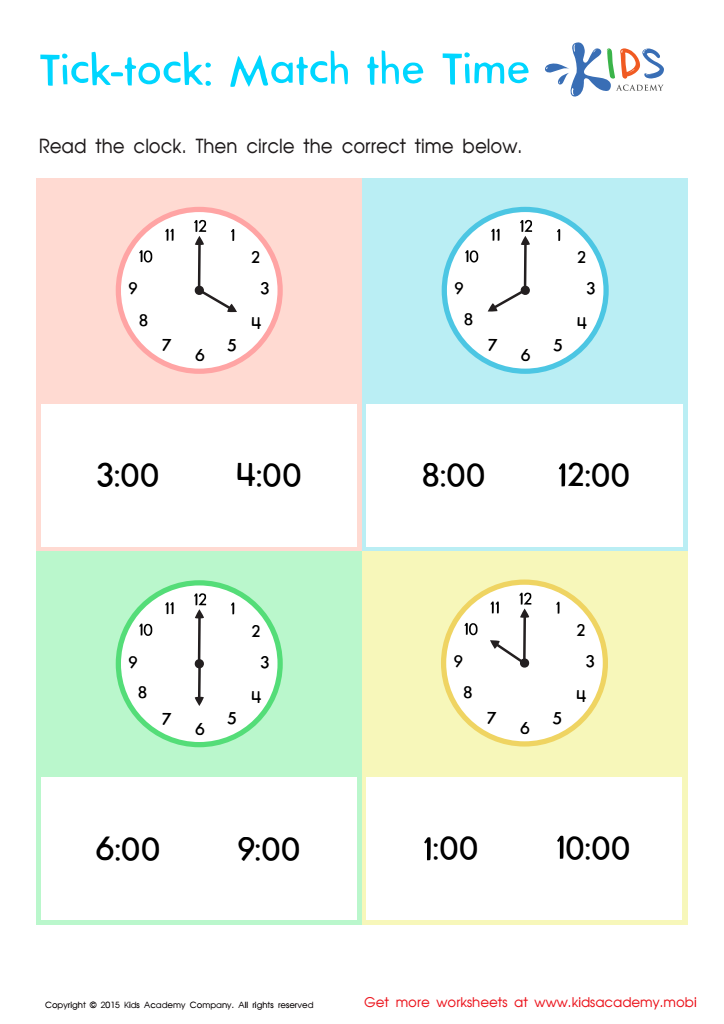
Telling The Time Worksheet: Part 4
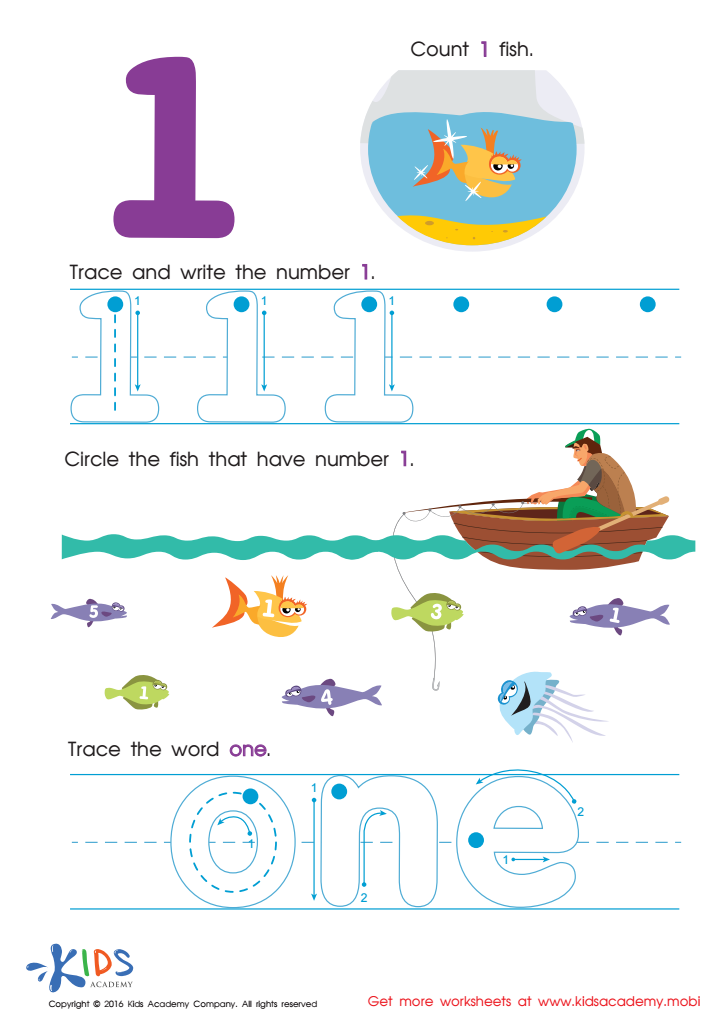
Learning to Write 1 Worksheet
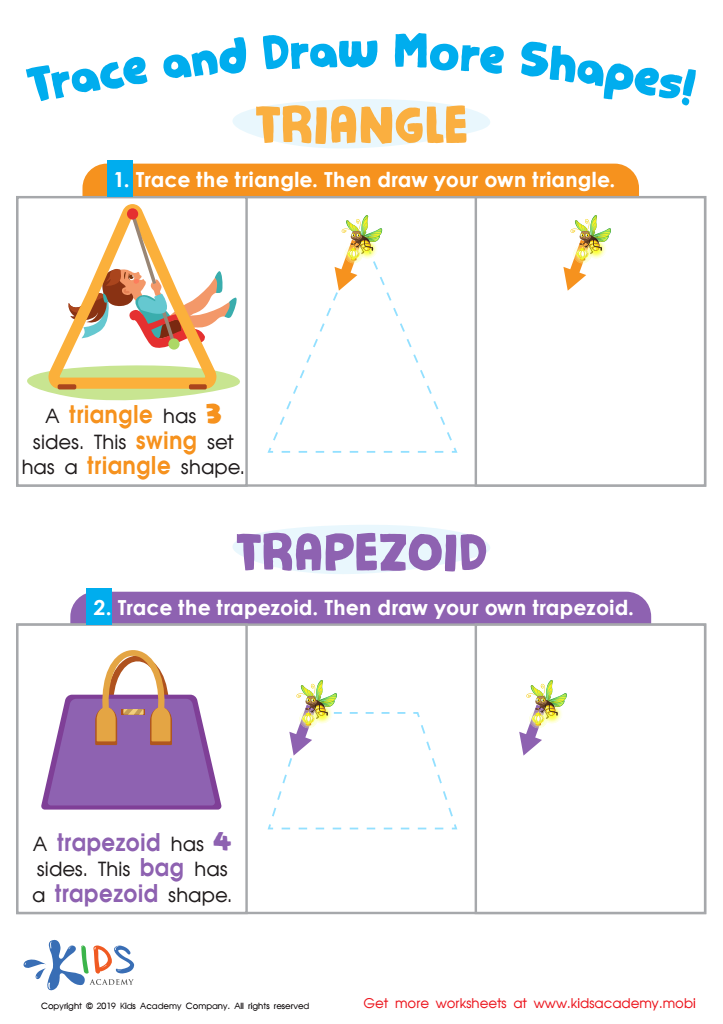
Trace and Draw More Shapes Worksheet
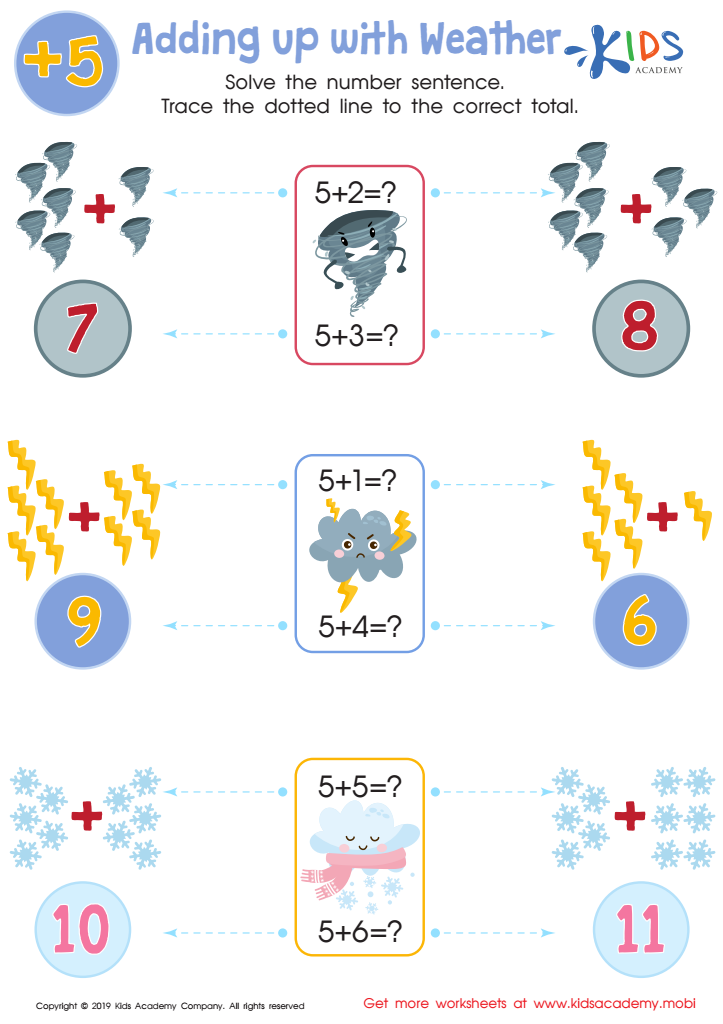
Adding up With Water Worksheet
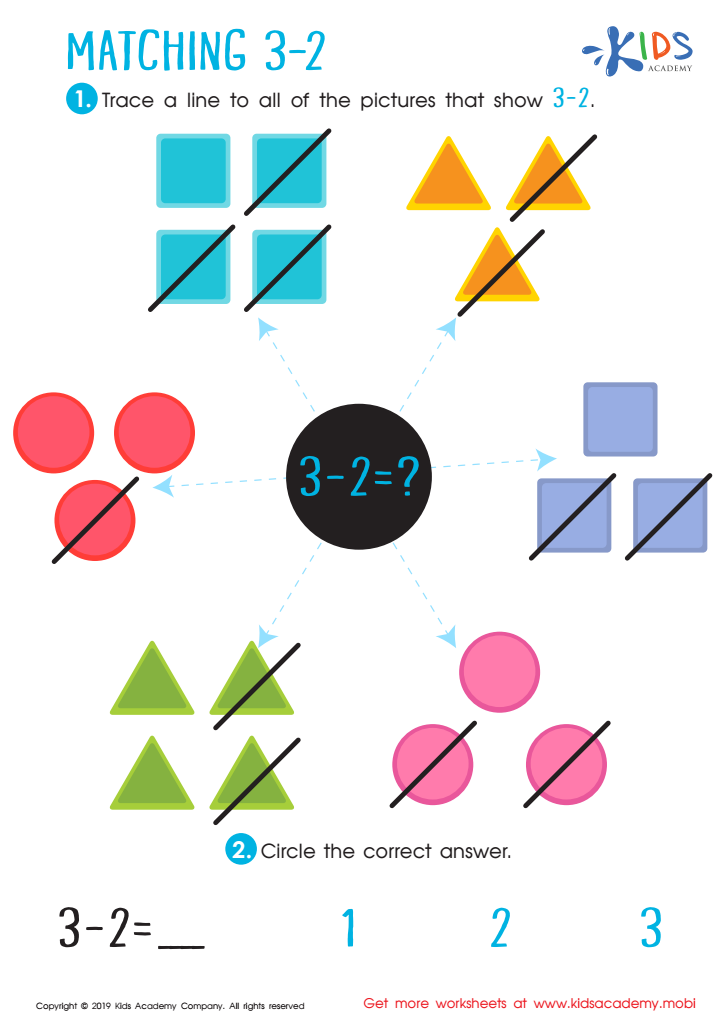
Matching 3-2 Worksheet
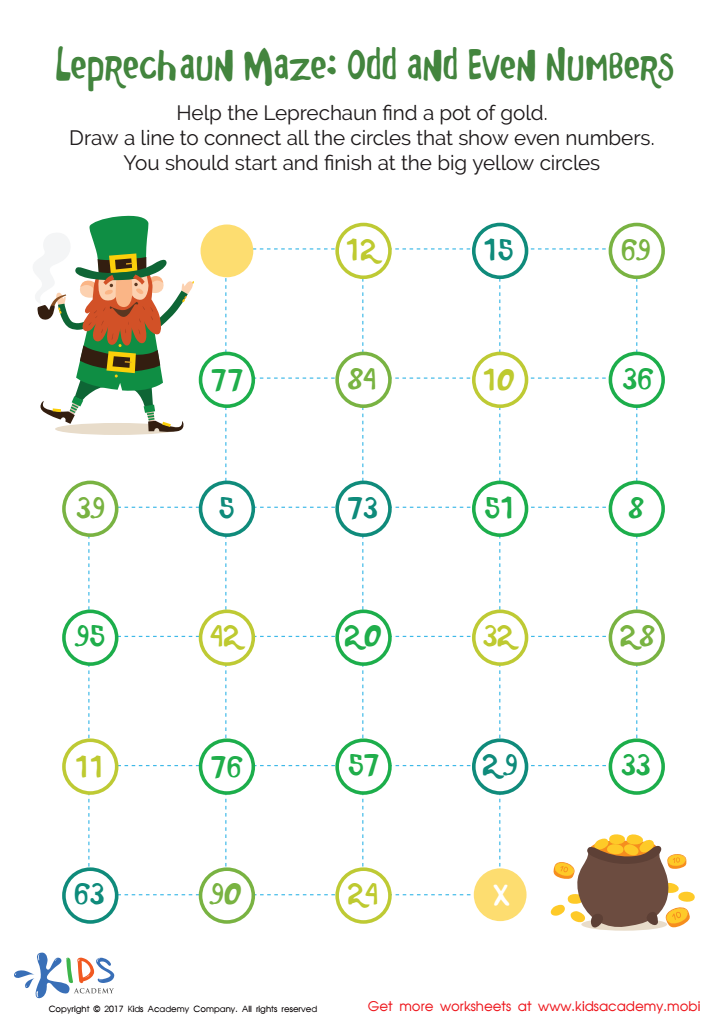
Leprechaun Maze Printable
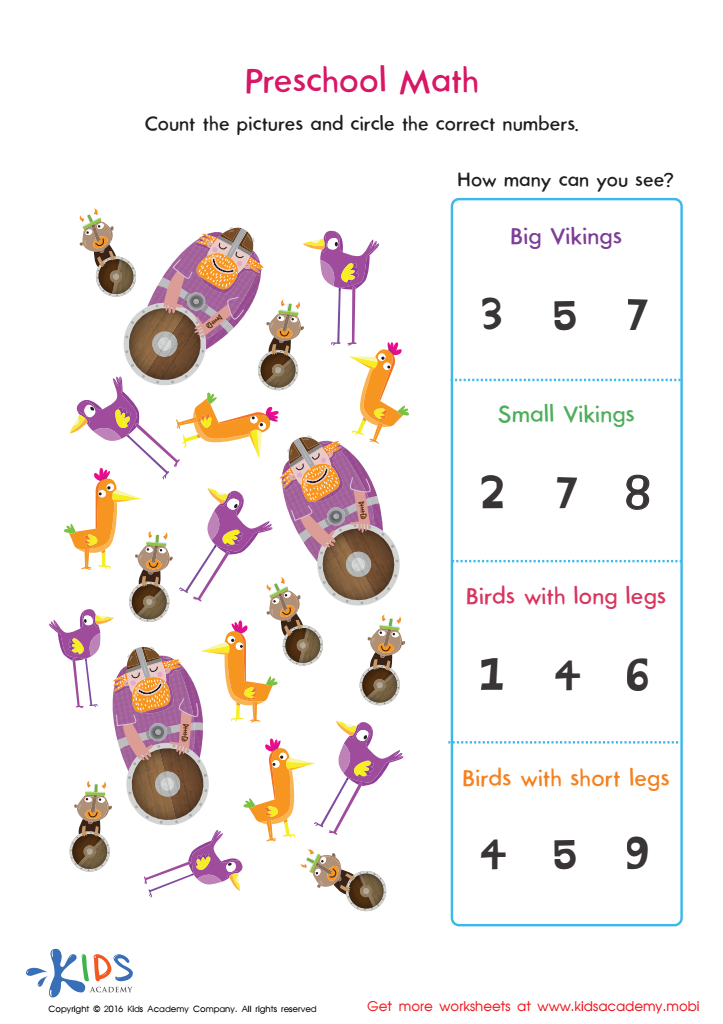






.jpg)
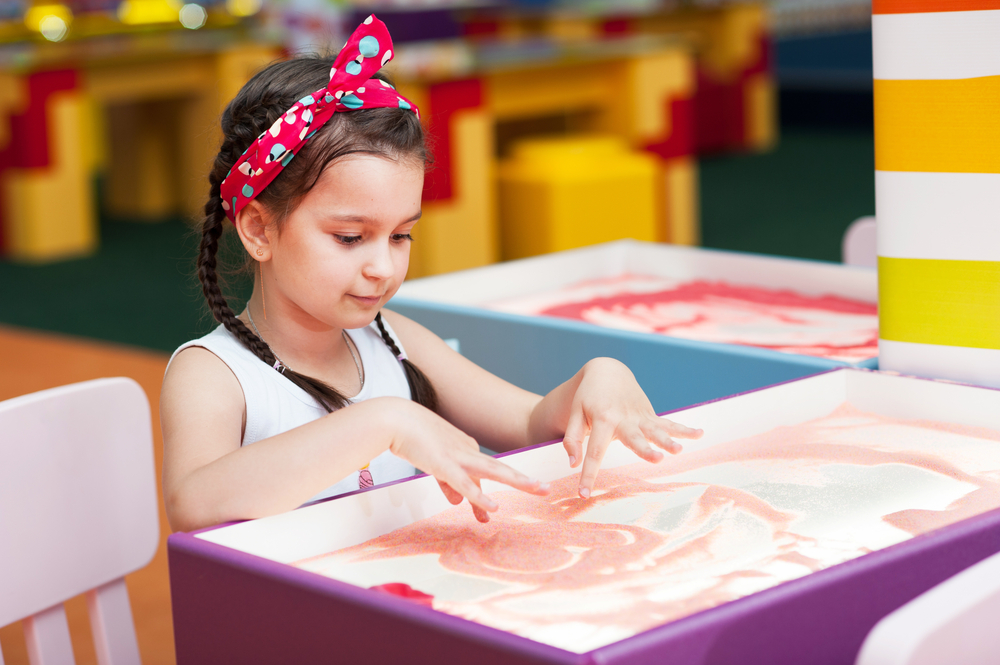
Hand-eye coordination plays a pivotal role in a child's overall development, particularly in tasks such as writing, drawing, and various sports. Introducing challenging math activities that incorporate hand-eye coordination skills can be highly beneficial for six-year-olds. These activities intertwine physical movement with cognitive challenges, helping to reinforce numerical concepts while also improving fine motor skills.
When parents and teachers prioritize hand-eye coordination challenges in math, they are fostering important neural connections that enhance not just math skills but also critical thinking and problem-solving abilities. For instance, using manipulatives or interactive math games that require children to coordinate their hand movements while solving problems can increase engagement and understanding of mathematical concepts.
Additionally, such activities can boost confidence and motivate young learners by providing them with a physical way to interact with numbers. As they succeed in completing these challenges, children develop a sense of accomplishment that can make them more enthusiastic about learning. Ultimately, hand-eye coordination extra challenge math invites children to enjoy math in a holistic way, integrating the physical and mental aspects of learning, thus laying a strong foundation for future academic success. Therefore, parents and educators should embrace and promote these enriching experiences.








