Visual perception Extra Challenge Matching Worksheets for 6-Year-Olds
3 filtered results
-
From - To
Our "Visual Perception Extra Challenge Matching Worksheets for 6-Year-Olds" are designed to enhance your child’s ability to recognize patterns, shapes, and objects, which are essential skills for developing critical thinking and visual discrimination. Tailored to challenge young learners, these worksheets offer fun and engaging activities that improve cognitive functions, attention to detail, and concentration. Perfect for kids who enjoy a bit of an extra challenge, our worksheets are an excellent resource for parents and teachers looking to support students' visual perceptual development in an enjoyable and interactive way. Equip your child with the skills they need for academic success today!
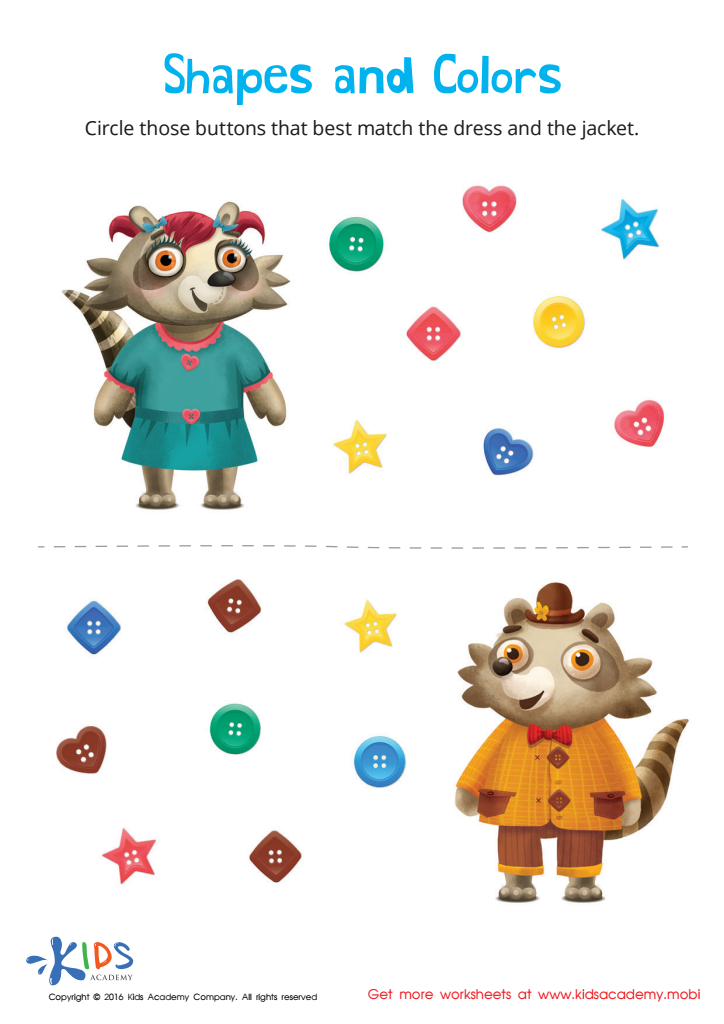
Matching: Shapes and Colors Worksheet
 Assign to My Students
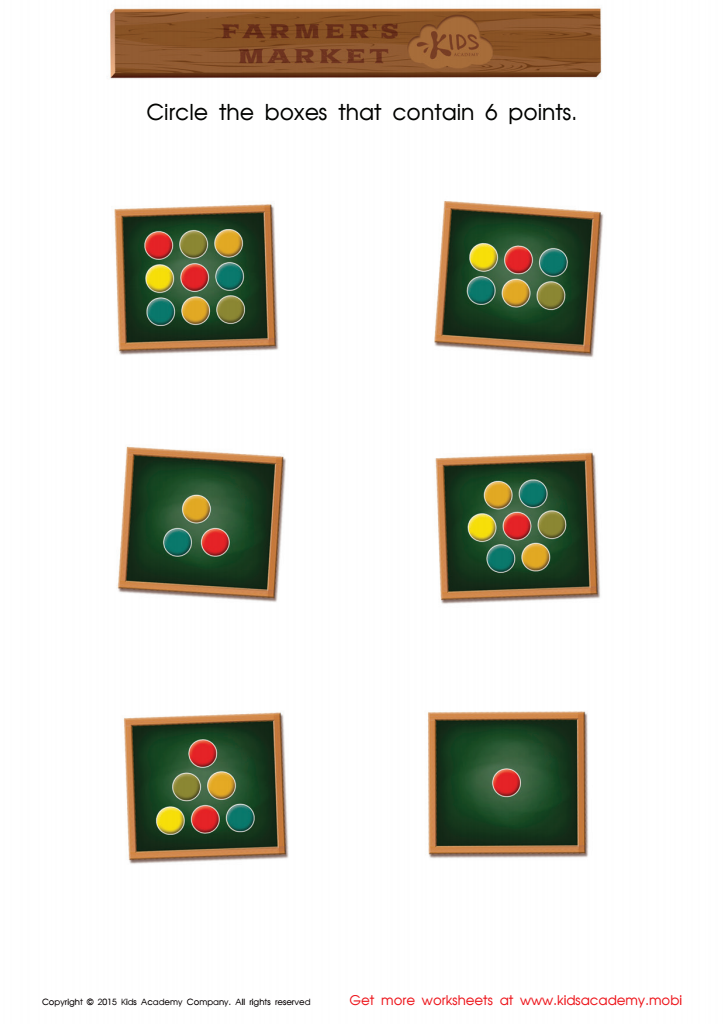
Count and Match Points 6 Math Worksheet
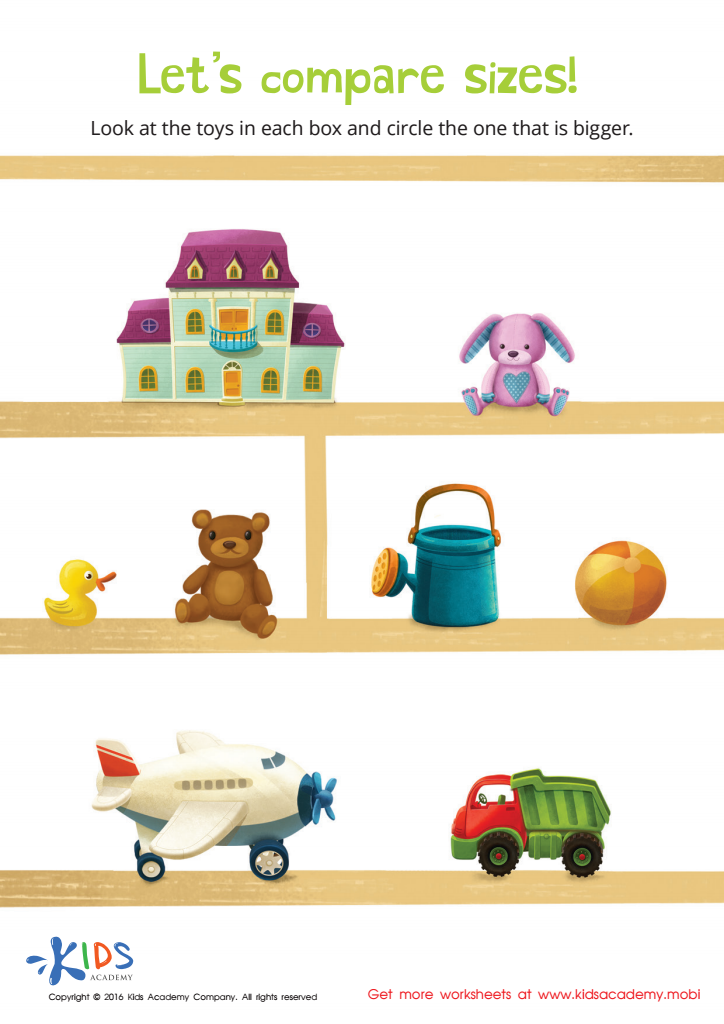
Classifying by Size Sorting Worksheet








Visual perception refers to the brain's ability to make sense of what the eyes see. Extra challenge matching activities designed for 6-year-olds, which involve distinguishing between shapes, colors, patterns, and spatial orientations, can be crucial for cognitive development and learning. Here’s why parents and teachers should care:
-
Foundation for Reading: Improving visual perception helps children recognize letters and words more efficiently, which is foundational for reading. Recognizing subtle differences in letter shapes promotes better reading skills.
-
Mathematical Skills: These activities develop spatial awareness and visual-spatial reasoning, which are vital for understanding mathematical concepts such as geometry, graphs, and patterns.
-
Hand-Eye Coordination: Coordinated efforts in visual perception boost fine motor skills, assisting in activities like handwriting and cutting, which are essential in everyday tasks.
-
Attention to Detail: Matching games train children to notice fine details and improve concentration, fostering a higher degree of accuracy and attentiveness in their tasks.
-
Problem-Solving: These activities enhance children’s problem-solving skills, encouraging them to use logic and reasoning to find correct matches, building critical thinking capacity.
Ultimately, superior visual perception contributes to a range of academic skills and overall cognitive development, making these challenge activities an advantageous and enjoyable way for young children to learn and grow.