Fine Motor Skills Extra Challenge Geometry Worksheets for Ages 7-8
5 filtered results
-
From - To
Unlock your child's creativity and precision with our Fine Motor Skills Extra Challenge Geometry Worksheets for Ages 7-8! Designed to promote both geometric understanding and hand-eye coordination, these specially crafted worksheets are perfect for young learners eager for a challenge. Your child will engage in exciting activities that enhance their fine motor abilities—cutting, tracing, and coloring geometric shapes while mastering essential math concepts. Each worksheet encourages critical thinking and problem-solving in a fun and interactive way. Give your child the tools to succeed in geometry and fine motor skills development. Explore our unique collection today and watch their confidence soar!
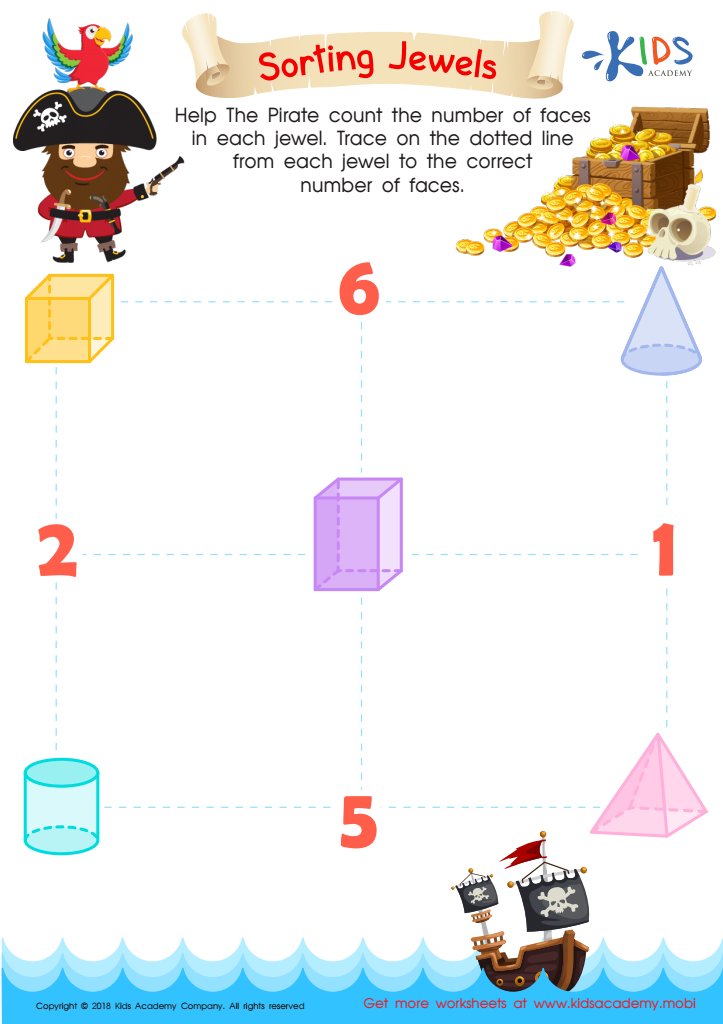
Sorting Jewels Worksheet
 Assign to My Students











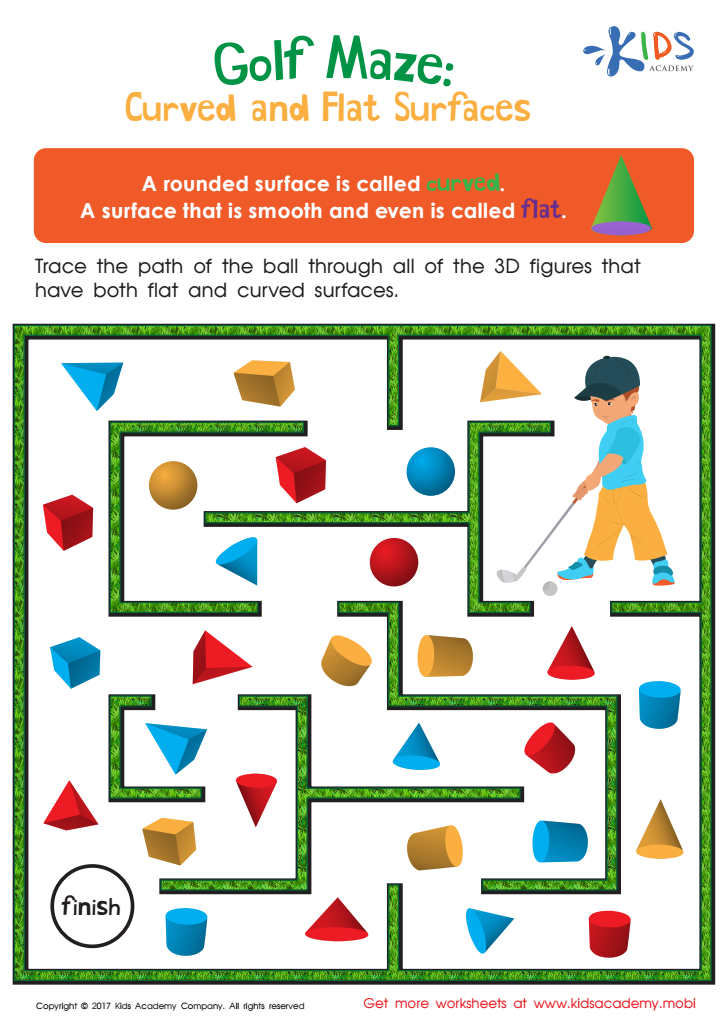
Golf Maze: Curved and Flat Surfaces Worksheet
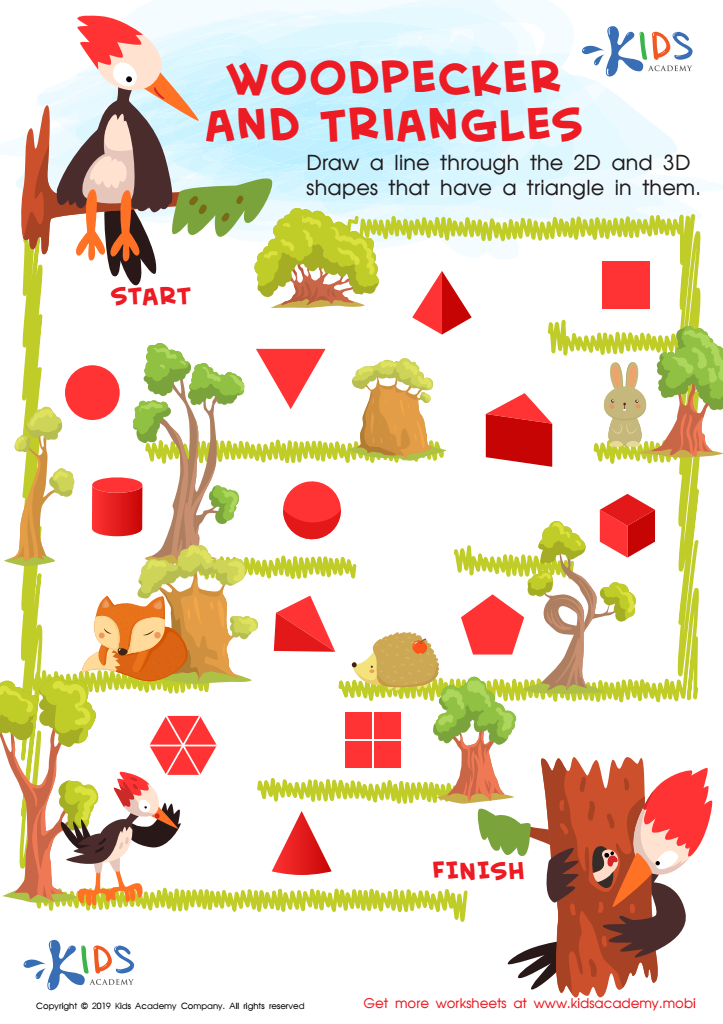
Woodpecker and Triangles Worksheet
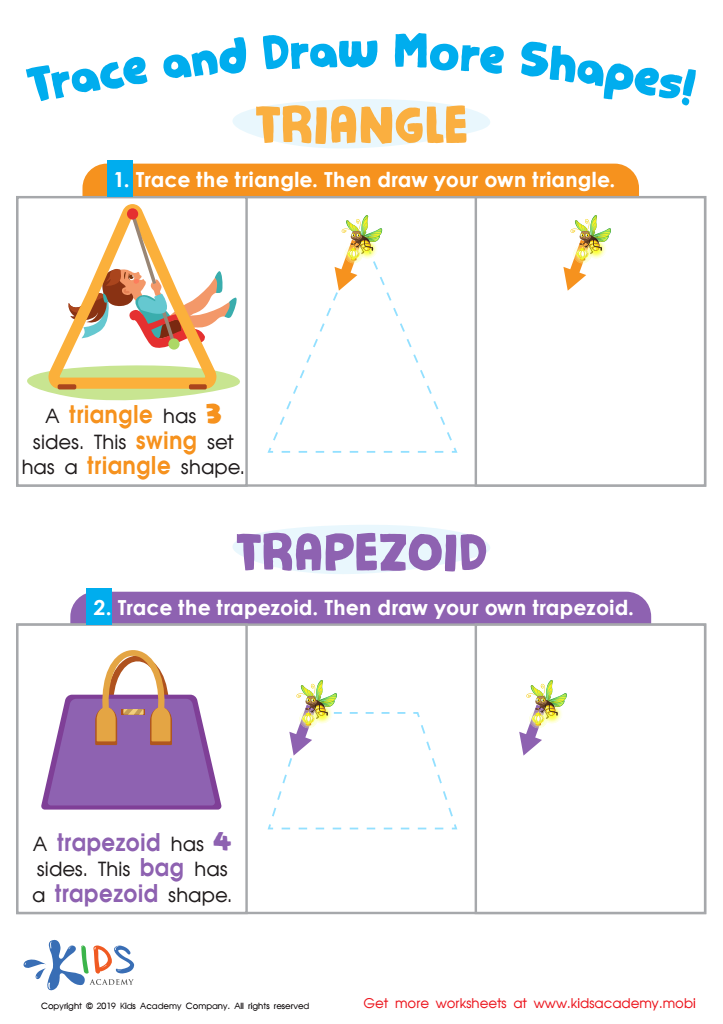
Trace and Draw More Shapes Worksheet
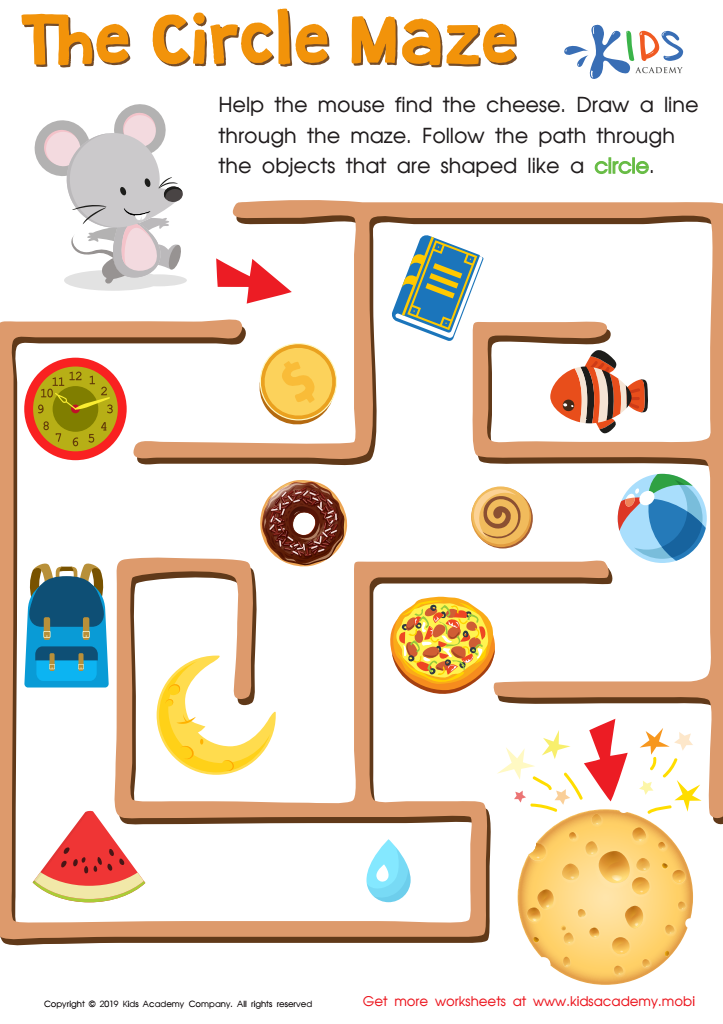
The Circle Maze Worksheet








Fine motor skills are crucial for children's overall development, particularly in areas such as handwriting, self-care, and later complex academic tasks. The Fine Motor Skills Extra Challenge Geometry program for ages 7-8 plays a vital role in this development by integrating fun and engaging activities that promote precise hand-eye coordination and dexterity while introducing geometric concepts.
Children at this age are often improving their ability to manipulate objects and tools; engaging them with hands-on geometric challenges fosters not just fine motor skills but also critical thinking. By cutting, folding, or drawing geometric shapes, children enhance their spatial awareness while reinforcing their understanding of important math concepts.
Additionally, mastering fine motor tasks can lead to greater confidence in children as they see tangible results of their efforts, whether it's through crafting shapes or completing intricate puzzles. This encouragement fosters a positive attitude toward learning and problem-solving.
Moreover, supporting fine motor development in conjunction with geometry lays a strong foundation for future STEM learning. As parents and teachers recognize the importance of these interconnected skills, they contribute to shaping well-rounded, confident learners prepared for the more complex tasks they will encounter in later education. Engaging children in such challenges now can lead to lifelong benefits.