Mathematical reasoning Extra Challenge Math Worksheets for Ages 7-8
8 filtered results
-
From - To
Elevate your child's math skills with "Mathematical Reasoning Extra Challenge Math Worksheets for Ages 7-8." Perfect for young learners keen on tackling advanced problems, these worksheets blend fun and education, focusing on critical thinking, problem-solving, and analytical skills. Specially designed for kids aged 7-8, each worksheet encourages curiosity and stimulates mathematical exploration beyond standard practice. Whether it's logic puzzles, pattern recognition, or strategic games, these activities build a robust foundation in math reasoning. Ideal for home or classroom use, they're a great resource for boosting your child's confidence and understanding in mathematics.
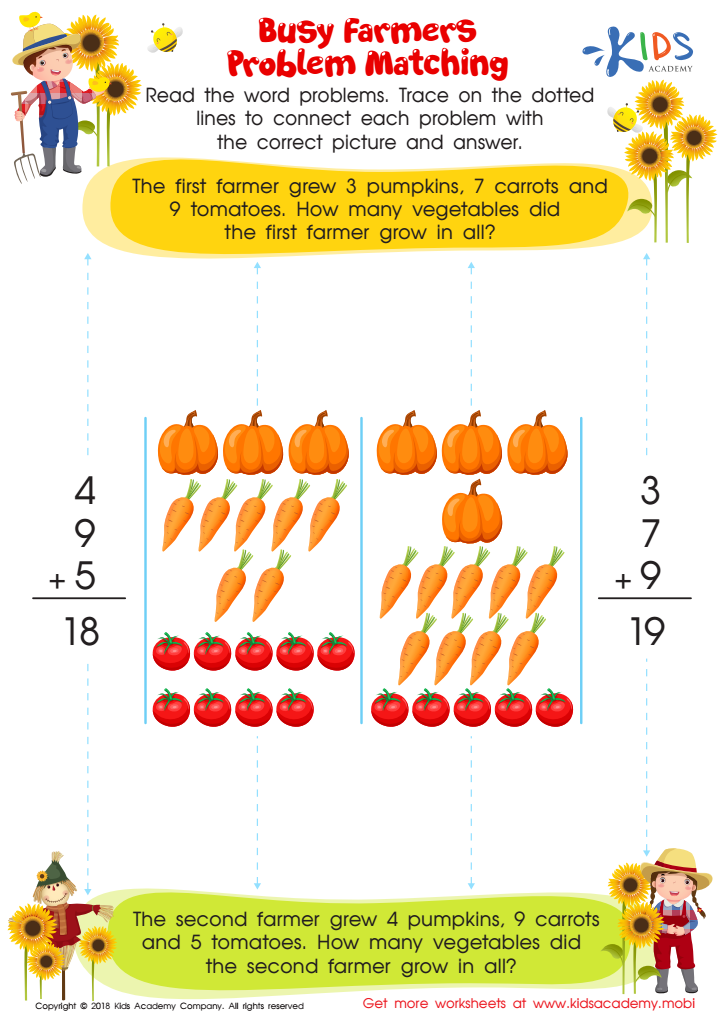
Busy Farmers: Problem Matching Worksheet
 Assign to My Students
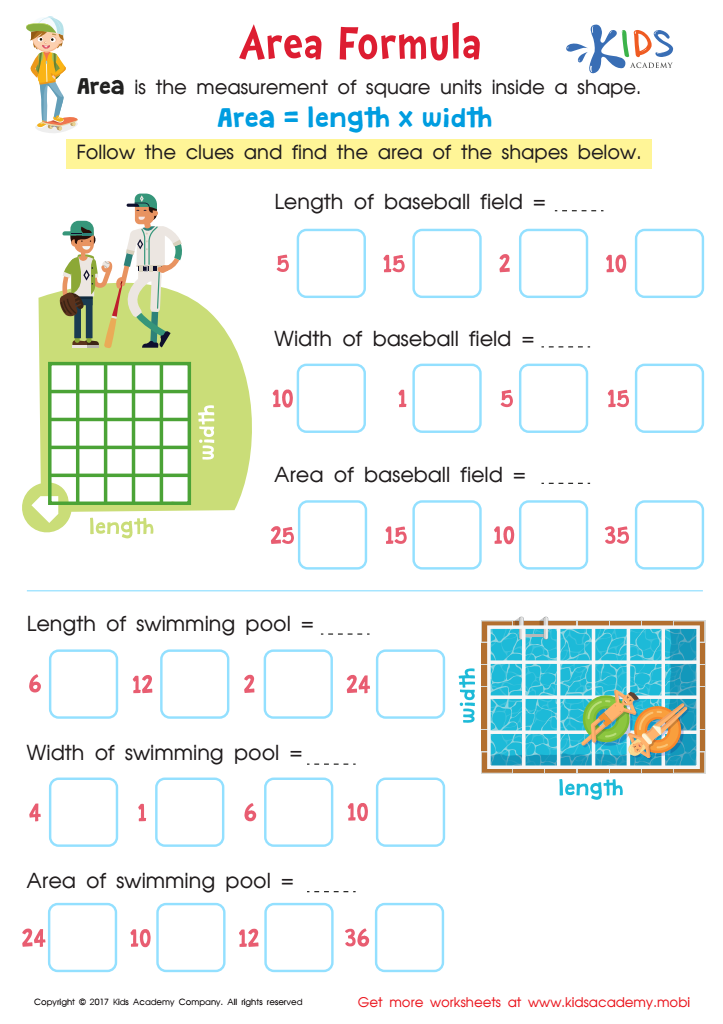
Area Formula Worksheet
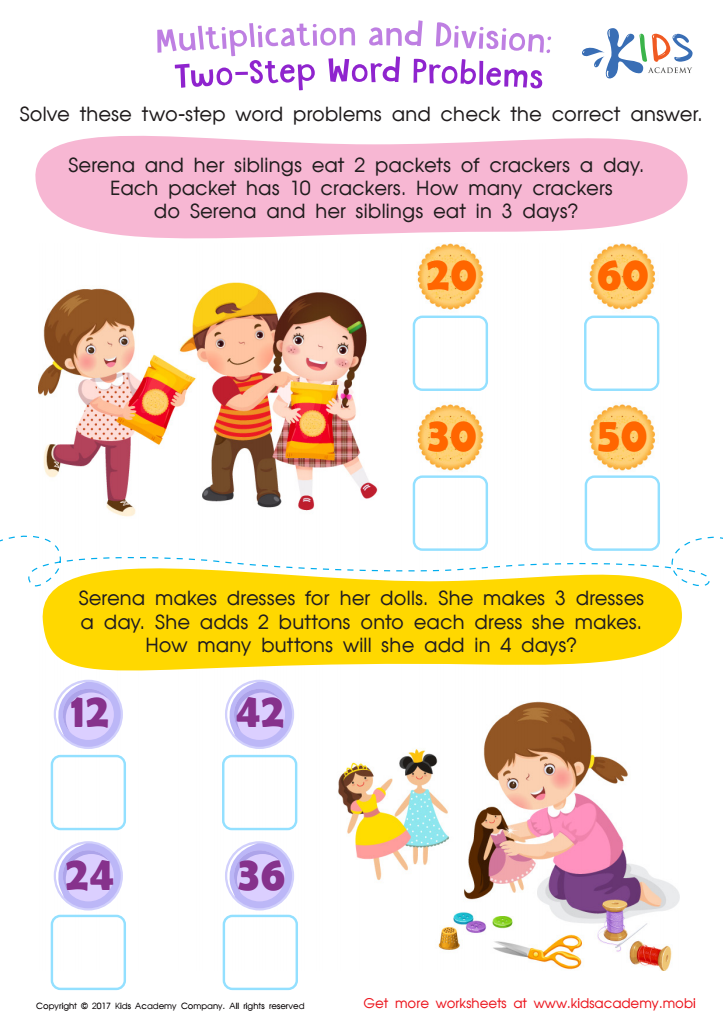
Two Step Word Problems Worksheet
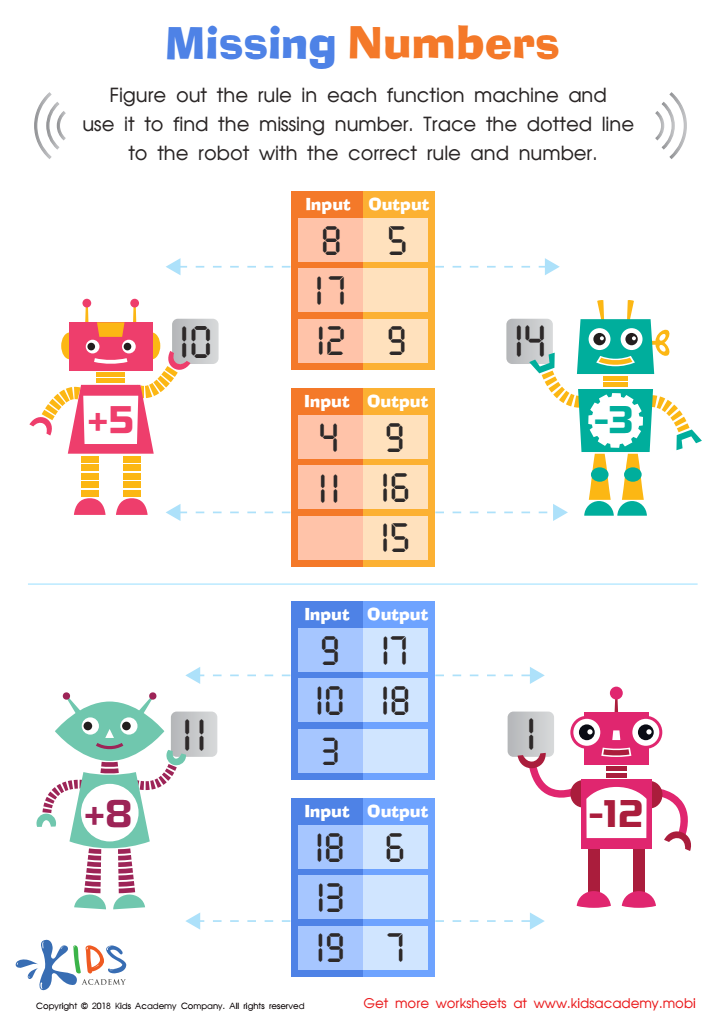
Missing Numbers Worksheet
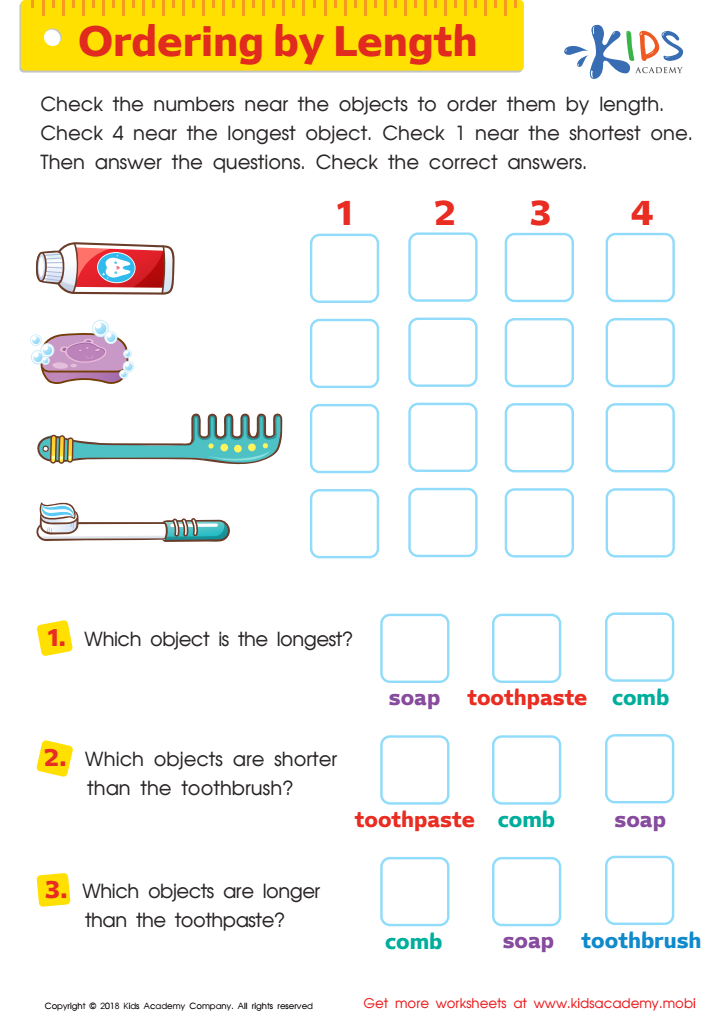
Ordering by Length Worksheet
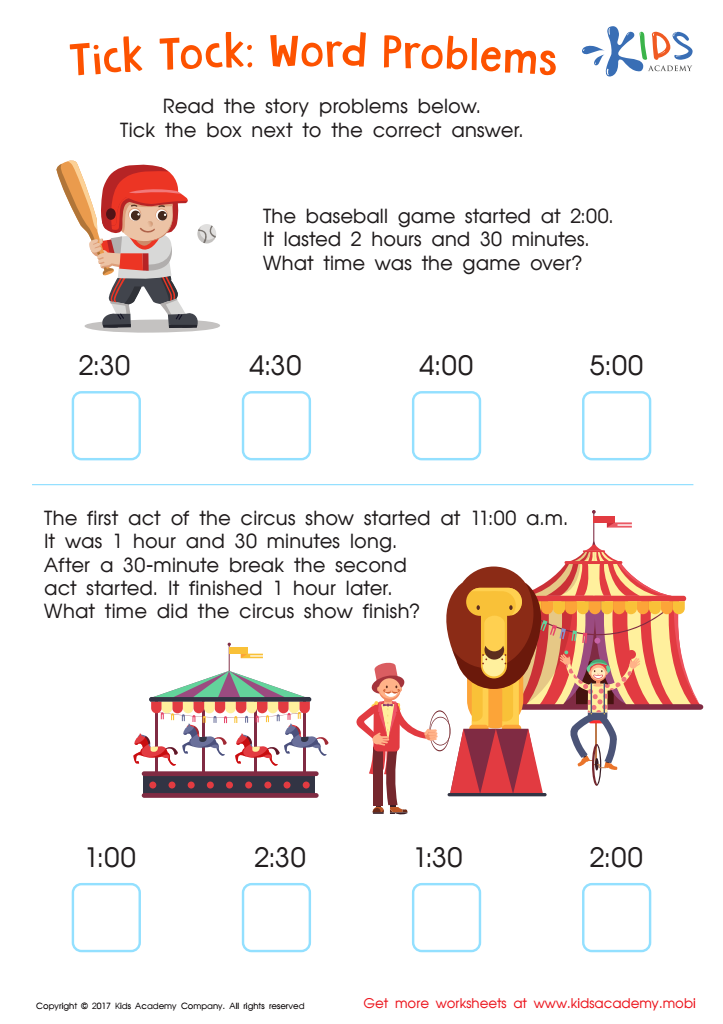
Tick Tock Word Problems Time Worksheet
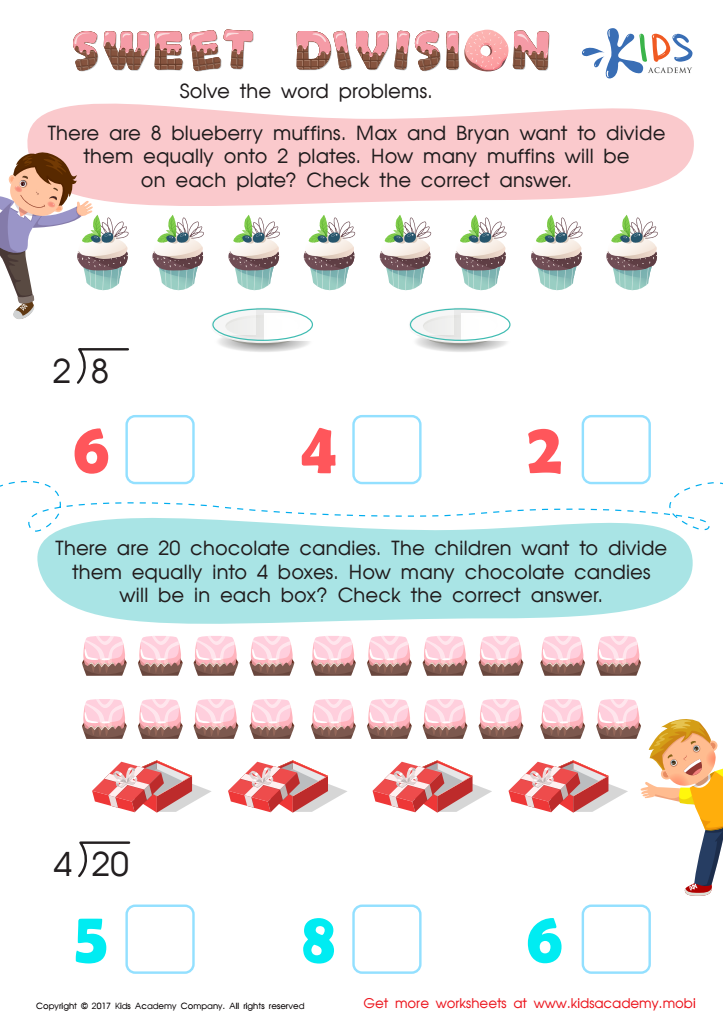
Division Word Problems Worksheet
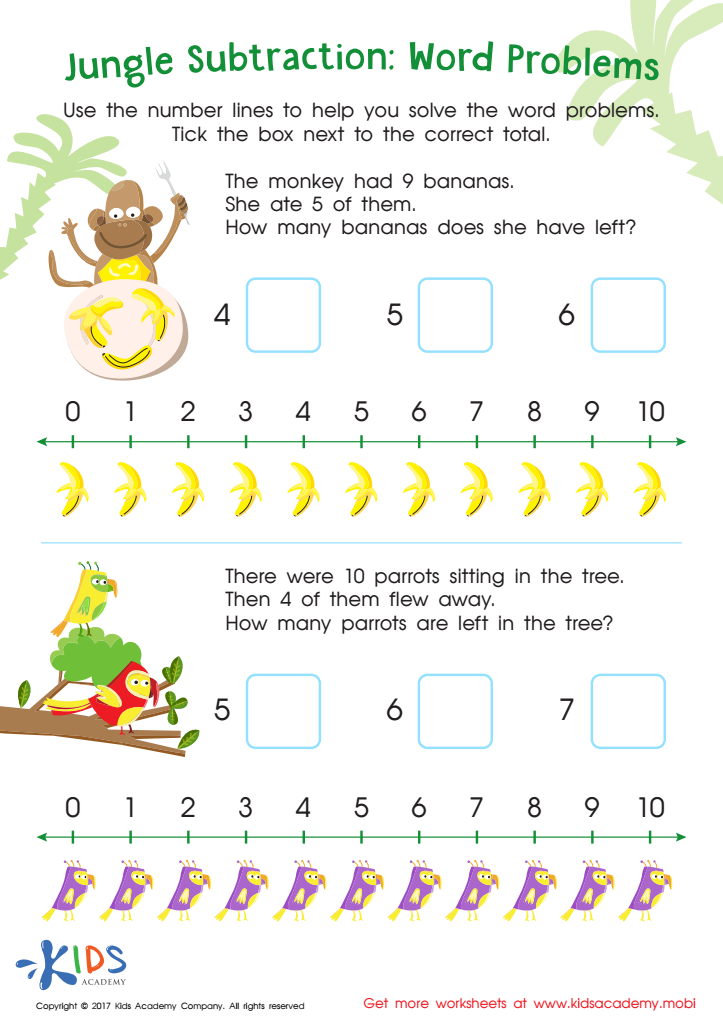
Jungle Subtraction Word Problems Substraction Worksheet






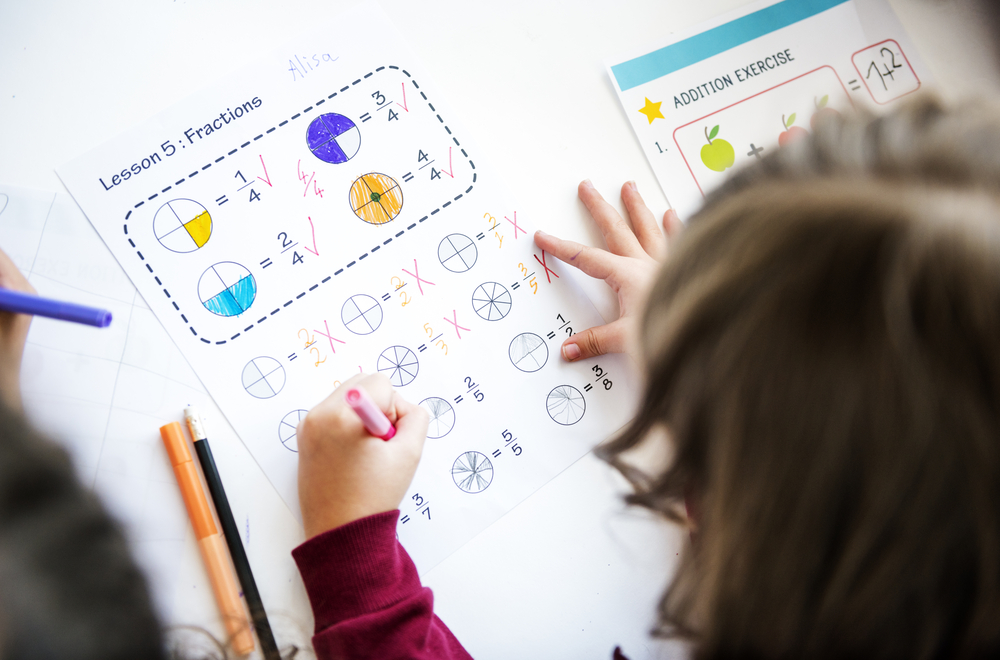

Mathematical reasoning is the foundation for critical thinking and problem-solving skills, both essential for a child's academic and everyday life. Introducing extra challenge math activities to children aged 7-8 is particularly important for multiple reasons. First, this is the formative period when foundational math concepts like addition, subtraction, multiplication, and division are being solidified. Enhancing these skills through extra challenges fosters a deeper understanding and ensures children are not merely memorizing facts, but also comprehending the principles behind them.
Second, engaging in challenging math tasks helps to develop persistence and a growth mindset. When children encounter puzzles and complex problems that require more thought, they learn to approach difficult situations with resilience and curiosity rather than frustration.
Additionally, these challenges can identify and nurture mathematical talent. Some children may find regular curriculum too easy and become disengaged; extra challenges can keep them stimulated and promote their natural abilities. Further, activities designed for mathematical reasoning often promote collaborative learning and communication, as children discuss different approaches and solutions with peers.
Lastly, the confidence gained from solving challenging problems boosts overall self-esteem. This wellbeing spillover effect means they face other academic areas with heightened assurance. In sum, parents and teachers should care about these extra challenges as they play a multifaceted role in developing a well-rounded, thoughtful, and capable individual.