Fine Motor Skills Extra Challenge Letter Recognition Worksheets for Ages 7-9
7 filtered results
-
From - To
Enhance your child’s letter recognition and fine motor skills with our engaging Extra Challenge Worksheets, designed specifically for ages 7-9! These worksheets offer a variety of fun, hands-on activities that promote mastery of the alphabet while developing essential fine motor abilities. Kids will enjoy tracing, coloring, and completing unique letter-focused tasks, fostering both cognitive and physical skills. Perfect as a supplement to classroom learning or for at-home practice, our materials are aligned with early education standards. Watch your young learner build confidence and fluency in letter recognition while honing their dexterity! Explore our resources today for an enriching educational experience!
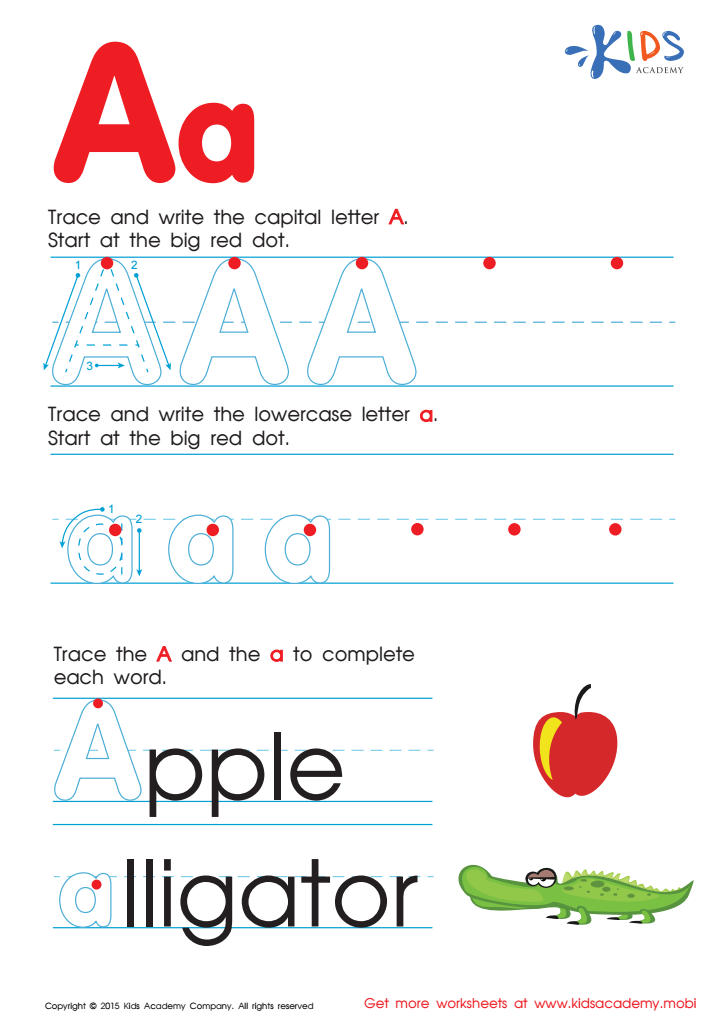
Letter A Tracing Page
 Assign to My Students
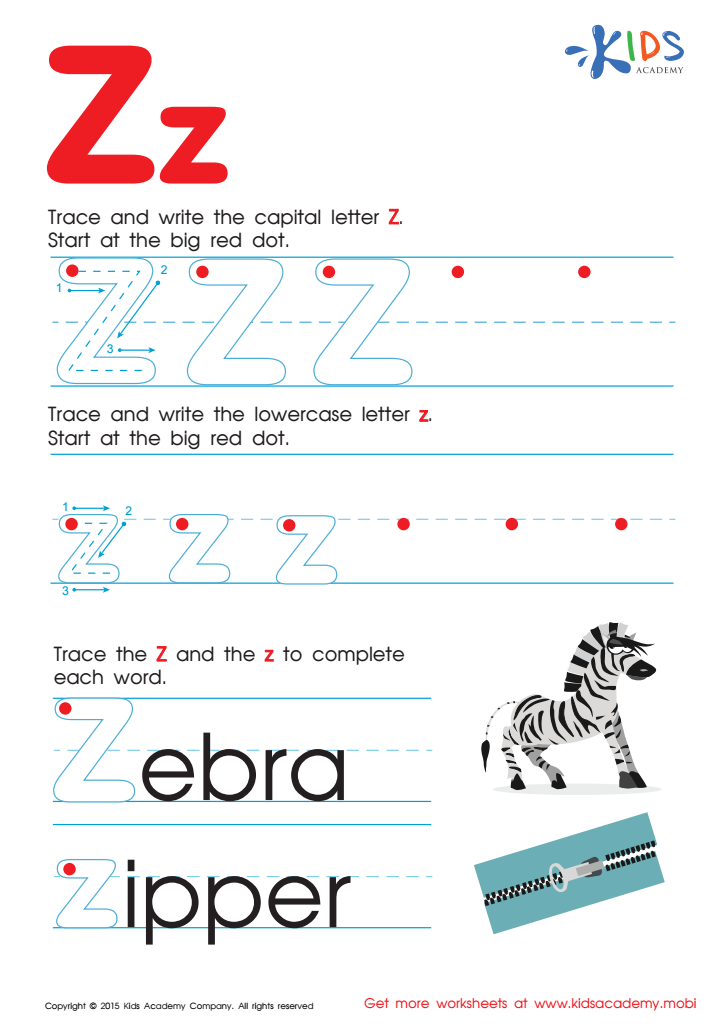
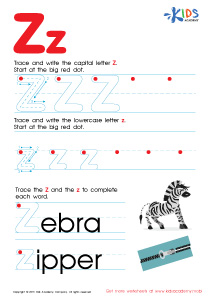
Letter Z Tracing Page
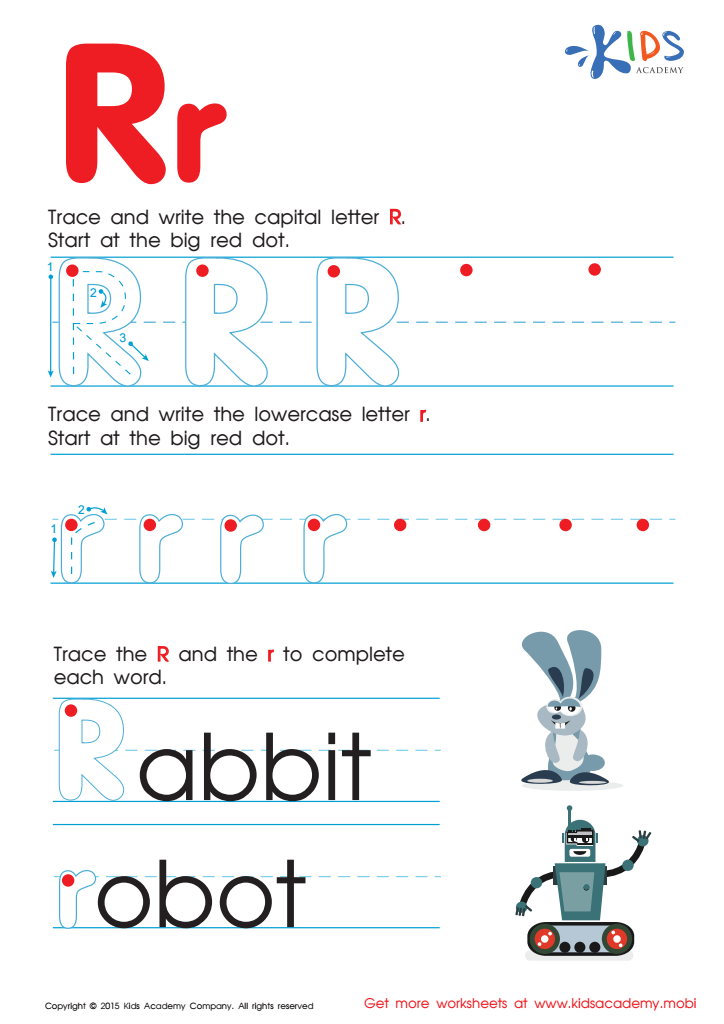
Letter R Tracing Page
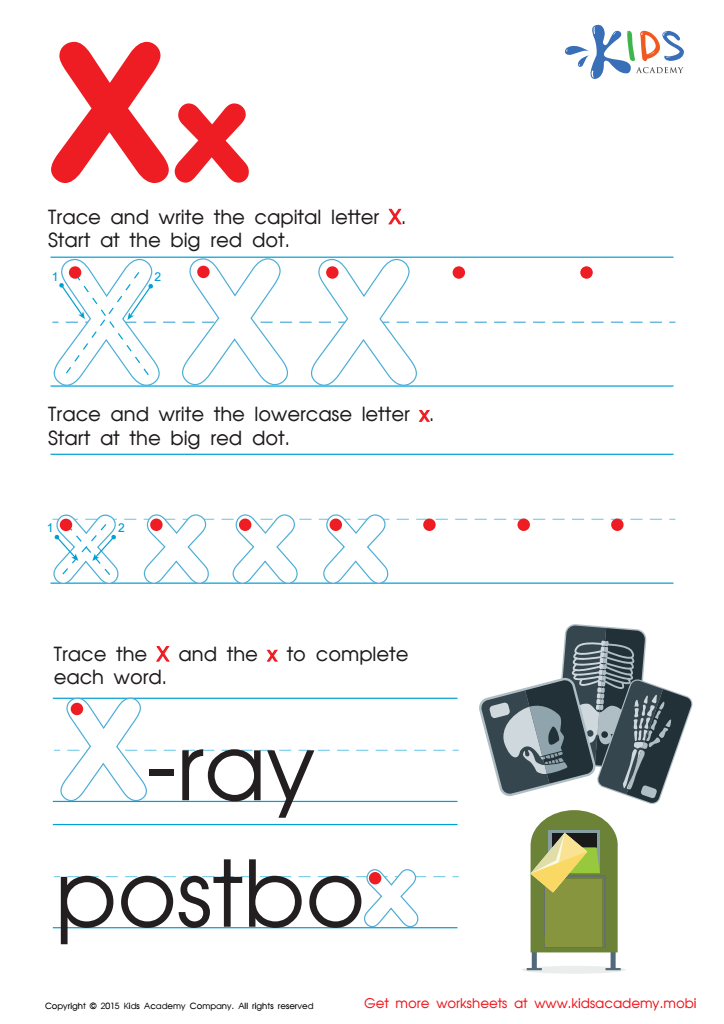
Letter X Tracing Page
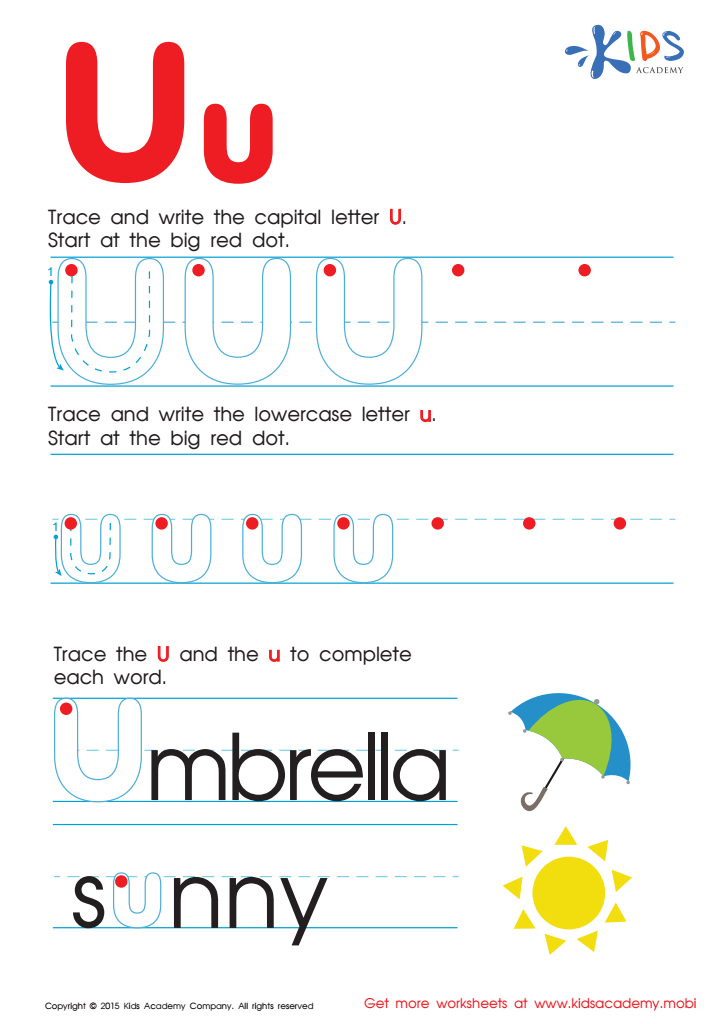
Letter U Tracing Page
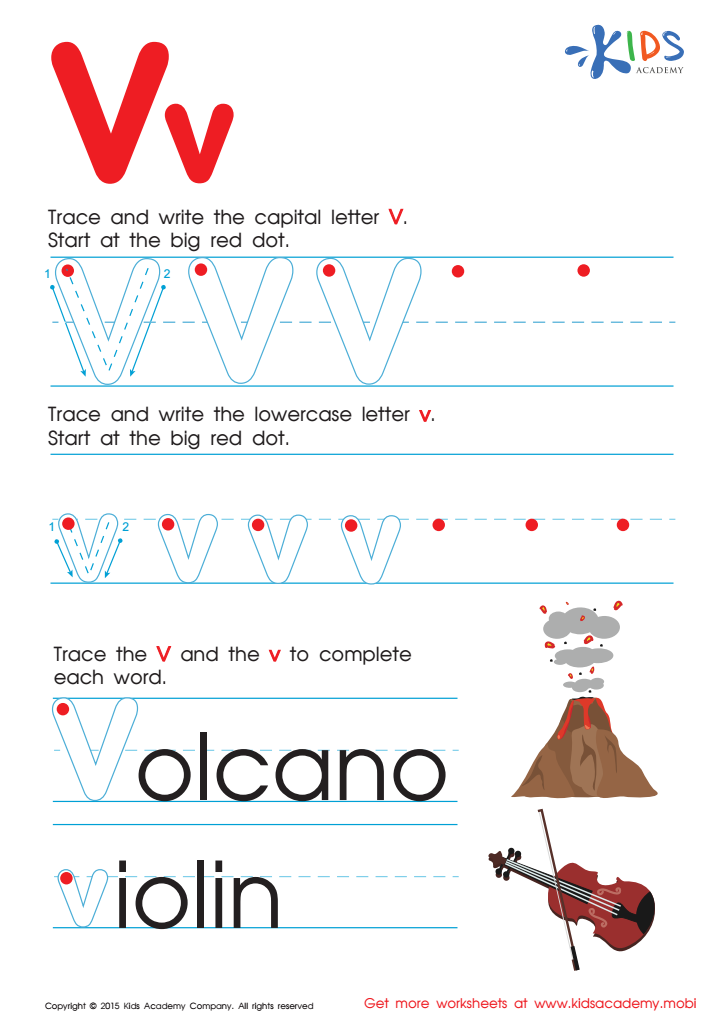
Letter V Tracing Page
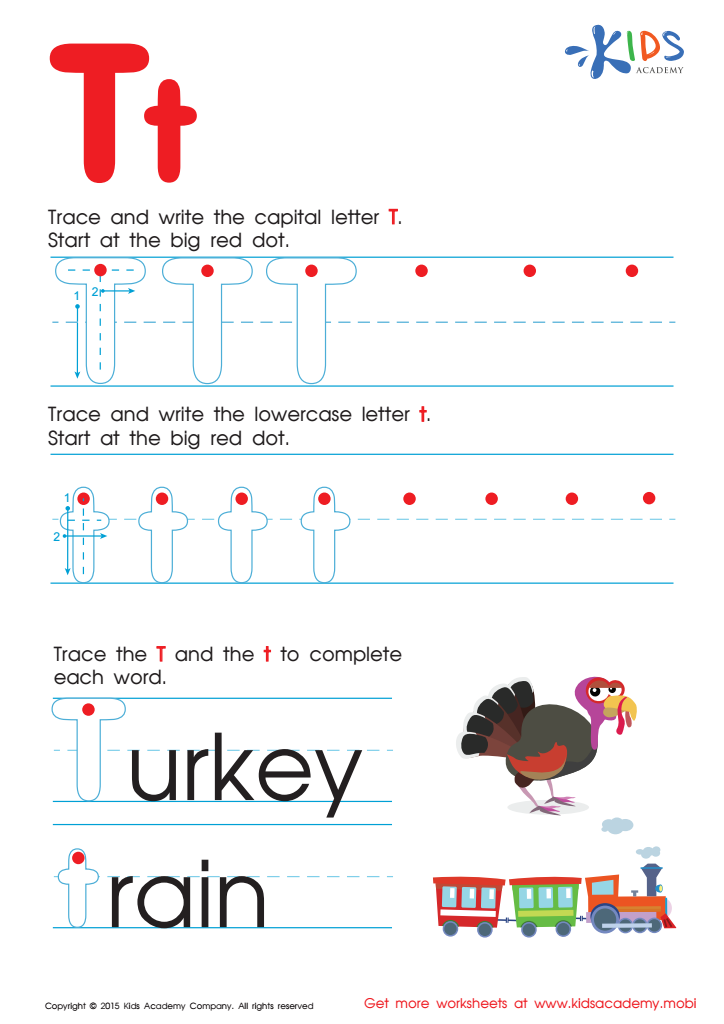
Letter T Tracing Page








Parents and teachers should care about Fine Motor Skills Extra Challenge Letter Recognition for ages 7-9 because these skills are foundational for a child's academic and personal development. Fine motor skills help young learners perform essential tasks like writing, cutting, and manipulating objects, which enhance their ability to engage with their environment productively. By focusing on letter recognition within this framework, children not only improve their handwriting but also deepen their understanding of language and literacy.
At ages 7-9, children are often transitioning from learning to read to reading to learn. Fine motor activities that incorporate letter recognition can effectively reinforce this critical stage, making reading and writing more enjoyable and fluent. Activities such as crafting letters with clay or using tweezers to pick up letter tiles can create a connection between physical skills and cognitive learning.
Moreover, increased proficiency in fine motor skills can boost children’s self-esteem and confidence as they gain independence in their tasks. Parents and teachers should support and provide ample opportunities for these challenges, cultivating a spirit of curiosity and motivation during these vital years. Prioritizing fine motor and letter recognition activities ultimately fosters lifelong learning, enabling children to succeed academically and personally.