Alphabet Recognition Extra Challenge Tracing Letters Worksheets for Ages 7-9
3 filtered results
-
From - To
Unlock your child’s literacy potential with our Alphabet Recognition Extra Challenge Tracing Letters Worksheets, specially designed for ages 7-9! These engaging worksheets provide an advanced opportunity for young learners to enhance their letter recognition and writing skills. Each worksheet features unique tracing challenges that encourage precise letter formation and boost confidence in handwriting. Ideal for at-home learning or classroom use, these versatile resources make learning fun and interactive. By practicing with these extra challenge worksheets, children can master the alphabet while developing essential motor skills. Equip your young learners with the tools they need to succeed in reading and writing today!

Letter A Tracing Page
 Assign to My Students
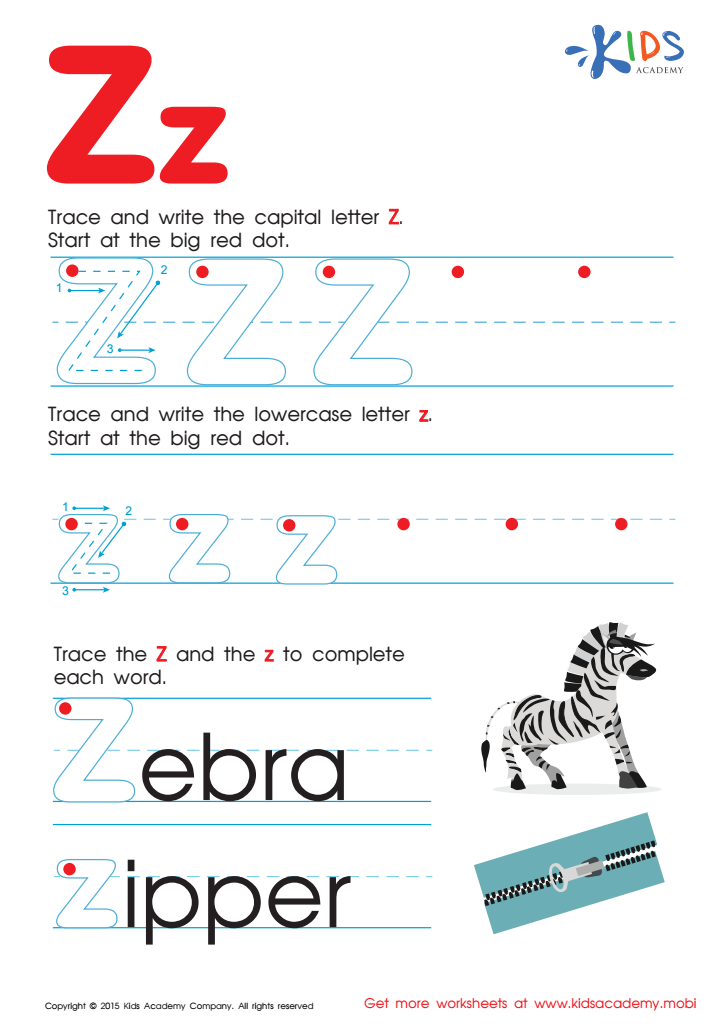
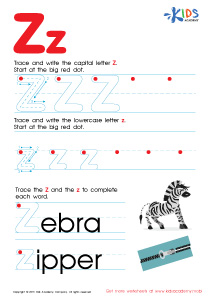
Letter Z Tracing Page
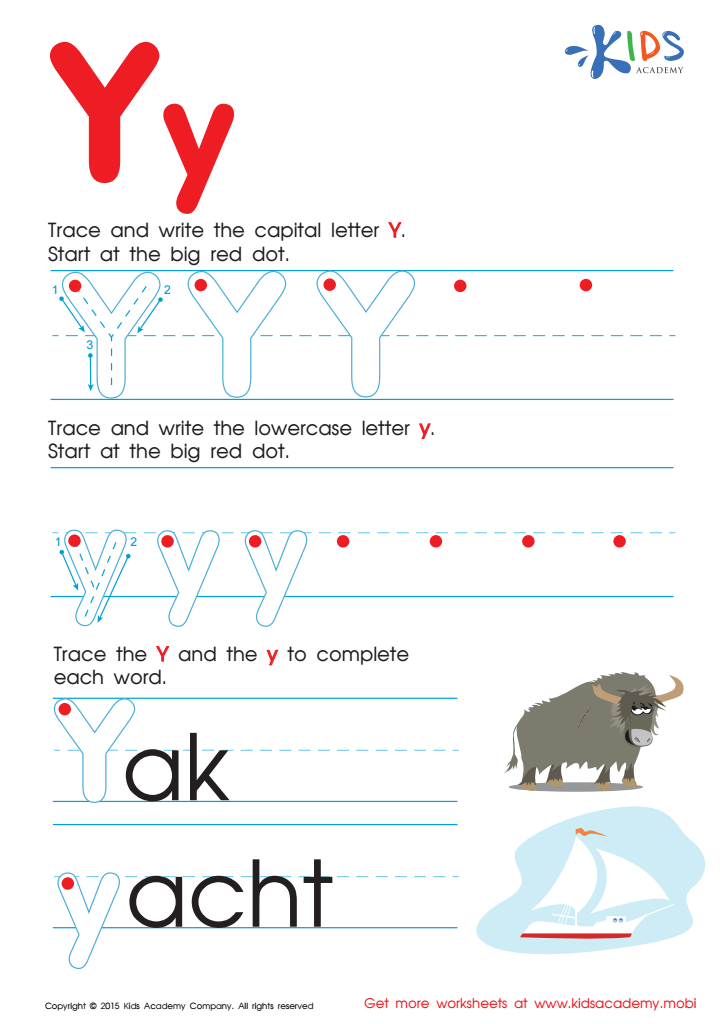
Letter Y Tracing Page








Alphabet recognition is a foundational skill crucial for literacy development. For children aged 7-9, mastering this skill enhances their reading and writing abilities. Letter tracing exercises serve as an effective extra challenge that not only solidifies letter recognition but also improves fine motor skills and hand-eye coordination.
When parents and teachers prioritize alphabet recognition through tracing, they foster a deeper understanding of phonetic sounds associated with each letter. This practice not only boosts confidence in young learners but also lays a solid groundwork for advanced literacy concepts, such as spelling and grammar.
Moreover, tracking letters can be integrated creatively with engaging activities, making learning enjoyable and interactive. As children trace, they can also explore word creation, which encourages vocabulary development and critical thinking.
Ultimately, focusing on alphabet recognition and tracing helps children develop essential skills that impact their academic performance. This skill enhancement can lead to improved literacy outcomes, potentially reducing struggles later in their schooling. Therefore, parents and teachers should be advocates for structured letter tracing activities as a key component of early education, ensuring children become competent readers and writers who thrive in their academic journey.