Understanding patterns Extra Challenge Math Worksheets for Ages 7-9
5 filtered results
-
From - To
Unlock your child's mathematical potential with our "Understanding Patterns Extra Challenge Math Worksheets" designed specifically for ages 7-9. These engaging worksheets provide an exciting opportunity for young learners to enhance their problem-solving skills through fun, challenging pattern recognition activities. Your child will explore various types of patterns, such as number sequences and visual designs, fostering critical thinking and cognitive development. As they tackle these extra challenges, they will build confidence in their math abilities while reinforcing concepts aligned with educational standards. Perfect for homeschooling or classroom enrichment, these worksheets make learning math a delightful adventure! Download now and watch your young mathematician thrive!
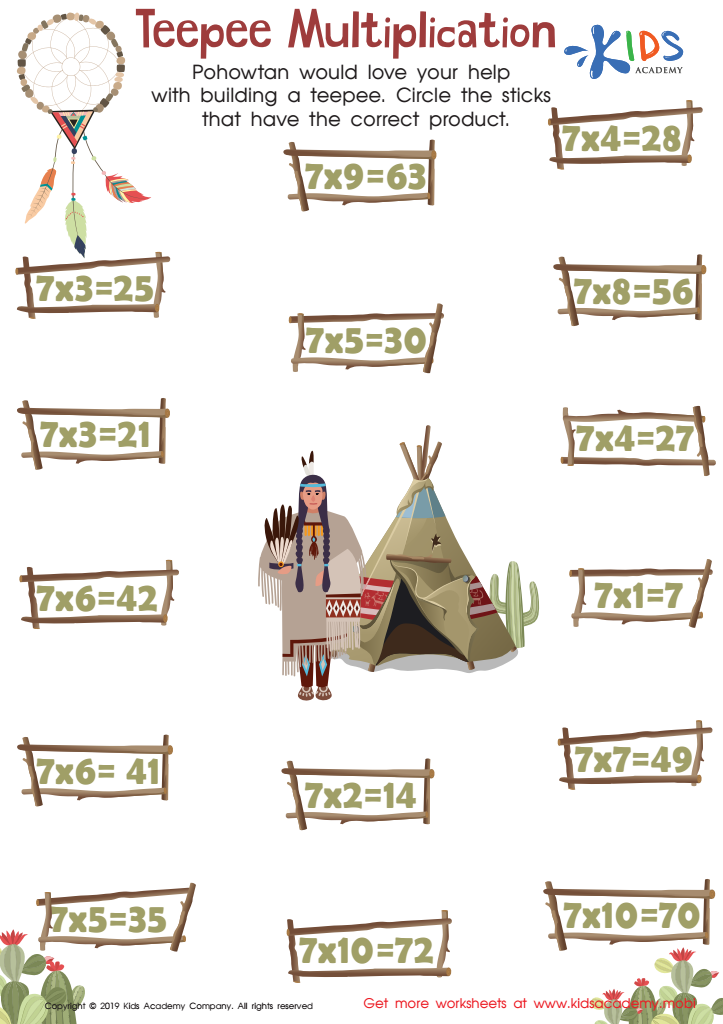
Teepee Multiplication Worksheet
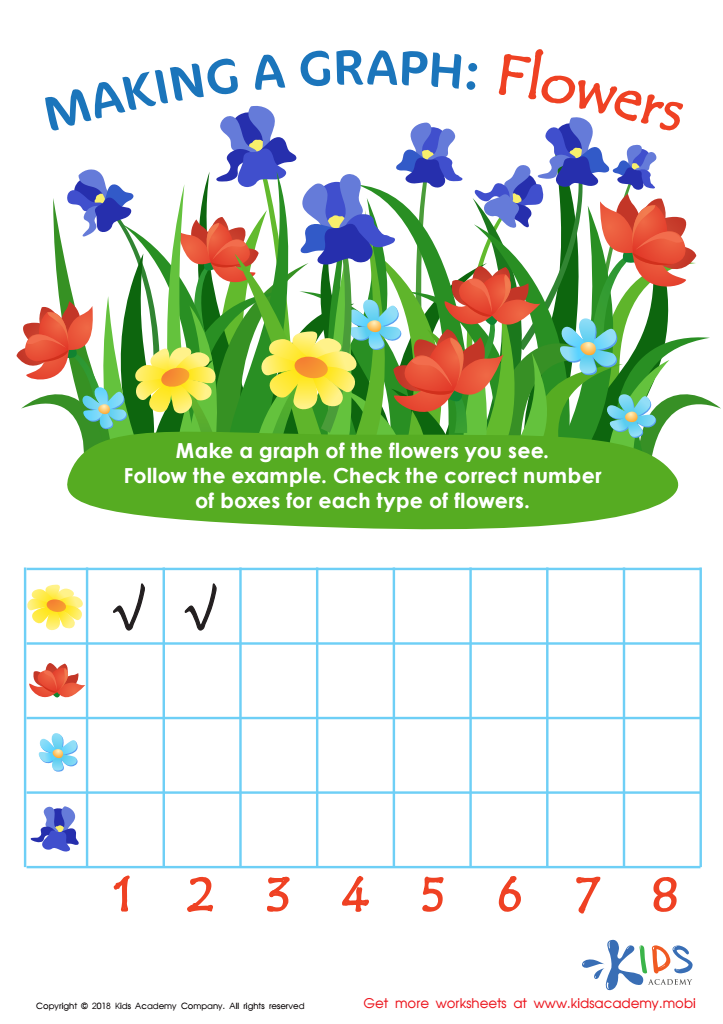
Making a Graph: Flowers Worksheet
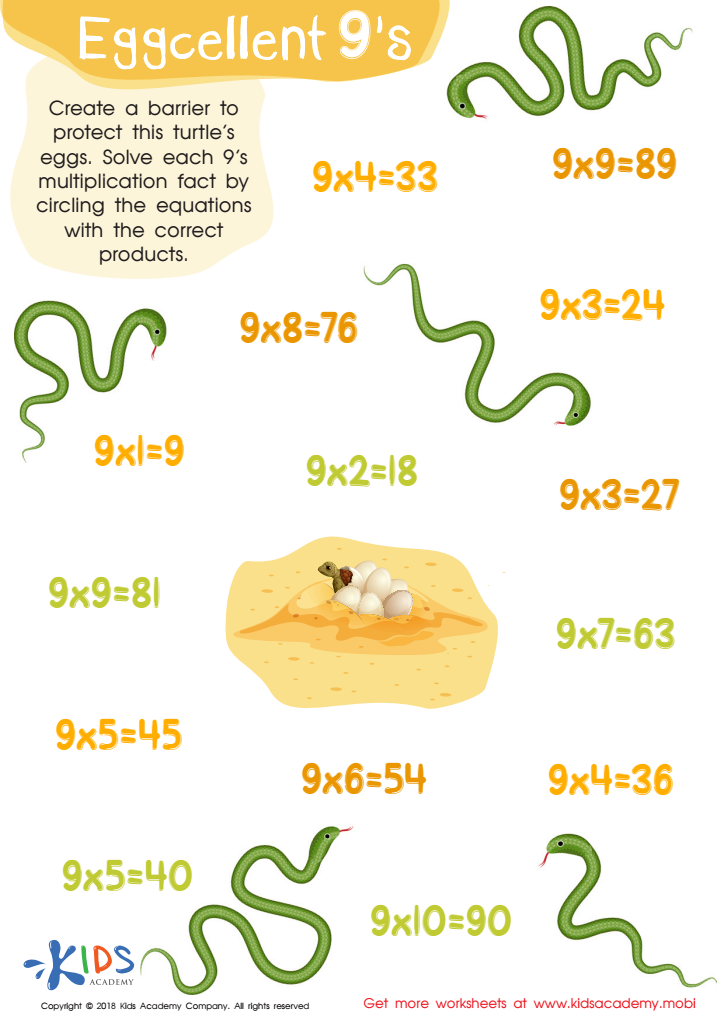
Eggcellent 9’s Worksheet
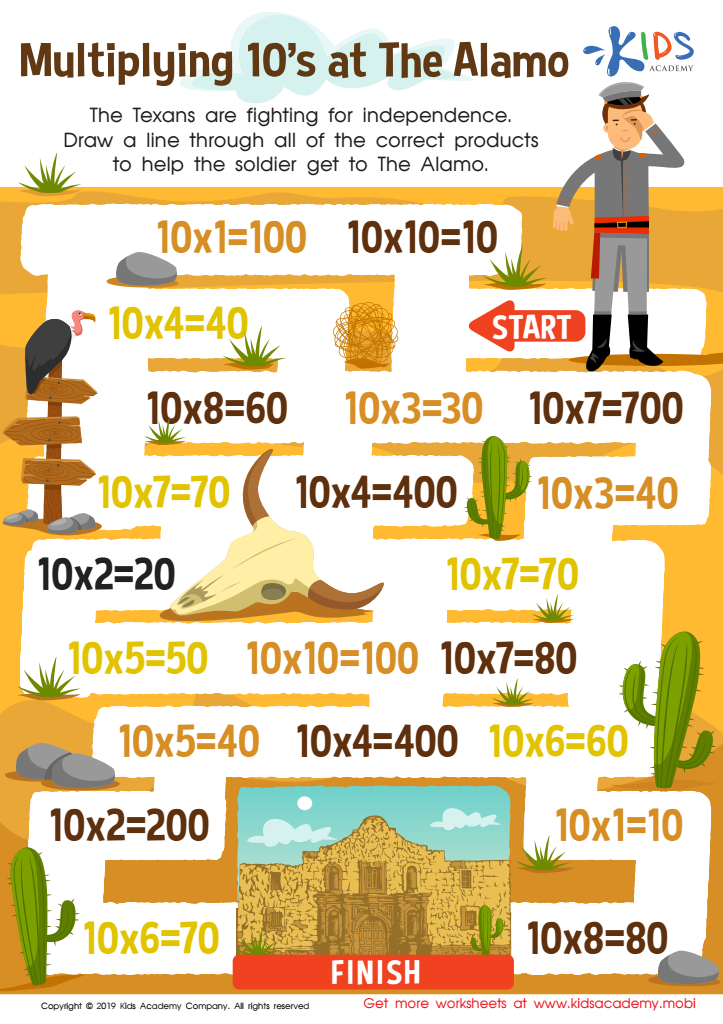
Multiplying 10’s at The Alamo Worksheet
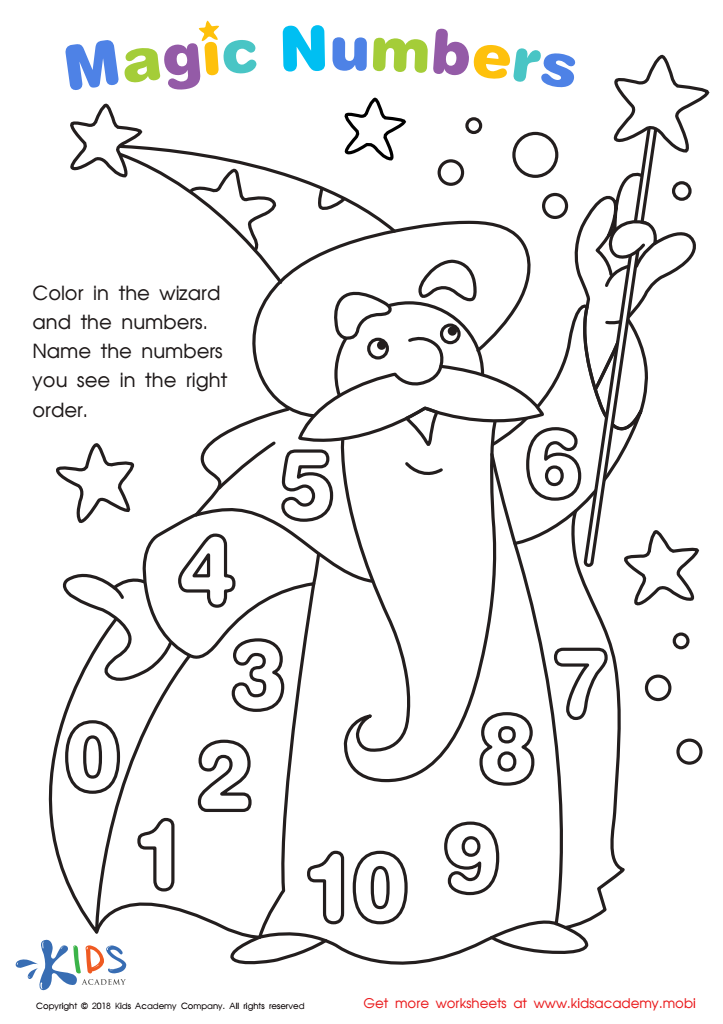
Magic Numbers Worksheet
 Assign to My Students







Understanding patterns is a crucial foundational skill in mathematics, particularly for children aged 7-9. This age group typically encounters more complex mathematical concepts, and recognizing patterns is an essential building block for developing problem-solving abilities. Parents and teachers should prioritize this skill as it fosters logical reasoning and critical thinking.
Pattern recognition is not limited to math; it translates to various areas of learning, promoting cognitive flexibility and creativity. By working through challenges that involve identifying and creating patterns, children enhance their analytical skills, which are beneficial not only in math but also in science and everyday life. Moreover, pattern challenges encourage perseverance and resilience, teaching children how to approach problems systematically.
Supporting children in mastering pattern recognition also sets the stage for success in future mathematical concepts such as algebra. It helps them explore relationships between numbers and shapes, understand sequences, and prepare them for more advanced studies. Overall, engaging with patterns nurtures a deeper comprehension of mathematics, encourages a love for learning, and empowers children to approach future challenges with confidence and curiosity, making it an essential component of their early education experience.








