Writing practice Extra Challenge Worksheets for 7-Year-Olds
3 filtered results
-
From - To
Boost your 7-year-old’s writing skills with our Writing Practice Extra Challenge Worksheets! These engaging and thoughtfully designed worksheets offer an extra layer of challenge, encouraging young learners to express their creativity while enhancing their writing abilities. Covering various topics, our exercises focus on sentence structure, imaginative storytelling, and vocabulary expansion. Perfect for reinforcing classroom learning or providing additional practice, these worksheets are tailored to stimulate a love for writing. With fun prompts and interactive activities, your child will relish the opportunity to develop confidence and proficiency in their writing journey. Explore our worksheets and make learning a delightful adventure today!
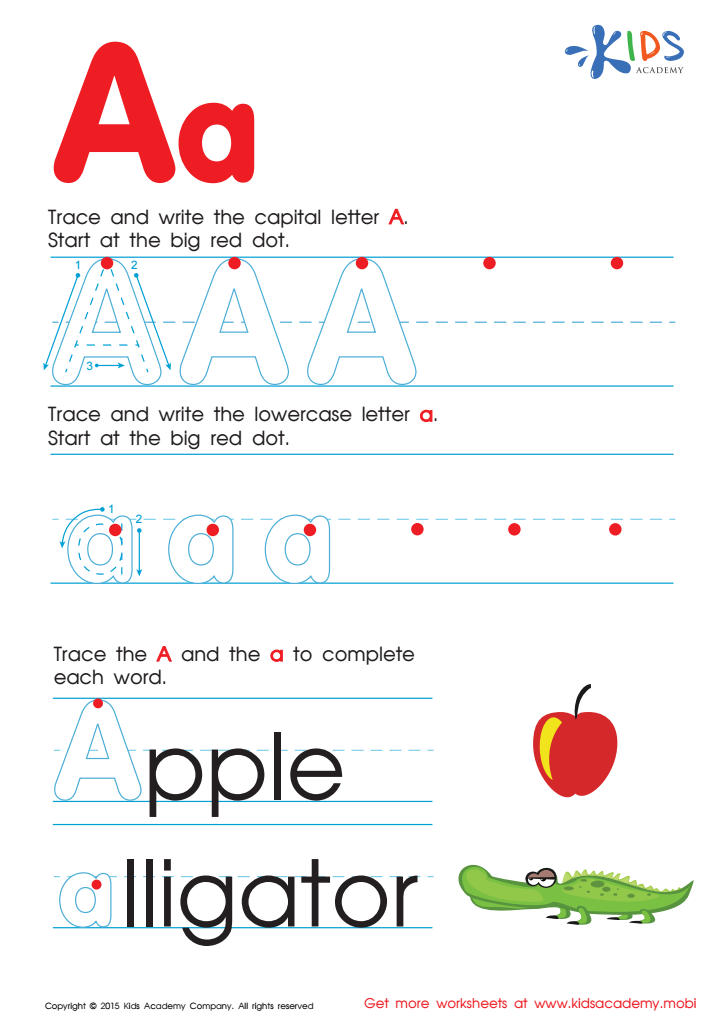
Letter A Tracing Page
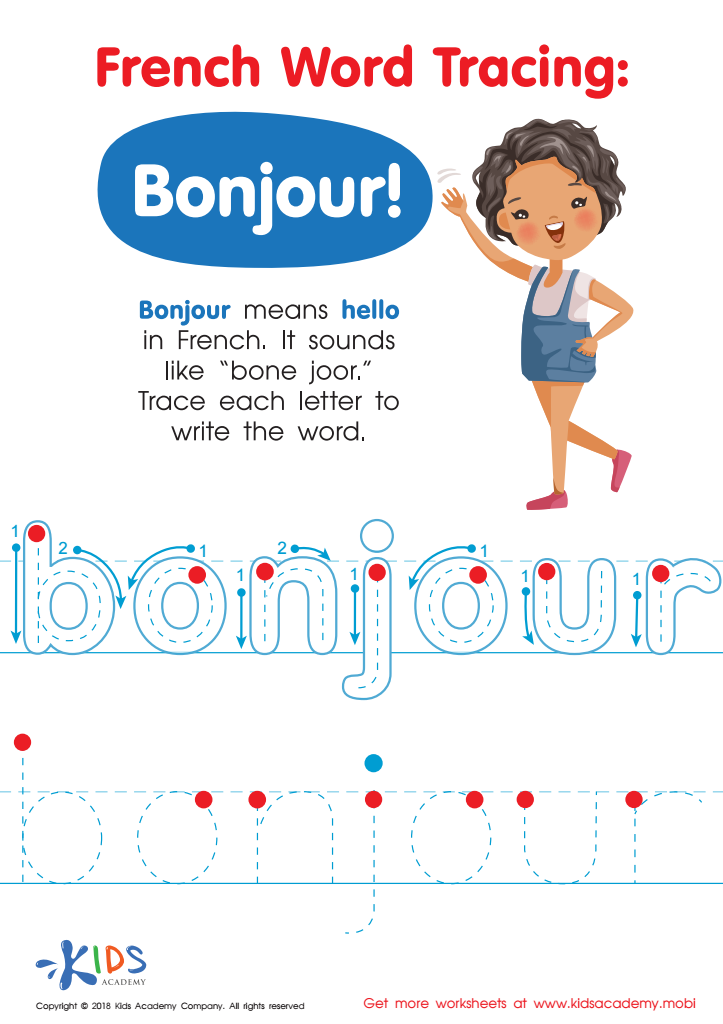
French Word Tracing: Bonjour Worksheet
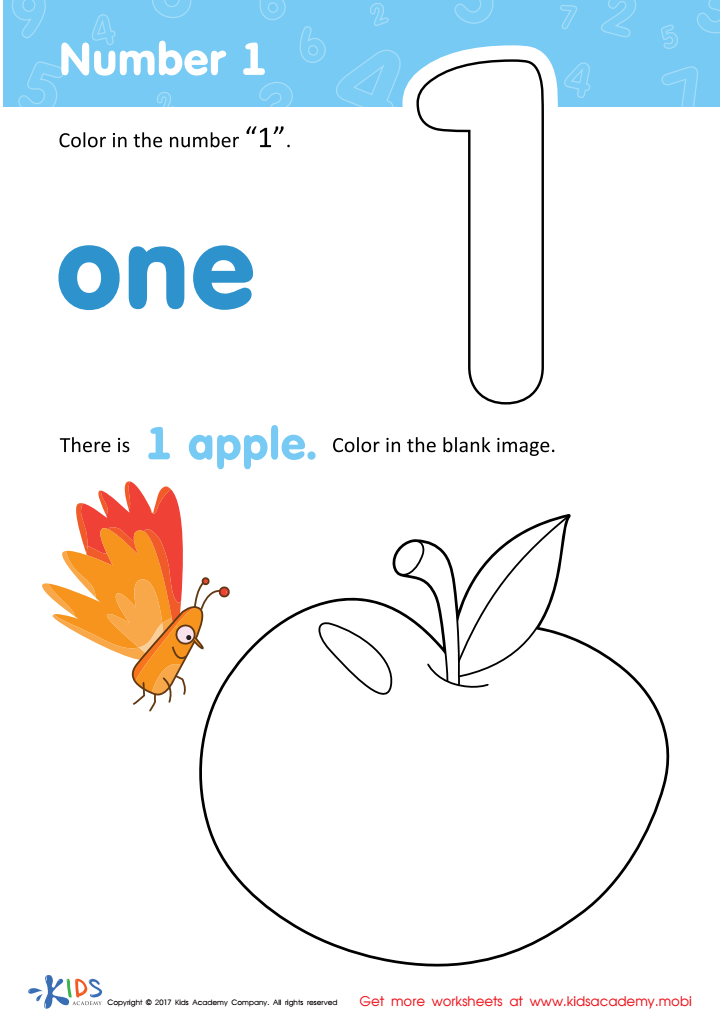
Number 1 Printable
 Assign to My Students







Writing practice is essential for 7-year-olds, as it serves as a foundation for their future academic success and critical thinking skills. At this age, children are becoming more independent in their thoughts and expressions. Engaging them in Extra Challenge writing activities stimulates creativity and encourages them to articulate their ideas more clearly. When parents and teachers prioritize writing practice, they support the development of essential linguistics skills, including vocabulary, grammar, and sentence structure.
Moreover, writing is an effective way for young learners to process emotions and experiences, promoting emotional intelligence and helping them build confidence in self-expression. Additionally, structured writing exercises can assist in fostering discipline, focus, and persistence—skills vital not only in school but throughout life.
For teachers and parents, facilitating engaging writing challenges makes learning enjoyable and relevant. By encouraging children to explore different genres, such as stories, poems, or persuasive pieces, they cultivate a love for literacy that can endure. Ultimately, supporting writing practice in this critical developmental stage empowers children to express themselves better, think critically, and engage meaningfully with their world. This investment in their writing journey will reflect positively on their overall academic performance and self-confidence.








