Vocabulary expansion Extra Challenge Science Worksheets for 7-Year-Olds
3 filtered results
-
From - To
Boost your child's vocabulary and science knowledge with our engaging "Vocabulary Expansion Extra Challenge Science Worksheets" designed for 7-year-olds! Our expertly crafted worksheets provide a fun, challenging way to enhance scientific understanding while expanding young learners' vocabulary. Each worksheet is filled with captivating activities and diverse topics such as plants, animals, weather, and more. Perfect for curious minds eager to explore the fascinating world of science! Let your child build confidence, improve reading skills, and master essential science concepts through our interactive and enjoyable exercises. Start your child's journey toward a stellar scientific vocabulary today!
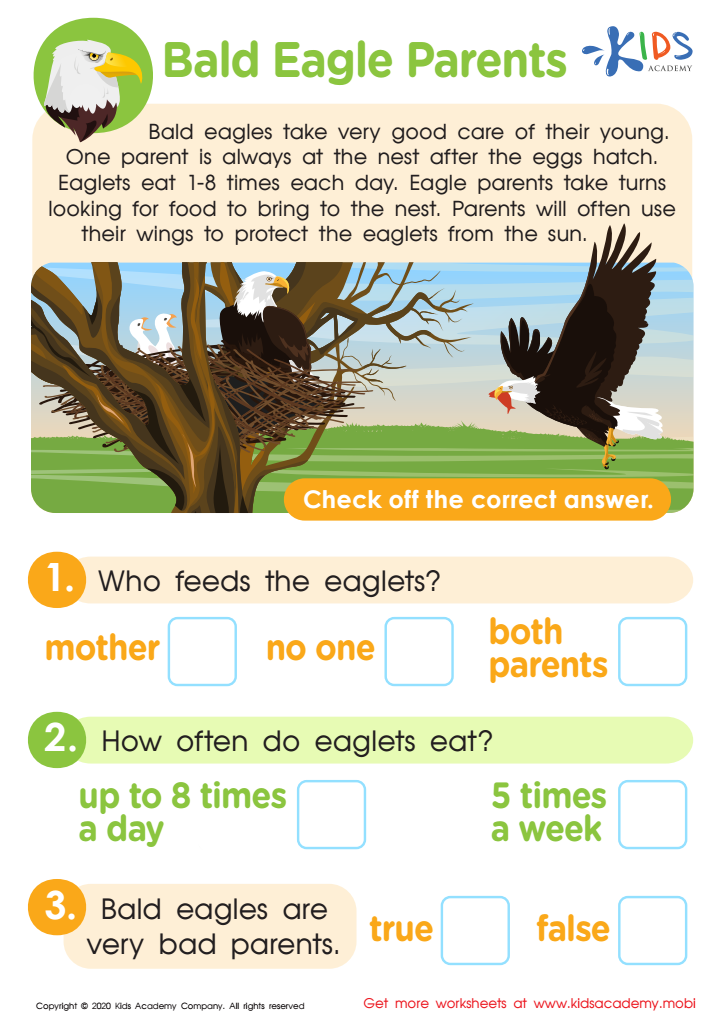
Bald Eagle Parents Worksheet
 Assign to My Students
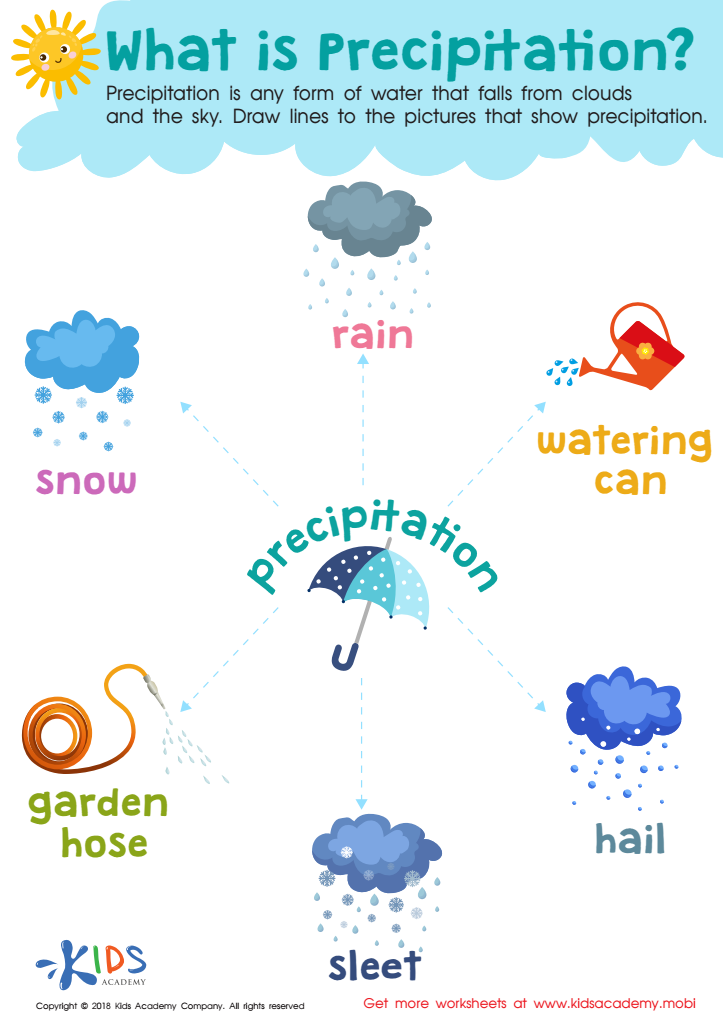
What Is Precipitation? Worksheet
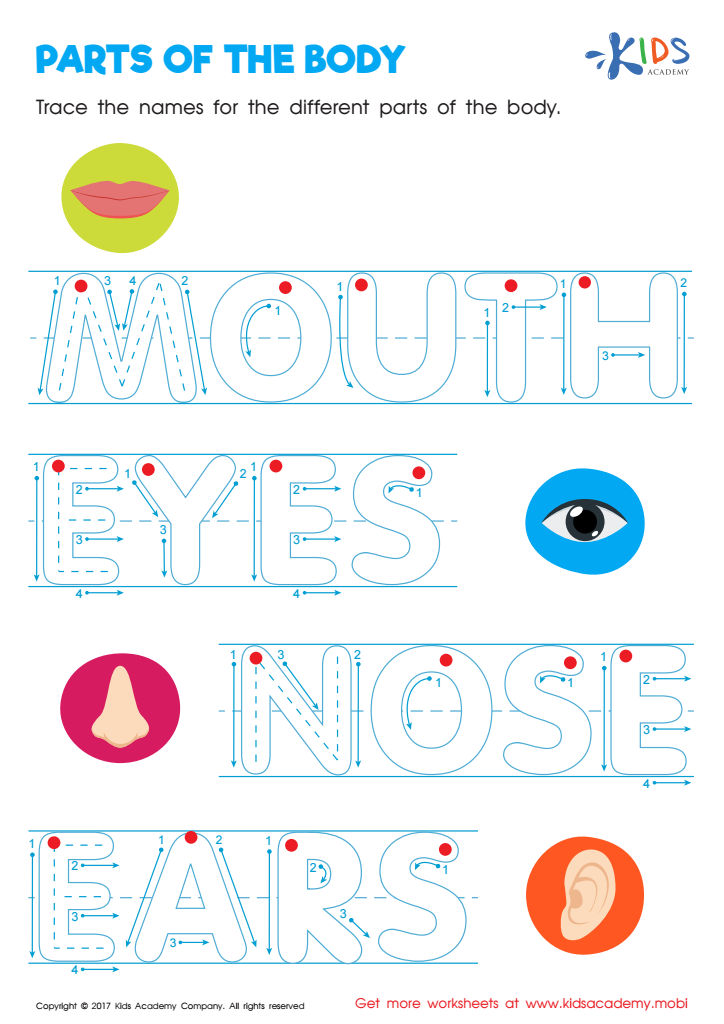








Vocabulary expansion and introducing the extra challenge of science to 7-year-old children is pivotal in their cognitive and language development. At this formative age, children's brains are highly receptive to learning new words and concepts. These activities build a robust vocabulary, which serves as a foundation for reading comprehension and overall academic success.
Science-focused vocabulary in particular helps children understand and engage with the world around them. For example, learning terms like "evaporation" or "photosynthesis" not only enriches their language but also sparks curiosity and a love for learning. It lays the groundwork for critical thinking and problem-solving skills by encouraging children to ask questions, make observations, and draw conclusions.
Furthermore, a strong vocabulary fosters effective communication. Children can articulate their thoughts, share ideas, and collaborate better with peers and adults. These skills are crucial for social interactions and future educational endeavors.
Parents and teachers play a key role in facilitating vocabulary growth and scientific curiosity. By integrating science vocabulary into conversations, reading materials, and activities, they can make learning engaging and contextually relevant. This investment in vocabulary and science education ensures children are well-equipped for future challenges in more complex subjects and everyday life.