Alphabet Recognition Extra Challenge Letter Recognition Worksheets for Ages 8-9
3 filtered results
-
From - To
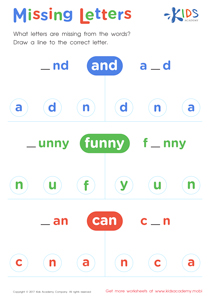
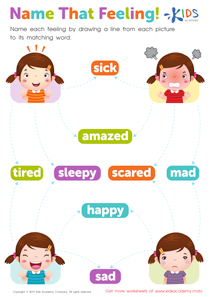
Enhance your child’s letter recognition with our Alphabet Recognition Extra Challenge Worksheets designed for ages 8-9! These intriguing activities go beyond basic letter identification, offering stimulating exercises that deepen understanding and improve literacy skills. Perfectly structured to challenge advanced learners, our worksheets incorporate puzzles, matching games, and writing tasks to support higher-level cognitive development. Foster confidence and precision in recognizing alphabetic characters with this engaging, multifaceted educational tool. Ideal for both classroom use and at-home practice, watch your child's reading and writing prowess soar with these thoughtfully crafted, advanced alphabet worksheets!
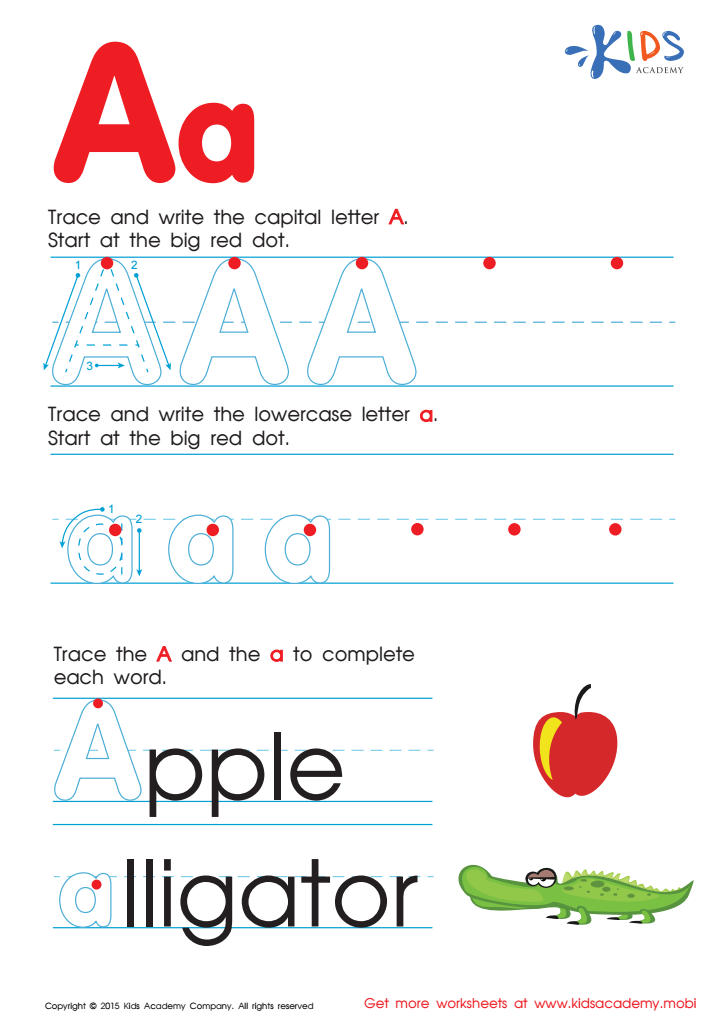
Letter A Tracing Page
 Assign to My Students
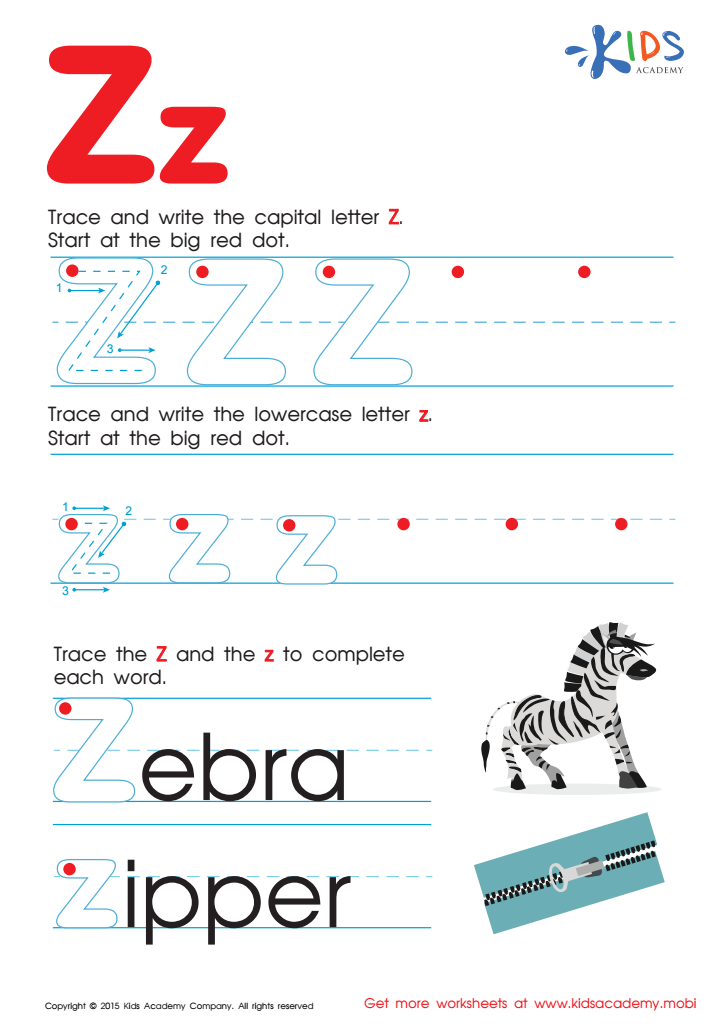
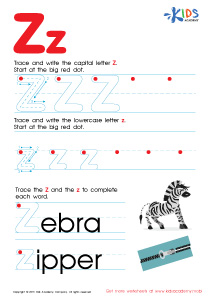
Letter Z Tracing Page
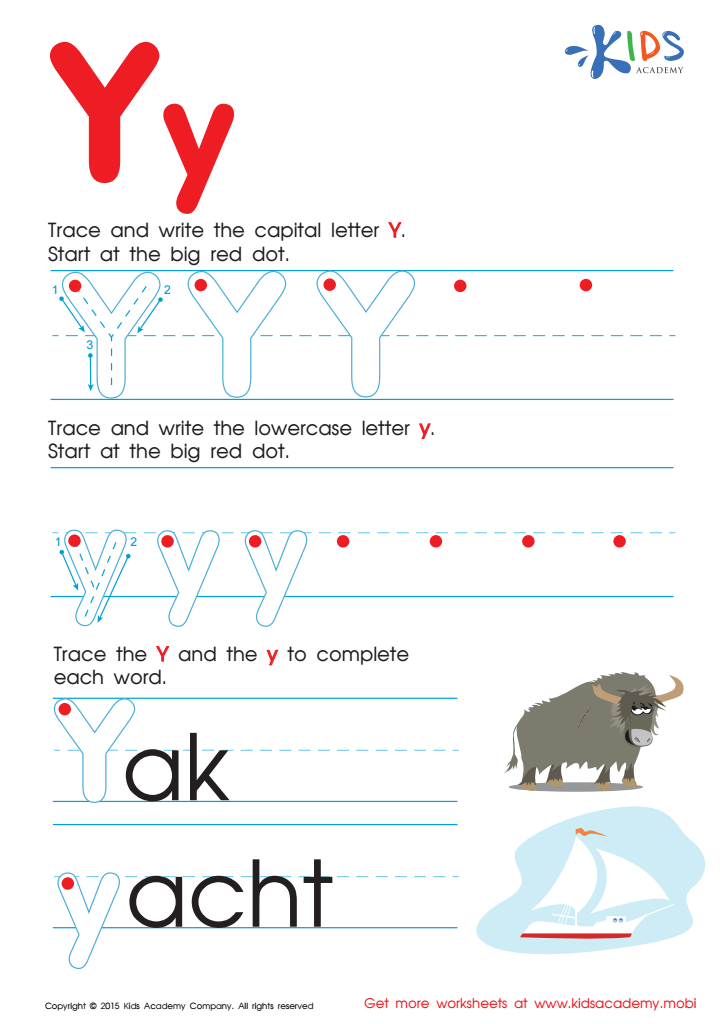
Letter Y Tracing Page








Alphabet recognition is a foundational skill crucial for language development and literacy. An Alphabet Recognition Extra Challenge, specifically designed for ages 8-9, serves multiple important purposes for parents and teachers—it reinforces and strengthens early literacy skills which are essential for academic success.
First, although children typically learn the alphabet at an earlier age, an extra challenge ensures that this knowledge is solidified. This age group is often transitioning from simple word recognition to more advanced reading and writing tasks. Reinforcing their alphabet skills helps mitigate potential gaps that could hinder reading fluency and comprehension.
Second, these challenges enhance cognitive skills. They often include activities that promote critical thinking, problem-solving, and memory—all of which are important for overall academic performance.
Third, letter recognition challenges often make learning more engaging. They can involve games, puzzles, or activities that make learning fun for children. Strong engagement in learning activities promotes a positive attitude toward education, which can have lasting benefits.
Lastly, in an inclusive classroom, some sections of the student population might still struggle with basic literacy skills due to diverse learning needs. By incorporating such tailored challenges, educators and parents can ensure that all students achieve the competencies needed to progress confidently through their educational journey.