Critical thinking skills Extra Challenge Worksheets for Ages 8-9
3 filtered results
-
From - To
Boost your child's cognitive development with our "Critical Thinking Skills Extra Challenge Worksheets for Ages 8-9"! These engaging worksheets are designed to challenge young minds, fostering skills such as problem-solving, analysis, and logical reasoning. Each activity encourages kids to think outside the box, helping them become more confident thinkers and learners. With a variety of fun and stimulating exercises, these worksheets are perfect for reinforcing classroom learning or providing extra practice at home. Ideal for parents and educators alike, our resources will elevate your child's critical thinking abilities while keeping them entertained. Unlock your child's potential today!
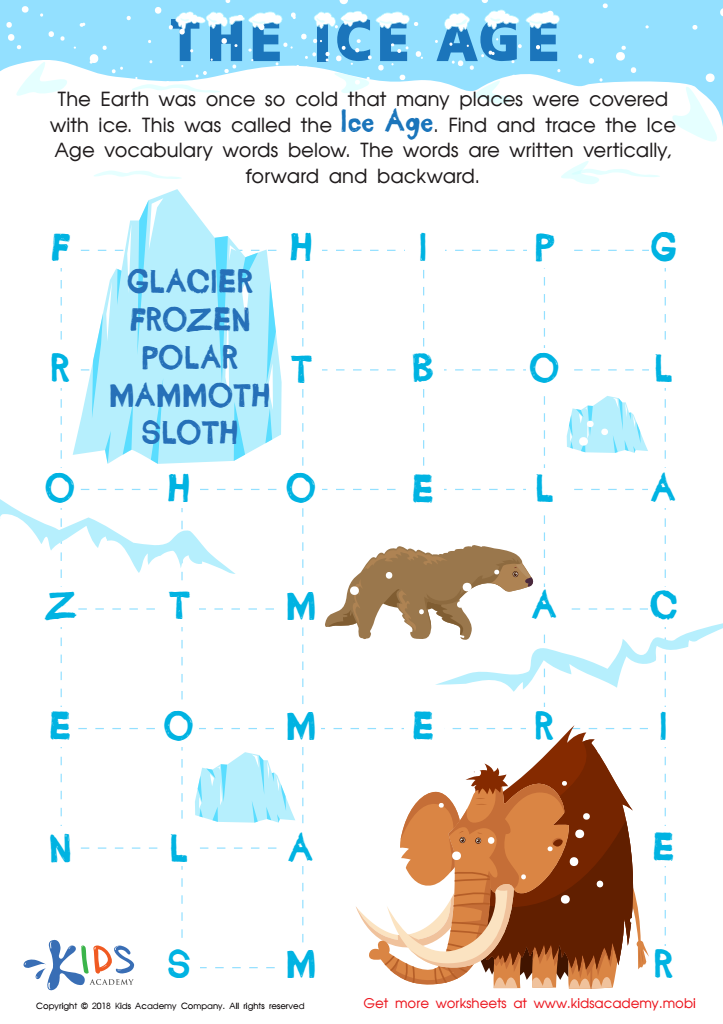
The Ice Age Worksheet
 Assign to My Students
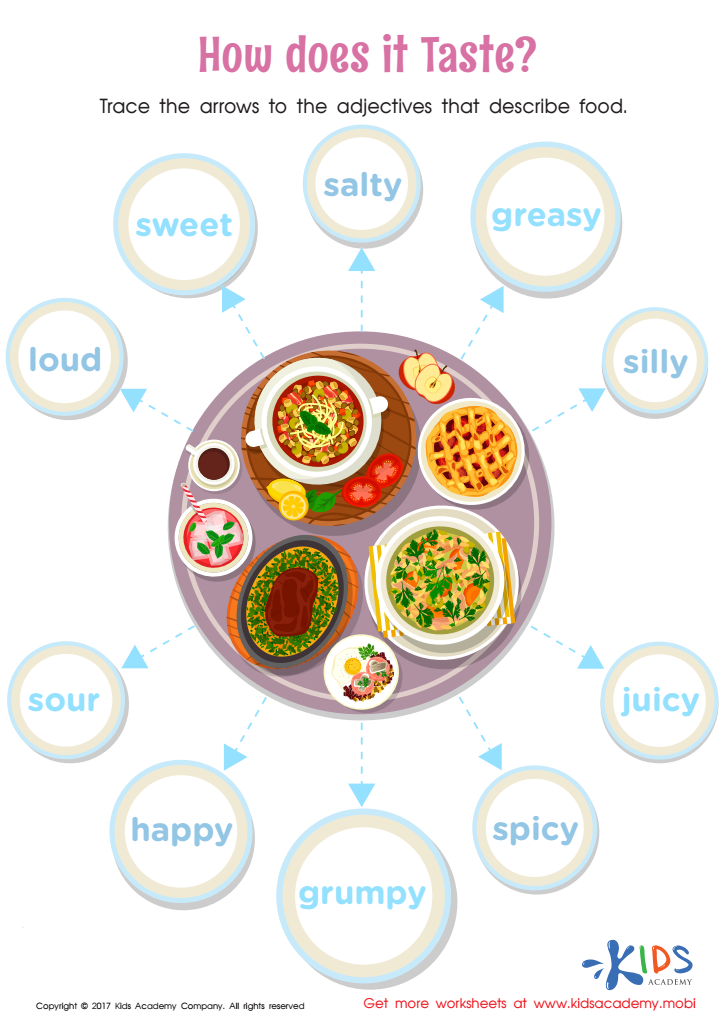
Food Adjectives Worksheet
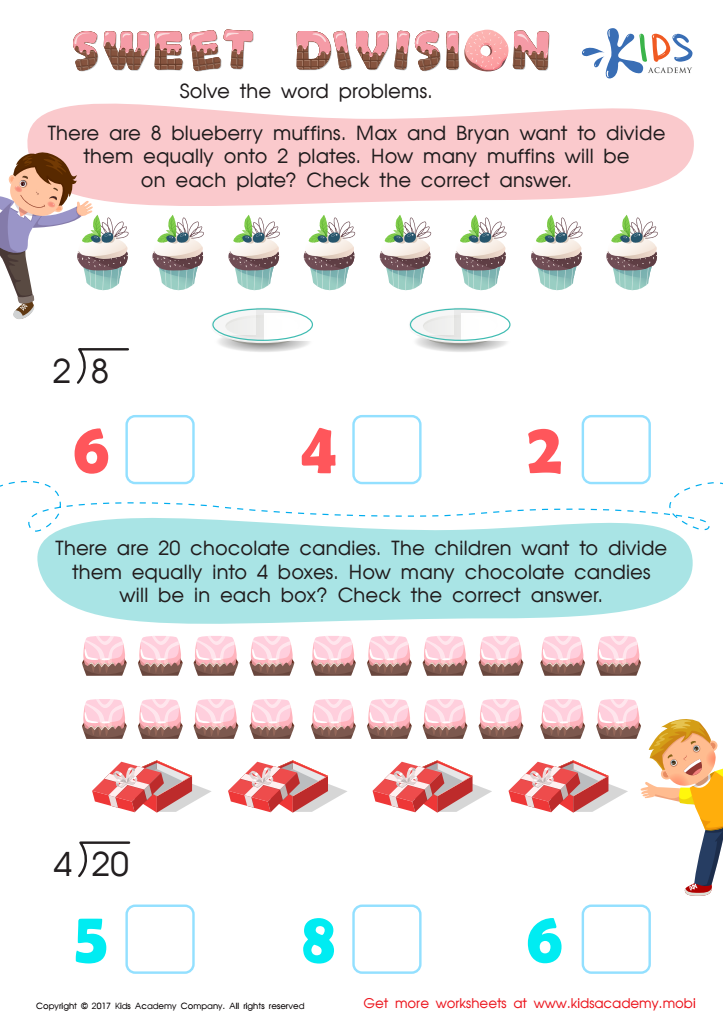
Division Word Problems Worksheet





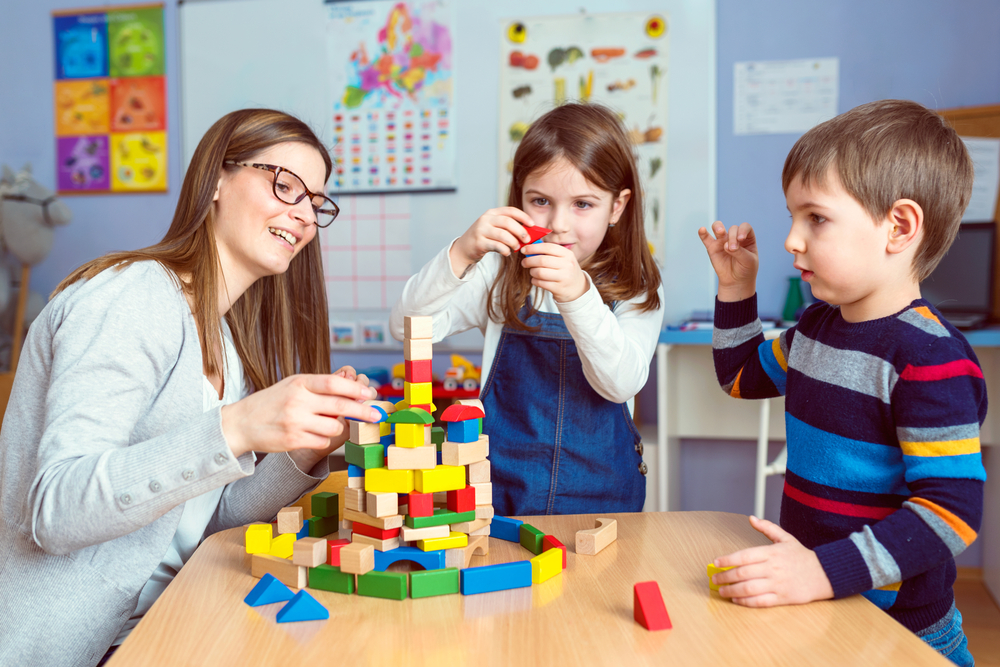


Critical thinking skills are vital for children aged 8-9, as they lay the foundation for effective decision-making, problem-solving, and independent thinking. At this developmental stage, children become more curious about the world, posing questions that require deeper understanding and analysis. Parents and teachers should prioritize fostering these skills for several reasons.
First, critical thinking promotes academic success. With enhanced reasoning abilities, children learn to evaluate information, distinguish between fact and opinion, and analyze various situations, thereby improving their performance in subjects like math, science, and literature.
Second, critical thinking encourages creativity. It empowers children to think outside the box, explore different perspectives, and generate innovative solutions to challenges, thereby nurturing a more dynamic approach to learning.
Furthermore, in an era characterized by information overload, teaching children to critically assess the validity of sources is essential. This skill helps them navigate digital spaces safely and responsibly.
Lastly, cultivating critical thinking skills prepares children for lifelong learning and adaptability. As they face new challenges, being able to think critically equips them to approach problems with confidence and resilience, ultimately fostering personal and academic growth. Thus, investing in critical thinking is essential for their overall development.








