Logical Reasoning Extra Challenge Worksheets for Ages 8-9
4 filtered results
-
From - To
Enhance your child's critical thinking and problem-solving abilities with our "Logical Reasoning Extra Challenge Worksheets" designed specifically for ages 8-9. These worksheets are perfect for young learners who are ready to advance their logical reasoning skills through engaging and stimulating activities. Each exercise encourages children to analyze, deduce, and apply logic to solve intriguing puzzles and challenges. Ideal for both classroom use and home practice, these worksheets not only make learning fun but also bolster cognitive development, nurturing budding minds to think creatively and independently. Unlock your child's potential with our expertly crafted logical reasoning challenges!
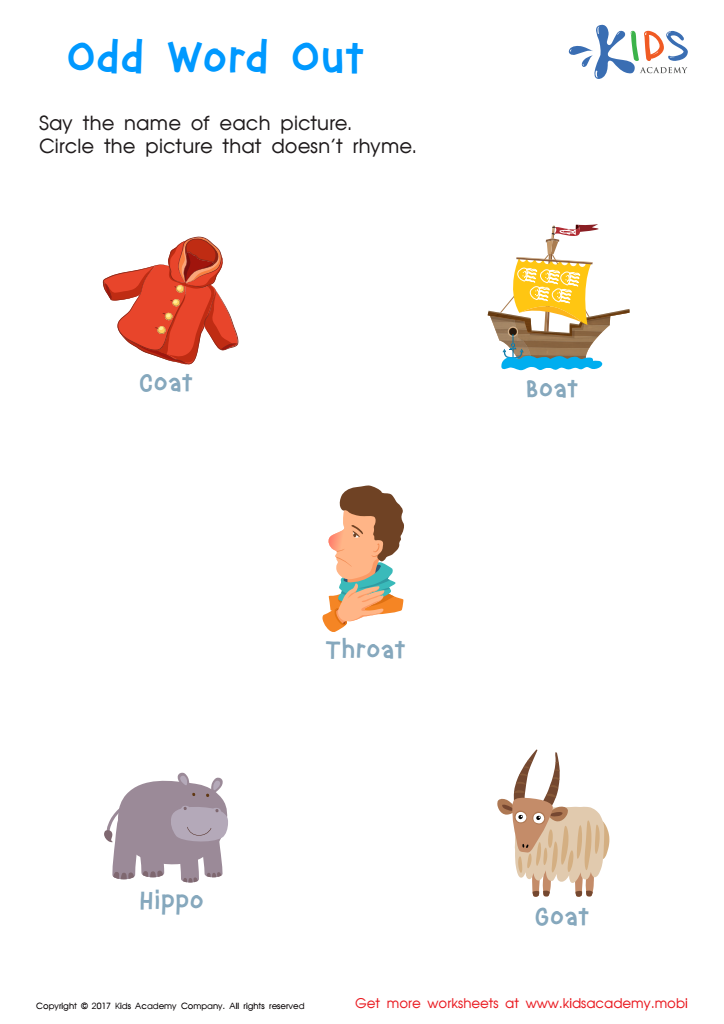
Odd Word Out Rhyming Worksheet
 Assign to My Students
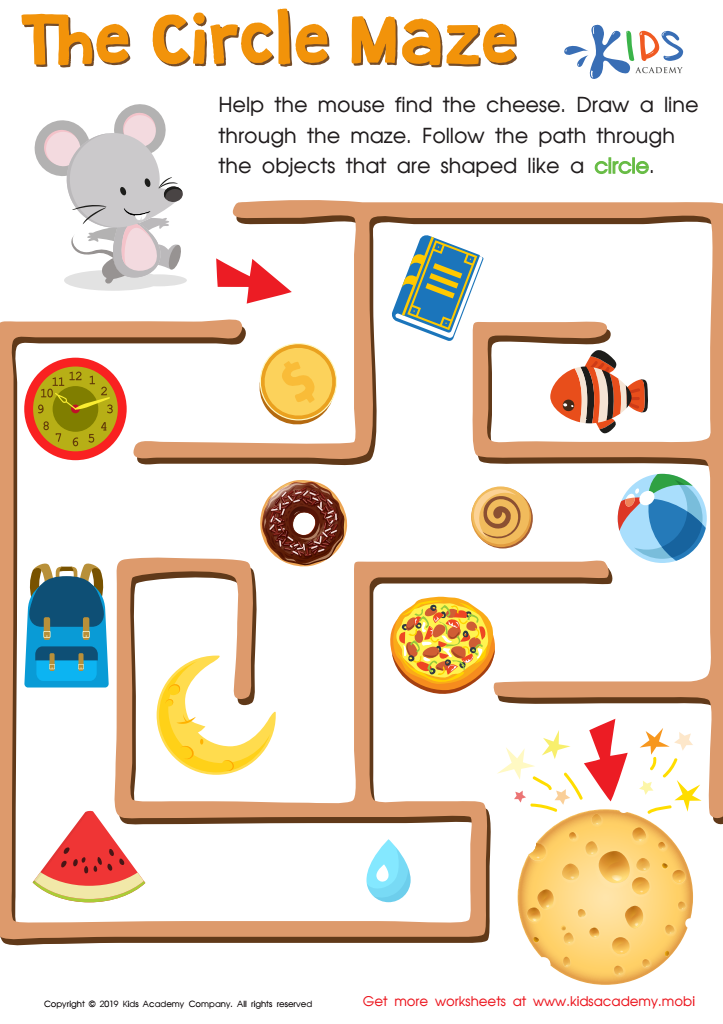
The Circle Maze Worksheet
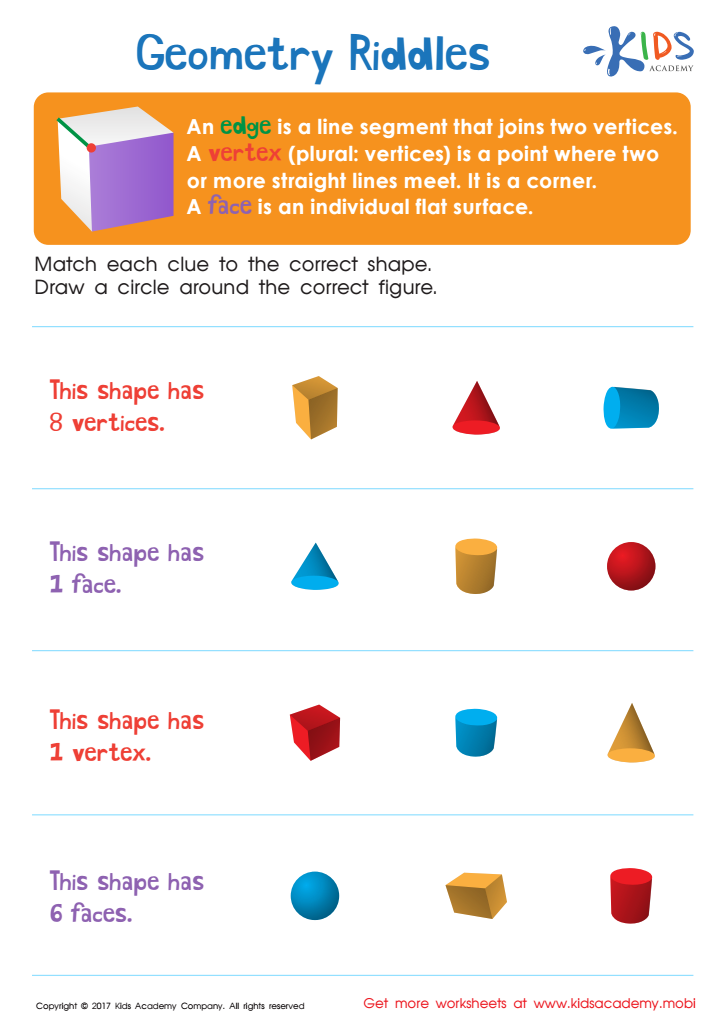
Geometry Riddles Printable
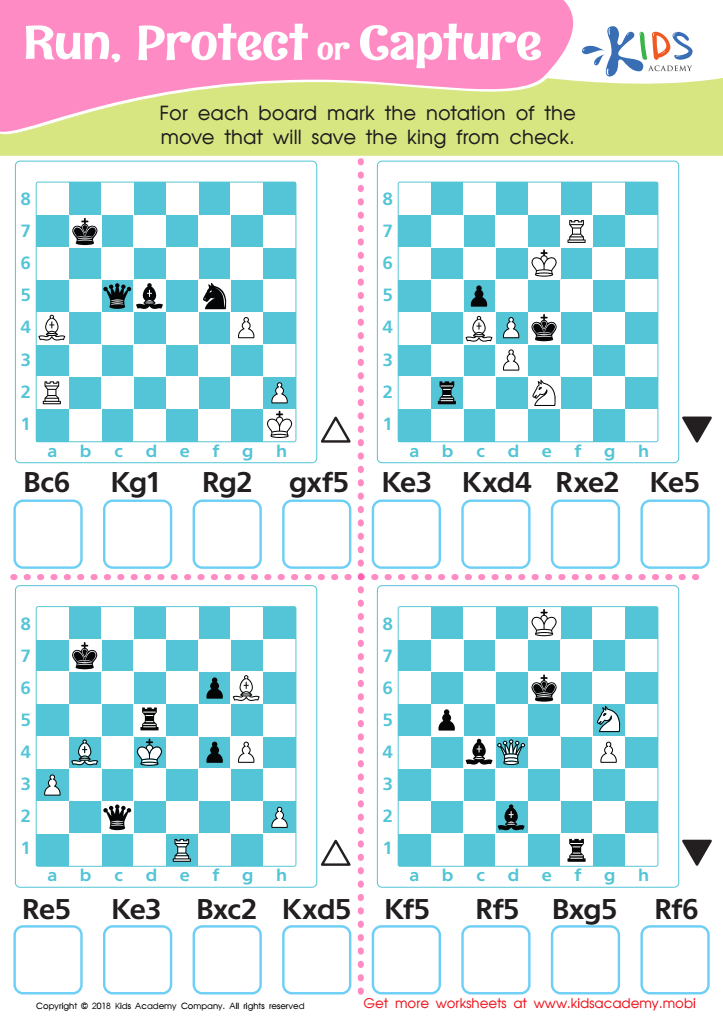
Run, Protect or Capture Worksheet






Parents and teachers should prioritize logical reasoning extra challenges for children aged 8-9 as they are crucial for cognitive development and academic success. At this developmental stage, children are starting to think more abstractly and solve problems systematically. Introducing logical reasoning challenges nurtures critical thinking and enhances problem-solving skills—assets vital for subjects across the curriculum, from math and science to reading comprehension.
Engaging in logical reasoning exercises improves children’s ability to understand relationships and patterns, fostering analytical thinking. These skills contribute to better decision-making and the ability to approach complex problems with confidence. Moreover, consistent practice aids in the development of perseverance, as children learn to tackle difficult tasks step-by-step rather than giving up.
In addition to cognitive benefits, logical reasoning challenges can be fun and engaging, capturing children's natural curiosity and love for learning. They support social-emotional growth by teaching kids how to cope with failure and success, boosting their confidence as they experience breakthroughs in reasoning.
In a rapidly evolving world, the ability to think logically and critically is indispensable. Early exposure to these challenges prepares children to navigate an information-rich environment, making them more adaptable and prepared for future educational endeavors and real-life situations.








