Alphabet Recognition Extra Challenge Worksheets for 8-Year-Olds
3 filtered results
-
From - To
Introducing our Alphabet Recognition Extra Challenge Worksheets specifically designed for 8-year-olds! These engaging and educational worksheets enhance letter recognition with fun and stimulating activities. Tailored to challenge young learners, they foster critical thinking and improve literacy skills. Each worksheet combines enjoyable exercises with advanced tasks that promote alphabet mastery and boost classroom confidence. Perfect for parents and educators seeking supplementary materials, these worksheets ensure an enriching learning experience with a balance of fun and education. Equip your child with the skills they need for academic success with our expert-designed alphabet recognition challenges. Start exploring now and watch them thrive!

Letter A Tracing Page
 Assign to My Students
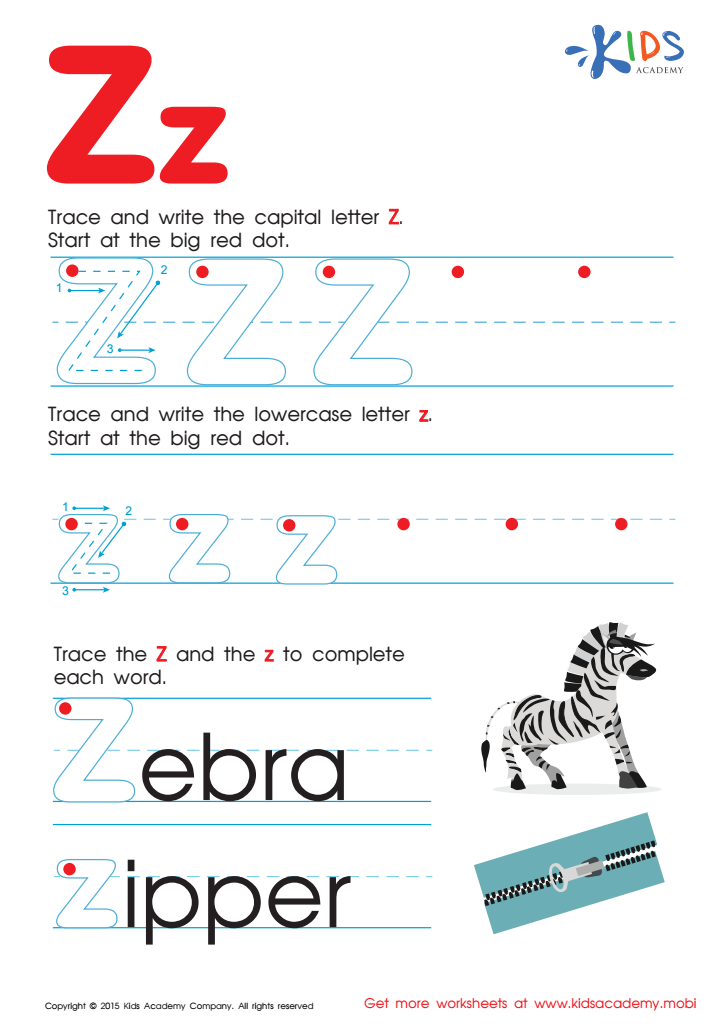
Letter Z Tracing Page
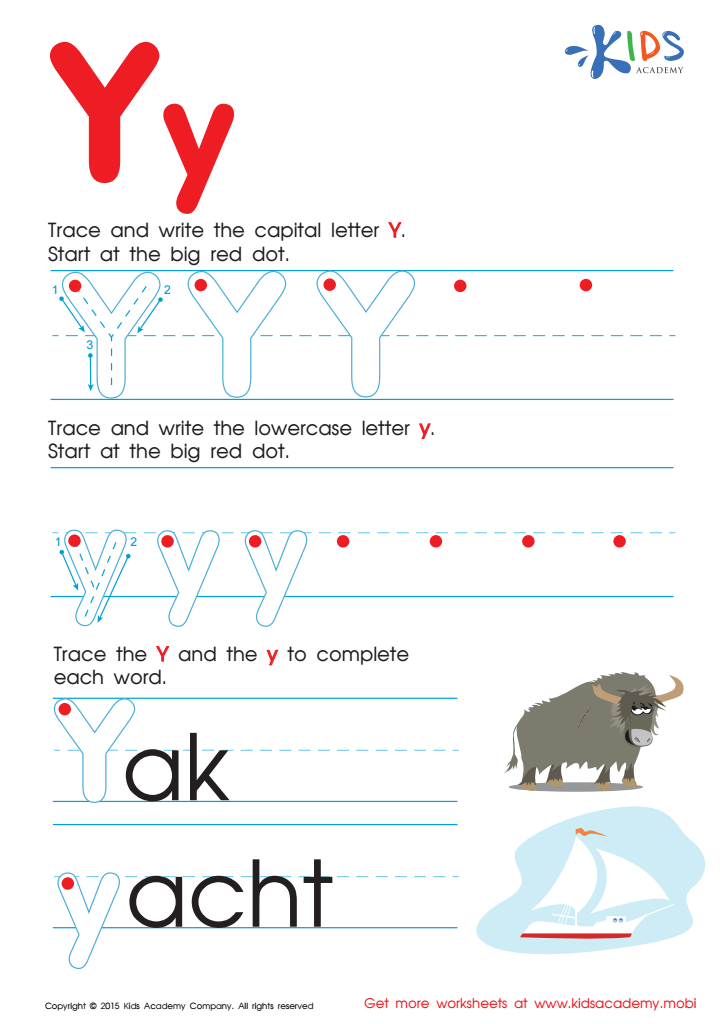
Letter Y Tracing Page







Alphabet recognition is a foundational skill for literacy, so understanding its importance, even for children around 8 years old who can already identify letters, is crucial for parents and teachers. By this age, kids might be proficient in basic alphabet recognition, but integrating extra challenges can significantly impact their cognitive and academic development.
Firstly, more advanced alphabet recognition activities support vocabulary growth and comprehension skills. When children engage in nuanced tasks, such as identifying letters within words, distinguishing similar-looking letters, or categorizing letters by sound, they deepen their understanding of letter-sound relationships. This helps them decode new words more efficiently and accurately, enhancing reading fluency.
Secondly, extra alphabetic challenges can bolster other critical skills like attention to detail, problem-solving, and memory. For example, solving word puzzles or participating in alphabet-based games requires kids to process information critically and remember letter patterns, which trains the brain's executive functioning.
Lastly, fostering a fun and enriched environment through such challenges keeps learning enjoyable and stimulating. Activities like scavenger hunts for things that start with a particular letter or crafting letters from different materials can ease anxiety associated with learning difficulties and promote a positive attitude towards education.
In sum, caring about advanced alphabet challenges for 8-year-olds aids in multifaceted academic and cognitive refinement, laying a robust groundwork for continued educational success.








