Hand-eye Coordination Extra Challenge Worksheets for 8-Year-Olds
3 filtered results
-
From - To
Our "Hand-eye Coordination Extra Challenge Worksheets for 8-Year-Olds" provide an engaging way to boost your child's development. Designed to strengthen the important connection between what they see and their physical actions, these worksheets offer fun and educational tasks. From intricate puzzles to creative drawing activities, kids enhance their visual-motor skills, essential for writing, sports, and daily tasks. Perfect for young learners seeking an extra challenge, each worksheet is crafted to keep kids entertained while promoting precision and control. Join Kids Academy today and watch your child's skills bloom with these expertly designed hand-eye coordination exercises.

Letter A Tracing Page
 Assign to My Students
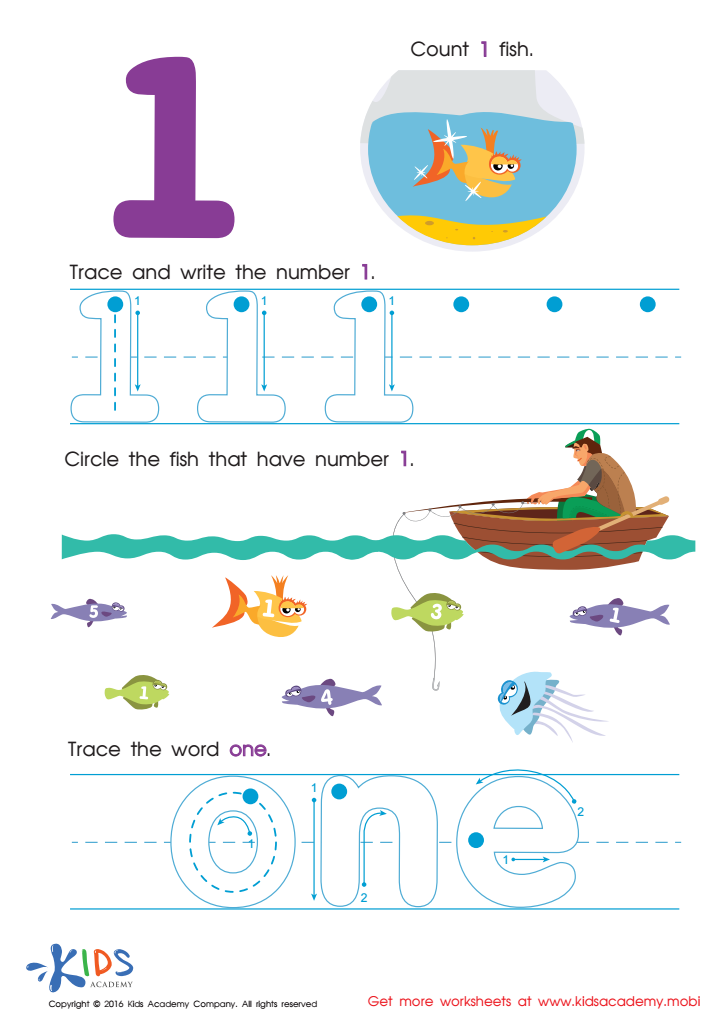
Learning to Write 1 Worksheet
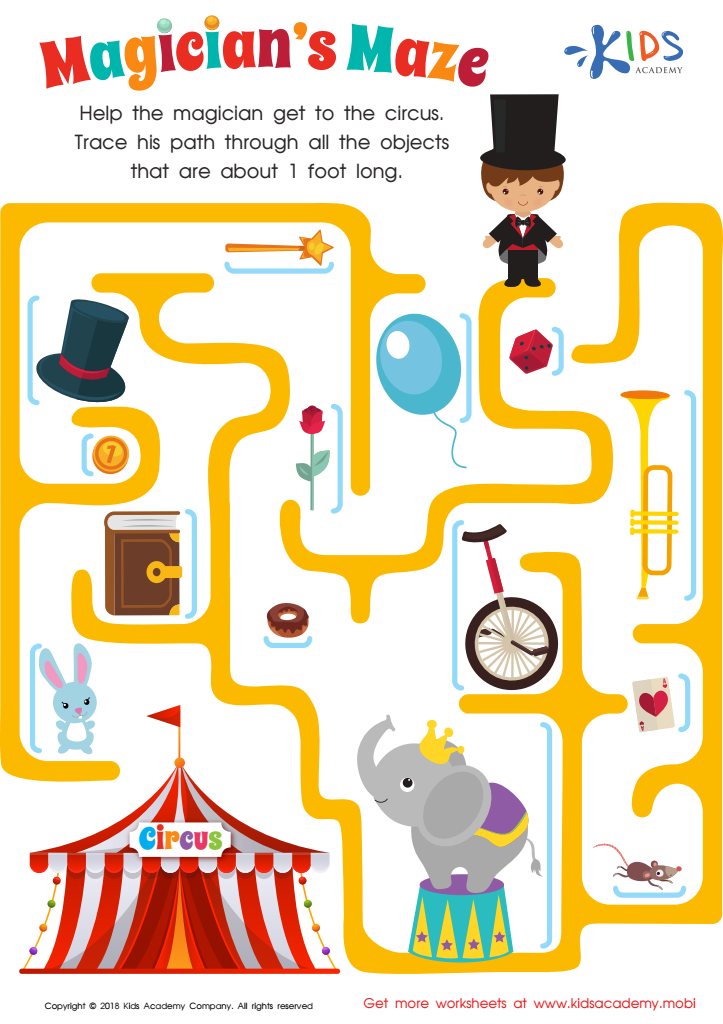
Estimating Length: Magician's Maze Worksheet








Hand-eye coordination is a critical skill for 8-year-olds, impacting their physical, cognitive, and social development. Parents and teachers should prioritize hand-eye coordination challenges to enhance this vital ability.
Firstly, for physical development, robust hand-eye coordination helps children excel in fine and gross motor skills, essential for everyday tasks such as writing, tying shoelaces, and participating in sports. Improved coordination can foster a child's precision and timing, making physical activities more enjoyable and reducing the risk of injury.
Cognitively, challenges that enhance hand-eye coordination can stimulate brain development. Engaging in activities that require synchronization of visual input with motor output, like puzzles or video games, enhances problem-solving skills, attention, and spatial awareness, which are crucial components of academic success.
Socially, possessing good hand-eye coordination can increase a child's confidence and peer interactions. Being adept in physical activities, art, or craftwork can help children enjoy group activities, making them more likely to form friendships and cooperatively work in teams.
By incorporating extra hand-eye coordination activities, parents and teachers don't just help children develop a specific skill but also lay the groundwork for their overall well-being and success in multiple life areas. Prioritizing these challenges equips children with the tools they need to thrive both in and out of the classroom.








