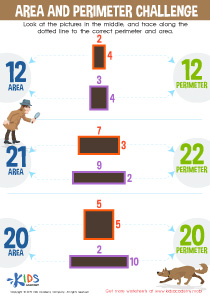
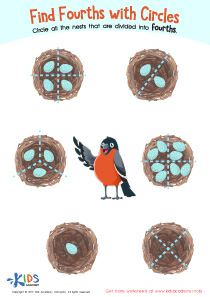
Shape Recognition Extra Challenge 2D Shapes Worksheets for 8-Year-Olds
3 filtered results
-
From - To
Elevate your 8-year-olds' understanding of 2D shapes with our Shape Recognition Extra Challenge worksheets! Designed to make learning fun, these engaging activities focus on identifying and classifying various two-dimensional shapes, promoting critical thinking and fine motor skills. Each worksheet features vibrant illustrations and interactive questions to ignite your child's interest in geometry. With an emphasis on both creativity and comprehension, children will enjoy hands-on practice while building a solid foundation in shape recognition. Ideal for teachers and parents seeking to enrich their math curriculum, this resource is perfect for classroom settings or home study. Start the adventure in learning shapes today!
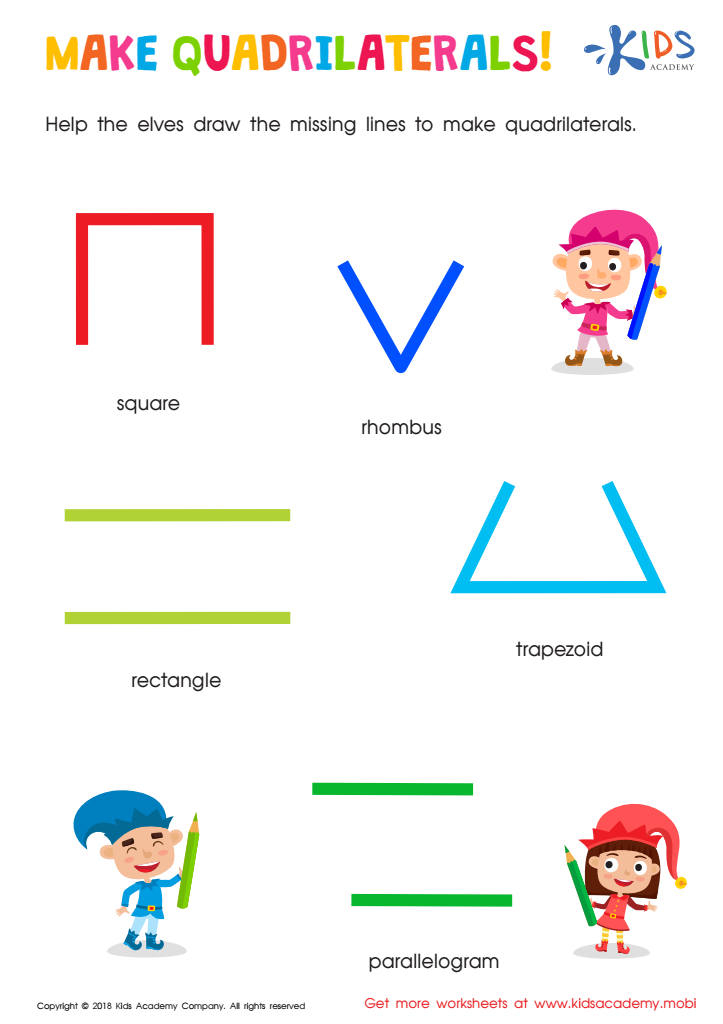
Make Quadrilaterals Worksheet
 Assign to My Students











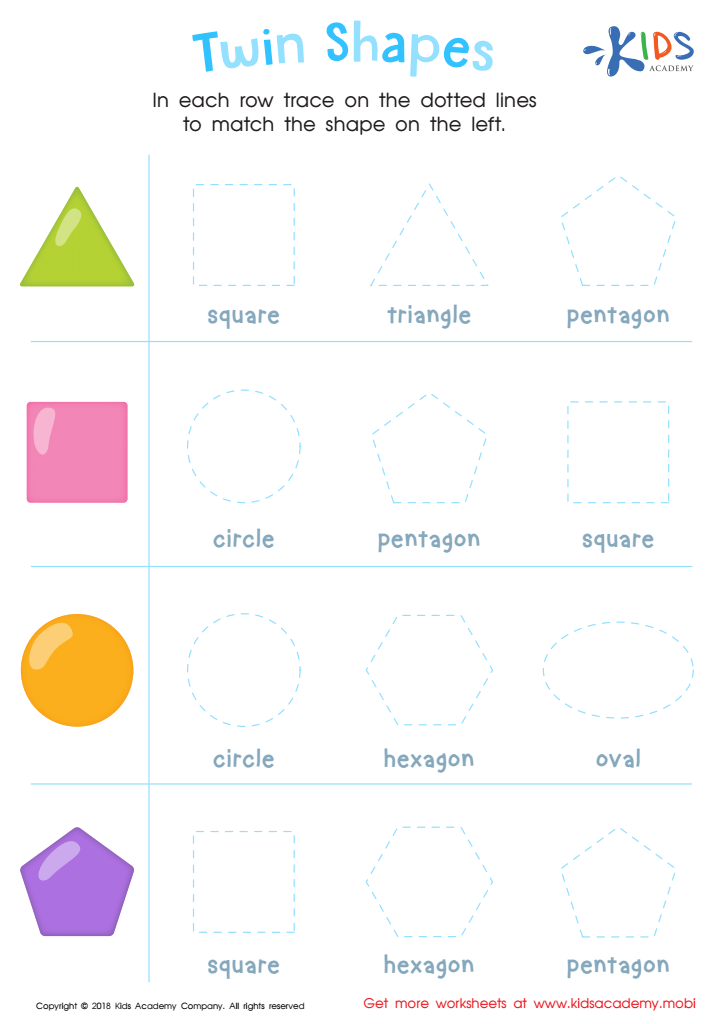
Twin Shapes Dot-to-Dot Worksheet
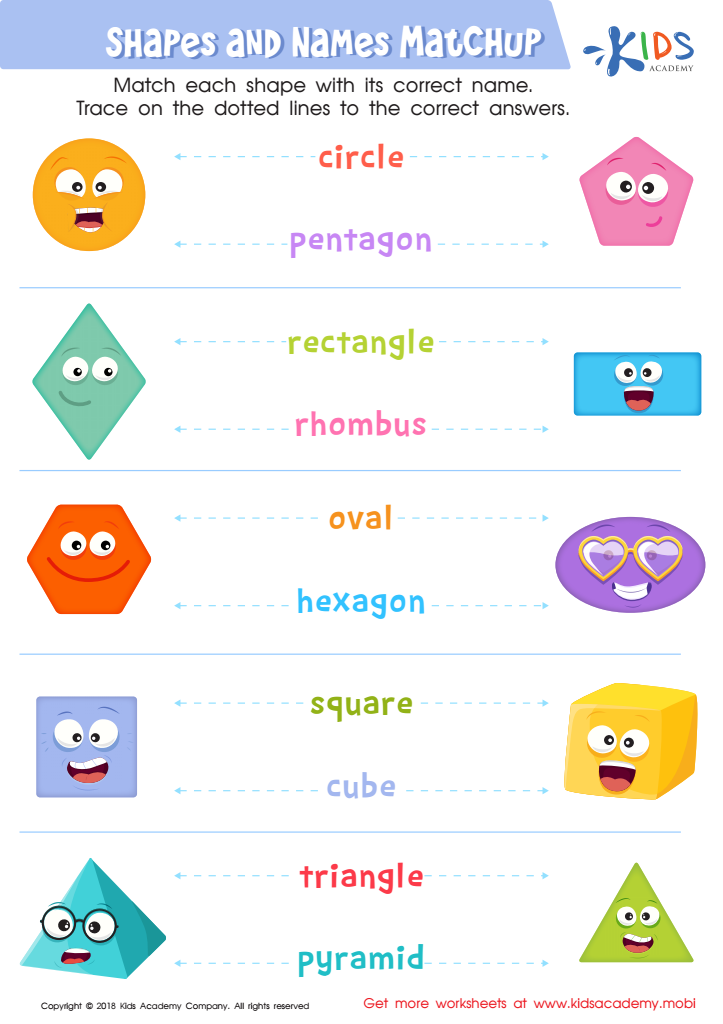
Shapes and Names Matchup Worksheet








Shape recognition is a fundamental skill that lays the groundwork for various aspects of learning, particularly in mathematics and spatial awareness. By engaging 8-year-olds in the Shape Recognition Extra Challenge for 2D shapes, parents and teachers can foster critical cognitive development. This age group is typically transitioning from basic shape identification to understanding properties and relationships between shapes, which enhances problem-solving skills.
Incorporating_shape recognition activities supports children in recognizing shapes in their environment, improving their observational skills. This heightened awareness assists in developing geometry concepts in later years, which are essential for their academic progression. Furthermore, shape recognition challenges encourage logical thinking and can boost confidence as children navigate tasks that require categorization and classification.
Additionally, learning through challenges often involves collaboration and communication with peers, promoting social skills. Engaging activities stimulate interest and make learning enjoyable, as children often find playful challenges more engaging than traditional instruction.
In summary, Shape Recognition Extra Challenge can significantly affect an 8-year-old's intellectual growth, and it's essential for parents and teachers to prioritize these activities as they contribute valuable skills that enhance overall educational development.