Basic Math Skills Extra Challenge Math Worksheets for 9-Year-Olds
7 filtered results
-
From - To
Boost your 9-year-old's math skills with our Basic Math Skills Extra Challenge Worksheets! Designed to provide an engaging way to enhance foundational math competencies, these worksheets tackle essential concepts such as addition, subtraction, multiplication, and division through stimulating exercises. Perfect for those who crave a bit more challenge, our resources encourage critical thinking and problem-solving. Each worksheet is visually appealing and crafted to sustain interest while fostering mathematical understanding. Strengthen your child’s confidence and proficiency in math, making learning enjoyable and effective. Explore our collection today and watch your young learner excel in their mathematical journey!
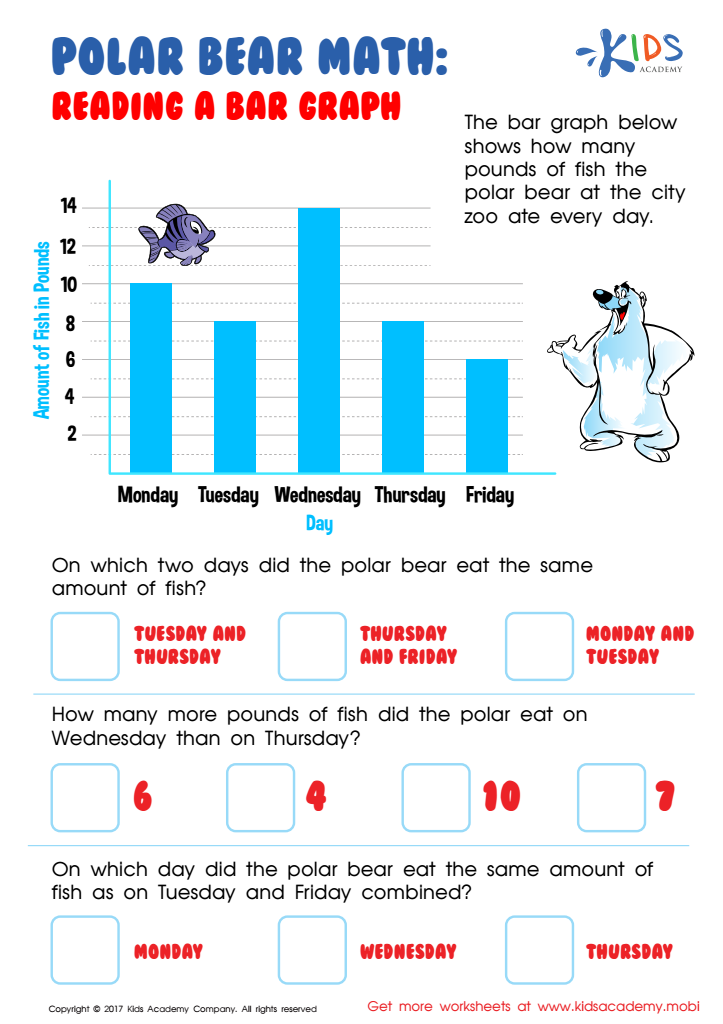
Reading Bar Graph Worksheet
 Assign to My Students
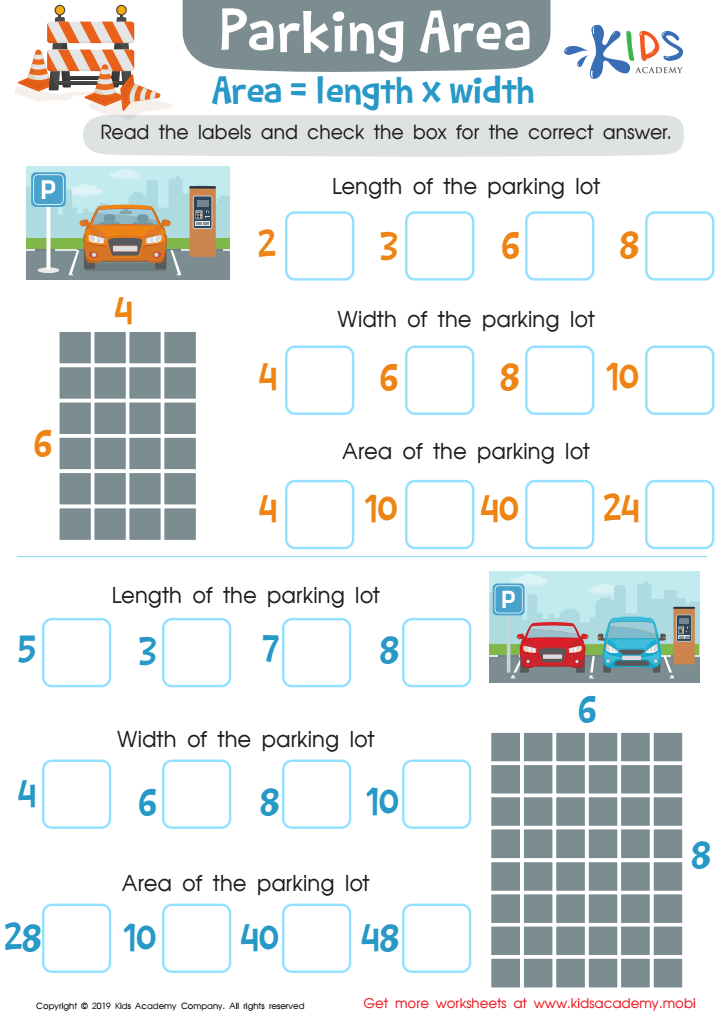
Parking Area Worksheet
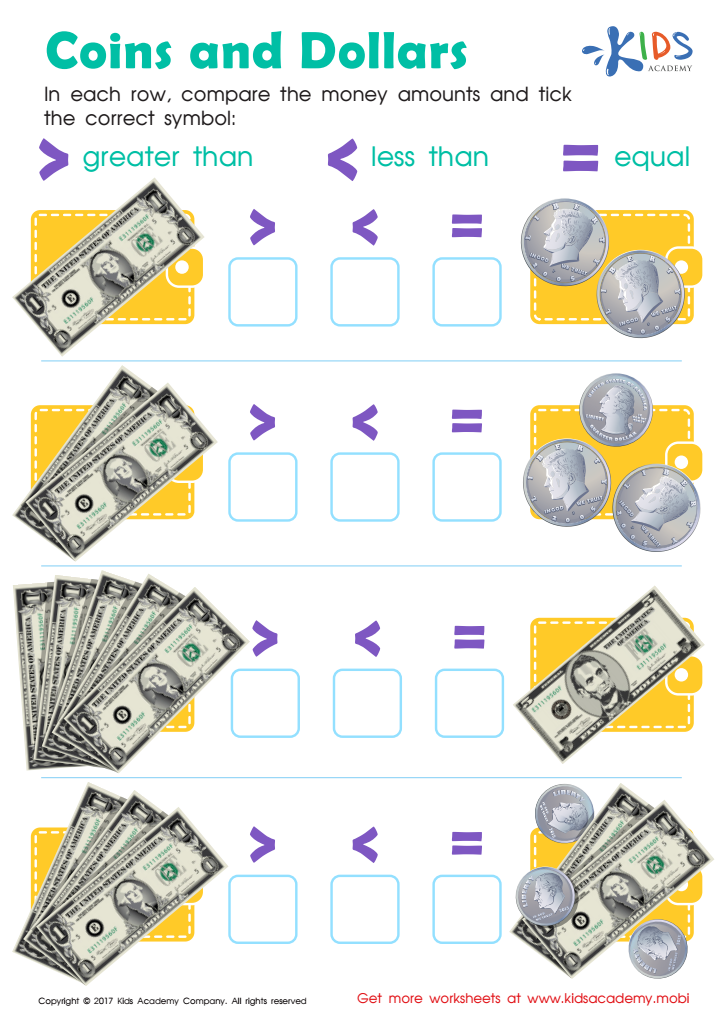
Money: Coins Dollars Printable
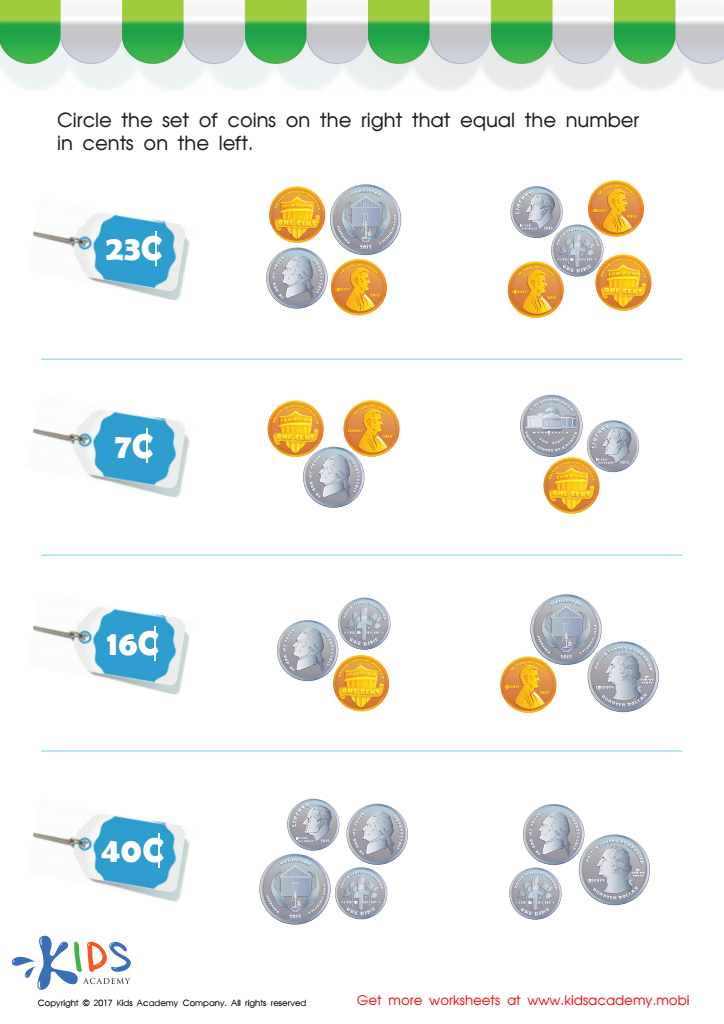
Picking the Coins You Need Money Worksheet

Sweet Shop – Counting Coins Worksheet
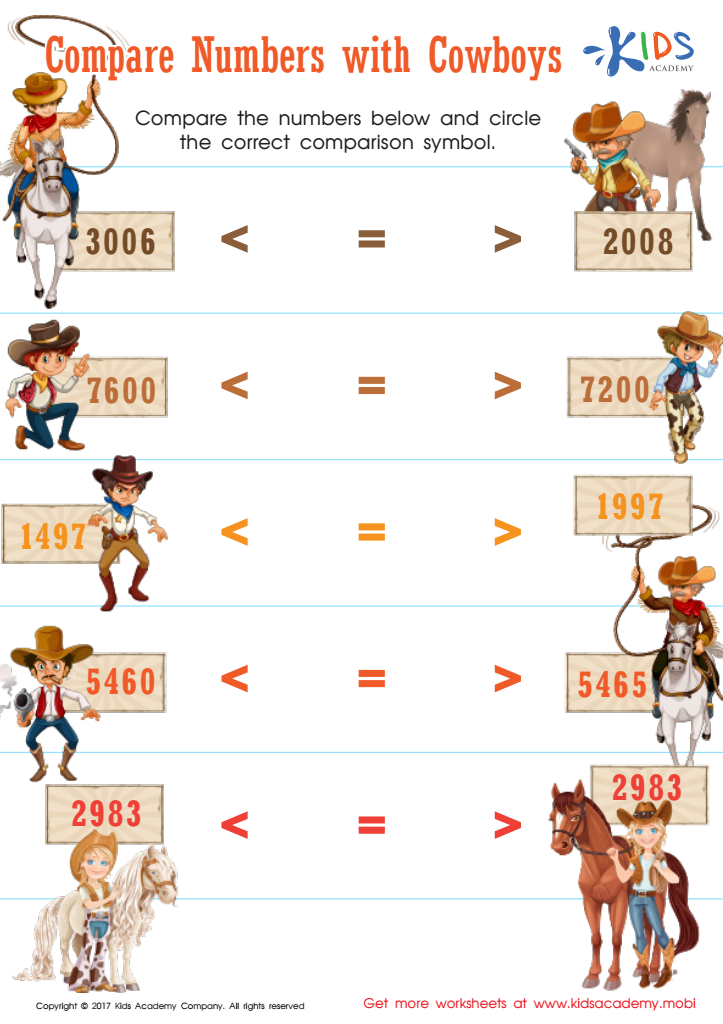
Compare Numbers Worksheet for 3rd Grade
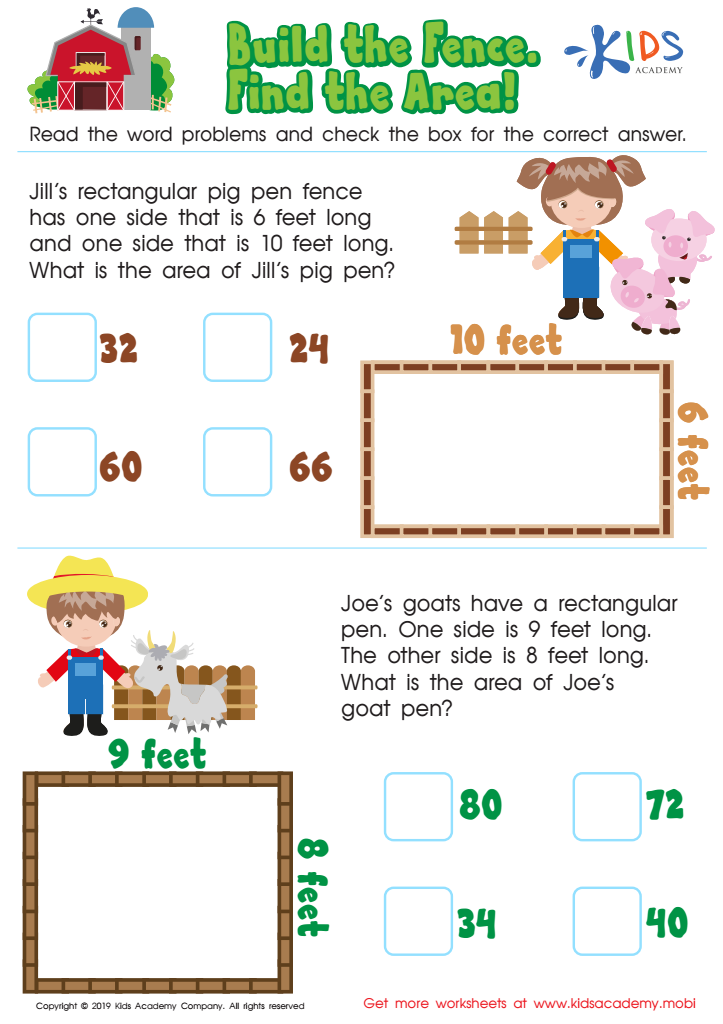
Build the Fence, Find the Area Worksheet





.jpg)

Basic Math Skills Extra Challenge Math for 9-year-olds provides an essential opportunity for children to build a strong mathematical foundation. At this age, children are increasingly developing their analytical skills, and engaging them with these challenges promotes critical thinking and problem-solving abilities. By emphasizing deeper understanding rather than rote memorization, this program nurtures a love for math and encourages intellectual curiosity.
Parents and teachers should care about fostering these skills because they impact a child’s future academic success across various subjects, not just math. Mastery of basic math concepts is crucial for advancing in higher-level mathematics and related fields such as science and technology. Moreover, these challenges can help identify students who may need additional support while allowing those who excel to explore more complex concepts.
Additionally, strengthened math skills contribute to a child's confidence and self-esteem. As they tackle and overcome challenges, children develop resilience and a growth mindset, essential traits for lifelong learning. By investing in Extra Challenge Math, parents and teachers equip children with tools that facilitate success in school and everyday life skills, such as budgeting and problem-solving in real-world scenarios. Ultimately, such engagement benefits both individual students and the broader classroom dynamic.