Handwriting practice Extra Challenge ABC Order Worksheets
5 filtered results
-
From - To
Looking to boost your child's handwriting skills while making learning fun? Discover our Handwriting Practice Extra Challenge ABC Order Worksheets! These engaging worksheets are designed to help early learners practice their penmanship while mastering the concept of alphabetical order. Each worksheet offers a challenging yet enjoyable activity that encourages students to carefully write letters and words in the correct ABC order. Perfect for reinforcing both handwriting and literacy skills, our selection is ideal for home or classroom usage. Enhance your child’s education journey with these creative and comprehensive practice sheets, ensuring a strong foundation in both writing and alphabet knowledge!
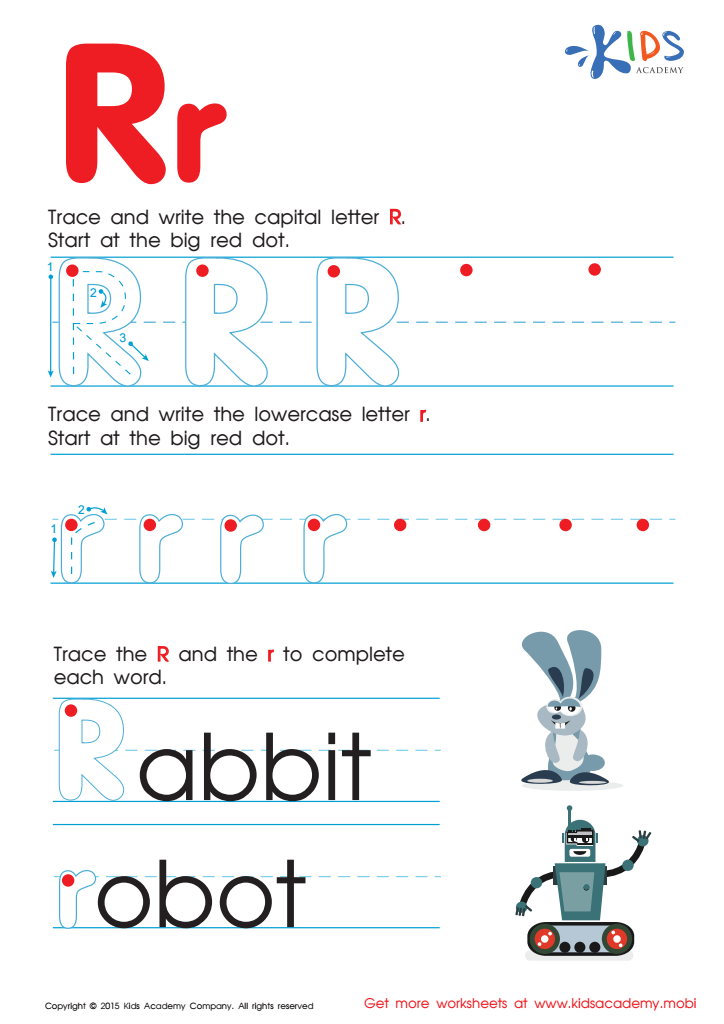
Letter R Tracing Page
 Assign to My Students



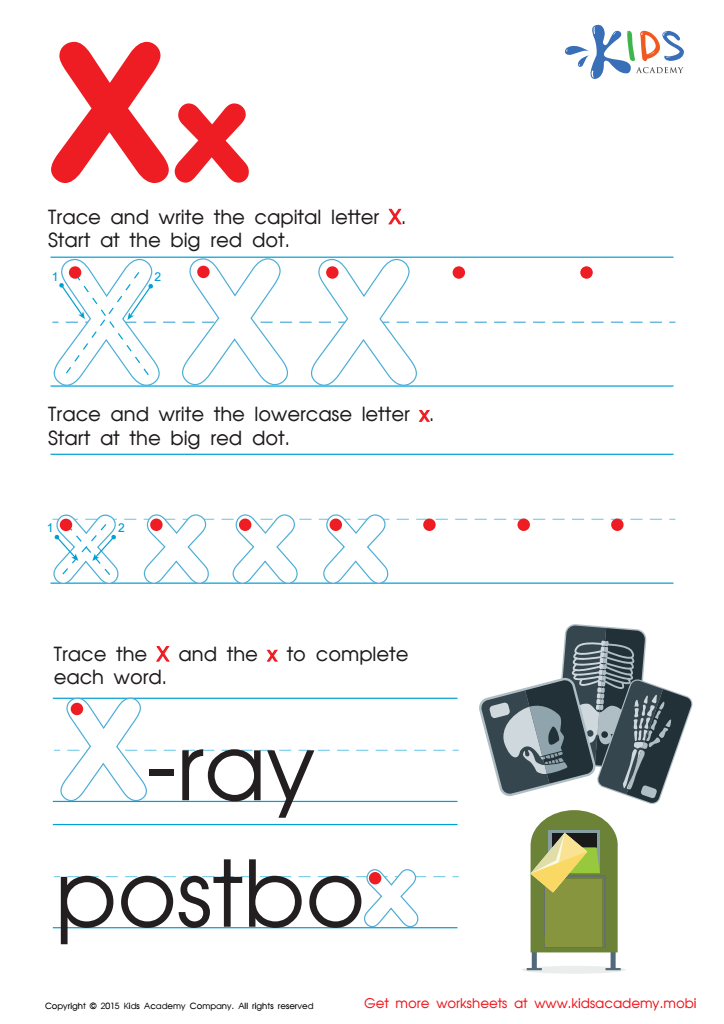
Letter X Tracing Page
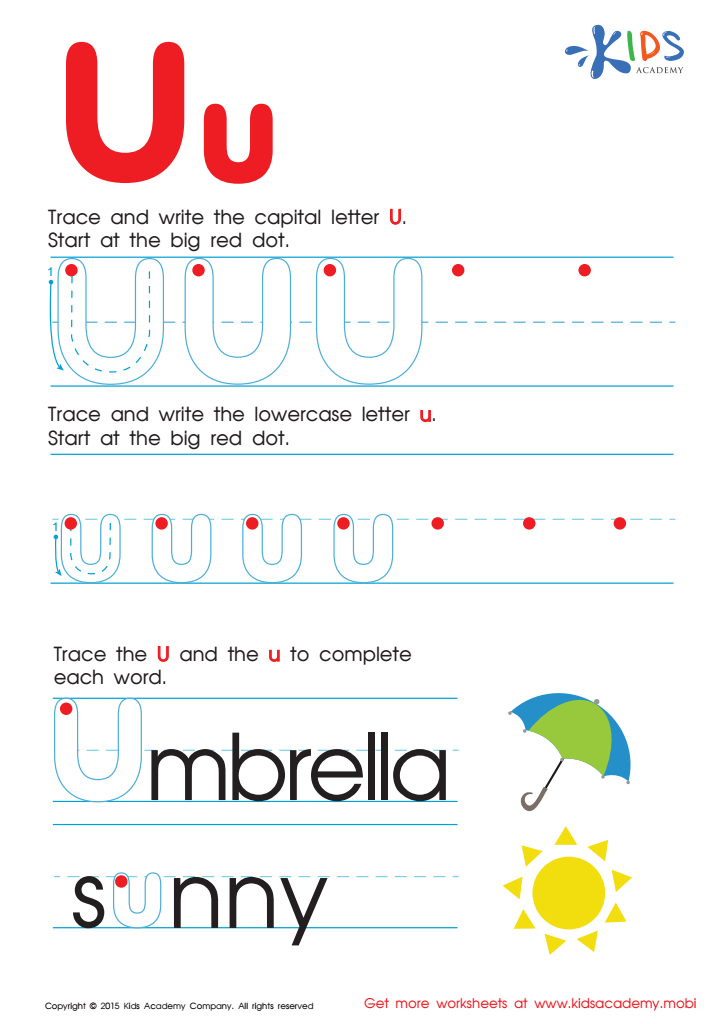
Letter U Tracing Page
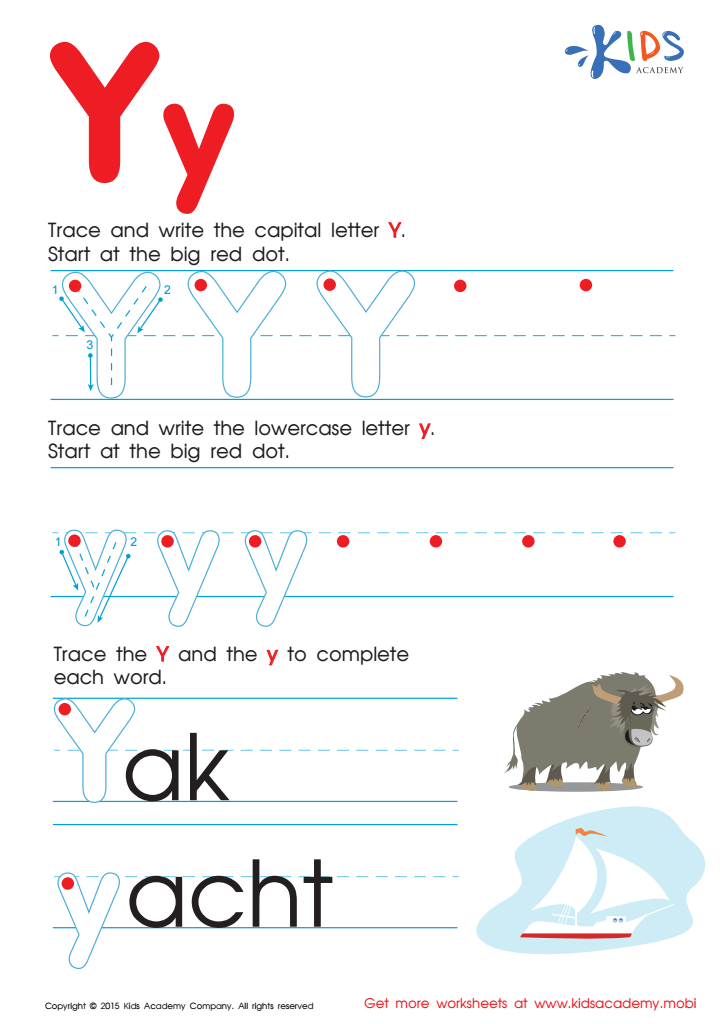
Letter Y Tracing Page

Letter V Tracing Page








Handwriting practice and understanding ABC order are fundamental aspects of early education that benefit young learners significantly. Encouraging consistent handwriting practice helps children develop fine motor skills, which are crucial for tasks that require precision like writing, tying shoes, and using tools. Good handwriting can also positively affect a child’s ability to focus and process information, improving their overall academic performance.
Furthermore, mastering ABC order plays a crucial role in enhancing a child's organizational and cognitive skills. It aids in the development of a systematic approach to thinking, making tasks like alphabetical filing, searching for books in a library, or using a dictionary far more manageable. Knowing the order of the alphabet by heart lays a foundation for literacy skills, and is essential for reading and writing effectively.
Taking the extra challenge of combining handwriting practice with ABC order tasks can enhance both skills simultaneously. For instance, if children write words in alphabetical order as part of their practice, it reinforces the sequence of letters and further ingrains the proper formation of each letter. Seeing the immediate results of their practice can boost their confidence, encourage perseverance, and foster a love for learning from a young age. Thus, incorporating these exercises provides a double-layered educational benefit, supporting comprehensive early childhood development.








