Handwriting practice Extra Challenge Kindergarten ABC Order Worksheets
5 filtered results
-
From - To
Introduce an exciting twist to handwriting practice with our Extra Challenge Kindergarten ABC Order Worksheets! These engaging activities help young learners improve their alphabetical order skills while enhancing handwriting proficiency. Designed specifically for kindergarten students, our worksheets make mastering ABC order fun and interactive. Perfect for classroom use or at-home practice, these printables support the development of essential literacy skills. With charming visuals and diverse exercises, children will delight in completing each challenge. Download today to boost your child's alphabet knowledge and handwriting abilities, setting a strong foundation for future learning success! Explore the advantages of our expertly crafted worksheets now.
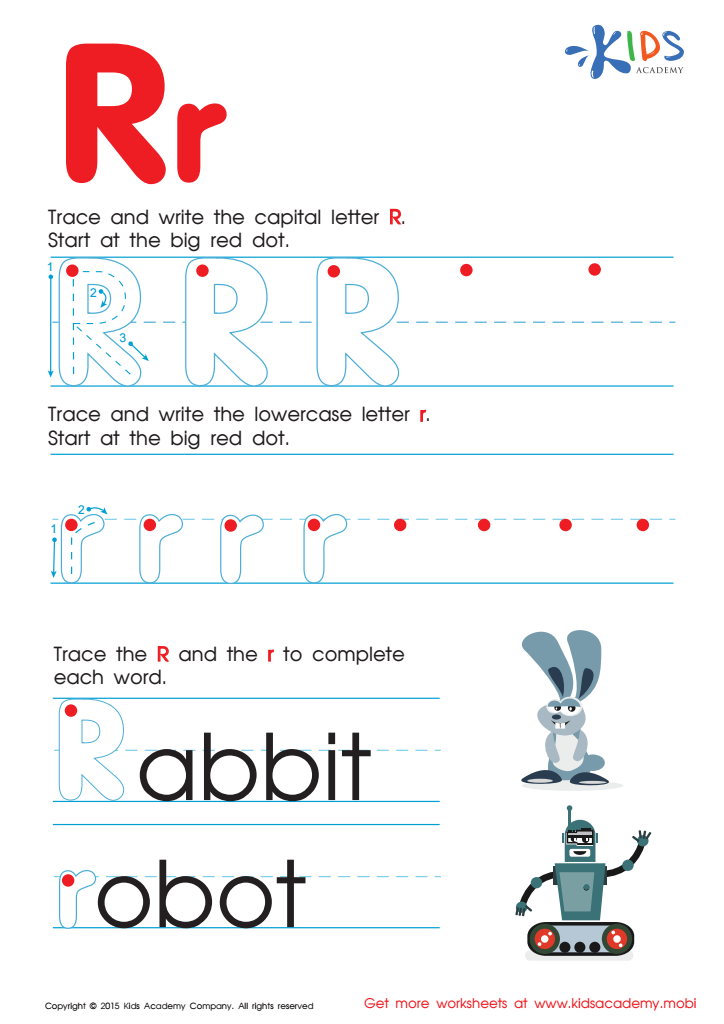
Letter R Tracing Page
 Assign to My Students



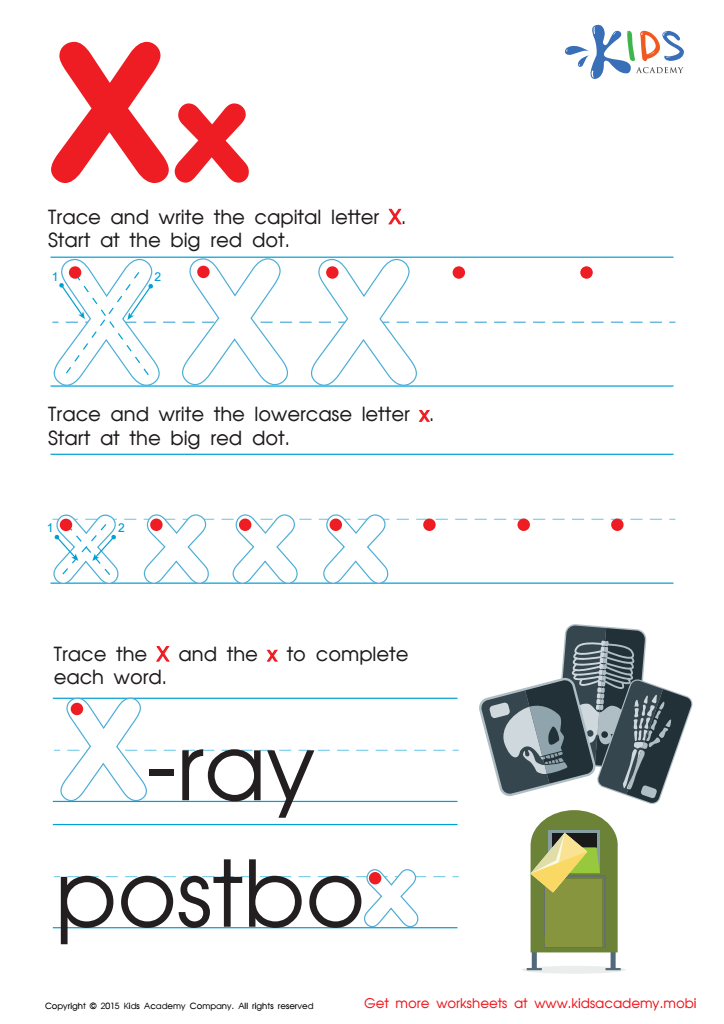
Letter X Tracing Page
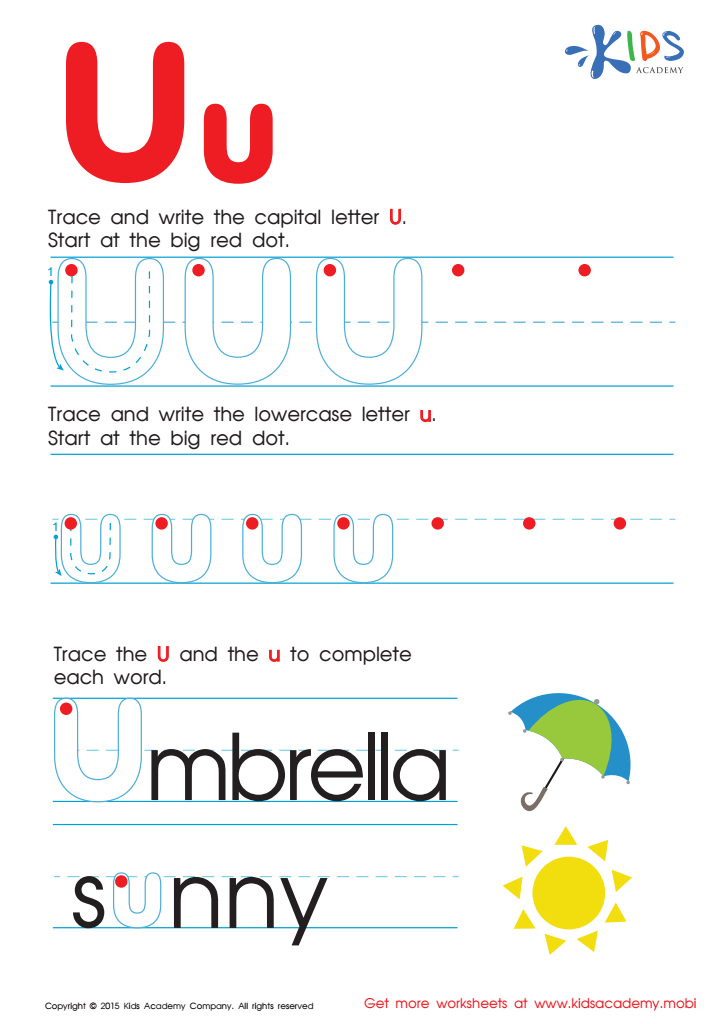
Letter U Tracing Page
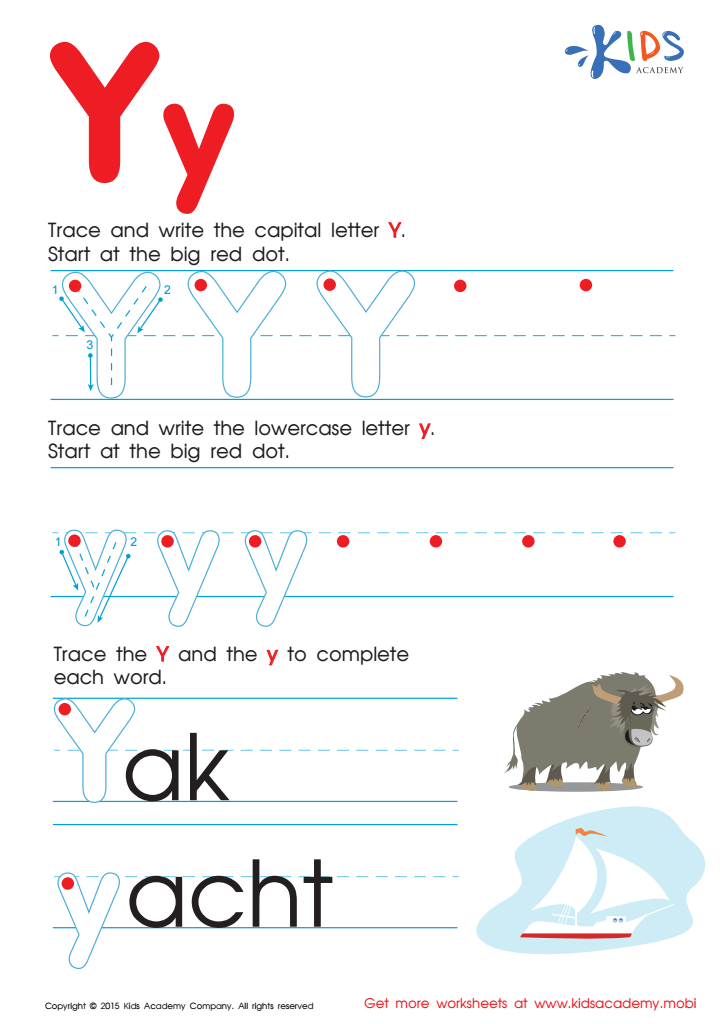
Letter Y Tracing Page
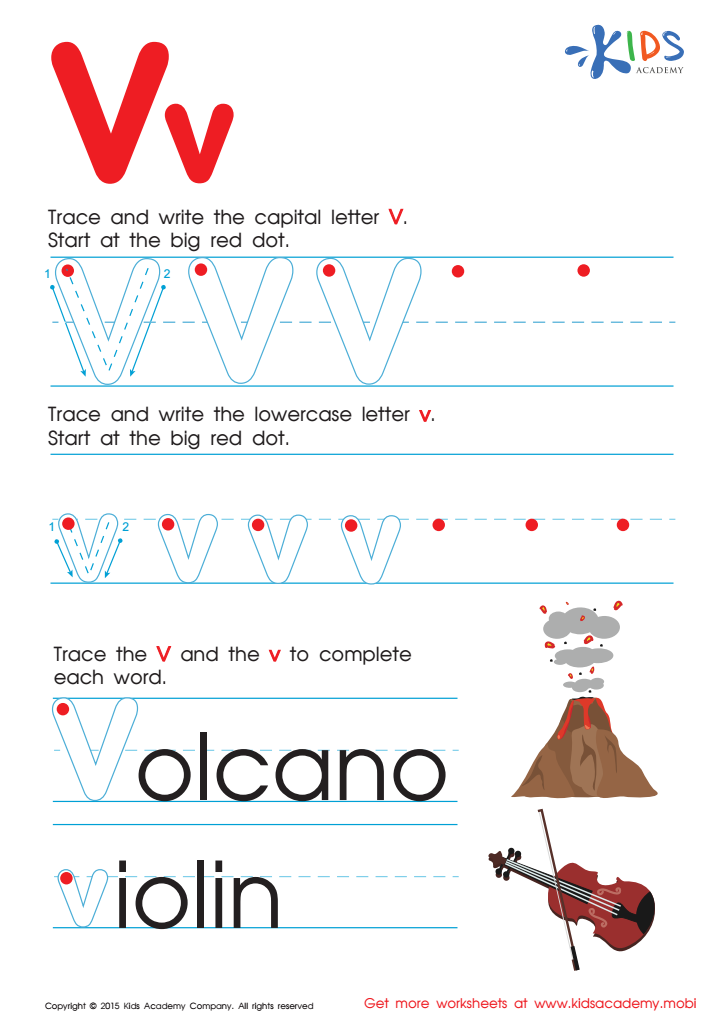
Letter V Tracing Page






Handwriting practice and learning the ABCs in the correct order are crucial elements in early childhood education for Kindergarten students. They lay the foundation for essential literacy skills and cognitive development. Handwriting practice is not merely about forming letters; it enhances fine motor skills, hand-eye coordination, and muscle memory, which are vital for overall writing proficiency. Easy access to writing instruments and letter-learning activities aids in building confidence and independence in young learners. Moreover, developing good handwriting at an early age can prevent future difficulties, making the progression to more advanced writing tasks smoother.
Learning the ABC order is equally important as it underpins later literacy skills such as alphabetic principle, word recognition, oral reading fluency, and spelling. It helps children understand that letters have specific sequences and sounds, a fundamental step in phonics learning. Activities that focus on ABC order strengthen memory and sequencing skills, reinforcing their ability to organize information and think logically.
Encouraging these practices through fun and engaging methods will help instill a love for learning in children. Parents and teachers play a crucial role in this developmental stage by providing consistent opportunities for practice and positive reinforcement. This ensures children are equipped with the skills needed for their future academic journey.