Letter recognition Extra Challenge Kindergarten ABC Letters Worksheets
7 filtered results
-
From - To
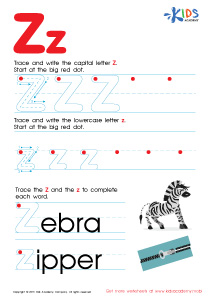
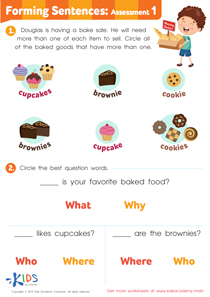
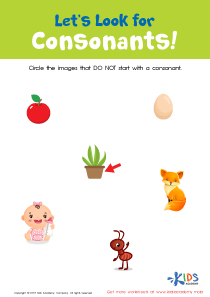
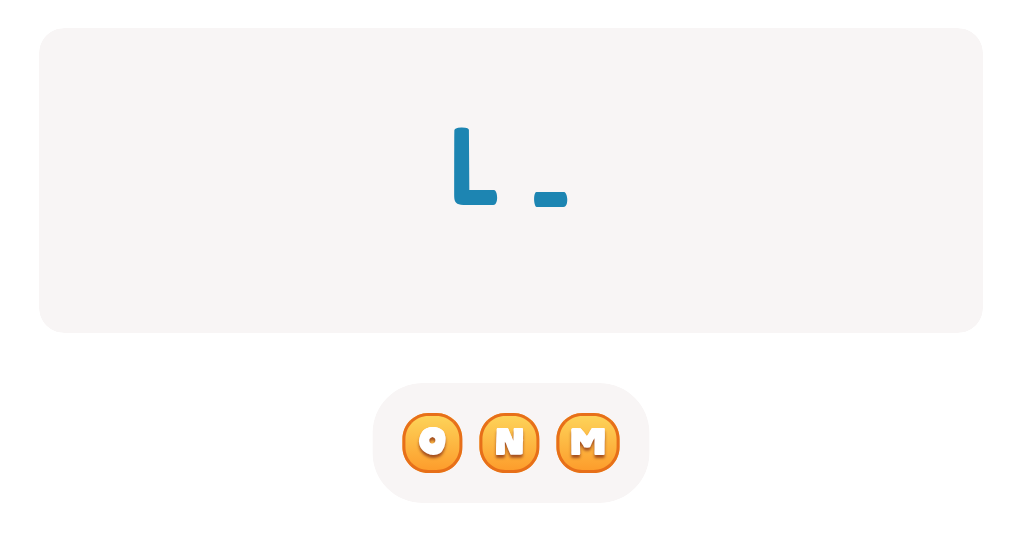
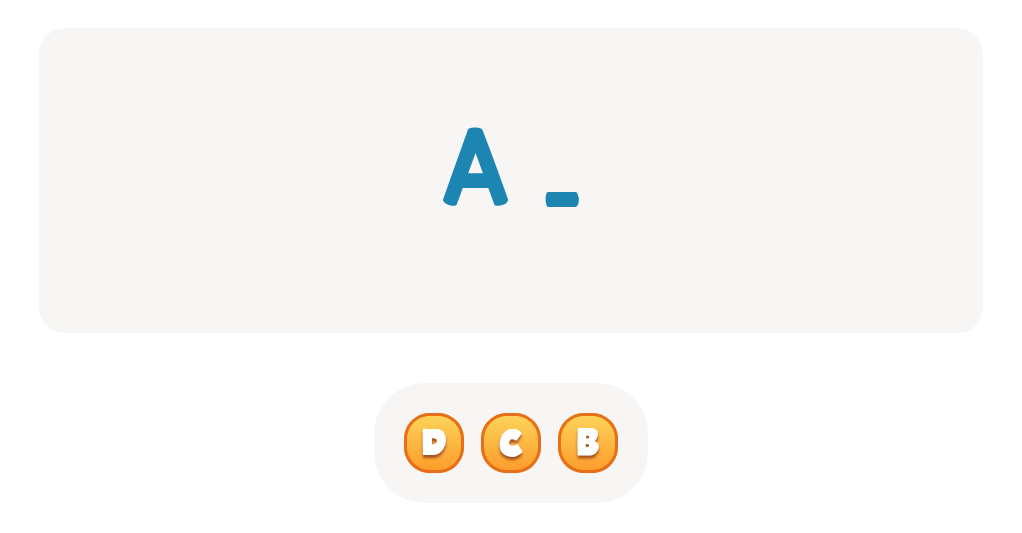
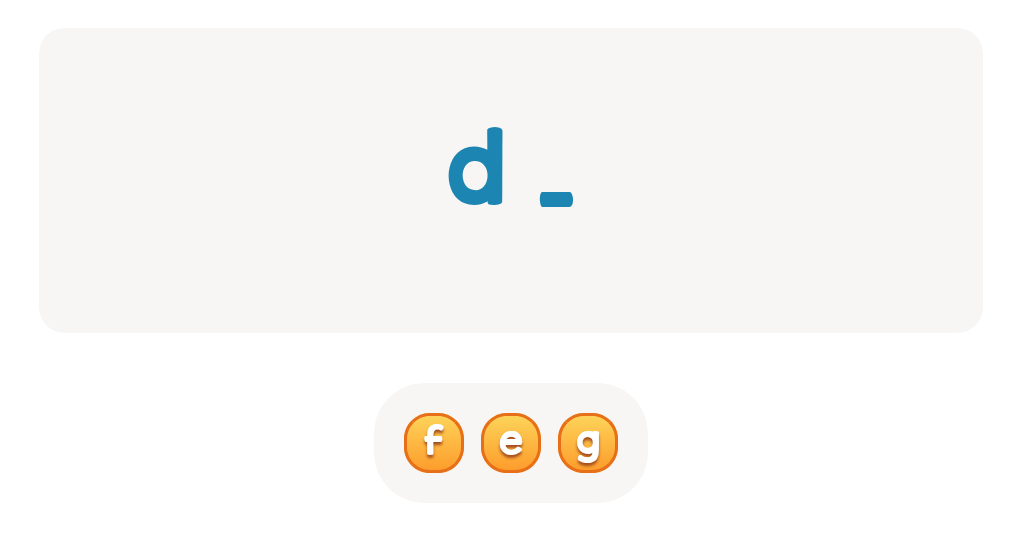
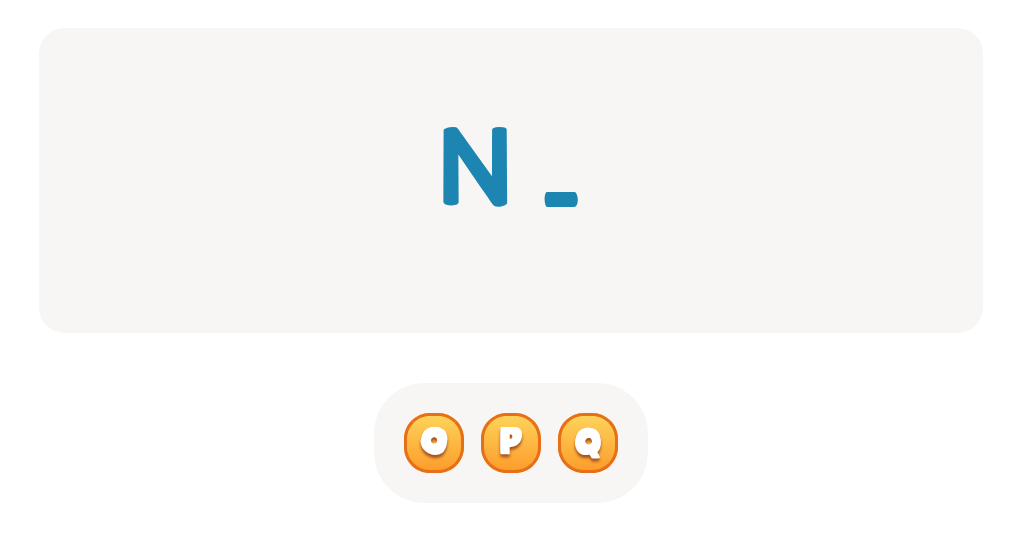
Boost your child's letter recognition skills with our engaging "Extra Challenge Kindergarten ABC Letters Worksheets"! Designed for young learners, these activities provide a fun and interactive way to explore the alphabet. Each worksheet features unique exercises that challenge children to identify, match, and differentiate letters, reinforcing their understanding of uppercase and lowercase forms. Perfect for diverse learning styles, our worksheets accommodate early readers eager to advance their literacy skills. Make learning letters exciting and rewarding with these thoughtfully crafted challenges that inspire confidence and mastery. Visit us for a comprehensive collection of resources to support your child's journey in mastering the ABCs!
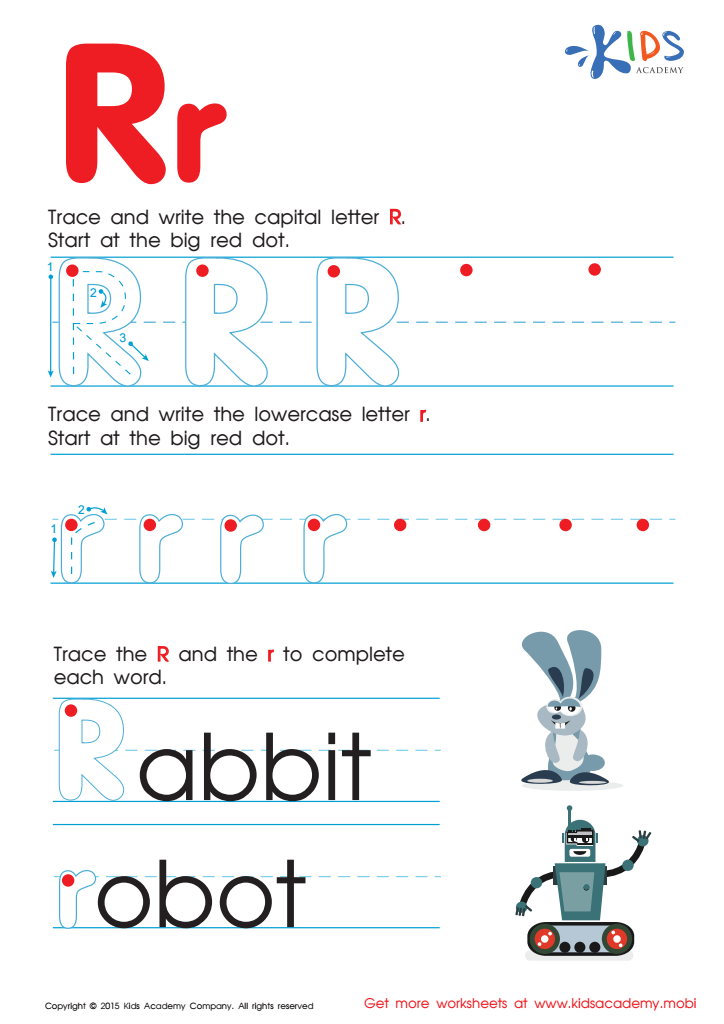
Letter R Tracing Page
 Assign to My Students

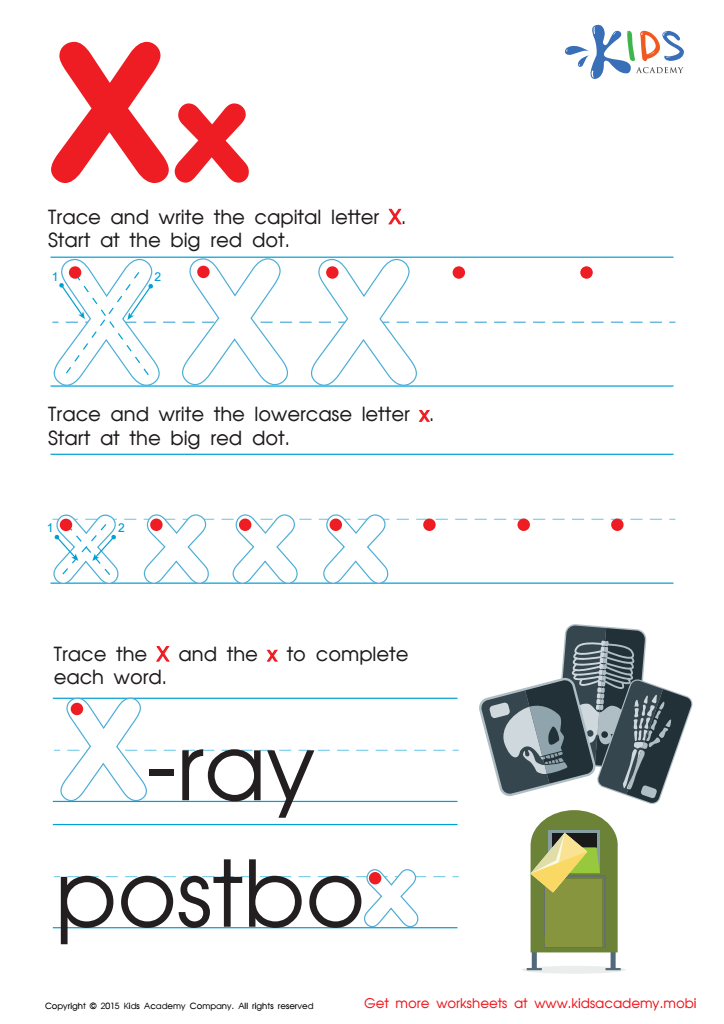
Letter X Tracing Page
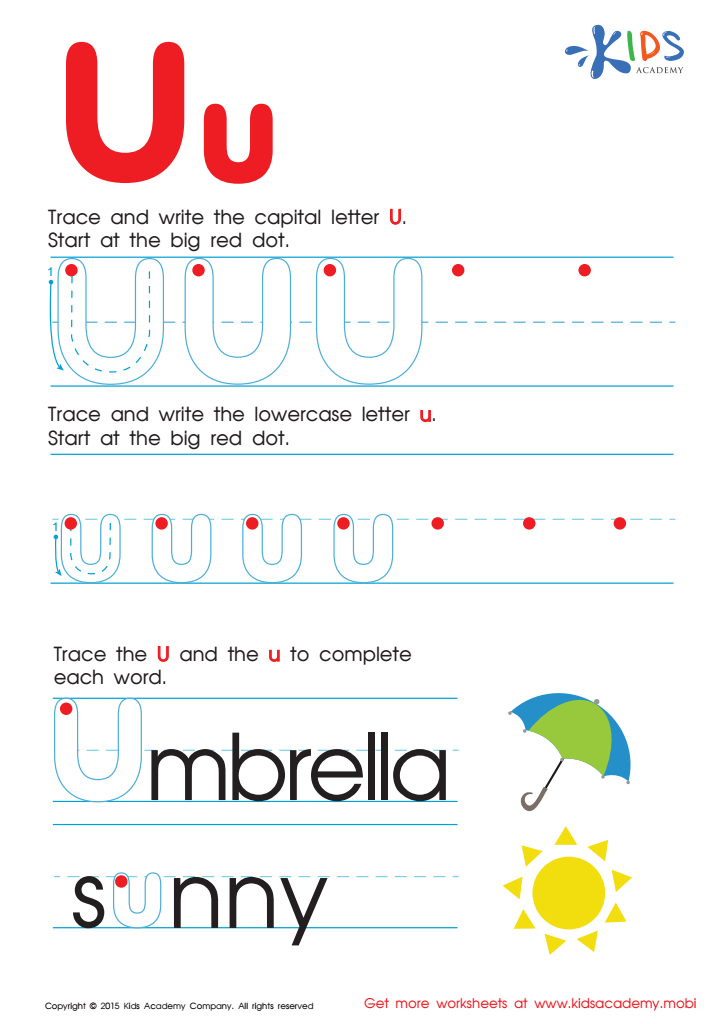
Letter U Tracing Page
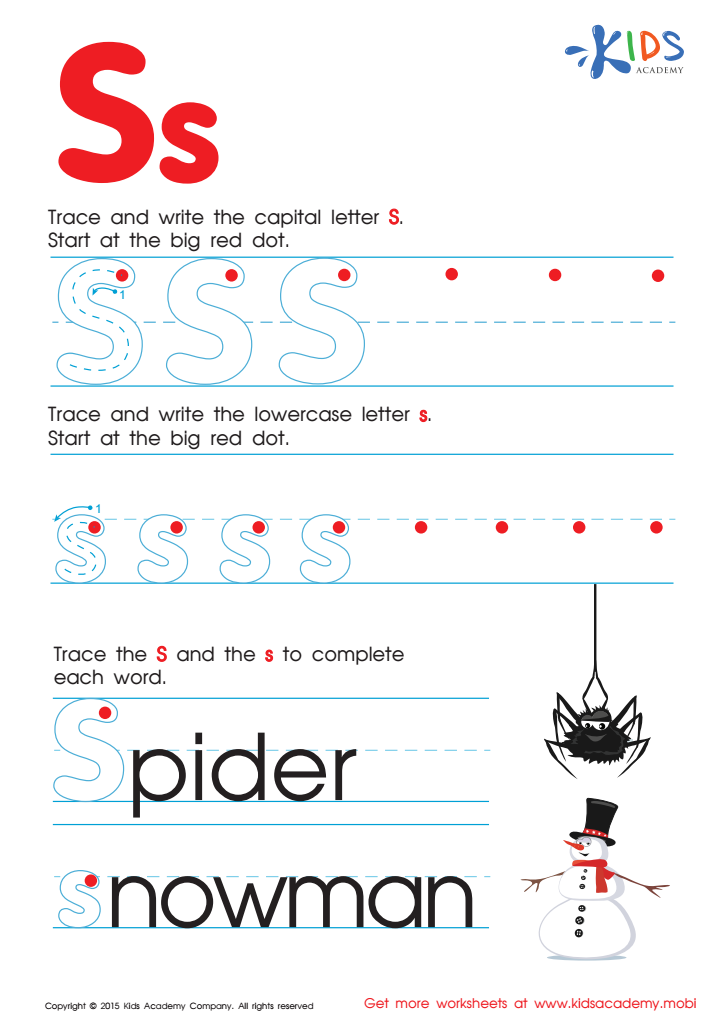
Letter S Tracing Page
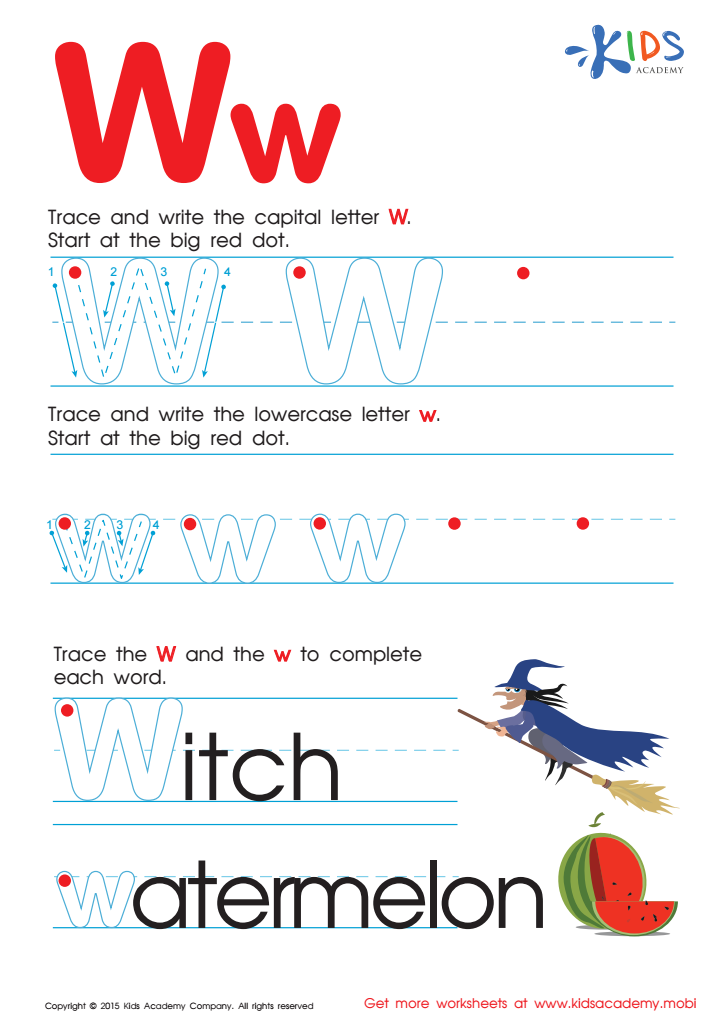
Letter W Tracing Page
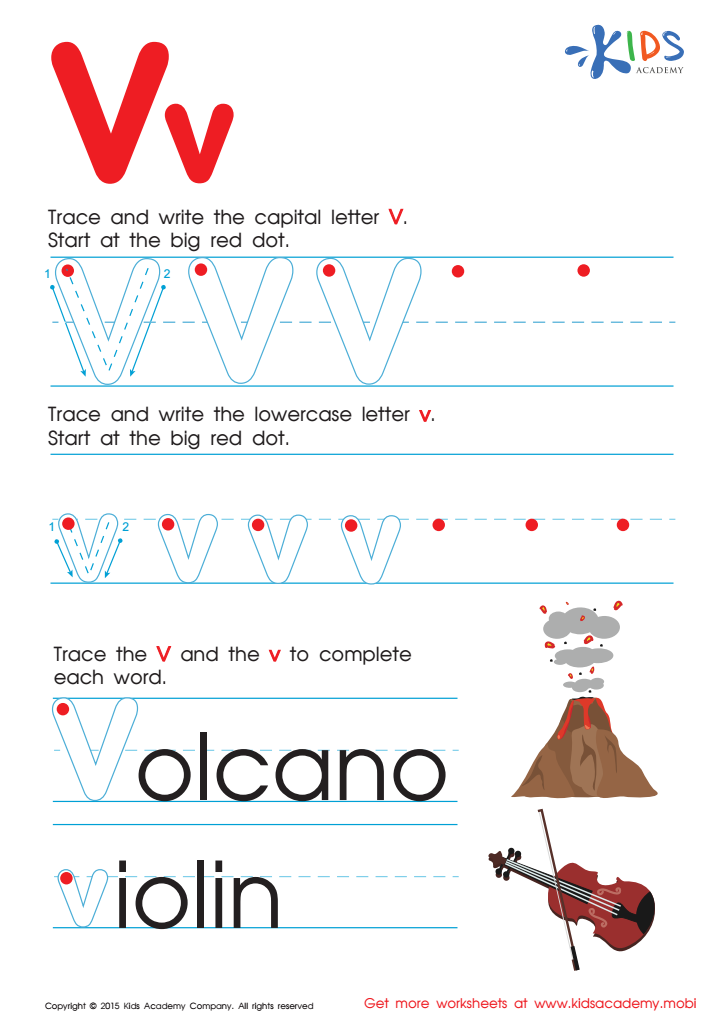
Letter V Tracing Page
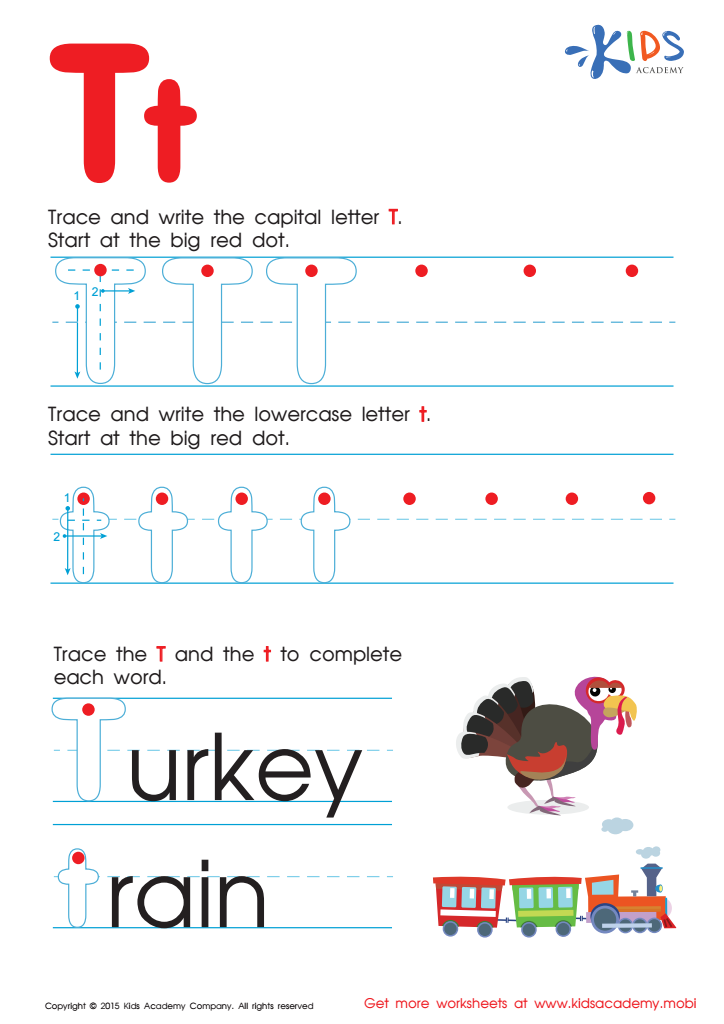
Letter T Tracing Page








Letter recognition is a foundational skill that plays a crucial role in a child’s literacy development. For parents and teachers, focusing on enhancing letter recognition in kindergarten, such as through engaging activities like the "Extra Challenge Kindergarten ABC Letters," is essential for several reasons.
Firstly, recognizing letters is the first step in learning to read and write. Children who master this skill early are more likely to develop strong reading and writing competencies as they progress in school. This leads to greater academic success and confidence in their abilities.
Secondly, letter recognition activities can stimulate cognitive growth. Children learn to differentiate between shapes and sounds, fostering critical thinking and problem-solving abilities. The extra challenges in activities also keep children motivated and excited about learning, catering to different learning styles.
Additionally, these activities promote fine motor skills through tracing or crafting letters, providing a holistic educational experience. They also offer opportunities for parents and teachers to bond with children, fostering a supportive learning environment.
In summary, prioritizing letter recognition not only equips children with essential literacy skills but also nurtures a love for learning that will benefit them throughout their educational journey.