Visual perception Extra Challenge Kindergarten Worksheets
6 filtered results
-
From - To
Enhance your child's learning experience with our "Visual Perception Extra Challenge Kindergarten Worksheets." Designed specifically for young learners, these engaging worksheets help strengthen essential visual skills necessary for early academic success. Each activity is thoughtfully crafted to challenge students while promoting critical thinking and attention to detail. From matching shapes to identifying patterns, children will develop their observational skills in a fun, interactive way. Perfect for teachers and parents alike, these worksheets are easy to use and can be integrated into daily learning routines. Dive into the world of visual perception and watch your child thrive in their educational journey!
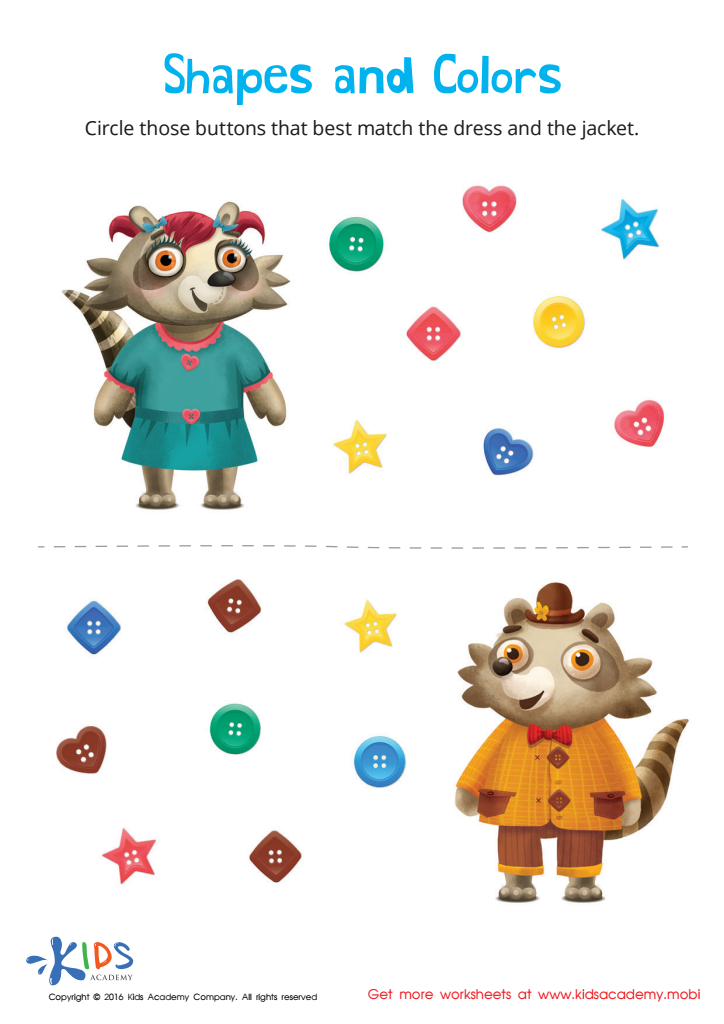
Matching: Shapes and Colors Worksheet
 Assign to My Students
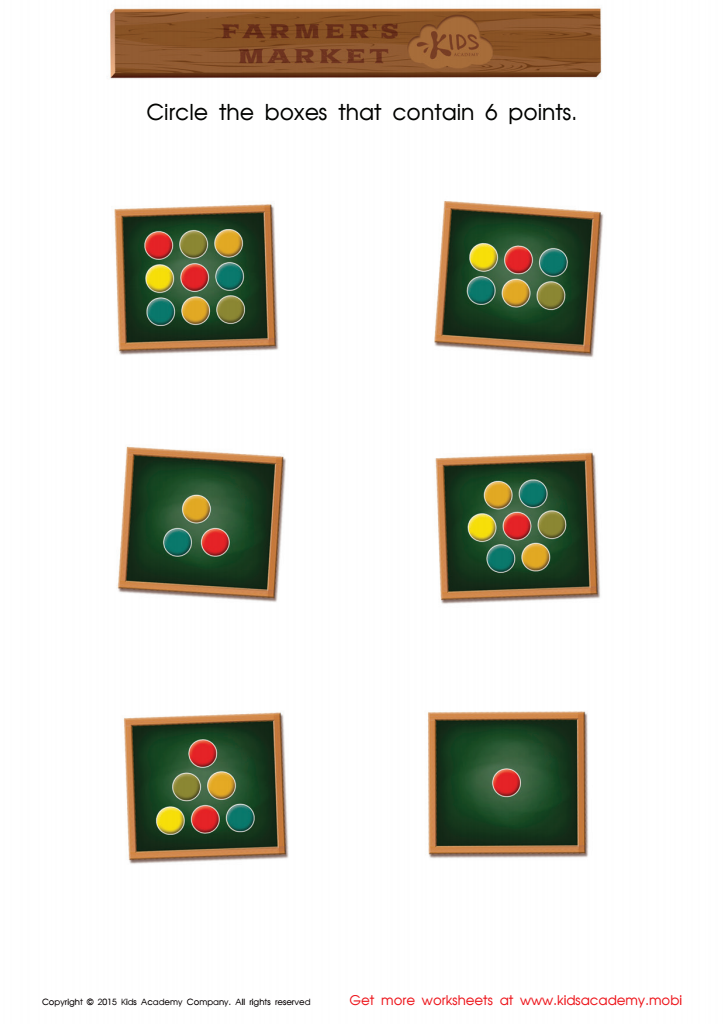
Count and Match Points 6 Math Worksheet
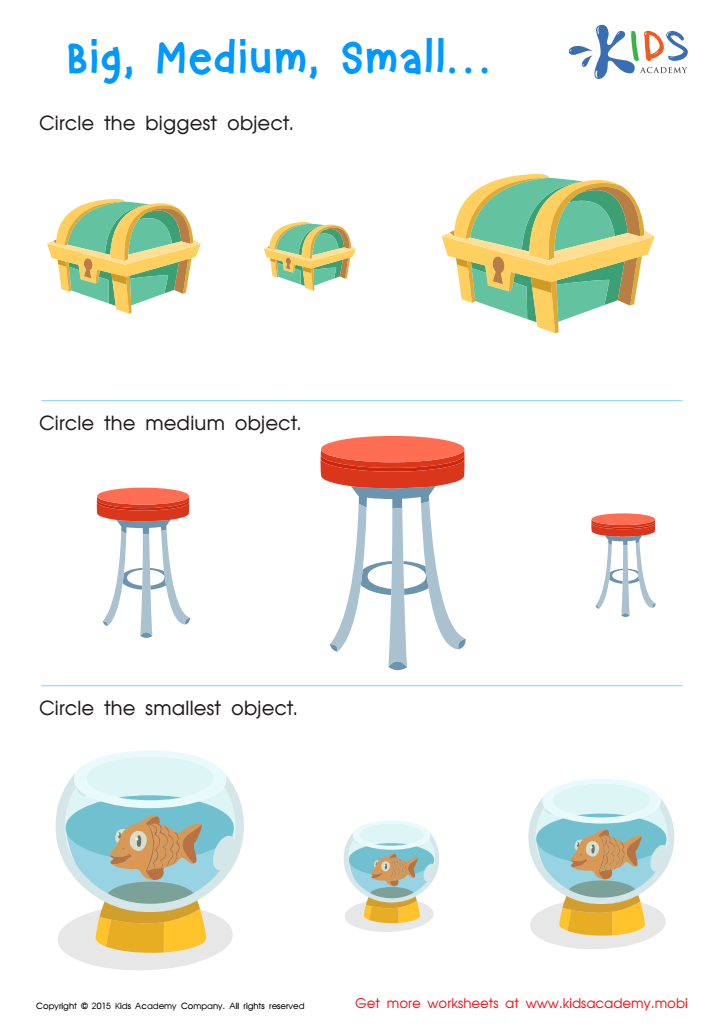
Big Medium Small Worksheet
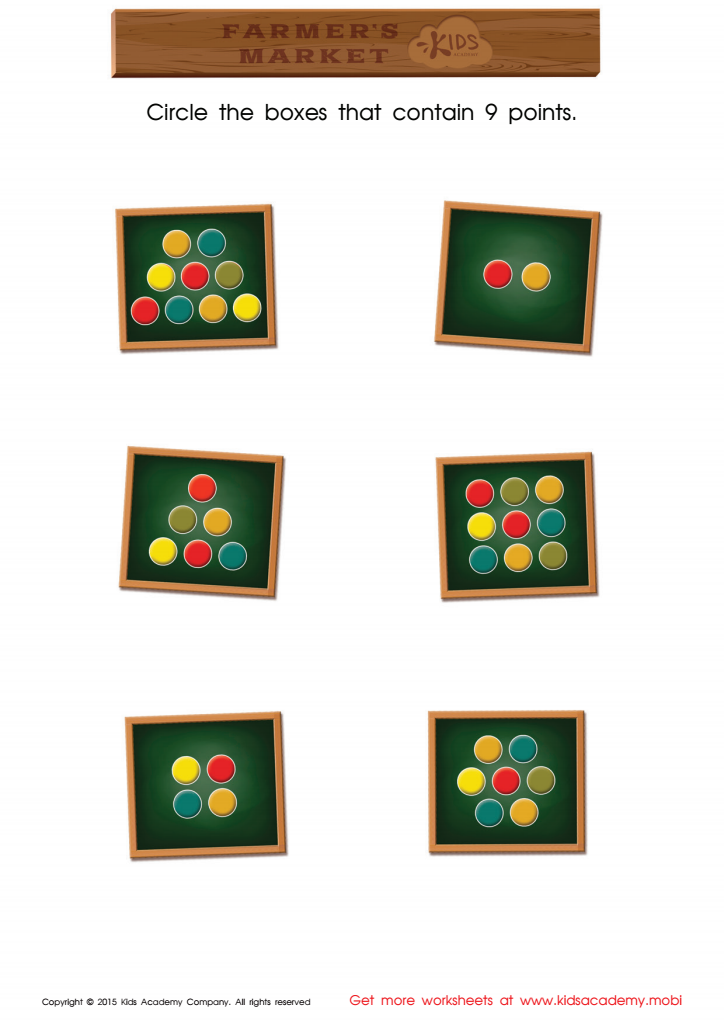
Count and Match Points 9 Math Worksheet
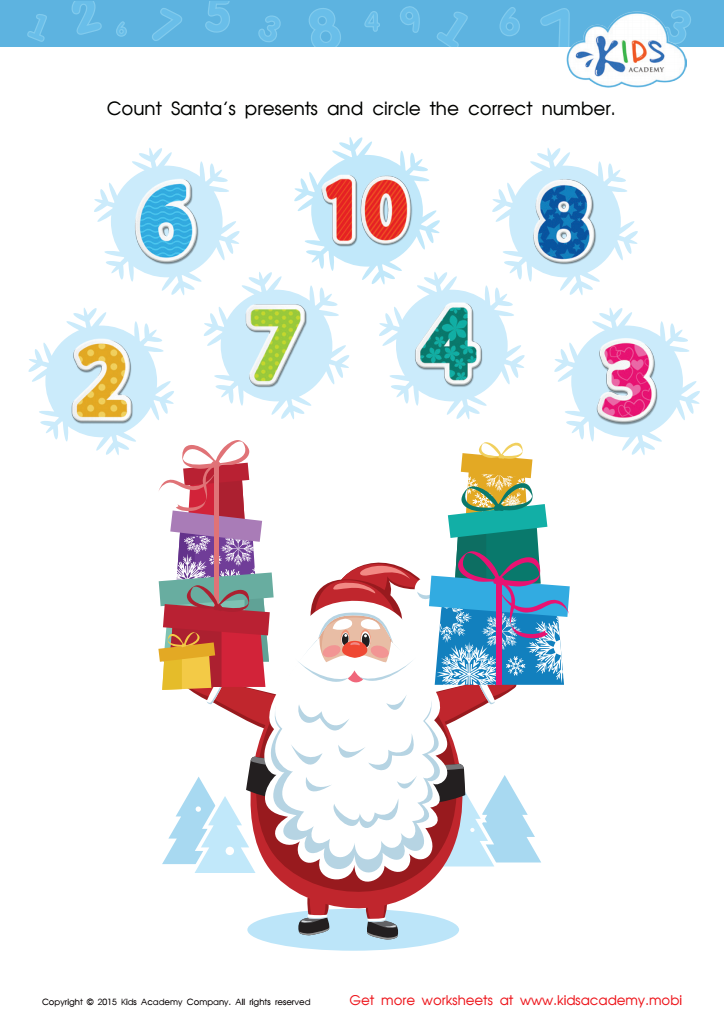
Count Santa's Presents Worksheet
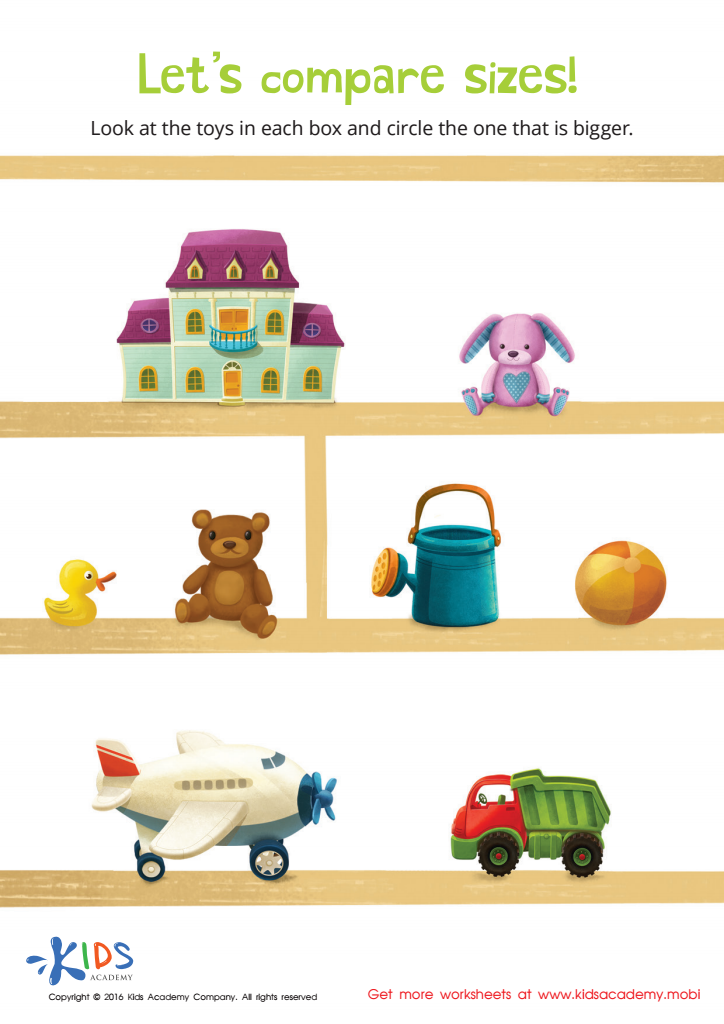
Classifying by Size Sorting Worksheet







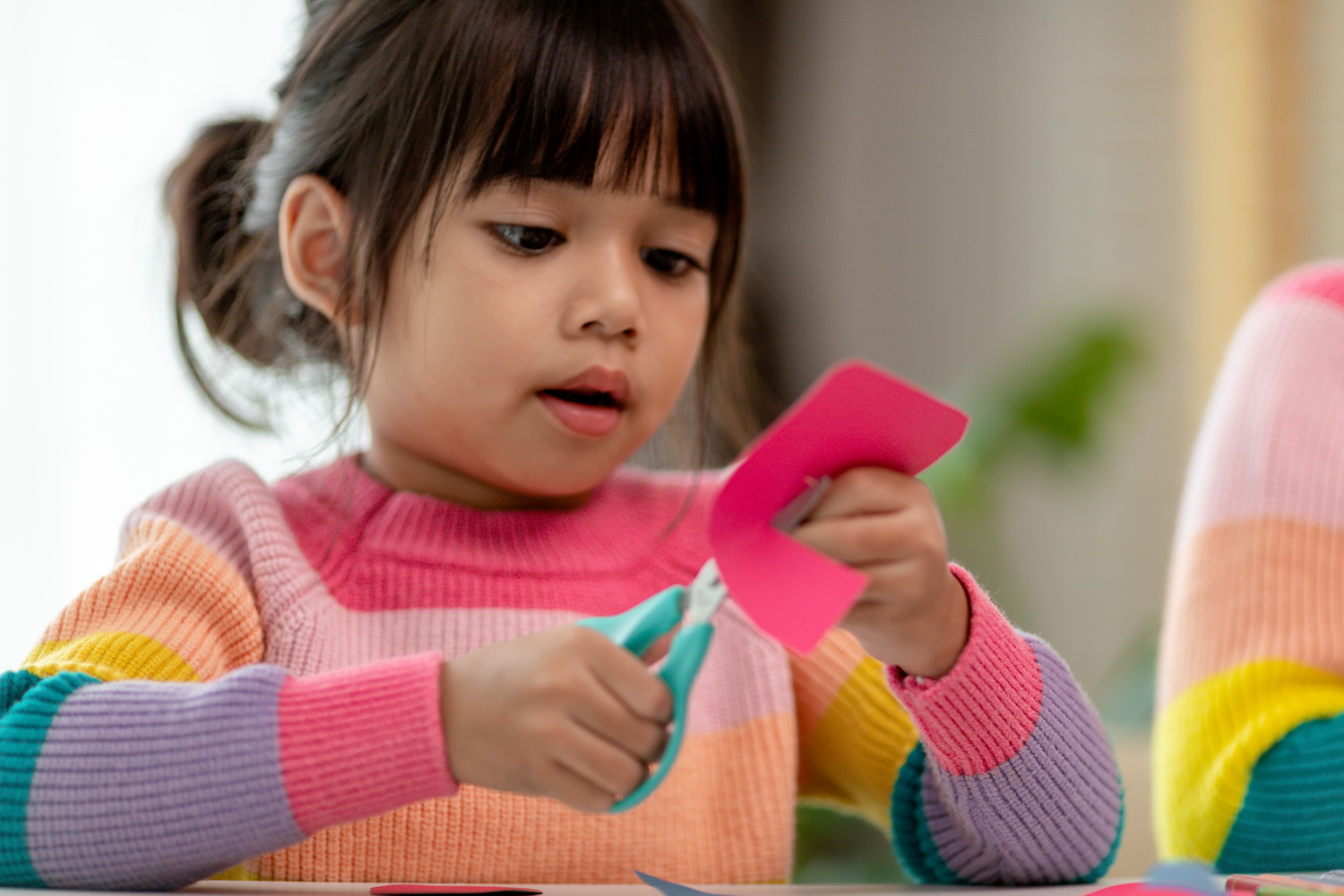
Visual perception is a critical skill that plays a significant role in a child's overall development, especially in kindergarten. It refers to the ability to interpret and make sense of what the eyes see. For parents and teachers, understanding and nurturing visual perception is essential for several reasons.
Firstly, strong visual perception skills are foundational for academic success. Children with well-developed visual skills can easily recognize letters, shapes, and numbers, which are crucial for reading and math. This ensures a smoother transition into more complex learning materials as they progress in their education.
Secondly, visual perception impacts fine motor skills, as activities like cutting, drawing, and writing require coordinated visual input and hand movements. Children who struggle in this area may find these tasks challenging, leading to frustration and a lack of confidence.
Moreover, visual perception influences social interaction. Children must understand non-verbal cues in their environment, such as facial expressions or body language, to communicate effectively.
By investing time in activities and challenges that enhance visual perception, parents and teachers can build a strong foundation for children. This not only helps them academically but also promotes social skills, independence, and overall well-being, preparing them for lifelong learning.