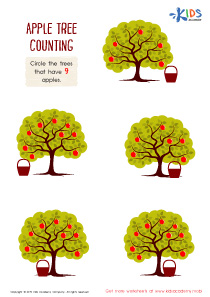
Understanding patterns Extra Challenge Kindergarten Math Worksheets
3 filtered results
Difficulty Level
Grade
Age
-
From - To
Subject
Activity
Standards
Explore our "Understanding Patterns Extra Challenge Kindergarten Math Worksheets" designed to enhance your child's mathematical skills through engaging and interactive activities. Ideal for young learners, these worksheets encourage critical thinking as students identify, describe, and create patterns using colorful visuals and fun exercises. Perfect for reinforcing classroom learning or for home practice, these extra challenge worksheets cater to diverse learning styles while fostering a love for math. Whether your child is working independently or alongside a caregiver, they'll develop essential problem-solving skills and boost their confidence in understanding patterns. Encourage a strong mathematical foundation with our delightful, printable worksheets today!
Favorites
With answer key
Interactive
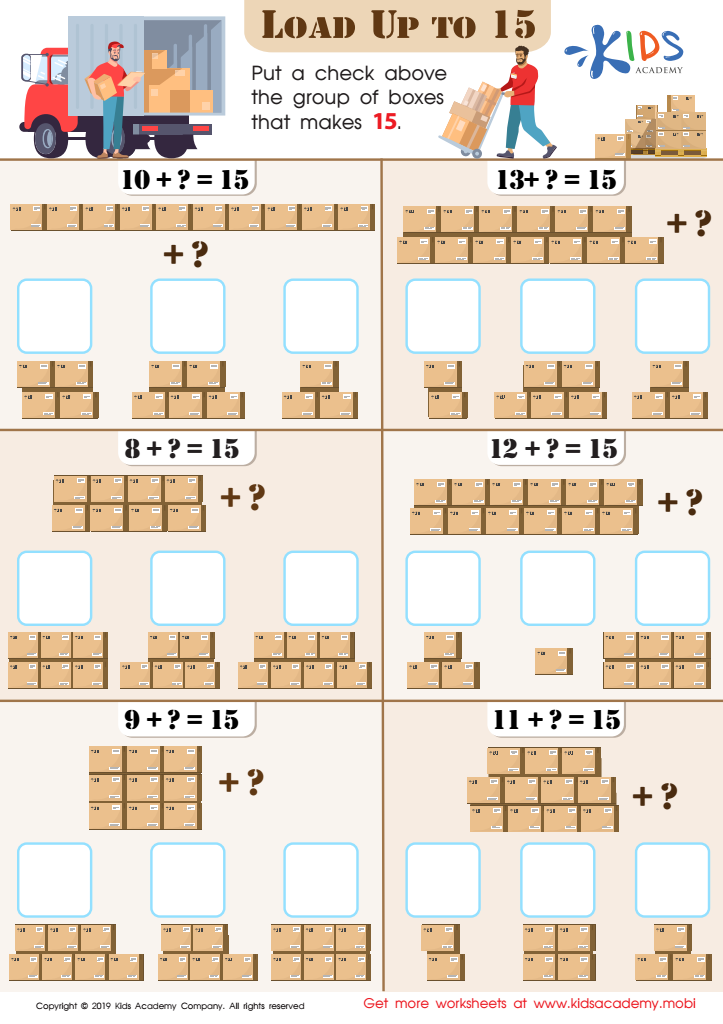
Load up to 15 Worksheet
Your students can practice addition and counting skills with this worksheet. Each equation has 6 boxes to count. Check the group that equals 15 to complete the exercise. Help your kindergartners if they need it.
Load up to 15 Worksheet
Worksheet
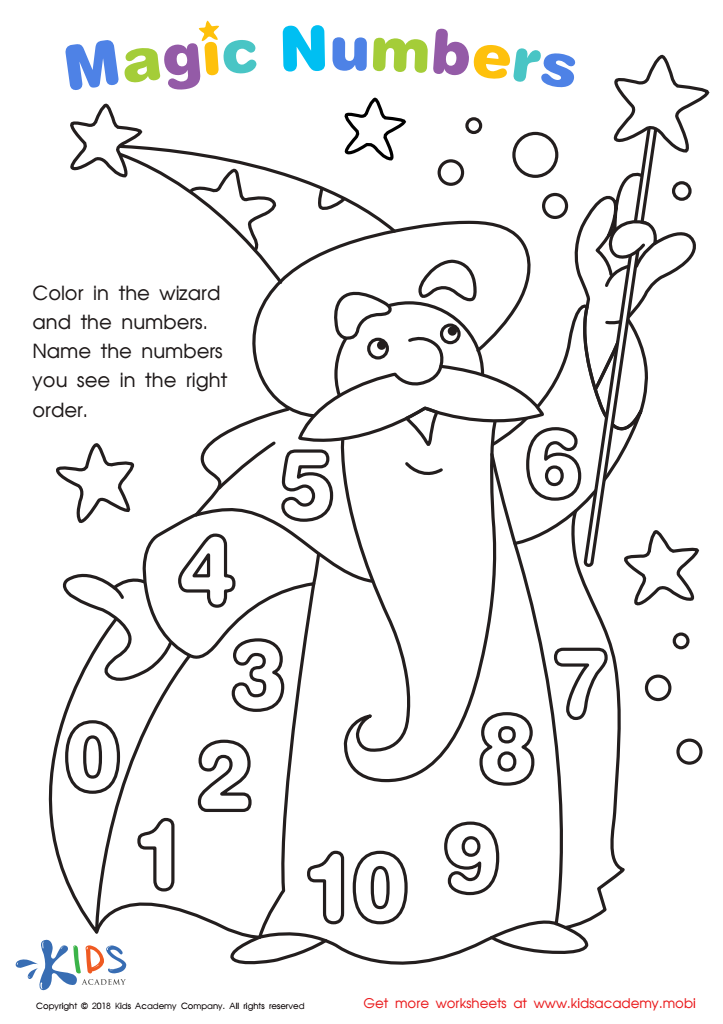
Magic Numbers Worksheet
Does your child have an interest in magic? Here's something they'll love - a coloring sheet featuring a wizard! Ask them to name the numbers from smallest to highest, then let them pick colors to color in the wizard and the numbers. It's sure to excite them!
Download (PDF)
 Assign to My Students
Assign to My Students
Magic Numbers Worksheet
Worksheet
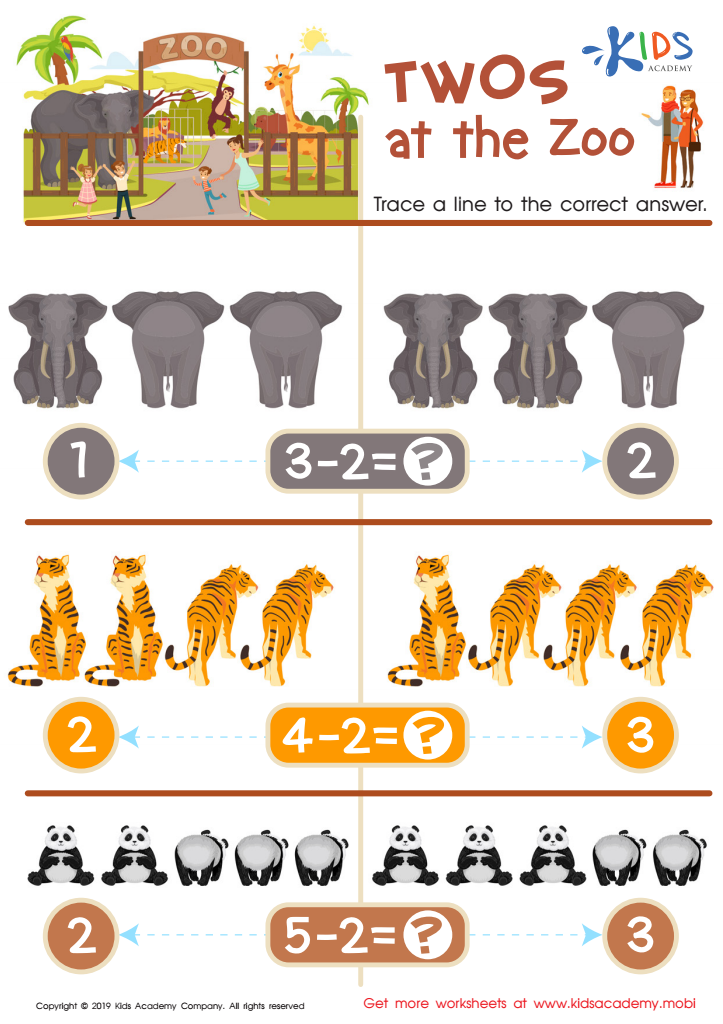
Twos at the Zoo Worksheet
At the zoo, your kids can have fun with animals. Ask them to name their favorite ones and identify them in the printout. Count animals in each group together, then help your kids solve the equations and trace a line to the answer. It's an enjoyable way to combine learning and exploration!
Twos at the Zoo Worksheet
Worksheet
Join Kids Academy for Free
Who is primarily going to use this learning content?







.jpg)
Understanding patterns is a crucial foundation in mathematics, especially for Kindergarten students. Parents and teachers should care about this topic for several key reasons.
Firstly, recognizing and creating patterns helps children develop critical thinking and problem-solving skills. Patterns are everywhere in our environment—clothing, nature, and daily routines—and understanding them can improve children’s ability to make connections and predictions.
Secondly, mastery of patterns paves the way for more complex mathematical concepts. As children progress in their education, they will encounter symmetry, sequences, and algebraic thinking. A solid foundation in recognizing patterns facilitates a smoother transition to these advanced topics.
Moreover, engaging with patterns can enhance children's cognitive and social skills. Activities centered around patterns encourage teamwork, communication, and creative expression—important life skills beyond math.
Lastly, understanding patterns contributes to emotional learning, building a sense of achievement and confidence in young learners. Parents and teachers fostering this skill demonstrate a commitment to holistic development, supporting children's growth in various domains.
In conclusion, valuing and understanding patterns is essential not just for mathematical proficiency, but also for developing well-rounded, confident children ready for future challenges. It supports a love for learning and curiosity, essential components for lifelong educational journeys.