Alphabet Recognition Extra Challenge Worksheets
6 filtered results
-
From - To
Discover our "Alphabet Recognition Extra Challenge Worksheets," designed to enhance early literacy skills in an engaging and fun way! These worksheets provide young learners with extra challenges that build their alphabet recognition abilities, helping them differentiate letters and their sounds. Each worksheet is carefully crafted with interactive activities such as tracing, matching, and identifying letters in various contexts. Ideal for preschool and kindergarten classrooms, these resources foster a strong foundation in reading and writing while stimulating creativity. Empower your students to master the alphabet with our thoughtfully designed challenge worksheets, perfect for classroom or at-home practice. Start their learning journey today!

Letter A Tracing Page
 Assign to My Students
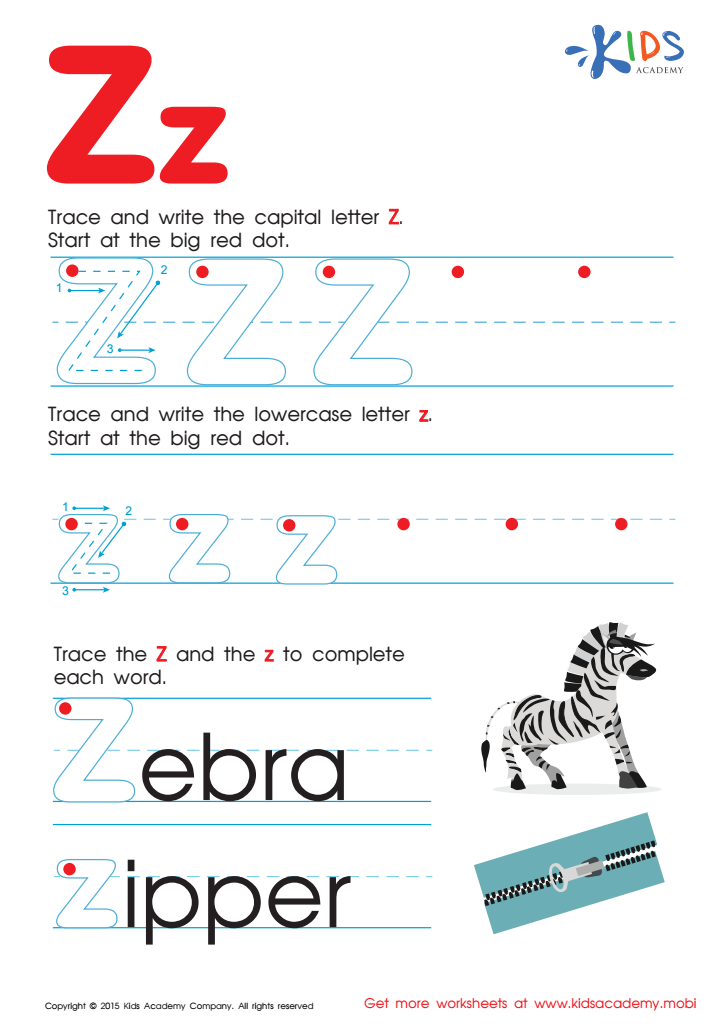
Letter Z Tracing Page
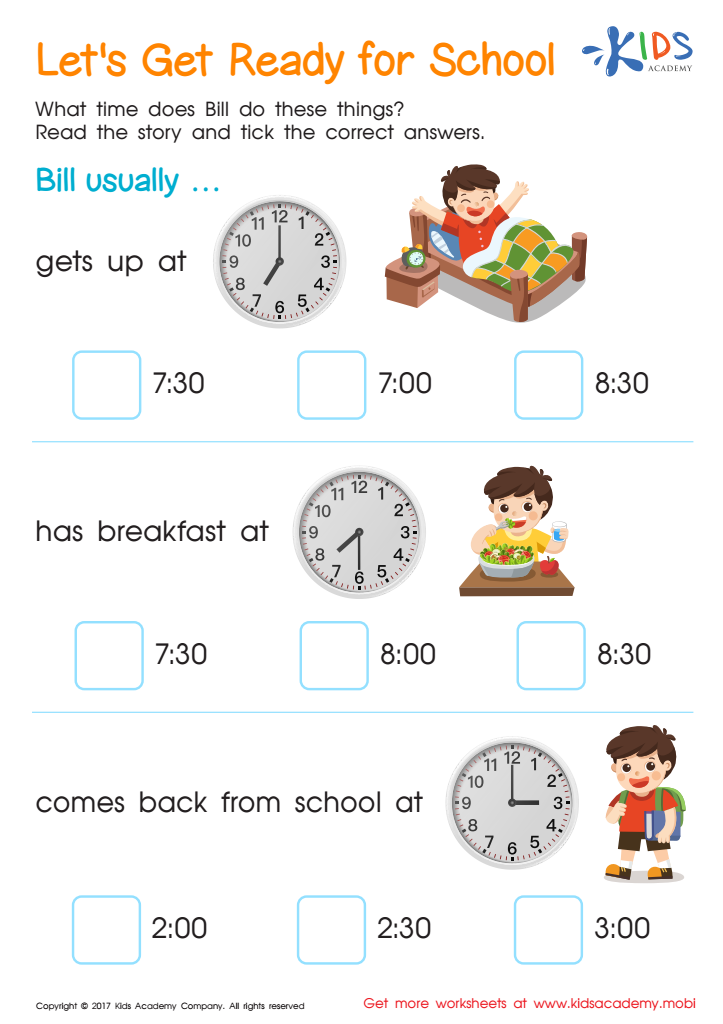
Lets Get Ready For School Time Printable
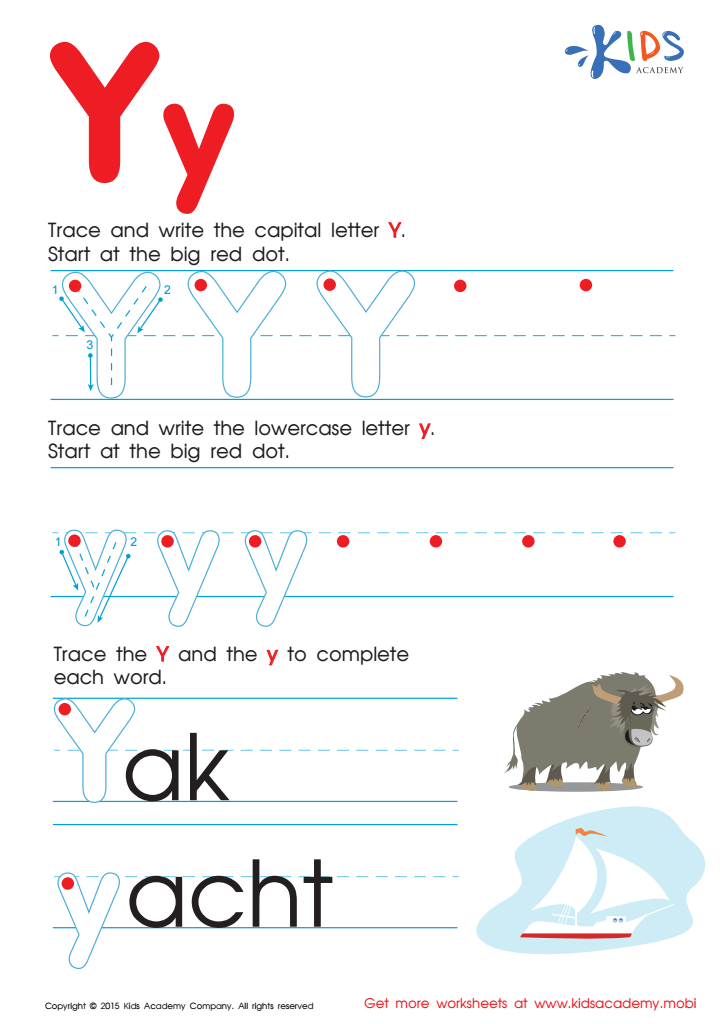
Letter Y Tracing Page
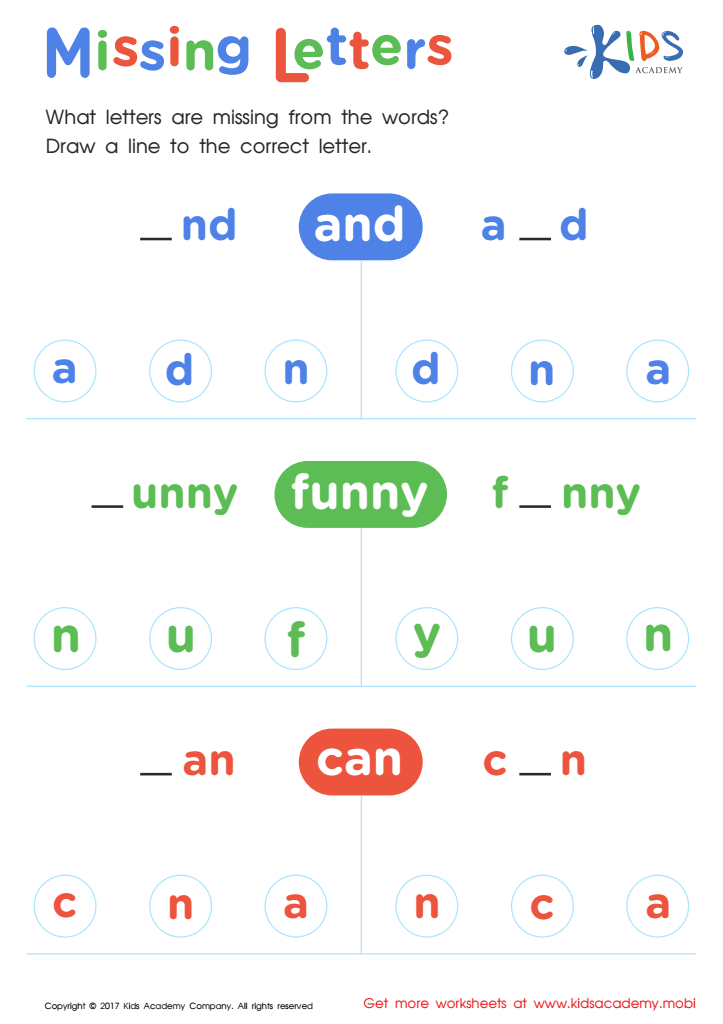
Missing Letters Worksheet
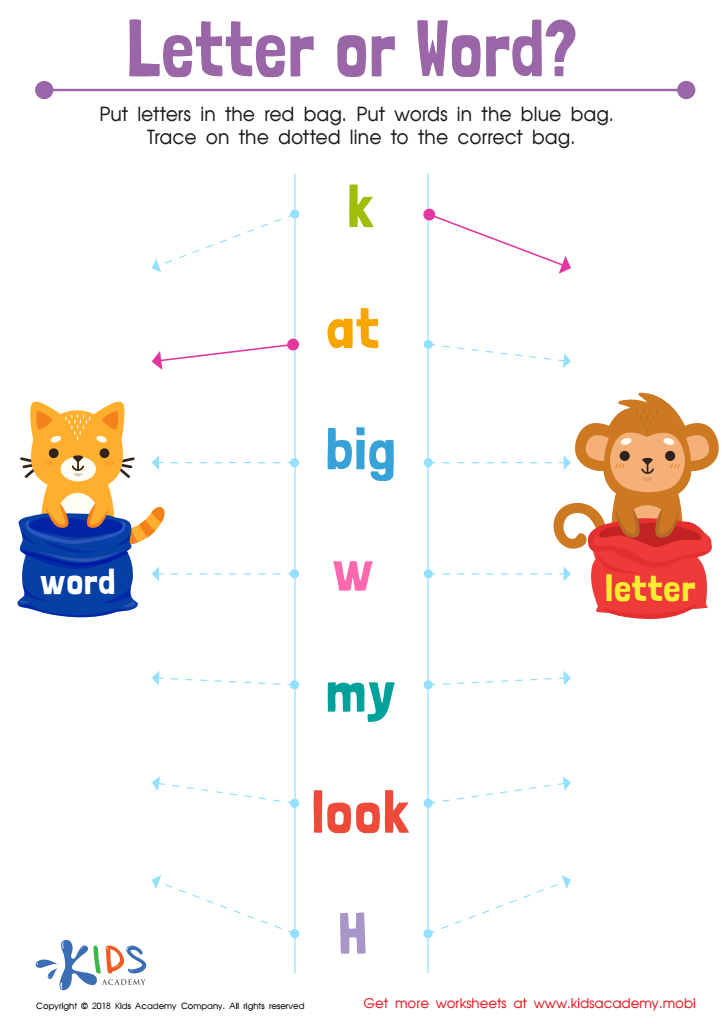
Letter or Word? Worksheet








Alphabet recognition is a fundamental skill that serves as the foundation for literacy development in young children. Parents and teachers should prioritize implementing extra challenges for alphabet recognition, as it fosters a deeper understanding of letter sounds and shapes. Engaging activities that encourage children to recognize letters in varied contexts not only solidify their knowledge but also keep them motivated and excited about learning.
Furthermore, strong alphabet recognition skills are crucial for phonemic awareness, which directly correlates with reading success. When children easily identify letters, they develop greater confidence in reading and writing tasks. This can significantly influence their overall academic performance and interest in literacy-related activities as they progress through their education.
Also, incorporating stimulating challenges allows educators and parents to personalize the learning experience, catering to each child's individual pace and interests. This targeted approach can help identify areas where a child may need additional support or enrichment, promoting a growth mindset. Ultimately, prioritizing alphabet recognition through engaging extra challenges sets a strong foundation in literacy, empowering children to become proficient readers and lifelong learners. Supporting children's development in this area is crucial for achieving their educational goals and developing a love for reading.








